How to Capture Monsters Easily: Expert Tips Inside
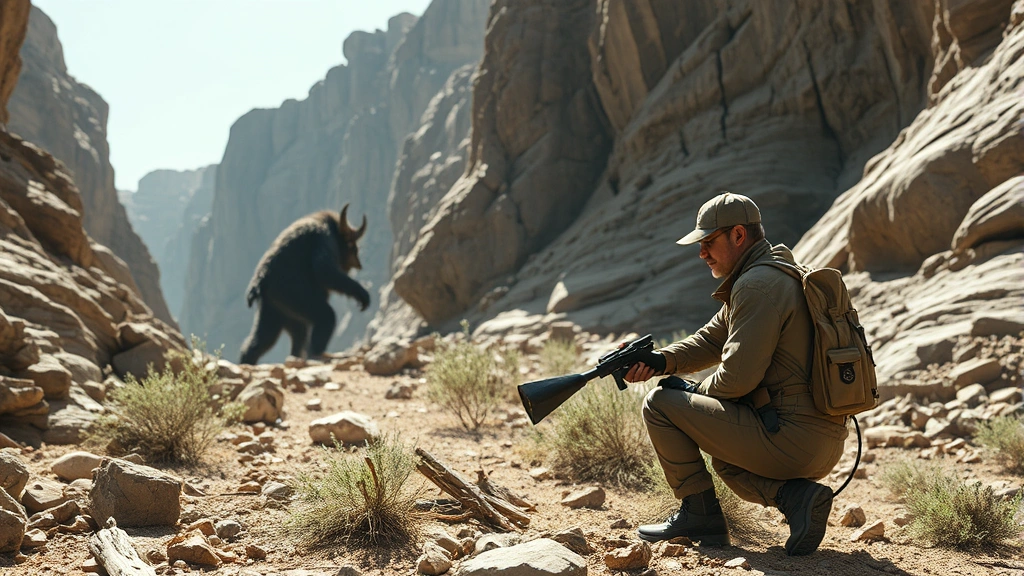
Monster hunting requires strategy, preparation, and knowledge of your prey’s behavior patterns. Whether you’re a seasoned hunter or just starting your journey in Monster Hunter Wilds, understanding the fundamentals of monster capture can significantly improve your success rate and efficiency in the field. This comprehensive guide breaks down the essential techniques, tools, and strategies that professional hunters use to capture monsters safely and effectively.
Capturing monsters alive presents unique challenges compared to traditional hunting methods. You’ll need specialized equipment, tactical awareness, and patience to succeed. The rewards for successful captures often exceed those of standard hunts, making this skill valuable for any serious hunter. This guide covers everything from trap placement to status effect timing, ensuring you have the knowledge needed to become an expert at monster capture.
Understanding Monster Behavior Patterns
Before attempting any capture, you must understand how your target monster behaves throughout the hunt. Each species has distinct movement patterns, aggression levels, and habitat preferences that directly impact your capture strategy. Monsters display clear behavioral cues when they’re becoming fatigued, stressed, or ready to flee, and recognizing these signs is crucial for timing your capture attempt correctly.
Pay close attention to how monsters interact with their environment. Some species are territorial and will defend specific areas, while others are nomadic and constantly search for food. Understanding these patterns allows you to predict where a monster will go next and position your traps accordingly. Additionally, monsters exhibit different behaviors depending on their health status—a weakened monster is far more likely to enter a trap than one at full strength.
Environmental factors significantly influence monster behavior as well. Weather conditions, time of day, and the presence of other creatures all affect how monsters move and react. Learning to read these environmental cues gives you a substantial advantage when planning your capture strategy. Many experienced hunters spend their first encounter with a new monster species simply observing behavior rather than engaging in combat.
Essential Capture Equipment and Tools
Your success in capturing monsters depends heavily on having the right equipment prepared before the hunt begins. The two primary tools for monster capture are shock traps and pit traps, each serving different purposes and requiring specific materials to craft. Understanding when and how to deploy each trap type is fundamental to becoming an effective hunter.
Shock traps immobilize monsters through electrical discharge, rendering them temporarily helpless. These traps work on most species but are particularly effective against monsters that are naturally resistant to physical damage. To craft shock traps, you’ll need shock trap components, thunderbug material, and trap tools. These traps activate instantly when a monster contacts them and provide a narrow window of opportunity for you to complete the capture with a net or specialized capture device.
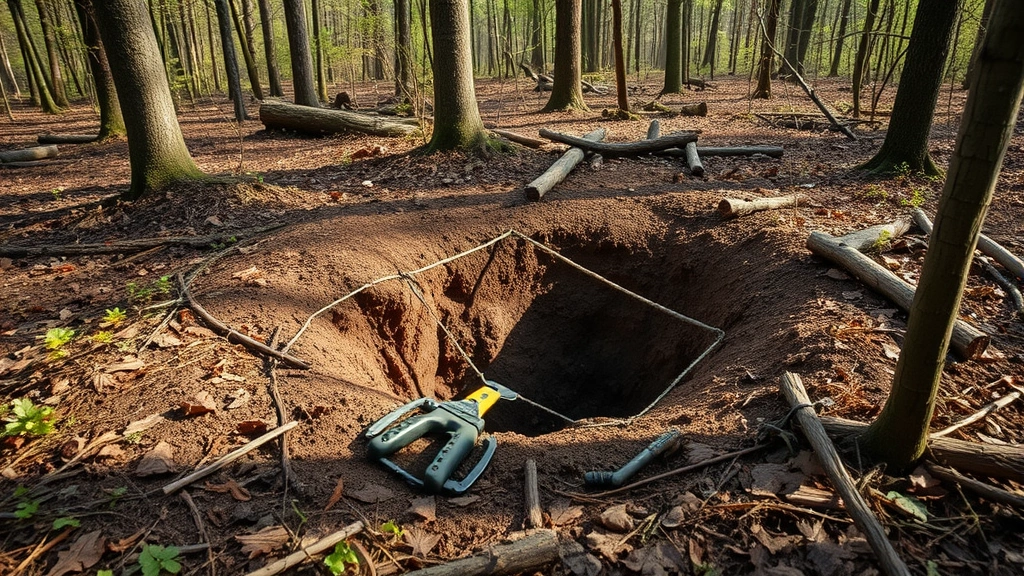
Pit traps function differently by exploiting a monster’s inability to escape a deep hole. These traps take longer to construct in the field but provide longer immobilization periods. Pit traps work best on larger monsters and in open terrain where digging is possible. The materials required include pit trap components, logs, and sturdy branches. Unlike shock traps, pit traps don’t damage the monster, making them excellent for capturing specimens you want to keep in pristine condition.
Beyond traps themselves, carrying tranquilizer bombs and sleep bombs provides additional control options. Tranquilizer bombs can be thrown directly at monsters to induce drowsiness, making them more vulnerable to capture. Sleep bombs create opportunities to set up traps without active resistance from the target monster. Always bring multiple stacks of these items, as you may need several attempts before successfully capturing your target.
Trap Placement and Positioning Strategies
The location where you place your traps often determines whether your capture attempt succeeds or fails. Effective trap placement requires understanding monster movement patterns and predicting where they’ll travel during the hunt. Begin by scouting the area and identifying natural choke points, narrow passages, and areas where monsters frequently rest or hunt for food.
When setting shock traps, position them in locations where the monster will encounter them while moving between feeding areas or rest spots. Avoid placing traps directly in the monster’s current location, as it may notice the trap being set and avoid it. Instead, anticipate the monster’s next movement and deploy your trap along its predicted path. Shock trap placement success increases dramatically when you understand the monster’s patrol routes.
Pit traps require more preparation and should be placed in areas where the monster naturally congregates. These traps are particularly effective near water sources, food caches, or territorial markers where monsters spend extended periods. The initial dig takes time, so set pit traps early in the hunt before the monster becomes aware of your presence. Once a pit trap is dug and camouflaged, it remains effective throughout the entire hunt.
Consider the terrain’s impact on trap effectiveness. Monsters moving through narrow canyons or dense forests are more likely to contact traps placed along their path. Open plains and wide spaces give monsters more opportunity to avoid traps, requiring multiple trap deployments or alternative capture strategies. Elevation changes also matter—monsters moving downhill often miss traps placed at odd angles, while those moving uphill may trigger traps more reliably.
Status Effects and Damage Management
Applying status effects to monsters before attempting capture significantly increases your success rate. The most important status effect for capture is sleep, which renders monsters unconscious and unable to resist capture. Sleep bombs, sleep weapons, and sleep ammunition all induce this valuable state. A sleeping monster can be captured without deploying traps, provided you have the necessary capture tools ready.
Paralysis status effects temporarily freeze monsters in place, creating capture opportunities similar to shock traps but with the added benefit of preventing the monster from fleeing. Paralysis typically lasts longer than shock trap immobilization, providing extended windows for capture attempts. However, repeated paralysis applications become less effective as monsters develop resistance, so alternate between different status effects when possible.
Poison status weakens monsters over time, gradually reducing their health and causing fatigue. While poison doesn’t directly enable capture, weakened monsters are significantly more likely to enter traps voluntarily. A poisoned monster seeking rest becomes an easy target for pit trap capture. Combining poison with other status effects creates synergistic effects that compound your capture advantages.
Maintain careful control over damage throughout the hunt. Excessive damage can kill the monster before you complete the capture, resulting in mission failure. Use capturing weapons with lower damage output or deliberately avoid critical hit opportunities when the monster’s health drops below fifty percent. Monitor the monster’s health bar constantly and reduce offensive actions as you approach the capture threshold.
Timing Your Capture Attempt
The moment you choose to deploy traps and initiate capture determines whether you succeed or fail. Premature capture attempts waste valuable resources and alert the monster to your intentions, making subsequent attempts more difficult. Conversely, waiting too long may result in the monster escaping the area entirely or becoming too aggressive to capture safely.
The optimal capture window opens when the monster reaches approximately thirty to forty percent health and displays clear signs of fatigue. These signs include limping movement, reduced aggression, frequent resting periods, and slower response times to threats. Experienced hunters recognize these behavioral changes instantly and prepare their capture equipment accordingly.
Deploy your first trap when the monster is actively moving toward it. Stationary or resting monsters may ignore nearby traps, so initiate the capture sequence during active movement phases. Once a trap is triggered, immediately begin the capture process using your specialized capture tool. If the first trap fails, quickly deploy your second trap along the monster’s escape route to prevent it from fleeing.
Weather and environmental conditions can influence optimal capture timing. Monsters behave differently during rain, storms, or extreme temperature shifts. Some species become more aggressive in specific weather, requiring adjusted capture timing. Others become docile or sluggish, providing extended capture windows. Learning these environmental interactions separates expert hunters from amateurs.
Advanced Capture Techniques
Master hunters employ sophisticated tactics that go beyond basic trap placement and status effects. One advanced technique involves deliberate monster herding, where you guide the monster toward pre-positioned traps through strategic positioning and aggression patterns. This requires intimate knowledge of the monster’s threat response and movement preferences but yields exceptional results.
Another expert technique uses environmental hazards as capture aids. Luring monsters toward volcanic vents, toxic gas clouds, or unstable terrain causes additional status effects and damage without consuming your trap resources. Some monsters can be driven toward cliff edges, creating opportunities for environmental damage that weakens them without risk to yourself.
Coordinated multiplayer capture requires different strategies entirely. When hunting with partners, designate specific team members to handle trap placement while others manage damage and status effects. Communication becomes critical—coordinated trap deployments can immobilize monsters before they have time to react or flee. The ability to adapt capture strategies based on team composition and partner skill levels distinguishes elite hunting crews.
Advanced hunters also utilize monster mounting and aerial attacks to position themselves for better trap deployment angles. The brief immobilization from a successful mount creates perfect opportunities to place traps directly in the monster’s path. Additionally, aerial attacks can drive monsters toward pre-positioned traps while dealing damage simultaneously.
Understanding monster-specific weaknesses allows for targeted capture strategies. Some species are more susceptible to particular trap types or status effects, and research before each hunt pays substantial dividends. Consult detailed monster guides and community resources to identify species-specific vulnerabilities. Many hunters maintain comprehensive notes on each monster’s behavior patterns for reference during hunts.
For those seeking to understand preparation and planning methodologies, systematic approaches to resource management apply equally to hunt preparation. Creating organized systems for tracking trap materials and status effect items ensures you never venture into the field unprepared. Visit the DIY Nests Hub Blog for additional guides on preparation and planning strategies.
Consult official Capcom Monster Hunter resources for the latest patch notes and balance adjustments. Monster Hunter Wilds continues evolving with regular updates that may affect capture mechanics and monster behavior. Staying informed about these changes keeps your strategies current and effective.
Frequently Asked Questions
What’s the difference between capturing and killing monsters?
Capturing monsters alive yields different rewards than killing them, often including more valuable materials and additional gold. Captured monsters also complete specific contract objectives that hunting alone cannot fulfill. The choice between capture and kill depends on your current objectives and the specific monster species.
Can all monsters be captured?
Most monsters in Monster Hunter Wilds can be captured, but certain elder dragons and special creatures may require traditional hunting methods. Check your contract details and monster information before committing to a capture strategy. Some monsters become non-capturable under specific conditions or during advanced quests.
How many traps should I bring on a hunt?
Experienced hunters carry at least two shock traps, one pit trap, and multiple tranquilizer bombs. This loadout provides flexibility for different monster behaviors and backup options if your first capture attempt fails. Adjust quantities based on the specific monster species and available inventory space.
What happens if a monster escapes my trap?
Monsters that escape traps become more alert and evasive, making subsequent capture attempts more difficult. However, they often flee toward specific areas, allowing you to predict their movement and position traps accordingly. Persistence and strategic repositioning can overcome initial trap failures.
How do I know when a monster is ready to be captured?
Monitor the monster’s health bar and behavioral cues carefully. Clear signs include limping, frequent resting, reduced aggression, and slower movement speeds. The monster’s health should generally be between thirty and forty percent for optimal capture chances, though experienced hunters develop intuition for the exact moment.
Can status effects help with capture?
Absolutely. Sleep, paralysis, and poison all enhance capture chances significantly. Sleep and paralysis provide direct immobilization advantages, while poison weakens monsters and causes fatigue. Combining multiple status effects creates synergistic benefits that dramatically improve your capture success rate.


