
Monstera Care Tips: Botanist-Recommended Guide
The Monstera deliciosa, commonly known as the Swiss cheese plant, has become one of the most beloved houseplants for interior design enthusiasts and plant parents alike. With its distinctive split leaves and vigorous growth habit, this tropical vine brings both aesthetic appeal and air-purifying benefits to any indoor space. Whether you’re a seasoned plant collector or a curious beginner, understanding how to care for monstera properly ensures your plant thrives for years to come.
This comprehensive guide draws on horticultural best practices and expert recommendations to help you master monstera cultivation. From light requirements to watering schedules, we’ll cover everything you need to create an ideal growing environment. You’ll also discover common mistakes to avoid and troubleshooting strategies for addressing pest problems and nutrient deficiencies. By the end of this guide, you’ll have the confidence to nurture a healthy, visually stunning monstera that becomes a focal point in your home.
Optimal Light Conditions
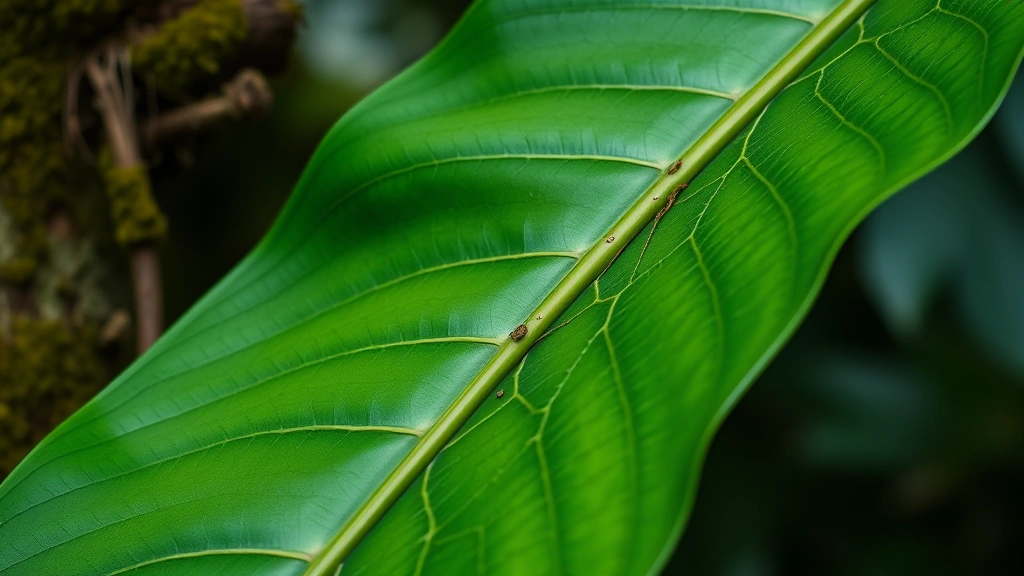
Light is perhaps the most critical factor in monstera plant health and development. These tropical vines naturally grow as understory plants in rainforests, meaning they thrive in bright, indirect sunlight rather than harsh direct rays. Positioning your monstera near an east or west-facing window provides ideal conditions, as morning or late afternoon sun is gentler than midday exposure.
Monsteras can tolerate lower light conditions compared to many houseplants, but growth will slow significantly. If your plant sits in a dim corner, you’ll notice smaller leaves, delayed fenestration (the natural leaf splitting), and potentially leggy stems stretching toward available light. For optimal growth and those coveted split leaves, aim for bright, filtered light for 8-10 hours daily. Using a grow light positioned 12-24 inches above the plant can supplement inadequate natural light during winter months or in north-facing rooms.
Rotate your monstera quarterly to ensure even light distribution on all sides, promoting balanced growth and preventing the plant from leaning excessively toward the light source. If leaves begin yellowing or showing signs of sunburn (bleached patches), adjust placement to filter intense afternoon sun through sheer curtains.
Watering and Humidity
Proper watering is essential for monstera health, though the plant is relatively forgiving compared to moisture-sensitive species. The golden rule is to water when the top 1-2 inches of soil feel dry to the touch. Rather than maintaining a rigid schedule, check soil moisture with your finger before watering—this prevents both overwatering and underwatering.
During growing season (spring and summer), monsteras typically need water every 1-2 weeks depending on temperature, humidity, and pot size. In cooler months (fall and winter), growth slows dramatically, so reduce watering frequency to every 2-3 weeks. Always use room-temperature water and ensure pots have drainage holes to prevent waterlogging, which causes root rot—the most common killer of indoor monsteras.
Humidity levels significantly impact monstera wellbeing. These tropical plants prefer humidity between 50-60%, though they adapt to average household levels of 40-50%. To increase humidity, mist leaves weekly with a spray bottle, place the pot on a pebble tray filled with water (ensuring the pot sits above water level), or group plants together to create a microclimate. A room humidifier proves invaluable during dry winter months when heating systems reduce ambient moisture. Regular misting also removes dust from leaves, improving photosynthesis efficiency and keeping your plant looking vibrant.
Soil and Potting Essentials
Monstera plants require well-draining soil that retains some moisture without becoming waterlogged. A quality potting mix combines peat moss or coconut coir (60%), perlite or orchid bark (20%), and worm castings or compost (20%). This combination provides adequate aeration for roots while maintaining sufficient moisture retention between waterings.
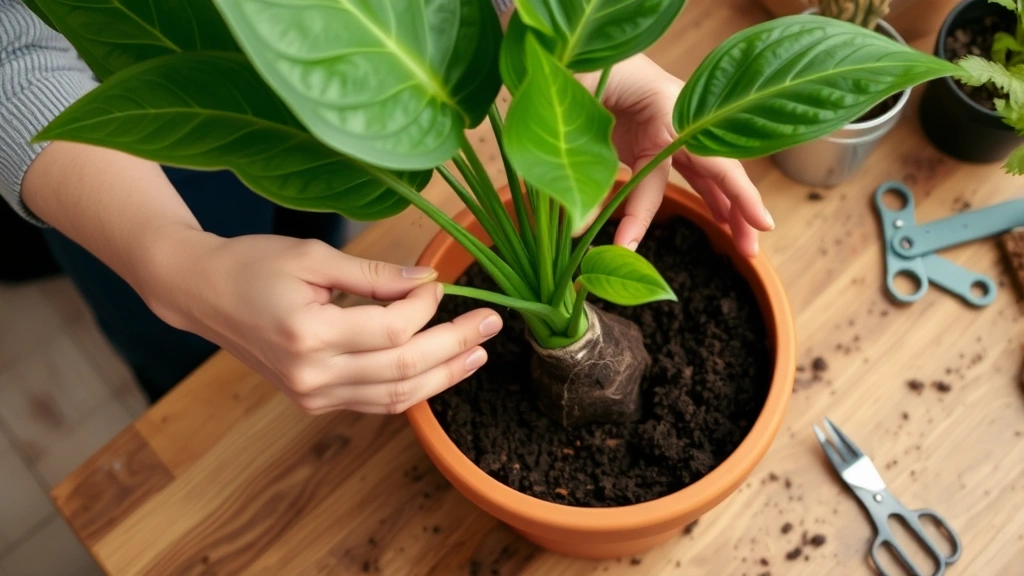
Repotting becomes necessary every 12-18 months as monsteras are vigorous growers. Spring is the ideal time for repotting, as the plant enters its active growing phase. Choose a container only 1-2 inches larger in diameter than the current pot—oversized pots retain excess moisture and increase root rot risk. Ensure the new pot has multiple drainage holes and use fresh potting mix to provide nutrients and optimal growing medium.
When repotting, gently loosen the root ball and examine roots for signs of rot (dark, mushy tissue). Healthy roots appear white to light tan and firm. If rot is present, trim away affected portions with sterilized scissors before potting in fresh soil. Support the plant with a moss pole or trellis as it grows; monsteras are vining plants that naturally climb trees in their native habitat, and providing vertical support encourages larger leaf development and natural growth patterns.
Temperature and Environment
Monsteras thrive in warm, stable environments typical of tropical climates. Ideal temperatures range from 65-75°F (18-24°C) during the day, with nighttime temperatures 5-10 degrees cooler. The plant tolerates temperatures as low as 50°F (10°C) but growth halts and cold stress becomes apparent at temperatures below 60°F (15°C).
Avoid placing monsteras near cold drafts from windows or air conditioning vents, as temperature fluctuations stress the plant and trigger leaf drop. Similarly, keep plants away from heating vents that create excessively dry conditions. Consistent temperature without dramatic swings promotes steady growth and healthy foliage development.
Air circulation matters significantly for monstera health. Stagnant air increases susceptibility to fungal issues and pest infestations. A small oscillating fan set to low speed improves air movement without creating harsh, drying conditions. Position the fan to circulate air gently around the plant without directly blowing on foliage continuously.
Feeding Your Monstera
Monsteras are moderate feeders that benefit from regular fertilization during active growth periods. From spring through early fall, apply a balanced, water-soluble fertilizer (such as 10-10-10 NPK) diluted to half strength every 4-6 weeks. Alternatively, use a slow-release fertilizer pellet formulation applied once in spring, which gradually releases nutrients over several months.
Avoid fertilizing during winter when growth slows significantly. Over-fertilizing causes salt accumulation in soil, leading to brown leaf tips and stunted growth. If you notice crusty white residue on soil surface or pot rim, flush the soil with distilled water to remove excess salts. A simple way to remember feeding needs: fertilize when you see active new growth, reduce frequency as temperatures cool.
For organic-minded gardeners, organic fertilizer options like fish emulsion or seaweed extract provide gentle nutrition without synthetic chemicals. These natural products also improve soil microbial activity, enhancing overall plant vigor over time.
Pruning and Training Techniques
Strategic pruning keeps your monstera shapely, encourages bushier growth, and removes damaged foliage. Prune just above a leaf node (the small bump where leaves attach to stems) using clean, sharp scissors or pruning shears. This stimulates branching at that node, resulting in fuller plants rather than leggy growth.
Remove any yellowing, brown, or diseased leaves promptly to redirect plant energy toward healthy foliage. Dead leaves also harbor pests and disease organisms, so maintaining plant cleanliness prevents many common problems. If your monstera becomes too large or gangly, don’t hesitate to cut back stems by up to one-third of their length—monsteras respond vigorously to pruning.
Training your monstera onto a moss pole encourages the aerial root development and leaf splitting characteristic of mature plants. Insert a moss pole into the pot at planting time, and gently secure young stems with soft ties as they grow. Mist the pole regularly to keep moss moist; aerial roots naturally gravitate toward moisture and adhere to the moss pole, anchoring the plant vertically and creating a dramatic living sculpture.
Propagation Methods
Monstera propagation is remarkably simple, making it easy to share plants with friends or create multiple specimens for your home. The easiest method involves stem cutting propagation: select a healthy stem with at least one node and aerial root present, cut below the node with sterilized scissors, and place the cutting in water.
Change water every few days to prevent bacterial growth and maintain oxygen levels. Roots typically emerge within 1-3 weeks. Once roots reach 1-2 inches long, pot the cutting in moist potting soil and treat it as a mature plant. Some gardeners prefer rooting cuttings directly in moist potting mix, covering the pot with plastic to maintain humidity until roots establish.
Air layering offers another propagation technique for creating larger plants more quickly. Select a healthy stem, make a small upward cut just below a node, wrap the wounded area with moist sphagnum moss secured with plastic wrap, and maintain moss moisture. Once roots develop (4-8 weeks), cut below the new root system and pot separately. This method produces more mature plants ready for independent growth.
Troubleshooting Common Issues
Despite their hardiness, monsteras occasionally encounter problems. Brown leaf tips typically indicate either low humidity, salt accumulation from over-fertilizing, or chlorine in tap water. Combat this by increasing humidity, flushing soil if fertilizer buildup is suspected, and using filtered or distilled water.
Yellowing leaves can result from several causes: overwatering (most common), nutrient deficiency, or natural senescence of older leaves. Examine soil moisture first—if soggy, reduce watering frequency and ensure proper drainage. If soil is appropriately moist, consider whether the plant needs feeding or if older leaves are simply dying naturally (remove these).
Pest infestations, while uncommon on indoor monsteras, occasionally occur. Spider mites, mealybugs, and scale insects may appear, especially in warm, dry conditions. Regular inspection of leaf undersides catches infestations early. Treat by isolating the plant, spraying affected foliage with neem oil or insecticidal soap, and repeating every 7-10 days until pests disappear.
Lack of fenestration (leaf splitting) in mature monsteras indicates insufficient light or inadequate maturity. Younger plants don’t produce split leaves; fenestration typically appears as the plant matures and receives bright light. Ensure your monstera gets bright, indirect light for at least 8 hours daily and be patient—sometimes maturation takes years.
Root rot, the most serious monstera problem, results from persistent overwatering. If you suspect root rot, remove the plant from its pot, examine roots (healthy roots are white/tan and firm; rotted roots are dark and mushy), trim away affected portions, and repot in fresh, dry soil. Reduce watering frequency going forward and ensure excellent drainage.
Frequently Asked Questions
How often should I water my monstera?
Water when the top 1-2 inches of soil feel dry, typically every 1-2 weeks during growing season and every 2-3 weeks in winter. Always check soil moisture before watering rather than following a fixed schedule, as frequency varies based on temperature, humidity, and pot size.
Can monsteras grow in low light?
Monsteras tolerate lower light better than many houseplants, but growth slows significantly and leaf splitting may not occur. For optimal health and appearance, provide bright, indirect light for 8-10 hours daily. If natural light is limited, supplement with a grow light.
Why are my monstera leaves not splitting?
Leaf fenestration (splitting) requires plant maturity and bright light. Young monsteras don’t produce split leaves. Ensure your plant receives bright, indirect light and be patient—fenestration typically appears as the plant matures, sometimes taking years.
What’s the best soil mix for monsteras?
Use a well-draining potting mix combining peat moss or coconut coir (60%), perlite or orchid bark (20%), and worm castings or compost (20%). This balance provides aeration while retaining adequate moisture.
How do I propagate my monstera?
Take stem cuttings with at least one node below the cut, place in water, and change water every few days. Roots emerge within 1-3 weeks; pot in moist soil once roots reach 1-2 inches. Alternatively, use air layering for larger plants.
Is monstera toxic to pets?
Yes, monsteras contain calcium oxalate crystals that are toxic to cats and dogs. Keep plants out of reach of pets and seek veterinary care if ingestion occurs. Consider pet-safe plant alternatives if you have animals that chew houseplants.
How large do monsteras grow?
Indoor monsteras typically reach 6-10 feet tall and 3-4 feet wide with proper support and conditions. Growth is vigorous during warm months and slows dramatically in winter. Pruning controls size and encourages bushier growth.
What humidity do monsteras need?
Monsteras prefer 50-60% humidity but adapt to average household levels (40-50%). Increase humidity through misting, pebble trays, grouping plants, or using a humidifier. Higher humidity promotes lush foliage and reduces pest problems.


