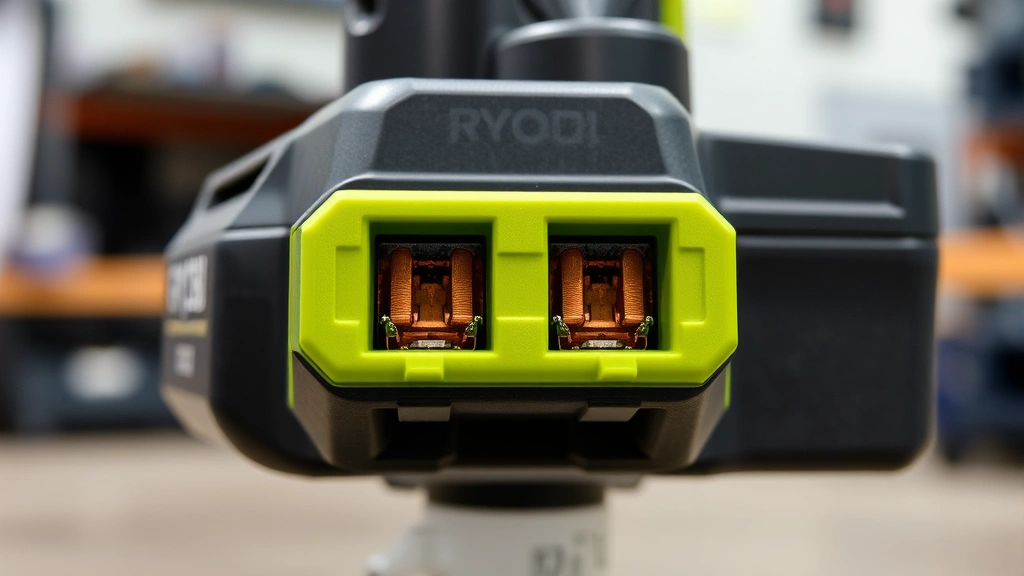
Charge Ryobi 40V Battery: Expert Methods Explained
The Ryobi 40V lithium-ion battery system has revolutionized cordless power tool performance for DIY enthusiasts and professional contractors alike. However, situations arise when you need to charge your battery without access to the standard charger. Whether your charger is damaged, lost, or simply unavailable, understanding alternative charging methods can keep your projects moving forward. This comprehensive guide explores safe, effective techniques for charging your Ryobi 40V battery using various methods while prioritizing safety and battery longevity.
Before attempting any non-standard charging method, it’s crucial to understand that Ryobi 40V batteries are sophisticated pieces of technology featuring built-in battery management systems. These systems protect against overcharging, overheating, and short circuits. Attempting improper charging methods can damage the battery permanently, create fire hazards, or result in personal injury. This guide provides expert-approved alternatives that respect your battery’s integrity while delivering reliable power.
Standard Ryobi 40V Charging Methods
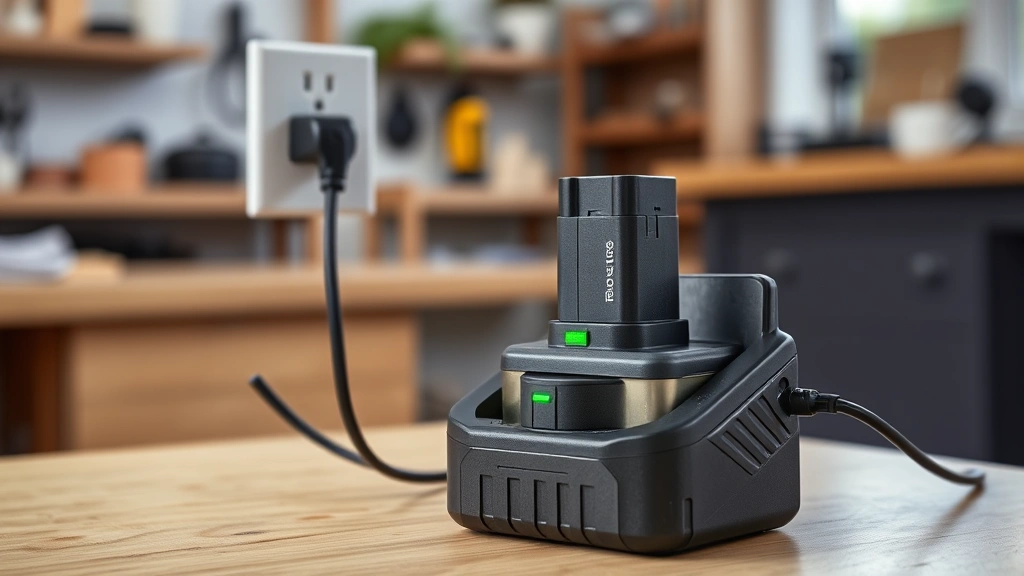
Ryobi provides several legitimate charging solutions designed specifically for their 40V battery platform. The standard approach uses Ryobi’s proprietary chargers, which communicate directly with your battery’s internal management system. The most common charger is the Ryobi 40V Charger (model BCL3620), which delivers a controlled charge cycle optimized for lithium-ion chemistry. This charger typically requires 30-90 minutes for a full charge, depending on battery capacity (measured in amp-hours or Ah).
The rapid charger option, such as the Ryobi 40V Rapid Charger, accelerates charging to 20-40 minutes for compatible batteries. These chargers feature intelligent circuitry that monitors voltage, current, and temperature throughout the charging process. When using the correct Ryobi charger, your battery receives proper conditioning that extends its lifespan and maintains optimal performance. The investment in an official charger typically costs $30-$60 and provides years of reliable service.
Ryobi also offers dual-port chargers capable of charging two batteries simultaneously. This feature proves invaluable for users with multiple tools or demanding project schedules. These chargers maintain separate charging circuits for each battery, ensuring neither device interferes with the other’s charge cycle. For those exploring how to charge power systems with proper equipment, understanding these baseline methods establishes the foundation for safe operation.
Alternative Charging Methods Without Standard Charger
When your standard charger isn’t available, several alternative methods exist, though each carries different risk levels. Understanding these options helps you make informed decisions based on your specific situation and available resources.
Universal Battery Chargers
Universal chargers designed for 40V lithium-ion batteries from multiple manufacturers represent the safest alternative to original equipment chargers. Brands like DeWalt, Milwaukee, and Makita produce universal chargers compatible with Ryobi 40V batteries when properly configured. These chargers typically cost $40-$80 and include multiple voltage settings and connector adapters. Before purchasing, verify the charger explicitly supports Ryobi 40V batteries and includes appropriate connectors. Universal chargers maintain the same safety protocols as manufacturer chargers, monitoring temperature and preventing overcharge conditions.
Power Supply Charging Method
For users with electrical knowledge, a regulated DC power supply offers controlled charging capability. This method requires a power supply rated for 40-50 volts DC with adjustable current limiting. The process involves connecting the positive and negative terminals directly to the battery’s charge contacts while monitoring voltage continuously. This approach demands extreme caution: improper polarity causes instant battery damage, and inadequate voltage regulation risks overheating. Only experienced users should attempt this method, and you must have a multimeter to monitor the charging process continuously. Stop immediately if the battery becomes warm to the touch or if voltage exceeds 50V.
Solar Charging Systems
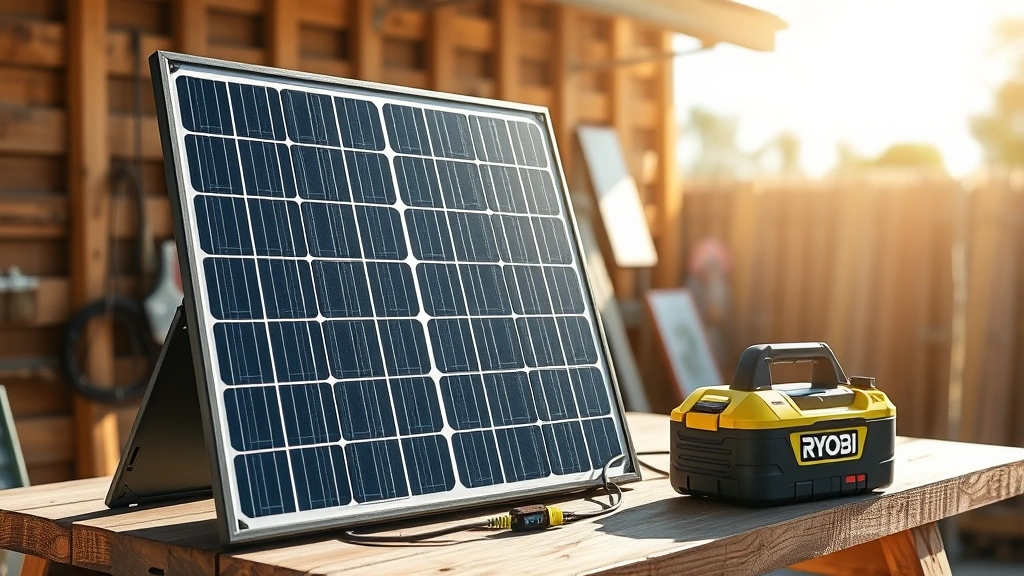
Portable solar chargers with 40V output capabilities provide renewable charging for extended outdoor projects. Solar charging systems suitable for Ryobi batteries typically feature built-in voltage regulation and cost $150-$400. These systems charge slowly compared to wall-powered chargers—expect 4-8 hours under optimal sunlight—but offer independence from electrical outlets. Solar chargers include battery management circuitry matching manufacturer specifications, making them a legitimate alternative. They work best in sunny climates and for users with flexible project timelines.
Parallel Battery Charging
If you have a fully charged Ryobi 40V battery available, you can use it to charge a depleted battery through a specialized parallel charging cable. These cables feature dual connectors allowing two batteries to share power until voltage equalizes. This method charges slowly and only partially restores the depleted battery but works in emergencies when no charger is accessible. The process typically takes 1-2 hours and brings a dead battery to approximately 50% capacity. Never leave batteries connected in parallel unattended, and disconnect immediately if either battery becomes warm.
Emergency Charging Solutions
True emergency situations may require unconventional approaches, though these carry higher risk and should only be used when standard methods are absolutely unavailable.
Vehicle Power Inverter Method
If you have access to a vehicle, a 120V AC power inverter connected to your car’s 12V electrical system can power a standard Ryobi charger. Modern power inverters rated for 500-1000 watts can safely operate battery chargers. This method works well during extended job sites or when working away from buildings with electrical access. Use heavy-gauge extension cords rated for outdoor use, and ensure the inverter connects to a vehicle with the engine running to prevent battery drain. This approach leverages existing infrastructure without requiring specialized equipment beyond the inverter itself.
Generator Charging
Portable generators produce 120V AC power suitable for operating Ryobi chargers even in remote locations. A small 2000-3000 watt generator operates a battery charger efficiently and costs $200-$400. Generators prove especially valuable for contractors working at job sites without electrical service. Run the generator in a well-ventilated area away from occupied spaces due to exhaust emissions. This method provides reliable charging anywhere but requires fuel and periodic maintenance of the generator equipment.
AC Power from RVs or Campers
If camping or traveling in an RV, the onboard 120V AC system powers your Ryobi charger directly. This represents perhaps the easiest emergency solution for users already equipped with RV facilities. Simply plug your charger into any standard outlet, and the battery charges normally. This method requires no special equipment or knowledge beyond standard charging procedures.
Critical Safety Protocols
Charging lithium-ion batteries improperly creates serious hazards including fire, explosion, and chemical burns. Implementing strict safety protocols protects your property, tools, and personal safety.
Temperature Monitoring: Lithium-ion batteries must remain below 113°F (45°C) during charging. If a battery becomes hot to the touch, immediately stop charging and allow it to cool for at least 30 minutes before resuming. Excessive heat damages internal chemistry and increases fire risk exponentially. Never charge batteries in direct sunlight or near heat sources.
Polarity Verification: When using non-standard charging methods, always verify correct polarity before making connections. Reversed polarity instantly destroys battery cells and creates fire hazards. Use a multimeter to confirm positive and negative terminals match your charging source. Take photographs of proper connections before disconnecting anything.
Voltage Compliance: Ryobi 40V batteries accept charging between 36-50 volts DC. Exceeding 50V damages internal cells irreparably. When using adjustable power supplies or unfamiliar chargers, set voltage to exactly 40V and verify with a multimeter before connecting the battery. Gradually increase current rather than applying full amperage immediately.
Charging Environment: Always charge in well-ventilated areas away from flammable materials, children, and pets. Maintain at least 3 feet of clearance around the battery during charging. Never charge near gasoline, paint thinner, or other combustible substances. Keep a Class C fire extinguisher rated for electrical fires within arm’s reach during any non-standard charging procedure.
Connector Inspection: Before charging, examine battery terminals and charger connectors for corrosion, damage, or debris. Clean corroded terminals with a dry cloth or pencil eraser. Damaged connectors prevent proper electrical contact and cause dangerous arcing. Never force connectors together; they should seat smoothly with minimal pressure.
Battery Maintenance for Longevity
Proper maintenance practices extend battery life regardless of charging method used. Ryobi 40V batteries typically last 3-5 years with appropriate care, though some users report 7+ year lifespans through diligent maintenance.
Storage Conditions: Store batteries in cool, dry locations between 32-77°F (0-25°C) with moderate humidity. Extreme temperatures degrade lithium-ion chemistry gradually over time. Never store fully charged or completely depleted. Optimal storage occurs at approximately 50% charge level. If storing for more than three months, recharge to 50% every 90 days to maintain internal chemistry balance.
Charge Frequency: Lithium-ion batteries suffer minimal degradation from frequent charging cycles. Charge your battery whenever convenient rather than waiting for complete depletion. Modern batteries perform better with frequent partial charges than with occasional full discharge-recharge cycles. Avoid deep discharges below 5% capacity whenever possible.
Cleaning and Protection: Keep battery terminals clean and dry. Wipe connectors monthly with a clean, dry cloth. Store batteries in protective cases or bags to prevent accidental contact with conductive materials. Avoid dropping batteries or subjecting them to physical impact, which damages internal cell structure and creates short-circuit risk.
For those managing multiple power tools, understanding DIY maintenance principles applies equally to battery system care and longevity.
Troubleshooting Common Charging Issues
Battery Won’t Charge: First, verify the charger connects properly to a working outlet by testing with a lamp. Inspect battery terminals for corrosion or damage using a magnifying glass. If terminals appear corroded, gently clean with a pencil eraser or fine sandpaper. Test with a different battery if available to isolate whether the problem involves the charger or battery. If a different battery charges normally, your original battery may require replacement.
Slow Charging: Slow charging often results from using an undersized charger or charging in cold environments. Ryobi standard chargers operate optimally between 50-85°F (10-29°C). If charging in cold weather, move the battery indoors for 30 minutes before charging. Verify you’re using the correct charger model for your battery capacity. A 1.3Ah battery charges faster than a 5.0Ah battery on the same charger.
Battery Gets Hot During Charging: Immediately disconnect the battery if it exceeds warm to the touch. Allow cooling for at least one hour before inspection. Overheating indicates potential internal damage or short circuits requiring professional assessment. Never resume charging a battery that overheats. Contact Ryobi customer service or visit an authorized dealer for evaluation.
Charger Indicator Light Issues: Different colored lights indicate specific conditions. Red typically indicates charging in progress, green indicates complete charge, and blinking red signals an error condition. Consult your charger manual for the specific light sequence for your model. If error lights persist, try charging a different battery to determine if the problem involves the charger or the battery.
FAQ
Can I use a DeWalt charger for my Ryobi 40V battery?
Standard DeWalt chargers designed for DeWalt 20V batteries won’t work with Ryobi 40V batteries due to voltage incompatibility. However, some universal chargers accommodate multiple brands and voltages. Always verify compatibility before attempting to use a non-Ryobi charger. Check the charger specifications for explicit mention of Ryobi 40V support.
How long does a Ryobi 40V battery hold a charge?
Ryobi 40V lithium-ion batteries maintain approximately 80% charge after six months of storage in ideal conditions. In warm environments or with improper storage, discharge occurs faster. For long-term storage exceeding three months, store at approximately 50% charge in a cool, dry location. Recharge every 90 days to maintain internal chemistry balance.
Is it safe to charge a Ryobi battery overnight?
Charging overnight with an official Ryobi charger is safe because the charger includes automatic shutoff when the battery reaches full capacity. The charger then maintains a trickle charge or disconnects entirely, preventing overcharging. However, leaving batteries connected to non-standard charging methods overnight increases risk. Always monitor non-standard charging methods actively and disconnect as soon as charging completes.
What should I do if my Ryobi battery puffs up or swells?
Battery swelling indicates internal damage or gas generation from chemical reactions. This represents a serious fire hazard requiring immediate action. Disconnect the battery from any charger immediately. Move the battery outdoors away from buildings and flammable materials. Do not attempt to use the battery. Contact Ryobi customer service for replacement options. Swollen batteries often qualify for warranty replacement even if outside the standard warranty period.
Can I charge a Ryobi 40V battery with a 12V car charger?
No, a 12V car charger cannot safely charge a 40V battery. The voltage mismatch prevents proper charging and risks damaging both the charger and battery. Always use chargers rated for your specific battery voltage. Using incorrect voltage chargers voids warranties and creates safety hazards.
How do I know when my Ryobi battery needs replacement?
Replace your battery when it no longer holds sufficient charge to complete typical tasks or when it fails to charge despite proper charger operation. Most Ryobi batteries provide 3-5 years of reliable service. If a battery is more than five years old and shows diminished performance, replacement often proves more economical than troubleshooting. Ryobi offers budget-friendly replacement batteries ranging from $30-$100 depending on capacity.
Are aftermarket Ryobi 40V batteries compatible with official chargers?
Quality aftermarket batteries designed for Ryobi compatibility typically work with official chargers, though performance may vary. Verify the aftermarket battery explicitly states Ryobi 40V compatibility. Budget brands may lack proper battery management systems, creating safety risks. Purchase aftermarket batteries only from reputable suppliers with positive reviews. When in doubt, stick with official Ryobi batteries to ensure compatibility and safety.
What’s the difference between a standard and rapid Ryobi charger?
Standard Ryobi chargers (BCL3620) typically charge 40V batteries in 30-90 minutes depending on capacity. Rapid chargers reduce charging time to 20-40 minutes by delivering higher current. Both chargers include identical safety features and battery protection circuits. Rapid chargers cost $10-$20 more but prove valuable for users with demanding project schedules. Both charger types maintain battery longevity equally well.


