
How to Clean a Diamond Ring: Professional Jeweler’s Tips for Sparkling Brilliance
Your diamond ring is one of your most treasured possessions, and keeping it brilliantly clean is essential for maintaining its sparkle and longevity. Over time, everyday wear exposes your ring to oils, lotions, dust, and residue that dulls its radiance. The good news? You don’t always need to visit a professional jeweler to restore your ring’s shine. With the right techniques and materials, you can safely clean your diamond ring at home using methods that jewelers themselves recommend.
Diamond rings require gentle care and specific cleaning approaches depending on their setting, metal type, and any accompanying gemstones. Whether your ring features a solitaire diamond, a halo setting, or vintage detailing, understanding the proper cleaning methods will help you preserve its beauty for generations to come. This comprehensive guide walks you through professional-grade cleaning techniques that are both effective and safe for your precious jewelry.
Why Regular Cleaning Matters for Your Diamond Ring
Diamond rings accumulate buildup from daily activities, and this accumulation significantly impacts their appearance. When oils from your skin coat the diamond’s surface, light cannot refract properly through the stone, making it appear dull and lifeless. Regular cleaning restores the diamond’s ability to reflect and refract light, bringing back that coveted sparkle that first attracted you to the ring.
Beyond aesthetics, routine cleaning helps you identify potential issues with your ring’s setting. During cleaning sessions, you can inspect the prongs, band, and stone for any signs of loosening, wear, or damage. Catching these problems early prevents more serious damage and expensive repairs down the line. Additionally, cleaning removes harsh substances that might accumulate in crevices, including salt, chlorine, and chemicals that can gradually corrode metals or damage delicate settings.
Most jewelers recommend cleaning your diamond ring at least once every two weeks for daily-wear pieces. If you wear your ring constantly, weekly cleaning ensures optimal brilliance. For rings worn occasionally, monthly cleaning suffices. This routine maintenance is far easier and more effective than attempting to restore a heavily neglected ring.

Essential Supplies You’ll Need
Before beginning any cleaning process, gather the necessary materials. Having everything prepared prevents rushing through the process and reduces the risk of accidents. Here’s what professional jewelers recommend keeping on hand:
- Mild dish soap: Use a gentle, fragrance-free formula without abrasive additives. Avoid antibacterial soaps, which contain harsher chemicals.
- Lukewarm water: Never use hot water, which can damage certain gemstones and loosen settings. Room temperature to slightly warm water works best.
- Soft-bristled brush: A dedicated jewelry brush or soft toothbrush reaches into crevices without scratching the diamond or metal. Avoid stiff brushes that might damage delicate settings.
- Lint-free cloth: Microfiber cloths are ideal for drying and polishing without leaving residue. Regular towels leave fibers behind.
- Small bowl or cup: Use a dedicated vessel for jewelry cleaning rather than your kitchen sink, which might have residue or chemicals.
- Optional: jewelry cleaner: Commercial cleaners designed specifically for diamonds are effective, though the soap-and-water method works just as well for routine cleaning.
When gathering supplies for cleaning household items, remember that jewelry requires specialized care distinct from other surfaces. Never use the same brushes or cloths you use for other cleaning projects, as they may contain debris or chemicals unsuitable for precious metals.
The Warm Water and Soap Method: Step-by-Step
The simplest and most effective home cleaning method for diamond rings is the warm water and mild soap approach. This technique works beautifully for diamonds set in gold, platinum, and silver, and safely cleans most secondary gemstones as well.
Step 1: Prepare Your Cleaning Solution
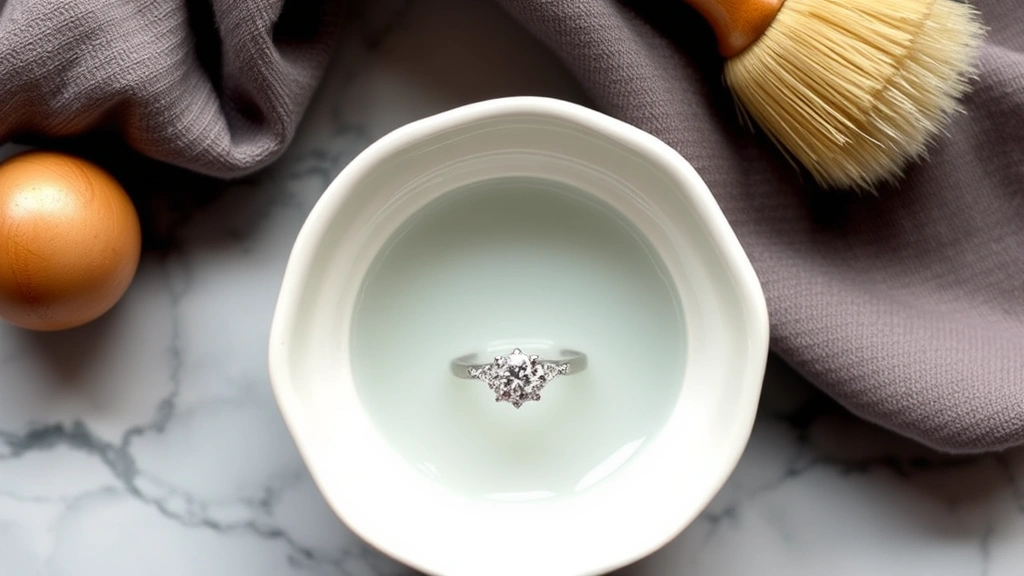
Fill your small bowl with lukewarm water—approximately the temperature you’d use to wash your hands comfortably. Add two to three drops of mild dish soap and gently stir to combine. The solution should be slightly soapy but not heavily foamed. Avoid creating excessive bubbles, which make it difficult to see your ring clearly during cleaning.
Step 2: Soak Your Ring
Place your diamond ring in the soapy solution and let it soak for fifteen to twenty minutes. This soaking period allows the warm water and soap to penetrate crevices and loosen stubborn buildup. The gentle heat helps dissolve oils without requiring aggressive scrubbing that might damage delicate settings.
Step 3: Gentle Brushing
After soaking, use your soft-bristled brush to gently scrub all surfaces of the ring. Pay special attention to the underside of the diamond and around the prongs, where debris accumulates most readily. Use gentle circular motions rather than vigorous scrubbing. The goal is to dislodge buildup, not to aggressively scour the surface.
Step 4: Rinse Thoroughly
Hold your ring under gently flowing lukewarm water, allowing the clean water to rinse away soap residue and loosened particles. Ensure you rinse from all angles to eliminate soap from crevices and under the stone. Incomplete rinsing leaves a film that dulls the diamond’s brilliance.
Step 5: Dry Completely
Pat your ring dry with a lint-free microfiber cloth, removing all moisture. Avoid air-drying, which can leave water spots. Gently polish the diamond with the cloth, using soft strokes to enhance its shine and remove any remaining residue.
Ultrasonic Cleaning: When and How
Ultrasonic jewelry cleaners use high-frequency sound waves to dislodge dirt and buildup from jewelry surfaces. These devices are remarkably effective for diamond rings and can be purchased affordably for home use. However, ultrasonic cleaning requires careful consideration of your specific ring’s characteristics.
Understanding How Ultrasonic Cleaners Work
Ultrasonic devices create microscopic vibrations that create tiny bubbles in cleaning solution. These bubbles collapse against jewelry surfaces, loosening stubborn debris without physical contact. This method is gentler than manual scrubbing for certain applications but poses risks for some ring types.
When Ultrasonic Cleaning Is Safe
Ultrasonic cleaning works well for solitaire diamonds in sturdy settings, diamonds with modern secure prongs, and rings without delicate filigree or intricate detailing. Diamonds themselves are extremely durable and withstand ultrasonic vibrations without damage. However, the vibrations can loosen prongs in older settings or damage fragile metalwork.
When to Avoid Ultrasonic Cleaning
Never use ultrasonic cleaners on vintage or antique rings with potentially loose settings. Similarly, avoid this method if your ring contains any secondary gemstones, including sapphires, rubies, or emeralds, which can be damaged by intense vibration. Rings with delicate settings, intricate detailing, or loose components should never enter an ultrasonic cleaner.
Using an Ultrasonic Cleaner Safely
If your ring is appropriate for ultrasonic cleaning, follow the device’s instructions carefully. Typically, you’ll fill the chamber with specialized ultrasonic cleaning solution, place your ring in the basket, and run the cycle for five to ten minutes. Never leave your ring unattended during operation. After cleaning, remove the ring and rinse it thoroughly under lukewarm running water, then dry completely with a lint-free cloth.
What to Avoid: Common Cleaning Mistakes
Understanding what not to do is just as important as knowing proper cleaning methods. Many people inadvertently damage their diamond rings through well-intentioned but incorrect cleaning approaches.
- Avoid extreme temperatures: Hot water can loosen settings and potentially damage some metals. Cold water doesn’t clean effectively. Lukewarm water is always your best choice.
- Never use harsh chemicals: Bleach, chlorine, ammonia, and acetone damage both diamonds and metals. These chemicals are never appropriate for jewelry cleaning.
- Skip abrasive materials: Scouring pads, rough cloths, and stiff brushes scratch metal and can damage delicate settings. Always use soft materials.
- Avoid ultrasonic cleaners for vintage rings: Older settings lack modern security, and ultrasonic vibrations can loosen prongs or damage intricate metalwork.
- Don’t clean over open drains: A slippery ring can easily fall down a drain. Always clean your ring over a sink with the drain covered or in a small bowl.
- Never use toothpaste: Despite common recommendations, toothpaste is abrasive and can scratch both diamond and metal surfaces permanently.
- Avoid excessive soap: Too much soap leaves residue and creates a cloudy appearance. A small amount is sufficient.
When considering home care for precious items, think of jewelry maintenance similarly to how you’d approach gentle cleaning methods for delicate appliances—using appropriate solutions and tools prevents damage.
Long-Term Maintenance Tips for Diamond Brilliance
Beyond regular cleaning, several practices help maintain your diamond ring’s beauty and structural integrity for decades.
Develop Safe Wearing Habits
Remove your ring during activities that expose it to harsh conditions. Swimming in chlorinated pools, showering with harsh soaps, and engaging in physical activities increase exposure to damaging substances and increase risk of loss or damage. Remove your ring before applying lotions, makeup, or perfume, which create buildup on the surface. Store your ring in a dedicated jewelry box or soft pouch when not wearing it, protecting it from dust and accidental damage.
Inspect Your Ring Regularly
During your cleaning sessions, examine the setting carefully. Look for signs of loose prongs, which might appear as movement when you gently wiggle the stone. Check the band for cracks or stress marks, particularly in the area where the setting connects to the band. If you notice any issues, schedule a professional inspection immediately. Early intervention prevents catastrophic damage that could result in stone loss.
Professional Cleaning and Inspection
While home cleaning works beautifully for routine maintenance, professional jewelers have specialized equipment and expertise that reveals issues invisible to the naked eye. Schedule professional cleaning and inspection annually, or more frequently if you wear your ring daily. Professional jewelers can also perform repairs, resize bands, and reset loose stones before problems become severe.
Protect Your Ring During Work
If your profession involves frequent hand use, consider removing your ring during work hours. Exposure to chemicals, extreme temperatures, or physical impact can damage even the most durable diamonds. Construction work, gardening, cleaning, and healthcare professions all pose risks to jewelry.
When to Seek Professional Help
Certain situations require professional jeweler attention rather than home cleaning. Understanding when to seek expert help protects your valuable investment.
Visit a professional jeweler if your ring features loose prongs, visible damage to the setting, or if the stone moves within its setting. Professional jewelers have tools to tighten prongs safely without damaging the diamond. Similarly, if your ring contains secondary gemstones that appear damaged, dull, or discolored despite proper cleaning, professional assessment identifies underlying issues.
Antique and vintage rings often require specialized care that home cleaning cannot provide. The metal might be delicate, settings might be non-standard, and structural integrity might be compromised by age. Professional jewelers experienced with vintage pieces understand these unique needs and can clean your ring safely while preserving its historical value.
If you’re uncertain whether your ring is appropriate for ultrasonic cleaning, home cleaning, or requires professional attention, consult a jeweler before attempting any cleaning method. A brief consultation clarifies the best approach for your specific ring and prevents costly mistakes.
For guidance on general building and home improvement projects, visit the DIY Nests Hub Blog, which covers numerous home maintenance topics alongside jewelry care considerations.
Frequently Asked Questions
How often should I clean my diamond ring?
For daily-wear rings, clean them weekly or bi-weekly to maintain optimal brilliance. Rings worn occasionally need monthly cleaning. More frequent cleaning is appropriate if you notice visible dulling or buildup.
Can I use vinegar to clean my diamond ring?
While vinegar is effective for cleaning certain appliances with vinegar, it’s not ideal for diamond rings. The acidity can damage certain metals and settings over time. Stick with mild dish soap and water for consistent, safe results.
Is it safe to clean my ring in the bathroom sink?
Bathroom sinks pose risks because rings can slip down drains easily. Always clean your ring in a small bowl or cup, or cover the drain completely if using a sink. Better yet, establish a dedicated cleaning station to prevent accidents.
What should I do if my diamond looks cloudy after cleaning?
Cloudiness usually indicates incomplete rinsing or soap residue. Re-clean your ring, ensuring thorough rinsing under running water. If cloudiness persists after proper cleaning, consult a professional jeweler, as internal damage might be present.
Can I use commercial jewelry cleaner instead of soap and water?
Yes, commercial jewelry cleaners designed for diamonds are safe and effective. However, they’re not necessary for routine cleaning. Mild soap and water work just as well and cost less. Reserve commercial cleaners for stubborn buildup.
How do I know if my ring’s prongs are loose?
Gently hold your ring and carefully wiggle the diamond. If it moves or shifts, prongs are likely loose. Stop wearing the ring and visit a jeweler immediately to prevent stone loss.
Should I remove my ring before bed?
Removing your ring before bed is wise for several reasons. It reduces exposure to harsh nighttime moisturizers and prevents accidental damage while sleeping. Storing your ring safely overnight also minimizes the risk of loss.
What’s the difference between diamond and diamond-like stones when cleaning?
Diamonds are extremely durable and withstand aggressive cleaning better than diamond-like alternatives such as cubic zirconia or moissanite. However, all gemstones benefit from gentle cleaning methods. When in doubt, use the mild soap and water approach for any gemstone.


