
How to Clean a Gum Shield: Dentist-Recommended Tips for Optimal Oral Health
A gum shield, also known as a mouth guard or dental guard, is a critical protective device for athletes, night grinders, and individuals undergoing orthodontic treatment. However, many people overlook the importance of proper gum shield maintenance, which can lead to bacterial buildup, unpleasant odors, and potential oral health complications. Just as you would maintain other essential household items using DIY maintenance techniques, your gum shield requires consistent, proper cleaning to ensure longevity and effectiveness.
Dental professionals emphasize that a clean gum shield isn’t merely about aesthetics—it’s about protecting your oral cavity from harmful microorganisms that thrive in moist environments. Whether you’re an athlete protecting your teeth during contact sports or someone managing sleep-related grinding, understanding the correct cleaning methods will extend your gum shield’s lifespan and maintain your dental health. This comprehensive guide provides dentist-approved strategies for keeping your gum shield in pristine condition.
Understanding Your Gum Shield
Before diving into cleaning methods, it’s essential to understand what your gum shield is made of and why proper care matters. Most gum shields are constructed from thermoplastic materials, acrylic, or silicone compounds that are designed to be flexible yet durable. These materials are porous at the microscopic level, meaning they can harbor bacteria, fungi, and plaque if not cleaned properly.
According to the American Dental Association, gum shields require daily cleaning to prevent the accumulation of harmful oral bacteria. The warm, moist environment inside your mouth creates the perfect breeding ground for microorganisms, and your gum shield absorbs saliva and oral bacteria throughout the day. This is why establishing a consistent cleaning routine is as important as regular brushing and flossing.
Different types of gum shields may require slightly different care approaches. Custom-fitted shields from your dentist tend to be more durable and may tolerate more aggressive cleaning methods, while over-the-counter boil-and-bite shields require gentler handling to prevent warping or damage.

Daily Cleaning Routine
Your daily cleaning routine should happen immediately after removing your gum shield. The longer you wait to clean it, the more bacteria will colonize the surface and penetrate the material’s porous structure. Here’s the recommended daily cleaning process:
- Rinse with cool water: Begin by rinsing your gum shield under cool, running water. Use your fingers to gently rub the surface while rinsing to dislodge loose debris and food particles. Never use hot water, as this can warp thermoplastic materials.
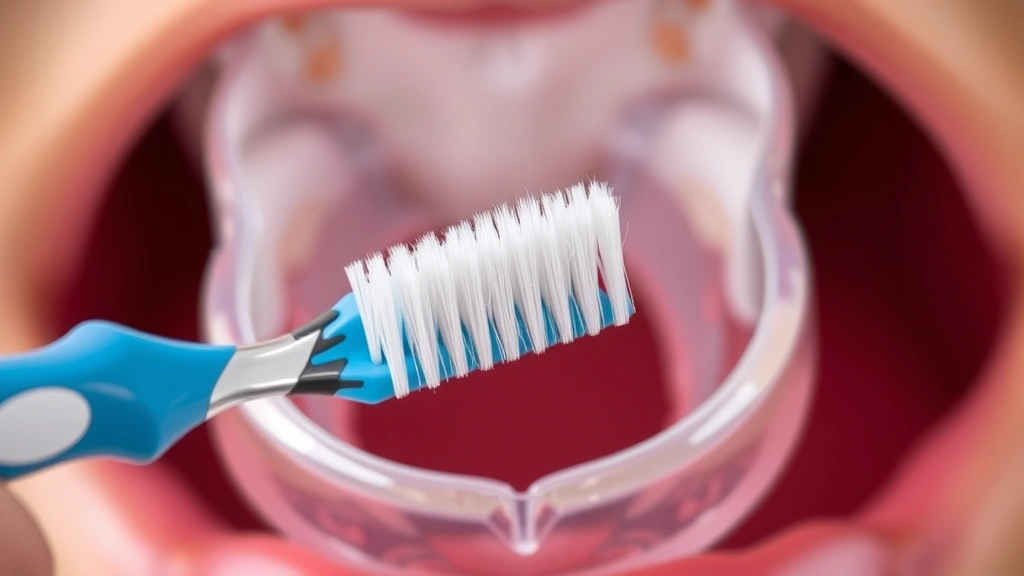
- Brush gently: Use a soft-bristled toothbrush—similar to what you’d use for sensitive teeth—and brush both the inner and outer surfaces of the gum shield. Apply gentle pressure to avoid damaging the material. Consider using a dedicated brush rather than the same one you use for your teeth to prevent cross-contamination.
- Use mild soap: Apply a small amount of mild dish soap or specialized gum shield cleaning solution to your brush. Avoid toothpaste, as the abrasive compounds can scratch and damage the shield’s surface over time. Many dentists recommend antimicrobial solutions specifically formulated for oral appliances.
- Rinse thoroughly: Rinse completely under cool running water until all soap residue is gone. Any remaining soap can irritate your gums and create an unpleasant taste.
- Pat dry: Use a clean, lint-free cloth to pat the shield dry. This prevents water spots and reduces the environment where bacteria can thrive in residual moisture.
This routine should be performed every morning after wearing your shield overnight and every evening after daytime use. The consistency of this habit is what separates effective shield maintenance from mediocre care.
Deep Cleaning Methods
While daily cleaning maintains basic hygiene, periodic deep cleaning removes stubborn buildup that regular brushing might miss. Dentists recommend deep cleaning your gum shield at least once per week, and more frequently if you notice discoloration, odor, or visible buildup.
Vinegar Soak Method: This approach mirrors the principles found in cleaning other household items with vinegar. Create a solution of equal parts white vinegar and cool water. Submerge your gum shield for 15-30 minutes. The acidity of vinegar helps dissolve mineral deposits and kills bacteria without harsh chemicals. After soaking, brush gently with your soft-bristled brush and rinse thoroughly.
Baking Soda Paste: Mix baking soda with a small amount of water to create a paste. Apply this paste to your gum shield and gently scrub with a soft brush. Baking soda is mildly abrasive and acts as a natural deodorizer, effectively removing stubborn stains and odors. Rinse completely when finished.
Denture Cleaner Tablets: Many dentists recommend using denture cleaning tablets, which are formulated to clean dental appliances safely. Dissolve a tablet in cool water according to package directions and soak your gum shield for the recommended time, typically 15-30 minutes. These solutions contain enzymes and mild bleaching agents that effectively eliminate bacteria and discoloration.
Hydrogen Peroxide Soak: A 3% hydrogen peroxide solution (the standard drugstore variety) can effectively disinfect your gum shield. Soak it for 30 minutes, then brush gently and rinse thoroughly. This method is particularly effective for combating odor-causing bacteria, though it should not be used more than twice weekly as it can gradually weaken some materials.
Never use bleach, alcohol-based mouthwash, or boiling water on your gum shield, as these can damage the material, cause discoloration, or create toxic residues that could harm your oral tissues.
Storage and Maintenance
How you store your gum shield between uses significantly impacts its longevity and effectiveness. Always store your shield in a ventilated container specifically designed for dental appliances. A closed, airtight container traps moisture and promotes bacterial and fungal growth, potentially causing infections or persistent odors.
Keep your gum shield in a cool, dry location away from direct sunlight. Excessive heat can warp thermoplastic materials, while UV exposure can degrade the material and cause discoloration. Many dentists suggest storing your shield in the bathroom medicine cabinet or a designated drawer, ensuring it’s away from pets and children.
Include a desiccant packet or moisture-absorbing material in your storage container to reduce humidity. This is particularly important if you live in a climate with high humidity or if you notice moisture accumulating in your storage case. Think of this approach similarly to how you might maintain other household items using proper preventive maintenance strategies.
Inspect your gum shield regularly for signs of wear, cracks, or permanent deformation. Even small cracks can harbor bacteria in their crevices, making the shield less effective and harder to clean. If you notice any damage, consult your dentist about replacement or repair options.
Common Mistakes to Avoid
Understanding what not to do is equally important as knowing proper cleaning techniques. Many people inadvertently damage their gum shields through common mistakes:
- Using hot water: This is the most common error. Hot water warps thermoplastic materials, compromising the shield’s fit and protective capabilities.
- Aggressive brushing: Scrubbing hard with a stiff brush can scratch the surface, creating microscopic crevices where bacteria hide. Always use gentle, circular motions with soft bristles.
- Leaving it wet: Storing a damp gum shield promotes mold and mildew growth. Always ensure it’s completely dry before storage.
- Using toothpaste: The abrasive ingredients in toothpaste gradually scratch and dull your shield’s surface, making it less effective and less aesthetically pleasing.
- Exposing to chemicals: Avoid contact with perfumes, colognes, or cleaning chemicals. These can degrade the material and create toxic residues.
- Neglecting daily cleaning: Skipping even one day allows bacteria to establish stronger colonies, making deeper cleaning necessary later.
- Sharing your shield: Never allow others to wear your gum shield, as this transfers oral bacteria and can introduce infections.
When to Replace Your Gum Shield
Even with perfect care, gum shields have a limited lifespan. Most custom-fitted shields last 3-5 years, while over-the-counter options typically last 1-2 years. Several signs indicate it’s time for replacement:
If your shield has developed permanent cracks, deep scratches, or visible damage, replacement is necessary. A compromised shield cannot protect your teeth effectively and may harbor bacteria in the damaged areas. Similarly, if your shield no longer fits properly—either because your mouth has changed or the material has warped—it’s time to see your dentist.
Persistent odors that don’t improve with deep cleaning, visible mold or mildew growth, or permanent discoloration that affects your confidence are also indicators for replacement. Additionally, if you’ve had orthodontic work or dental changes, your shield may no longer provide proper coverage.
Consult your dentist about replacement timing. They can assess your shield’s condition and recommend whether repair or replacement is appropriate. This is similar to knowing when to replace other household items—proper maintenance extends life, but eventually replacement becomes necessary.
FAQ
How often should I clean my gum shield?
Daily cleaning is essential after every use. Deep cleaning should occur at least once weekly, and more frequently if you notice buildup, discoloration, or odor.
Can I use my regular toothbrush to clean my gum shield?
While possible, it’s better to use a separate soft-bristled brush dedicated to your shield. This prevents cross-contamination and allows you to use a brush specifically suited to the delicate material.
Is it safe to soak my gum shield overnight?
Yes, overnight soaking in a denture cleaning solution or diluted vinegar is safe and beneficial. Just ensure the container is ventilated to prevent bacterial growth from trapped moisture.
What should I do if my gum shield develops an odor?
Try a hydrogen peroxide soak or baking soda paste first. If the odor persists, consult your dentist, as it may indicate bacterial or fungal contamination requiring professional cleaning or replacement.
Can I use mouthwash to clean my gum shield?
Alcohol-based mouthwash can damage thermoplastic materials. Instead, use water-based solutions or denture cleaning tablets formulated for dental appliances.
How do I prevent my gum shield from warping?
Avoid hot water, direct sunlight, and heat sources. Store in a cool, ventilated location. Never leave your shield in a hot car or near heating vents.
Is professional cleaning necessary?
Regular professional cleaning isn’t necessary if you maintain a consistent home cleaning routine. However, your dentist can perform deep cleaning if buildup becomes severe, typically during your regular dental checkups.


