
How to Clean Armpit Stains: Expert Laundry Tips for Stubborn Underarm Marks
Armpit stains are one of the most frustrating laundry challenges homeowners face. Whether you’re dealing with yellow discoloration from antiperspirant buildup, sweat residue, or deodorant reactions, these stubborn marks can ruin your favorite shirts and undergarments. The good news is that with the right techniques and household products, you can effectively remove armpit stains and restore your clothing to its original condition.
Understanding what causes these stains is the first step toward prevention and removal. Armpit stains typically result from a combination of sweat, skin oils, and chemical reactions with aluminum compounds found in antiperspirants. When these substances interact with fabric fibers, they create stubborn discoloration that standard washing often fails to eliminate. This comprehensive guide will walk you through proven methods to tackle armpit stains, from immediate treatment strategies to deep-cleaning solutions for set-in marks.
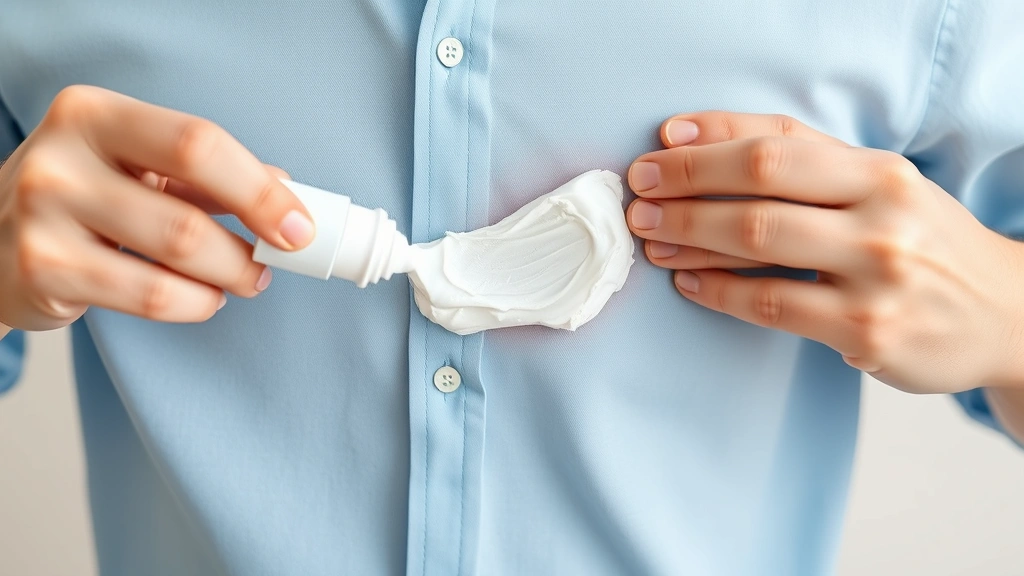
Understanding Armpit Stain Causes
Armpit stains develop through a complex chemical process involving multiple factors. The primary culprit is aluminum compounds found in most antiperspirants, which interact with sweat proteins and create yellow or brownish discoloration. This reaction is particularly pronounced in fabrics like cotton and cotton-blend materials, which absorb moisture readily and trap these compounds within their fibers.
The human body naturally secretes approximately one liter of sweat daily, and the underarm area is one of the most active sweat-producing zones. When combined with skin oils and bacteria naturally present on the body, this sweat creates an acidic environment that can set stains permanently if left untreated. Understanding this chemistry helps explain why some removal methods work better than others and why prevention is crucial for maintaining your wardrobe.
Different fabric types respond differently to armpit stains. Synthetic fabrics like polyester and nylon tend to resist staining better than natural fibers, though they’re not immune. White and light-colored garments show stains more obviously, but the discoloration occurs equally on dark fabrics—it’s simply less visible. The longer a stain sits untreated, the more permanent it becomes as the compounds bond with fabric fibers at a molecular level.

Immediate Treatment Methods
The moment you notice an armpit stain, immediate action dramatically increases your chances of complete removal. Fresh stains respond best to quick intervention, ideally within 24 hours of the staining event. Start by gently scraping away any solid residue using a soft-bristled brush or cloth—avoid aggressive scrubbing that could damage fabric fibers or push stain compounds deeper into the material.
For immediate treatment, apply a small amount of cold water to the stained area and gently work it in with your fingers or a soft cloth. Cold water is essential because hot water can set protein-based stains permanently. Once you’ve dampened the area, apply your chosen stain remover (see treatment solutions below) and let it sit for 15-30 minutes before washing. This waiting period allows the treatment solution to penetrate fabric fibers and break down the stain compounds.
Never place a stained garment in the dryer until you’ve confirmed the stain is completely gone. Heat from the dryer will permanently set any remaining stain marks, making them nearly impossible to remove afterward. Instead, air-dry the garment and inspect it carefully under natural light before considering the stain removal complete. If any discoloration remains, repeat the treatment process before drying.
Pre-Treatment Solutions for Fresh Stains
Several effective pre-treatment options exist for fresh armpit stains, each with specific advantages depending on your fabric type and available materials. Oxygen-based bleach (like OxiClean) works exceptionally well on protein-based stains without damaging most fabrics. Mix the powder with cold water to create a paste, apply it directly to the stain, and allow it to sit for 30 minutes to several hours before washing normally.
Enzyme-based laundry detergents specifically designed to break down protein stains are another excellent option. These products contain natural enzymes that digest sweat proteins and other organic compounds. Apply the concentrated detergent directly to damp stains, gently rub it in, and let it work for 15-30 minutes before washing. Enzyme treatments are particularly effective on cotton and cotton-blend fabrics.
For a simple household solution, white vinegar provides surprising effectiveness. Mix equal parts white vinegar and water, apply the solution to the stain, and let it sit for 30 minutes. The acidity helps break down sweat compounds and antiperspirant residue. Follow with normal washing in cold water. This method works best on fresh stains and is safe for most fabrics, though you may want to test it on an inconspicuous area first.
Hydrogen peroxide (3% solution) offers another accessible option, particularly effective on white fabrics. Apply the peroxide directly to the stain, allow it to bubble for 10-15 minutes, then rinse thoroughly with cold water and wash normally. The oxidizing action helps break down stain compounds, though this method may slightly bleach colored fabrics, so test first on hidden areas.
Baking soda paste combines two tablespoons of baking soda with three tablespoons of water to create a thick paste. Apply this directly to the stain, gently work it into the fabric, and let it dry completely—typically 2-3 hours. Once dry, brush away the paste and wash the garment in cold water. This gentle method works well on delicate fabrics and colored materials.
Deep Cleaning Techniques for Set-In Stains
Set-in stains require more aggressive treatment strategies since the compounds have bonded more thoroughly with fabric fibers. These stains may have survived previous washing attempts, making them particularly stubborn. Oxygen bleach soaking is often your best first approach for established stains. Dissolve oxygen bleach in cold water according to package directions and submerge the entire garment for 4-8 hours or overnight. This extended soaking allows the bleach to penetrate deeply and break down even stubborn stain compounds.
For particularly resistant stains, create a stronger treatment by combining hydrogen peroxide, baking soda, and a small amount of dish soap into a paste. Apply this mixture directly to the stain and cover with plastic wrap to prevent it from drying out. Leave this treatment in place for 6-12 hours, then rinse thoroughly and wash normally. The combination of oxidizing and abrasive action works synergistically to break down stubborn discoloration.
Another effective deep-cleaning method involves ammonia-based solutions, though this requires careful handling and proper ventilation. Mix one tablespoon of clear ammonia with one cup of water, apply to the stain, and let sit for 5-10 minutes before rinsing thoroughly. Never mix ammonia with bleach or other chemical cleaners, as this creates toxic fumes. This method works particularly well on protein-based stains but should be tested on colored fabrics first.
Professional-grade stain removers containing enzymes and surfactants offer another option for set-in stains. Products specifically formulated for protein stains often outperform general-purpose stain removers. Follow product instructions carefully, as some require specific water temperatures or soaking times. Many of these products can be applied directly to dry stains and worked in gently before washing.
If you’ve attempted multiple removal methods without success, consider whether the stain has truly set permanently or if you need a different approach. Sometimes switching between different treatment methods—using oxygen bleach followed by enzyme treatment, for example—proves more effective than repeating the same method multiple times.
Natural and Eco-Friendly Approaches
Homeowners increasingly seek environmentally responsible stain removal methods that avoid harsh chemicals. Natural approaches often prove surprisingly effective, particularly when combined with patience and proper technique. Lemon juice provides natural bleaching properties due to its citric acid content. Mix fresh lemon juice with salt to create a paste, apply to the stain, and allow the garment to dry in sunlight. The combination of acid and sunlight naturally bleaches discoloration. This method works particularly well on white fabrics.
Vinegar solutions offer an eco-friendly alternative to commercial stain removers. Beyond the simple vinegar-and-water mixture mentioned earlier, you can create a stronger solution by heating vinegar gently and applying it to stains while still warm (but not hot). The warmth helps the acid penetrate fabric fibers more effectively. This method is safe for most fabrics and leaves no harmful residue.
Salt acts as a natural abrasive and can be combined with vinegar or lemon juice to create gentle yet effective stain-fighting pastes. The abrasive action helps lift stain compounds from fabric surfaces without damaging fibers. This approach works well on sturdy fabrics like cotton but should be used gently on delicate materials.
Sunlight exposure provides natural bleaching action that complements other treatment methods. After applying any stain treatment solution, hang the garment in direct sunlight to dry. UV rays naturally break down many stain compounds, particularly those causing yellow discoloration. This free, chemical-free approach works best on white and light-colored fabrics and can be repeated multiple times without damaging clothing.
For those interested in a comprehensive approach to home cleaning, understanding natural stain removal extends to other household cleaning challenges. The same principles of using acids, abrasives, and oxidation apply across different cleaning scenarios.
Professional Cleaning Considerations
Sometimes professional dry cleaning becomes necessary, particularly for expensive garments or stubborn stains that resist home treatment. Professional dry cleaners have access to specialized solvents and equipment unavailable to consumers. They can often remove stains that home methods cannot address, particularly on delicate fabrics where aggressive treatment risks damage.
When taking garments to professional cleaners, always inform them about the stain type and any home treatment attempts you’ve already made. This information helps them select appropriate solvents and techniques. Be honest about whether the stain is fresh or set-in, as this affects their treatment approach. Professional pre-treatment may cost extra but significantly increases removal success rates.
The cost of professional cleaning should be weighed against the garment’s value. For expensive suits, designer clothing, or irreplaceable items, professional treatment is worthwhile. For basic t-shirts or inexpensive garments, home treatment methods are usually more economical. Consider the replacement cost when deciding whether professional cleaning justifies the expense.
Prevention Strategies
Preventing armpit stains proves far easier than removing them, making preventive measures essential for maintaining your wardrobe. Antiperspirant application timing significantly impacts staining. Apply antiperspirant before bed when sweating is minimal, allowing it to fully absorb into skin before wearing clothing. Morning application often leads to excess residue that stains fabric. Some people find switching to antiperspirant-only products (without deodorant) reduces staining compared to combination products.
Choosing appropriate fabric types helps minimize staining risk. Synthetic fabrics like polyester and nylon resist armpit stains better than pure cotton. Blended fabrics combining synthetic and natural fibers offer a compromise between comfort and stain resistance. Dark colors hide stains better than white or light colors, though this is purely aesthetic—the staining still occurs on dark fabrics.
Regular washing prevents stain accumulation and makes removal easier. Don’t let sweaty clothing sit in hampers for extended periods, as this allows stain compounds to set more deeply. Wash underarm-stained items promptly in cold water before they dry completely. This simple habit prevents many stains from becoming permanent.
Consider using underarm shields or dress shields—removable fabric pads that attach inside garments to absorb sweat and protect fabric from staining. These inexpensive accessories are particularly useful for expensive clothing or items prone to staining. They’re available in most fabric and craft stores and can be sewn or glued into place.
Some people find that switching antiperspirant brands reduces staining. Different formulations contain different aluminum compound concentrations and additional ingredients that may interact differently with their skin chemistry. If one brand consistently causes stains, trying alternatives might solve the problem. Additionally, using less antiperspirant—just enough to provide protection—can reduce staining.
For those managing comprehensive home care strategies, understanding preventive maintenance extends across all household systems. Just as prevention is easier than cure in stain removal, preventive home maintenance saves time and money long-term.
Air-drying garments when possible reduces the risk of setting stains. Hang-drying allows stains to remain removable longer, whereas dryer heat permanently sets them. If stains appear while garments are still damp, you have a much better chance of complete removal. This simple habit—air-drying until stains are confirmed removed—prevents permanent damage.
FAQ
Can armpit stains be removed from dry-clean-only fabrics?
Dry-clean-only fabrics require professional treatment rather than home methods. Water-based solutions can damage these delicate materials. Professional dry cleaners have specialized solvents designed for such fabrics. For minor stains on dry-clean-only items, try lightly dabbing with a white cloth dampened in white vinegar, but professional cleaning is strongly recommended to avoid permanent damage.
Why do some shirts stain worse than others?
Fabric composition significantly affects staining severity. Pure cotton absorbs and holds moisture more readily than synthetic blends, making it more prone to staining. Additionally, fabric dyes interact differently with stain compounds—some dyes are more reactive with antiperspirant chemicals than others. Personal skin chemistry also plays a role; some people’s sweat naturally contains compounds more likely to create visible stains.
Is it safe to use bleach on colored fabrics?
Chlorine bleach should never be used on colored fabrics as it will cause permanent discoloration and fading. Oxygen-based bleach is safer for colored items, though you should always test it on an inconspicuous area first. For colored fabrics, stick with enzyme-based treatments, vinegar solutions, or other non-bleaching methods.
How long should I let treatment solutions sit on stains?
Timing depends on the treatment method and stain severity. Fresh stains typically need 15-30 minutes of treatment time. Set-in stains benefit from extended soaking—4-8 hours or overnight for oxygen bleach solutions. Enzyme treatments usually work effectively within 30 minutes to a few hours. Always follow specific product instructions, as different treatments have different optimal times.
Can I remove armpit stains from already-dried garments?
Yes, but set-in stains are significantly harder to remove than fresh ones. Dried stains have bonded more thoroughly with fabric fibers, requiring more aggressive treatment. You may need to combine multiple methods—first trying oxygen bleach soaking, then enzyme treatment, then other approaches. Patience and persistence often succeed where single treatments fail.
What’s the difference between yellow and brown armpit stains?
Yellow stains typically result from antiperspirant aluminum compounds reacting with sweat proteins. Brown stains often indicate older, set-in stains where oxidation has occurred, or stains from deodorant containing iron oxide or other colored compounds. Treatment approaches are similar for both, though brown stains may require more aggressive methods since they’re usually older.
Should I wash stained garments separately from other clothing?
Yes, it’s wise to wash stained items separately until you’ve confirmed stain removal. This prevents any treatment chemicals from affecting other garments and ensures you can use the most appropriate water temperature and washing method for stain removal without compromising other items’ care requirements.
For additional household cleaning guidance, explore our aquarium cleaning methods and electric kettle cleaning techniques to understand how these same cleaning principles apply across different household challenges. Visit the main DIY Nests Hub blog for comprehensive home maintenance information, or check our vehicle cleaning guide for related stain removal techniques.


