
Clean Battery Acid Safely: Expert Tips Inside
Battery acid corrosion is one of the most common hazards homeowners and DIY builders encounter when working with vehicles, power tools, and backup power systems. Whether you’ve discovered white, blue, or green crystalline deposits on battery terminals or experienced acid leakage inside a device, knowing how to safely clean battery acid is essential for preventing equipment damage and protecting your health. Battery acid, typically sulfuric acid in lead-acid batteries, poses serious risks including chemical burns, eye damage, and respiratory irritation if not handled properly.
This comprehensive guide provides expert-backed methods for safely removing battery acid from various surfaces, neutralizing corrosive residue, and preventing future buildup. We’ll walk you through proper safety protocols, effective cleaning solutions, and restoration techniques that protect both you and your equipment. Whether you’re maintaining vehicle batteries, cleaning electronics, or restoring corroded metal components in your DIY projects, these proven strategies will help you tackle the job confidently.
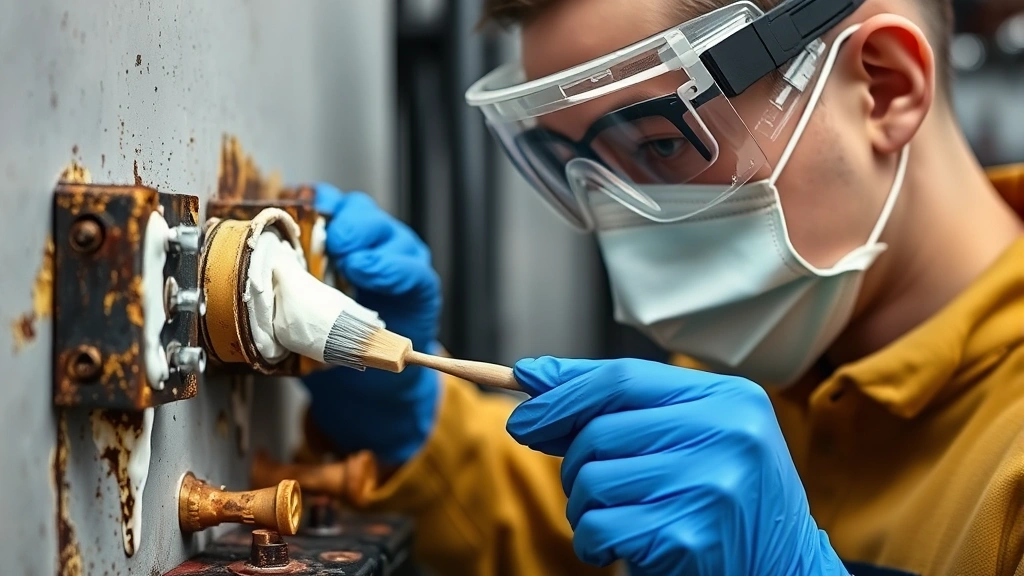
Understanding Battery Acid and Its Dangers
Battery acid primarily refers to sulfuric acid found in lead-acid batteries, the standard power source in most vehicles and backup systems. This corrosive chemical reacts with metals, creating white, blue, or green deposits known as battery corrosion. The acid can leak from damaged battery casings, overflow from overfilled cells, or escape during charging cycles when hydrogen gas vents from the battery.
The dangers of battery acid exposure include severe chemical burns on skin and eyes, respiratory damage if vapors are inhaled, and permanent damage to eyes if splashed. Additionally, battery acid corrodes metal terminals, connectors, and battery posts, reducing electrical conductivity and potentially causing starting problems or complete electrical failure. According to OSHA guidelines, battery acid requires immediate decontamination and proper disposal procedures.
Understanding the chemical properties of battery acid helps you select appropriate neutralizing agents and cleaning methods. Sulfuric acid has a pH of approximately 0.5, making it extremely acidic. Effective neutralization requires alkaline substances like baking soda, which react with the acid to form harmless salts and water. This chemical reaction is the foundation of safe battery acid cleanup.
Essential Safety Equipment and Precautions
Before attempting any battery acid cleaning, assemble complete protective equipment. Your safety gear should include:
- Chemical-resistant gloves: Nitrile gloves offer inadequate protection; use heavy-duty rubber or butyl gloves that resist sulfuric acid penetration
- Eye protection: Chemical splash goggles (not regular safety glasses) with side shields protect against acid splatter
- Face shield: Additional protection for your face and neck during active cleaning
- Respiratory protection: An N95 mask at minimum; consider a P100 respirator if working in enclosed spaces
- Protective clothing: Long sleeves, pants, and closed-toe shoes prevent skin exposure
- Apron: A heavy-duty chemical-resistant apron adds extra protection for your torso
Never work alone when handling battery acid. Always have a helper present who can call emergency services if needed. Keep a spill kit nearby containing absorbent materials, neutralizing agents, and cleanup supplies. Ensure adequate ventilation by opening windows, using fans, or working outdoors when possible. Battery acid vapors can accumulate in poorly ventilated spaces, creating hazardous conditions.
Review the NIOSH chemical safety database for sulfuric acid exposure limits and emergency response procedures. Keep emergency contact numbers for poison control and local hazmat teams readily available. Never eat, drink, or smoke while working with battery acid.
Preparation Steps Before Cleaning
Proper preparation significantly reduces risks and improves cleaning effectiveness. Start by identifying the extent of acid damage. Minor corrosion appears as light white or blue deposits on battery terminals. Severe corrosion shows thick crusty buildup, visible pitting on metal surfaces, or evidence of acid leakage into surrounding areas.
If the battery itself is leaking acid, do not attempt to clean it. Instead, safely dispose of the damaged battery according to local hazardous waste regulations. Most retailers that sell batteries accept old batteries for proper disposal. Contact your local waste management facility or visit Call2Recycle to locate proper disposal options.
For batteries with surface corrosion, disconnect the battery before beginning work. Always remove the negative (black) terminal first, followed by the positive (red) terminal. This prevents accidental short circuits that could cause sparks or explosions. If the battery is in a vehicle, turn off the engine and allow it to cool for at least 30 minutes before starting.
Prepare your work area by laying down absorbent materials like cardboard or newspaper to contain any spills. Position your cleaning supplies within arm’s reach. Have water available for rinsing and emergency eye washing. Never pour water directly on battery acid, as this reaction generates heat. Instead, use water for final rinsing after acid neutralization is complete.
Neutralizing Battery Acid Effectively
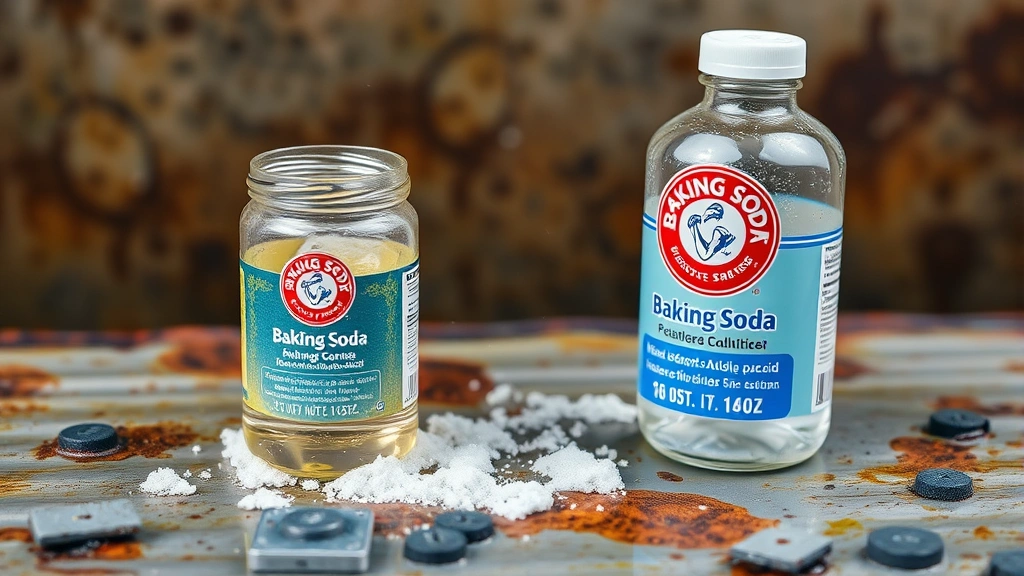
Baking soda is the most effective and accessible neutralizing agent for battery acid cleanup. The chemical reaction between sulfuric acid and sodium bicarbonate (baking soda) produces sodium sulfate, water, and carbon dioxide—all harmless substances. This makes baking soda the preferred choice for DIY battery acid cleanup.
To neutralize battery acid:
- Sprinkle baking soda directly onto the corroded area, covering all visible acid deposits
- The mixture will fizz and bubble as the neutralization reaction occurs—this is normal and indicates the acid is being neutralized
- Add more baking soda as needed until fizzing stops, indicating complete neutralization
- Let the neutralized residue sit for 10-15 minutes to ensure complete reaction
- Gently scrub the area with an old toothbrush or soft-bristled brush to remove dried corrosion
- Rinse thoroughly with distilled water (tap water may leave mineral deposits)
- Dry completely with clean cloths or compressed air
For severe corrosion that baking soda alone cannot remove, create a paste by mixing baking soda with distilled water. This paste adheres better to vertical surfaces and provides sustained contact with corrosion. Apply the paste generously, allow it to work for 15-20 minutes, then scrub and rinse as described above.
Commercial battery terminal cleaners provide alternative neutralizing options. These products typically contain alkaline compounds designed specifically for battery acid. Follow manufacturer instructions carefully, as some products require dilution or specific application methods. Always wear protective equipment regardless of product type.
Cleaning Different Surfaces and Materials
Battery acid corrosion requires different approaches depending on the affected surface. Understanding how to clean battery acid from various materials ensures effective restoration without damage.
Metal Battery Terminals and Posts: These are the most common acid corrosion locations. After neutralizing with baking soda, use a wire brush to remove remaining corrosion. For stubborn deposits, create a paste of baking soda and vinegar (the acetic acid helps dissolve stubborn deposits after the initial sulfuric acid is neutralized). Scrub gently to avoid damaging terminal threads. Rinse thoroughly and dry completely before reconnecting.
Plastic Battery Cases: Battery casings require gentler treatment to prevent cracking. Never use wire brushes or abrasive materials on plastic. Instead, apply baking soda paste and gently wipe with soft cloths. For acid that has seeped into cracks, use a small brush or old toothbrush with gentle circular motions. Avoid high-pressure water spray that could force acid deeper into crevices.
Vehicle Engine Compartments: Acid leakage often spreads beyond battery terminals onto engine components, wiring, and brackets. Spray baking soda solution (1 tablespoon per cup of water) onto affected areas to neutralize acid residue. Use soft brushes for delicate components like alternators or starter motors. Be cautious around electrical connections—allow complete drying before reconnecting any components.
Electronic Device Interiors: Battery acid in flashlights, remote controls, or power tools requires careful handling. Never use water for initial cleaning, as it conducts electricity. Instead, apply baking soda directly to corroded areas and use a dry brush to remove deposits. For deep corrosion inside battery compartments, create a baking soda paste and apply with cotton swabs. Allow extended drying time (24-48 hours) before attempting to use the device again.
Fabric and Clothing: If battery acid splashes onto clothing, immediately rinse with copious amounts of cool water while removing contaminated clothing. Soak affected garments in a solution of baking soda and water (1 tablespoon per liter) for 30 minutes, then wash normally. For upholstery, blot (never rub) the area with cloths dampened in baking soda solution, then allow to air dry completely.
For comprehensive information on general cleaning techniques and methods, you can explore additional resources. However, battery acid cleanup requires specialized knowledge distinct from routine household cleaning.
Preventing Future Battery Acid Corrosion
Prevention is far more effective than repeated cleanup. Implement these strategies to minimize future battery acid problems:
Regular Inspection: Check battery terminals monthly for early signs of corrosion. Early intervention prevents severe buildup that damages terminals or spreads acid to surrounding components. Look for white, blue, or green deposits, which indicate active corrosion.
Terminal Protection: Apply petroleum jelly or specialized battery terminal protectant around clean terminals after removal. These products create a moisture-resistant barrier that slows corrosion development. Reapply protectant every 6-12 months or whenever terminals are serviced.
Battery Maintenance: Maintain proper electrolyte levels in batteries with removable caps (older lead-acid batteries). Low electrolyte increases hydrogen gas venting, which carries acid mist that settles on terminals. Use only distilled water to top off electrolyte levels.
Secure Battery Installation: Ensure batteries are firmly secured in their mounts. Vibration from loose batteries can crack casings or loosen terminal connections, allowing acid leakage. Check mounting hardware regularly and tighten as needed.
Ventilation: Ensure battery compartments have adequate air circulation. Trapped moisture and acid vapors accelerate corrosion. Keep battery compartments clear of debris and allow air to flow freely around batteries.
Temperature Management: Extreme heat accelerates chemical reactions that cause corrosion. Provide shade or insulation for batteries in hot climates. In cold climates, ensure batteries remain warm enough to function properly—cold batteries work harder and produce more corrosive byproducts.
Quality Battery Selection: Invest in reputable battery brands known for reliable case construction and sealed designs. Premium batteries have superior case materials and venting systems that minimize acid escape. Check reviews and manufacturer specifications when selecting replacements.
Regular maintenance following these guidelines can extend battery life by 30-50% and virtually eliminate acid corrosion problems. When batteries do require replacement, have them professionally recycled through certified hazardous waste handlers.
Frequently Asked Questions
Can I use vinegar to clean battery acid?
Vinegar contains acetic acid, which is much weaker than sulfuric acid. While vinegar may help dissolve some corrosion deposits after initial neutralization with baking soda, it cannot neutralize sulfuric acid itself. Always neutralize with baking soda first, then consider vinegar as a secondary cleaning step for stubborn residue. Never use vinegar as your primary acid neutralizer.
Is it safe to use a power drill with a wire brush for battery corrosion?
Power tools should be avoided for battery terminal cleaning. High-speed wire brushing can damage terminal threads, prevent proper reconnection, and generate sparks near battery vapors. Use hand tools exclusively—a manual wire brush provides sufficient cleaning power without these risks. For severe corrosion, apply baking soda paste and allow extended soaking time rather than using abrasive power tools.
What should I do if battery acid splashes in my eyes?
Immediately flush eyes with cool water for at least 15-20 minutes while holding eyelids open. Do not rub eyes or apply any neutralizing agents directly to eyes. Call emergency services (911 in the US) or poison control immediately. Seek medical attention even if pain subsides—acid burns can worsen over hours. Have someone help you while you rinse, and inform medical personnel exactly what chemical contacted your eyes.
Can I clean battery acid with soap and water?
Soap and water alone cannot neutralize sulfuric acid. Water will dilute the acid but won’t neutralize it, and diluted acid can still cause chemical burns. You must use an alkaline neutralizing agent like baking soda first. Only after complete neutralization should you use water for rinsing. Never pour water directly on concentrated battery acid.
How long does baking soda take to neutralize battery acid?
The neutralization reaction begins immediately upon contact, with visible fizzing indicating active neutralization. Most reactions complete within 2-5 minutes. However, allowing the baking soda to sit for 10-15 minutes ensures thorough penetration of corrosion deposits and complete acid neutralization. For heavy corrosion, multiple applications may be necessary.
Is battery acid cleanup covered by homeowner’s insurance?
Most homeowner’s insurance policies do not cover battery acid cleanup, as it’s considered normal maintenance rather than property damage. However, if acid leakage causes significant damage to appliances or structures, document the damage with photos and contact your insurer. Vehicle batteries are typically covered under auto insurance only if the leak causes documented vehicle damage beyond normal wear.
Can I neutralize battery acid with ammonia or bleach?
Never use ammonia or bleach to neutralize battery acid. Ammonia mixed with sulfuric acid creates toxic nitrogen oxides. Bleach mixed with battery acid produces hazardous chlorine gas. These combinations can cause severe respiratory damage or death. Stick exclusively to baking soda for safe acid neutralization.
Should I replace corroded battery cables?
Light corrosion on cables can be cleaned and the cables reused. However, if corrosion has penetrated deeply into cable insulation, caused visible pitting, or exposed copper strands, replacement is necessary. Damaged cables reduce electrical conductivity, causing starting problems and potential electrical fires. When in doubt, replace corroded cables for safety and reliability. Consult your vehicle manufacturer specifications for correct cable gauge and length.


