
Clean Your Engagement Ring? Jeweler-Approved Tips
Your engagement ring is one of your most treasured possessions, symbolizing love, commitment, and countless precious memories. Over time, daily wear exposes your ring to dust, oils, soap residue, and environmental debris that dulls its brilliance and sparkle. Learning how to clean an engagement ring properly ensures your gemstone maintains its radiance while protecting delicate settings and precious metals from damage.
Professional jewelers charge $50 to $150 per cleaning, but with the right knowledge and materials, you can safely restore your ring’s luster at home. This comprehensive guide covers jeweler-approved techniques, safe cleaning solutions, and best practices to keep your engagement ring looking as stunning as the day you received it.

Why Regular Cleaning Matters
Your engagement ring accumulates buildup from everyday activities. Lotion, perfume, sunscreen, and natural skin oils create a film over your stone that scatters light and reduces sparkle. Additionally, soap scum from hand washing, dust particles, and residue from food and beverages settle in crevices around the setting and band.
This accumulation doesn’t just affect appearance—it can indicate underlying issues. When you clean your ring regularly, you notice loose prongs, worn settings, or damaged stones early, preventing catastrophic loss. Regular maintenance also extends the life of your ring’s setting and keeps precious metals looking lustrous and new.
Many jewelers recommend cleaning your engagement ring every two weeks for daily wearers. If you’re interested in maintaining other valuable items in your home, check out our guide on how to clean electronic devices for similar attention-to-detail approaches.
Pre-Cleaning Inspection Checklist
Before you begin any cleaning process, perform a thorough visual inspection of your ring. This critical step prevents damage and identifies when professional intervention is necessary.
- Examine all prongs: Look for bent, cracked, or missing prongs that hold your stone. Gently run your fingernail around each prong—if any feel loose or wobbly, stop and consult a jeweler before cleaning.
- Check for visible damage: Inspect the stone for chips, cracks, or cloudiness. Look at the band for dents, scratches, or areas where metal appears thin or worn.
- Test stone security: Gently move the stone with your finger. Any movement indicates a loose setting requiring professional attention.
- Assess metal condition: Note any discoloration, corrosion, or unusual wear patterns on the band and setting.
- Verify setting type: Identify whether your ring has a solitaire setting, halo design, three-stone setting, or other configuration, as this affects cleaning approach.
Document your ring’s condition with photos before cleaning. This creates a baseline for future reference and helps you track maintenance needs over time.
The Gentle Soap and Water Method
This jeweler-approved technique works safely for most engagement rings and requires only basic household items. It’s the foundation of regular maintenance and the safest approach for delicate or antique rings.
Materials needed:
- Lukewarm water (not hot)
- Mild dish soap (Dawn or similar gentle formula)
- Small bowl or cup
- Soft-bristled toothbrush (new, never used for teeth)
- Microfiber cloth or soft lint-free cloth
- Optional: small strainer or mesh screen
Step-by-step process:
- Fill your bowl with lukewarm water and add 2-3 drops of mild dish soap. Stir gently to distribute the soap evenly throughout the water.
- Remove your ring and place it in the soapy water. Let it soak for 15-20 minutes to loosen stubborn buildup and debris.
- Using your soft-bristled toothbrush, gently scrub all surfaces of the ring. Pay special attention to the underside of the stone, prongs, and the band’s crevices where dirt accumulates.
- For delicate stones or antique settings, use a very soft brush or skip brushing entirely and rely on soaking and rinsing.
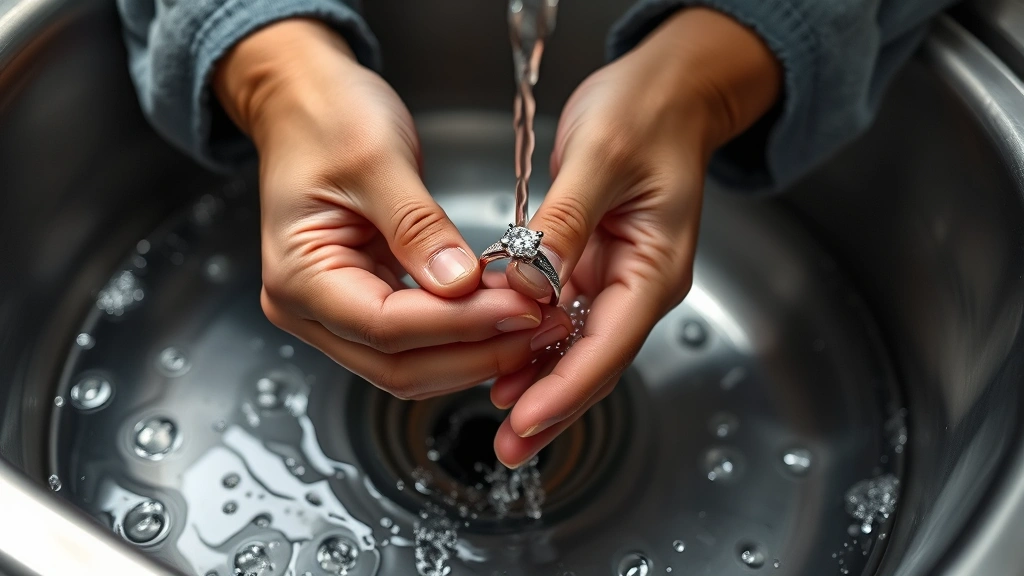
- Rinse thoroughly under running lukewarm water, holding the ring securely over a sink strainer to prevent accidental loss.
- Pat dry immediately with a microfiber cloth. Don’t air-dry, as water spots can form on your stone.
This method is safe for diamonds, sapphires, rubies, emeralds, and most precious metals. However, certain stones require modified approaches, which we’ll cover in detail below.
Advanced Cleaning Techniques
When basic soap and water isn’t enough, these advanced methods provide deeper cleaning while remaining safe for most rings. Always start with the gentlest method and progress only if needed.
Vinegar and Baking Soda Soak
This natural cleaning solution works exceptionally well for removing stubborn buildup and restoring shine to white metals. Mix equal parts white vinegar and warm water in a bowl, then add one tablespoon of baking soda. The mixture will fizz—this reaction helps lift debris from crevices. Soak your ring for 20-30 minutes, then gently brush with a soft toothbrush. Rinse thoroughly and dry immediately. This method is safe for diamonds, sapphires, and most metals but avoid using it on emeralds or opals.
Ammonia-Based Cleaner Solution
Professional jewelers often use ammonia-based solutions for deep cleaning. Mix one part household ammonia with six parts water. Soak your ring for 10 minutes only—ammonia can damage certain stones if exposed too long. This method works beautifully on diamonds and white metals but should never be used on pearls, emeralds, opals, or turquoise.
Ultrasonic Cleaners
If you own multiple pieces of jewelry, a home ultrasonic cleaner (available for $30-100) can be a worthwhile investment. These devices use sound waves to agitate cleaning solution and dislodge debris. Fill the tank with distilled water and a few drops of jewelry cleaning solution, place your ring inside, and run for 5-10 minutes. However, ultrasonic cleaning isn’t safe for all stones—avoid using it on emeralds, opals, pearls, and any stone with existing damage or fractures.
For those who enjoy maintaining their belongings thoroughly, our comprehensive guide on cleaning delicate household items shares similar principles of gentle care and proper technique.
Cleaning by Stone Type
Different gemstones have varying hardness levels and porosity, requiring customized cleaning approaches. Understanding your stone’s specific needs prevents accidental damage.
Diamonds
The hardest natural gemstone, diamonds tolerate aggressive cleaning methods well. Use any technique mentioned above—diamonds won’t be harmed by soap and water, vinegar solutions, ammonia-based cleaners, or ultrasonic cleaners. Focus on removing the film that dulls their sparkle. Diamonds show every fingerprint and smudge, so frequent gentle cleaning maintains their brilliance.
Sapphires and Rubies
These corundum stones rank 9 on the Mohs hardness scale, making them quite durable. They’re safe for all cleaning methods, including ultrasonic cleaners and ammonia solutions. However, if your sapphire or ruby has undergone heat treatment or fracture filling (common enhancements), avoid extreme temperatures and prolonged ammonia exposure. Stick with gentle soap and water if you’re unsure about treatments applied to your stone.
Emeralds
Emeralds are more delicate and porous than other precious stones. Most emeralds are treated with oils or resins to fill natural inclusions and improve clarity. Never use ultrasonic cleaners, ammonia, vinegar, or hot water on emeralds—these can strip protective treatments and cause cracking. Stick exclusively to gentle lukewarm soap and water, using minimal brushing. Pat dry immediately and avoid exposing emeralds to extreme temperature changes.
Opals and Pearls
Both opals and pearls are organic or hydrophilic materials that contain water and are easily damaged. Never use ultrasonic cleaners, ammonia, vinegar, or prolonged soaking. Clean opals and pearls with only a soft, slightly damp cloth and mild soap. These delicate stones require professional cleaning and should be stored carefully to prevent moisture loss or absorption.
Moissanite
Lab-created moissanite is nearly as hard as diamond and tolerates all cleaning methods safely. It can handle ultrasonic cleaners, ammonia solutions, and vigorous brushing without risk of damage. Like diamonds, moissanite shows fingerprints readily, so frequent cleaning keeps it looking brilliant.
Drying and Storage Best Practices
Proper drying and storage protect your engagement ring between cleanings and prevent unnecessary damage.
Drying techniques:
- Always dry your ring immediately after cleaning with a soft, lint-free microfiber cloth. Leaving your ring wet can cause water spots, especially on diamonds.
- For hard-to-reach areas, use a soft lint-free cloth to gently pat dry. Don’t rub aggressively.
- Never use paper towels or tissues—these can scratch metals and leave fibers on your stone.
- If water remains in crevices, hold your ring near (not in) warm sunlight or use a hair dryer on the lowest setting, held at least 12 inches away.
Storage recommendations:
- Store your engagement ring in a dedicated jewelry box with soft padding or a velvet-lined compartment. This prevents scratches and keeps it separate from other jewelry that might cause damage through friction.
- If you remove your ring during activities like exercising or cleaning, place it in a designated safe location immediately. Many rings are lost because they’re left on bathroom sinks or kitchen counters.
- For valuable rings, consider a home safe or safety deposit box. Our guide to home security discusses protective storage options for valuables.
- Avoid storing your ring in the bathroom, where humidity and temperature fluctuations can affect certain stones and metals over time.
- Keep rings away from direct sunlight for extended periods, as UV exposure can fade some gemstones and cause certain treatments to deteriorate.
When to Seek Professional Help
While regular home cleaning maintains your ring’s appearance, certain situations require professional jeweler intervention. Knowing when to stop and seek expert help prevents costly damage.
Seek professional cleaning when:
- Your ring hasn’t been professionally cleaned in over a year despite regular home cleaning.
- You notice stubborn buildup that home cleaning won’t remove—this might indicate damage or deterioration requiring assessment.
- Your stone appears cloudy, discolored, or lacking sparkle despite thorough cleaning. This could signal coating damage or internal fractures.
- You detect any movement in the stone, loose prongs, or cracks in the setting.
- Your ring has intricate filigree work, delicate milgrain detailing, or complex settings that are difficult to clean safely at home.
- Your ring contains multiple stone types requiring different cleaning approaches.
Professional services include:
- Deep ultrasonic and steam cleaning using commercial-grade equipment
- Prong tightening and setting inspection
- Polishing and refinishing of metal bands
- Assessment of stone condition and treatment status
- Repair of minor damage before it becomes serious
Professional cleaning typically costs $50-150 and often includes an inspection. This investment in maintenance protects your ring and provides peace of mind that your beloved piece is in excellent condition. Many jewelers offer annual cleaning packages, which can save money if you wear your ring daily.
For those maintaining other household items with similar care principles, our comprehensive car cleaning guide demonstrates how regular maintenance extends the life of valuable possessions.
FAQ
Can I use commercial jewelry cleaner on my engagement ring?
Yes, most commercial jewelry cleaners are safe for diamonds, sapphires, and rubies. However, always check the label to ensure it’s appropriate for your specific stone type. Avoid commercial cleaners for emeralds, opals, and pearls unless the product specifically states it’s safe for these delicate stones. When in doubt, contact the manufacturer or your jeweler before using any new product.
How often should I clean my engagement ring?
For daily wearers, cleaning every 1-2 weeks with gentle soap and water maintains optimal appearance. If you wear your ring occasionally or remove it frequently, monthly cleaning is sufficient. Professional cleaning is recommended annually or when you notice significant buildup despite regular home cleaning.
Is it safe to use a toothbrush on my engagement ring?
Yes, but use a soft-bristled brush that’s designated only for your jewelry—never use a toothbrush that’s been used for teeth brushing. The soft bristles gently dislodge debris without scratching most gemstones and metals. Avoid stiff or medium-bristled brushes, which can scratch delicate stones and softer metals like gold.
What should I never use to clean my engagement ring?
Never use harsh chemicals like bleach, acetone, or chlorine. Avoid hot water, which can damage heat-treated stones and loosen settings. Don’t use abrasive materials like steel wool, scouring pads, or rough cloths. Skip ultrasonic cleaners if your ring contains emeralds, opals, pearls, or any stone with existing damage. Never expose emeralds or opals to vinegar or ammonia solutions.
Can I clean my ring while wearing it?
It’s better to remove your ring before cleaning. Removing it allows you to clean underneath the stone and around all prongs thoroughly. Additionally, removing your ring during cleaning reduces the risk of accidentally loosening or damaging your ring if you’re using any tools like brushes. Keep your ring in a designated safe location while you clean to prevent loss.
Why does my diamond look cloudy after cleaning?
Cloudiness immediately after cleaning usually indicates water spots or residue from tap water minerals. Dry your ring thoroughly with a microfiber cloth, and the cloudiness should disappear. If cloudiness persists after proper drying, it might indicate internal fractures, coating damage, or mineral deposits requiring professional assessment. Contact your jeweler if the problem doesn’t resolve with thorough drying.
Is distilled water better than tap water for cleaning?
Distilled water is preferable for the final rinse, as it contains no minerals that leave spots on your stone. However, using tap water for soaking and initial rinsing is fine. If you notice water spots after cleaning with tap water, do a final rinse with distilled water and dry immediately. This extra step prevents mineral deposits that can dull your stone’s brilliance.


