
How to Clean Exterior Windows: Pro Tips from Professional Window Washers
Clean windows transform your home’s appearance and allow natural light to flood interior spaces. Professional window washers know that exterior window cleaning requires more than a squeegee and soapy water—it demands proper technique, safety awareness, and the right tools for different window types and conditions. Whether you’re dealing with stubborn mineral deposits, hard water stains, or years of accumulated grime, understanding professional methods will help you achieve streak-free, crystal-clear results.
Exterior windows face constant environmental challenges: UV exposure, rain, dust, pollen, bird droppings, and mineral-laden water deposits that accumulate over time. Unlike interior cleaning, which is relatively straightforward, how to clean exterior windows involves working at heights, managing water runoff, and selecting appropriate cleaning solutions for various glass conditions. This comprehensive guide reveals the techniques professional window cleaners use to deliver flawless results safely and efficiently.

Safety First: Essential Precautions
Professional window cleaners prioritize safety above all else. Working on exterior windows means working at height, which presents serious risks if proper precautions aren’t taken. Before climbing a ladder or accessing elevated windows, inspect your equipment thoroughly and assess weather conditions. Never clean windows during high winds, rain, or when surfaces are wet—slip hazards increase dramatically in these conditions.
If you’re cleaning second-story windows or higher, consider hiring professionals rather than attempting the work yourself. The Occupational Safety and Health Administration (OSHA) provides comprehensive guidelines on ladder safety and fall prevention. When using ladders, maintain three points of contact at all times, position the ladder at the proper angle (approximately 75 degrees), and ensure it’s on stable, level ground.
Wear appropriate protective equipment including non-slip shoes, work gloves, and eye protection. Cleaning solutions can splash into eyes, and broken glass from older windows poses serious injury risks. If you have mobility issues or physical limitations, professional services are the safer choice. Consider investing in a home security assessment that includes checking window accessibility and safety features while you’re evaluating your home’s exterior.
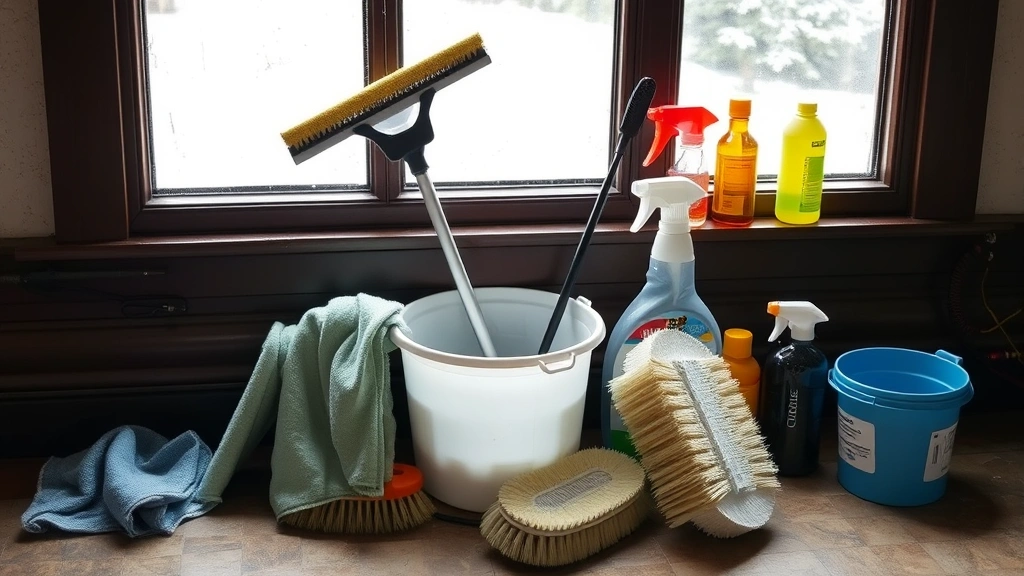
Tools and Equipment You’ll Need
Professional window washers invest in quality tools that make the job easier and produce superior results. The essential equipment includes a squeegee with replaceable rubber blades, extension poles that reach upper windows safely, a bucket with a grit guard to prevent dirt from returning to your cleaning solution, and microfiber cloths for final drying and polishing.
Squeegees come in various widths—10-inch squeegees work well for residential windows, while wider options suit larger commercial installations. The rubber blade quality matters significantly; professional-grade squeegees maintain a straight edge longer than budget options. Replacement blades cost a few dollars and dramatically improve performance when the current blade becomes worn or damaged.
Extension poles eliminate many ladder safety concerns. Telescoping poles extend 20-30 feet, allowing you to reach second and even third-story windows from the ground. Water-fed poles with integrated brush heads and water delivery systems represent the pinnacle of professional equipment, though they require significant investment.
Buckets and water systems matter more than many homeowners realize. A standard 5-gallon bucket works, but adding a grit guard insert prevents sediment and debris from being redistributed across your windows. Professional systems use deionized water, which prevents mineral spots and streaking. While deionized water systems cost more initially, they eliminate the need for final drying and polishing.
Additional helpful tools include:
- Soft-bristled brushes for loosening stubborn debris
- Sponges for applying cleaning solution evenly
- Lint-free microfiber cloths for drying
- Spray bottles for applying solutions
- Step ladder for ground-level window access
- Garden hose with adjustable nozzle for rinsing
Choosing the Right Cleaning Solutions
The cleaning solution you select dramatically impacts results. Many professionals start with a simple solution of water and dish soap, which handles everyday dirt, dust, and light grime effectively. Mix one tablespoon of mild dish soap per gallon of water—too much soap creates streaks and residue.
For harder water deposits and mineral buildup, white vinegar solutions work excellently. Mix equal parts white vinegar and water in a spray bottle. The acidity dissolves mineral deposits without damaging glass or frames. However, avoid vinegar on natural stone sills or certain finishes—test in an inconspicuous area first.
Commercial window cleaning solutions offer convenience and consistent results. Look for products specifically designed for exterior use that won’t harm landscaping. EPA-approved safer chemical alternatives protect the environment while cleaning effectively. Professional-grade solutions often include surfactants that help water sheet off glass, reducing streaking.
For stubborn organic growth like mold or algae, diluted bleach solutions (1 part bleach to 10 parts water) work effectively, but use carefully as bleach can damage frames and surrounding materials. Always wear gloves and eye protection when handling bleach. Never mix bleach with ammonia or other cleaners—toxic fumes result.
Hard water stains require more aggressive treatment. Some professionals use commercial descaling solutions containing phosphoric acid, which dissolves mineral deposits quickly. Always follow manufacturer instructions and wear appropriate protection. For severe mineral buildup, multiple applications may be necessary.
Step-by-Step Cleaning Process
Professional window cleaners follow a systematic approach that ensures thorough cleaning and consistent results. Begin by removing loose debris—dust, cobwebs, dead insects, and leaves accumulate on exterior windows and frames. Use a soft brush or compressed air to dislodge this debris without scratching the glass.
Step 1: Prepare the area
Clear the area below windows of furniture, plants, and items that could be damaged by water runoff. Close windows and doors to prevent water from entering your home. If cleaning during warm weather, consider the direction of water runoff to avoid soaking your foundation or nearby landscaping.
Step 2: Rinse initial debris
Use a garden hose to rinse away loose dirt and dust. Start from the top and work downward, allowing gravity to help water flow naturally. This initial rinse removes much of the debris and prepares the surface for cleaning solution.
Step 3: Apply cleaning solution
Use a sponge, brush, or spray bottle to apply your chosen cleaning solution generously across the entire window surface. Allow the solution to sit for 30-60 seconds—this dwell time lets the cleaning agents break down stubborn grime. For heavily soiled windows, a second application may be necessary.
Step 4: Scrub gently
Use a soft-bristled brush to gently scrub the glass surface, working in circular motions. Pay special attention to corners and edges where dirt accumulates. Avoid aggressive scrubbing that could scratch the glass or damage the frame. For mineral deposits, focus scrubbing on affected areas.
Step 5: Squeegee technique
This is where professional results happen. Hold the squeegee at a 45-degree angle and pull downward in one smooth motion from top to bottom. Wipe the squeegee blade on a cloth between passes. Overlapping passes by about an inch prevents streaks. The key is smooth, confident strokes rather than multiple passes over the same area.
Step 6: Dry and polish
Microfiber cloths absorb remaining moisture and polish the glass to a streak-free shine. Buff the glass using circular motions, paying attention to edges where water tends to pool. If using deionized water, this step becomes optional as the water evaporates without leaving deposits.
Tackling Tough Stains and Deposits
Different stains require different approaches. Professional window cleaners diagnose the stain type before selecting treatment methods, as using the wrong solution wastes time and potentially damages the glass or frame.
Hard water stains: These mineral deposits appear as cloudy, white streaks or spots. White vinegar or commercial descaling solutions dissolve them effectively. Apply the solution, let it sit for several minutes, scrub gently, and rinse thoroughly. Stubborn deposits may require a plastic scraper—never use metal scrapers on glass as they cause permanent damage.
Mineral buildup: Similar to hard water stains but denser, mineral buildup accumulates from sprinkler overspray or mineral-rich rainwater. These deposits may require multiple applications of acidic solutions. Professional window cleaners sometimes use specialized tools like squeegees with built-in scraper edges to remove heavy deposits.
Organic growth: Mold, algae, and mildew appear as green, black, or brown growth, particularly on shaded windows or in humid climates. Diluted bleach solutions kill organic growth effectively. Apply the solution, allow 10-15 minutes contact time, scrub gently, and rinse thoroughly. Prevent future growth by improving air circulation and addressing moisture issues.
Bird droppings and insect residue: These acidic substances damage glass if left untreated. Soak the affected area with water or cleaning solution for several minutes to soften the deposits, then gently scrape away using a plastic scraper. Avoid dry scraping, which can scratch the glass.
Paint or construction residue: If painting or construction work has splattered on windows, appropriate solvents remove the residue. Latex paint comes off with water and mild soap, while oil-based paints require mineral spirits. Always test solvents on inconspicuous areas first, as some products damage certain window frames or glazing compounds.
Seasonal Window Maintenance
Establishing seasonal cleaning schedules prevents heavy buildup and maintains your windows’ appearance year-round. Much like maintaining HVAC systems, regular window care extends the life of your windows and improves home efficiency.
Spring cleaning: After winter, windows accumulate pollen, dust, and winter weather residue. A thorough spring cleaning removes this buildup and prepares windows for warmer months. Clean gutters and downspouts while you’re at it—they directly impact water flow and window cleanliness. Pay special attention to window tracks and frames where winter debris collects.
Summer maintenance: Quarterly touch-ups during summer keep windows looking fresh despite increased dust and pollen. Monthly rinses with the garden hose prevent heavy accumulation. Check caulking around window frames and recaulk if gaps appear—proper sealing prevents water infiltration and energy loss.
Fall preparation: Before winter arrives, thoroughly clean windows and check weatherstripping. Fallen leaves and debris can trap moisture against frames, promoting rot and mold growth. Clear leaves from window wells and ensure gutters drain properly to prevent water from damming up around windows.
Winter considerations: Avoid cleaning windows during freezing temperatures—water freezes on glass and creates hazardous conditions. If you notice heavy salt spray buildup (in coastal areas), gentle rinsing prevents corrosion of frames and hardware.
Avoiding Common Mistakes
Even with good intentions, homeowners often make mistakes that reduce effectiveness or damage windows. Professional cleaners know these pitfalls and avoid them consistently.
Using too much soap: Excess soap creates residue and streaks rather than clean windows. Less is more—a small amount of quality soap mixed properly cleans better than generous amounts of cheap dish soap. If you see suds, you’ve used too much.
Squeegee errors: Pressing too hard damages rubber blades and glass. The squeegee should glide across the surface with light pressure. Also, failing to wipe the blade between passes causes dirty water to spread across clean glass, creating new streaks.
Ignoring frame and sill cleaning: Dirty frames and sills make even clean glass look dingy. Professional cleaners clean the entire window assembly, not just the glass panes. Don’t overlook muntins (the dividing strips on multi-pane windows) where dirt accumulates heavily.
Cleaning in direct sunlight: Cleaning solution dries too quickly in bright sun, leaving streaks and residue. Clean windows on overcast days or when direct sun doesn’t hit the surface. Early morning or late afternoon work prevents solar heating that causes rapid drying.
Using incorrect tools: Newspaper, paper towels, and old cotton rags leave lint and streaks. Microfiber cloths and squeegees specifically designed for window cleaning deliver professional results. Budget tools frustrate and disappoint—investing in quality equipment pays dividends.
Neglecting safety: Rushing to finish or skipping safety precautions leads to accidents. Always prioritize safety over speed. If a task feels unsafe, stop and either use proper equipment or hire professionals.
Frequently Asked Questions
How often should I clean exterior windows?
Most professionals recommend cleaning exterior windows 2-4 times annually. Homes in dusty, pollen-heavy, or coastal areas may need more frequent cleaning. Quarterly maintenance prevents heavy accumulation and keeps windows looking their best year-round.
Can I use a pressure washer on windows?
Pressure washers can damage windows if used incorrectly. High pressure can crack glass, damage frames, and force water into walls. If using a pressure washer, keep it on the lowest setting, maintain distance from glass, and avoid directing water at window seals or frames. Hand washing remains the safest approach for most residential windows.
What’s the best time of year to clean windows?
Spring and fall offer ideal conditions—moderate temperatures, lower humidity, and less direct sun. Avoid winter freezing conditions and intense summer heat. Overcast days work better than sunny days, as solution dries more slowly, allowing proper cleaning technique.
Should I hire professionals or do it myself?
DIY cleaning works well for ground-level windows with good safety access. Second-story and higher windows present significant safety risks—professional services are worth the investment. Professionals have proper equipment, insurance, and experience handling difficult situations safely.
How do I prevent future hard water stains?
Hard water stains result from mineral-rich water evaporating on glass. Using deionized water eliminates this problem. Alternatively, immediately dry windows after rain or sprinkler operation. Addressing the source—adjusting sprinkler direction away from windows—prevents future deposits.
Can I damage my windows while cleaning?
Yes, improper techniques damage windows. Metal scrapers scratch glass permanently. Abrasive cleaners damage protective coatings on low-E windows. Excessive pressure damages frames and seals. Using proper soft tools, appropriate solutions, and gentle pressure prevents damage while cleaning effectively.
Are there eco-friendly window cleaning options?
Absolutely. Vinegar and water solutions clean effectively without harsh chemicals. Deionized water systems eliminate the need for any soap or solution. Many commercial products now feature plant-based surfactants and biodegradable formulas that clean well while protecting the environment. When selecting products, check EPA guidance on safer cleaning products for environmentally responsible options.
What about interior window cleaning?
Interior window cleaning follows similar principles but presents fewer safety challenges. The same tools and solutions work well indoors. Many homeowners combine interior and exterior cleaning for comprehensive window maintenance. If tackling extensive interior cleaning, strategies from our carpet cleaning guide regarding protecting flooring and furniture apply equally to window cleaning projects.
How do I clean windows with difficult access?
Extension poles with brush heads and water delivery systems reach difficult areas without ladder work. Water-fed poles with deionized water systems represent the professional standard for inaccessible windows. For extremely difficult situations, hiring professionals with specialized equipment makes sense.


