Clean Patio Cushions? Pro Tips for Lasting Freshness
Patio cushions are a significant investment in your outdoor living space, providing comfort and style to your furniture ensemble. Over time, these cushions accumulate dirt, pollen, mildew, and sun damage that can deteriorate their appearance and structural integrity. Learning how to clean patio cushions properly ensures they remain vibrant, comfortable, and durable for years to come. This comprehensive guide covers professional cleaning techniques that homeowners can implement without professional services, saving money while extending the lifespan of your outdoor accessories.
Whether you’re preparing for entertaining guests or simply maintaining your outdoor retreat, understanding the right cleaning methods prevents costly replacements and keeps your patio looking pristine. Different cushion materials require specific approaches—foam-filled cushions need gentler handling than those with synthetic covers. Environmental factors like UV exposure, moisture, and seasonal weather changes demand proactive maintenance strategies that most DIY enthusiasts can master with proper guidance.
Understanding Your Cushion Materials
Before tackling any cleaning project, identify your cushion’s material composition. Most outdoor cushions feature polyester, acrylic, or solution-dyed synthetic fabrics that resist fading and moisture. These materials are specifically engineered for outdoor conditions, unlike indoor upholstery. The cover material determines which cleaning solutions work safely without causing discoloration or fabric degradation.
Check your cushion’s care label for manufacturer recommendations—this invaluable information specifies water temperature, acceptable cleaning agents, and any materials you should avoid. Some premium cushions use performance fabrics rated for specific cleaning methods. The backing material matters equally; cushions with foam cores require different handling than those with down-alternative fills. Understanding whether your cushions are machine-washable or require hand-cleaning prevents irreversible damage that could necessitate replacement.
Synthetic outdoor fabrics typically handle harsh cleaners better than natural fibers, but even these require caution. Test any cleaning solution on a hidden cushion area first to verify color stability and fabric compatibility. This simple precaution prevents visible damage to prominent surfaces and gives you confidence proceeding with full cleaning.
Preparing for the Cleaning Process
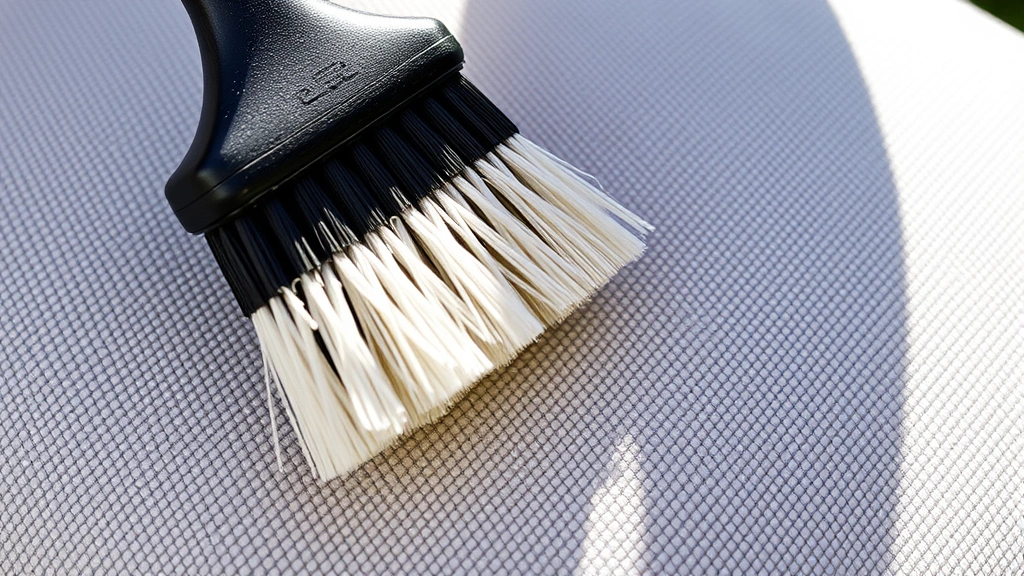
Proper preparation determines cleaning success and protects your patio furniture investment. Start by removing cushions from their frames and inspecting them thoroughly for damage, loose seams, or zipper issues. Address any structural problems before wet cleaning, as water exposure can worsen existing damage. Brush away surface debris using a soft-bristled brush or vacuum with an upholstery attachment—this removes loose dirt, pollen, and dust that would otherwise become embedded during washing.
Set up your cleaning station in a location with adequate drainage and access to water. Ideally, position cushions on a clean surface where you can work both sides without constantly repositioning. Gather all necessary supplies before starting: appropriate cleaning solutions, soft brushes, sponges, microfiber cloths, and plenty of clean water for rinsing. Having everything accessible prevents interruptions and ensures thorough cleaning coverage.
Check weather forecasts before beginning; avoid cleaning during rain or high humidity that complicates drying. Overcast days work better than intense sun, which can set stains if cleaning solutions aren’t completely rinsed away. Consider your home’s water pressure situation—high-pressure washers risk damaging cushion fabrics, so hand-cleaning typically produces superior results. This mirrors professional approaches used by upholstery specialists who prioritize fabric longevity over speed.
Dry Cleaning Methods
Dry cleaning addresses surface-level dirt and light soiling without introducing moisture. This technique works excellently for regular maintenance and prevents the need for frequent wet cleaning. Use a soft-bristled upholstery brush with gentle, circular motions across the entire cushion surface. Pay particular attention to seams, piping, and textured areas where dirt accumulates. This process removes approximately 80% of surface contaminants and prevents them from being ground deeper into fabric fibers during washing.
Baking soda serves as an effective dry cleaning agent and natural deodorizer. Sprinkle it liberally across cushion surfaces, allow it to sit for 15-20 minutes, then vacuum thoroughly using an upholstery attachment. The baking soda absorbs odors and lifts light surface dirt without requiring water or chemical cleaners. This approach particularly benefits cushions with mild odors from storage or seasonal weather exposure. Repeat this process monthly for maintenance—it’s far easier than dealing with accumulated grime requiring intensive wet cleaning.
For cushions stored during winter months, dry cleaning before storage prevents mold and mildew development. Ensure cushions are completely dry before covering or storing to eliminate moisture that encourages fungal growth. This preventive approach dramatically reduces spring cleaning requirements and extends cushion lifespan. Many homeowners find that consistent dry cleaning eliminates the need for wet cleaning more than once or twice seasonally.

Wet Cleaning Techniques
Wet cleaning becomes necessary when dry methods fail to restore cushion freshness or when visible soiling requires deeper penetration. Create a gentle cleaning solution using mild dish soap and cool water—approximately one tablespoon of soap per gallon of water. This ratio prevents excessive sudsing while providing adequate cleaning power. Test this solution on an inconspicuous area first, checking for color bleeding or fabric damage before proceeding to visible surfaces.
Apply the soapy water using a soft sponge or microfiber cloth, working in small sections with gentle circular motions. Avoid aggressive scrubbing that damages fabric fibers or pushes dirt deeper into the weave. Pay particular attention to high-traffic areas where people sit and areas exposed to environmental contamination. Allow the cleaning solution to dwell on soiled spots for 5-10 minutes, giving it time to break down embedded dirt before rinsing.
Rinse thoroughly with clean, cool water using a spray bottle or garden hose on low pressure. Thorough rinsing is crucial—soap residue left on cushions attracts dirt and can cause premature fabric degradation. Continue rinsing until water runs completely clear and you see no suds. Many professionals recommend multiple rinse cycles to ensure complete soap removal, particularly for textured fabrics where solution can hide in the weave.
For stubborn soiling, create a stronger solution using white vinegar and water in equal parts. Vinegar’s natural acidity breaks down mineral deposits, mildew, and organic stains without harsh chemicals. This approach works particularly well for cushions exposed to hard water areas or coastal environments. Apply the vinegar solution, allow it to sit briefly, then rinse thoroughly. The vinegar smell dissipates quickly as cushions dry, leaving no chemical odor.
Handling Stubborn Stains
Different stain types require targeted approaches for complete removal. Organic stains from food, beverages, or biological matter respond well to enzyme-based cleaners specifically designed for upholstery. These products break down the stain’s molecular structure without damaging fabric fibers. Apply according to product instructions, typically allowing 15-30 minutes of dwell time before rinsing thoroughly. Enzyme cleaners work slowly but effectively, making them ideal for stubborn spots that resist initial cleaning attempts.
Mildew and mold stains common on outdoor cushions require different treatment. A solution of one part bleach to ten parts water kills fungal growth and removes discoloration. However, bleach only works safely on light-colored cushions—test on hidden areas of darker fabrics first, as bleach causes permanent discoloration. Apply the diluted bleach solution, allow 10-15 minutes contact time, then rinse exhaustively to remove all bleach residue. Never use bleach on cushions with colored piping or trim, as it will fade these decorative elements.
Oil and grease stains require special handling since water-based solutions won’t remove them effectively. Sprinkle baking soda or talcum powder on fresh oil stains and allow several hours for absorption, then vacuum away the powder. For stubborn grease, apply a small amount of rubbing alcohol to a cloth and dab the stain gently—avoid scrubbing, which spreads the oil. Follow with standard wet cleaning to remove alcohol residue. For particularly difficult stains, consider professional upholstery cleaning services that access commercial-grade solutions unavailable to homeowners.
Rust stains sometimes appear on cushions from metal furniture frames or nearby objects. Remove surface rust mechanically using a soft brush, then treat remaining discoloration with white vinegar or a commercial rust remover designed for fabrics. These products dissolve rust oxide without damaging most outdoor fabrics. Test on inconspicuous areas first, as rust removers contain mild acids that could affect certain dyes. Allow the solution to work for 15-20 minutes before thorough rinsing.
Drying and Storage Solutions
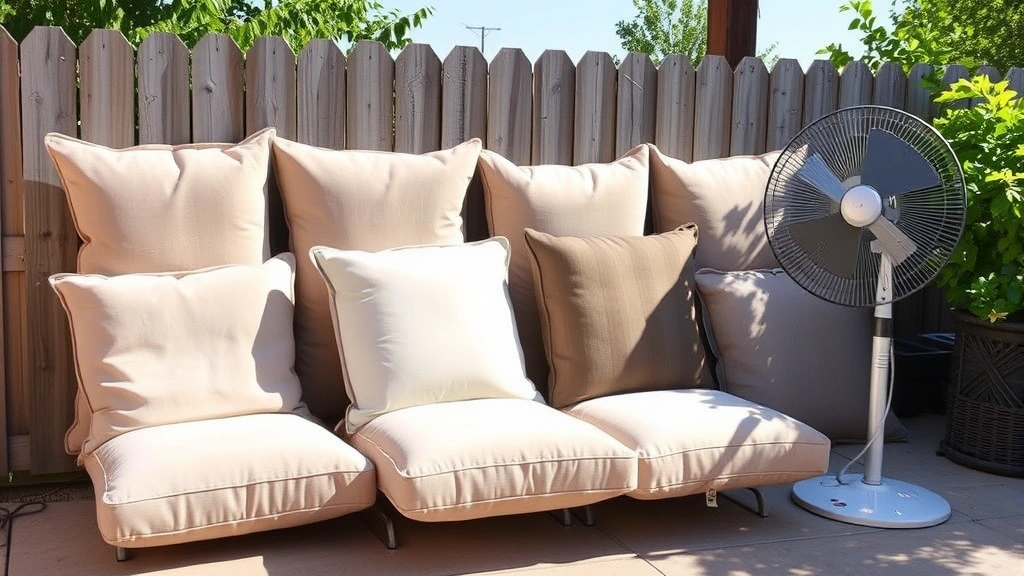
Proper drying prevents mildew, odors, and material degradation that can result from storing damp cushions. After cleaning, squeeze out excess water gently—avoid wringing or twisting, which stresses fabric fibers and foam cores. Stand cushions upright in sunlight and air circulation whenever possible. Sunlight provides natural UV disinfection while promoting evaporation. Ensure adequate airflow around all sides; lean cushions against a fence or wall rather than stacking them, which traps moisture and promotes mold growth.
In humid climates or during rainy seasons, use fans to accelerate drying. A box fan positioned to blow across cushion surfaces dramatically speeds evaporation compared to passive air drying. Continue running fans until cushions feel completely dry to the touch and no moisture remains in the core. This typically requires 24-48 hours depending on humidity, temperature, and cushion thickness. Rushing this process and storing slightly damp cushions invites mold and mildew that become far more difficult to clean later.
Once thoroughly dry, store cushions in breathable storage containers rather than sealed plastic bins that trap residual moisture. Outdoor cushion storage boxes with ventilation holes work excellently, allowing air circulation while protecting from dirt and pests. Avoid storing in basements or other damp locations; choose climate-controlled spaces or well-ventilated sheds. Place desiccant packets or open boxes of baking soda inside storage containers to absorb any ambient moisture during extended storage periods.
Before storing for winter or extended periods, ensure cushions are completely clean and dry. Any residual dirt or moisture creates ideal conditions for mold and mildew development during months-long storage. Many homeowners discover that spending extra time on thorough drying before storage eliminates the need for intensive cleaning at season’s end. This preventive approach aligns with DIY Nests Hub Blog philosophy of maintaining outdoor spaces through consistent care rather than reactive restoration.
Prevention and Maintenance
Establishing regular maintenance routines dramatically extends cushion lifespan and reduces the frequency of intensive cleaning required. Brush cushions weekly using a soft-bristled brush to remove dust, pollen, and debris before they accumulate. This simple 5-minute task prevents buildup that becomes difficult to remove later. During seasons with heavy pollen or nearby tree shedding, increase brushing frequency to twice weekly for maximum protection.
Use cushion covers or protective spray treatments designed for outdoor fabrics. These products create invisible barriers that repel water, stains, and UV damage while remaining breathable. Reapply treatments annually or according to manufacturer recommendations to maintain effectiveness. Quality fabric protectors cost relatively little compared to replacement cushion sets, making them excellent investments for preserving your patio furniture investment. Many homeowners compare fabric protectors to the benefits of home protection strategies that prevent costly damage through preventive measures.
Position cushions in shaded areas whenever possible to minimize UV exposure that fades colors and degrades fabric. If shade isn’t available, consider installing an umbrella or shade sail to protect your seating area. UV damage is cumulative and irreversible, making sun protection a worthwhile investment. Rotate cushion positions periodically so wear and fading distribute evenly rather than concentrating in high-traffic areas.
Remove cushions when not using your patio during extended periods. Even outdoor fabrics benefit from protection against harsh weather, particularly during winter months or heavy rain seasons. Store them in a dry location as previously described, ensuring they remain in top condition until needed again. This practice extends cushion life significantly compared to leaving them permanently exposed to environmental stresses.
Address spills and stains immediately before they set permanently into fabric fibers. Blot fresh spills with absorbent cloths rather than rubbing, which drives the stain deeper. For liquid spills, allow baking soda to absorb moisture before cleaning. Quick action prevents temporary marks from becoming permanent discoloration, saving you intensive cleaning efforts later. This immediate response approach applies to various household cleaning scenarios, as discussed in our guide about cleaning oil off driveway surfaces where prompt action prevents permanent damage.
FAQ
How often should I clean my patio cushions?
Dry cleaning with brushing should occur weekly during active patio season. Wet cleaning depends on your environment—typically monthly in normal conditions, more frequently in dusty or humid climates. Storage preparation requires thorough cleaning before extended periods away from your patio. Monthly maintenance prevents the need for intensive seasonal cleaning.
Can I machine wash patio cushions?
Check your manufacturer’s care label first. Some cushions are machine-washable on gentle cycles with cold water, while others require hand-cleaning only. Machine washing risks damaging foam cores or zippers, so hand-cleaning typically extends cushion lifespan. When machine washing is approved, use mild detergent and skip the dryer—air dry completely before using or storing.
What’s the best way to remove mildew from cushions?
For light mildew, use a white vinegar and water solution (equal parts). For heavier growth, a diluted bleach solution (1:10 ratio) works on light fabrics. Apply, allow 15 minutes contact time, then rinse thoroughly. Ensure complete drying afterward to prevent mildew return. Prevention through proper storage and air circulation prevents mildew more effectively than treatment.
Are commercial upholstery cleaners safe for outdoor cushions?
Most commercial upholstery cleaners work safely on outdoor fabrics, but test first on hidden areas. Some products contain harsh chemicals that damage specific materials or dyes. Follow product instructions carefully and rinse thoroughly afterward. For valuable cushion sets, professional cleaning services provide expertise worth the investment, similar to how professionals handle delicate restoration in specialized cleaning projects.
How do I prevent color fading on cushions?
Minimize direct sunlight exposure using shade structures, umbrellas, or strategically positioned furniture. Apply UV-protective fabric treatments annually. Rotate cushion positions regularly to ensure even fading rather than concentrated wear. Store cushions indoors during off-seasons when protection is most critical. These preventive measures prove far more effective than attempting to restore faded colors.
Can I use a pressure washer on patio cushions?
Pressure washers risk damaging outdoor cushion fabrics by forcing water into seams and foam cores. The high pressure can also create permanent creases or tears in delicate weaves. Stick with gentle spray bottles or garden hoses on low pressure instead. Hand-cleaning with brushes and mild solutions provides superior results while preserving your cushion investment.


