Effortless Oven Cleaning? Chef’s Top Tips Revealed
Cleaning your oven doesn’t have to involve hours of elbow grease and harsh chemical fumes. Professional chefs and experienced home cooks have long known that the secret to an effortless clean lies in understanding the science behind burnt-on residue and choosing the right approach for your specific oven type. Whether you’re dealing with a self-cleaning model, a conventional electric oven, or a gas range, there are proven methods that dissolve grease and carbon buildup without the backbreaking scrubbing that most homeowners dread.
The key to learning how to clean oven without scrubbing is patience and chemistry. By allowing natural or commercial cleaning agents time to penetrate and break down baked-on food particles, you can wipe away months of accumulated mess with minimal physical effort. This comprehensive guide reveals the techniques used by professional kitchen staff and provides step-by-step instructions for achieving restaurant-quality results in your home kitchen.
Understanding Your Oven Type and Buildup
Before selecting a cleaning method, it’s essential to understand what you’re dealing with. Different oven types respond differently to various cleaning approaches. Self-cleaning ovens, for instance, use extreme heat to incinerate debris, while conventional ovens accumulate grease and carbon deposits that require chemical breakdown rather than heat exposure.
The buildup inside your oven consists primarily of proteins, fats, and carbohydrates that have been partially combusted at high temperatures. This creates a stubborn, often crusty layer that bonds to the enamel or metal surfaces. Understanding this composition helps explain why certain cleaning agents work better than others—you need something that can dissolve these organic compounds without damaging the underlying surface.
For gas ovens, be particularly cautious around the burner assembly and ensure your cleaning solution won’t interfere with ignition systems. Electric ovens generally allow for more aggressive cleaning since there are fewer sensitive components. Always consult your oven’s manufacturer manual before using any new cleaning method, as warranties may be affected by certain products or techniques.
If you’re dealing with exterior buildup that’s migrated to surrounding surfaces, similar principles apply to how to clean oil off driveway areas where cooking equipment may have splattered residue. The same enzymatic and chemical breakdown principles can be adapted for outdoor surfaces.
The Baking Soda and Vinegar Method
This classic combination represents the gold standard for effortless oven cleaning without harsh chemicals. Baking soda (sodium bicarbonate) is a mild abrasive and natural deodorizer, while white vinegar’s acetic acid content breaks down mineral deposits and grease. The reaction between these two ingredients creates a fizzing action that helps lift debris from surfaces.
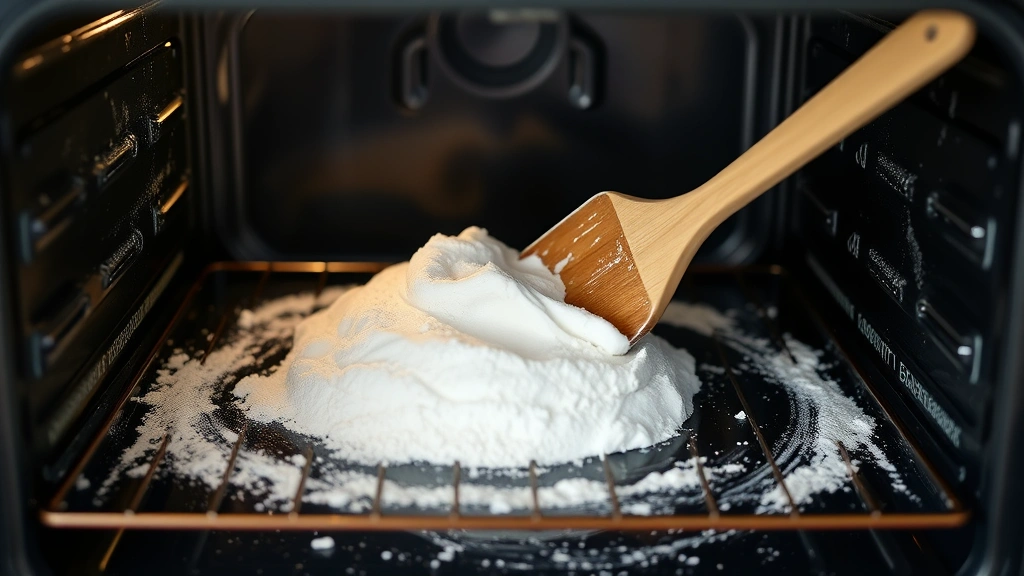
To use this method effectively, start by removing oven racks and any loose debris. Mix half a cup of baking soda with three tablespoons of water to create a spreadable paste. The consistency should resemble peanut butter—thick enough to stay in place but wet enough to spread easily. Spread this paste generously throughout the oven interior, avoiding heating elements. Leave it overnight or for at least twelve hours; the longer it sits, the more time the baking soda has to break down baked-on food.
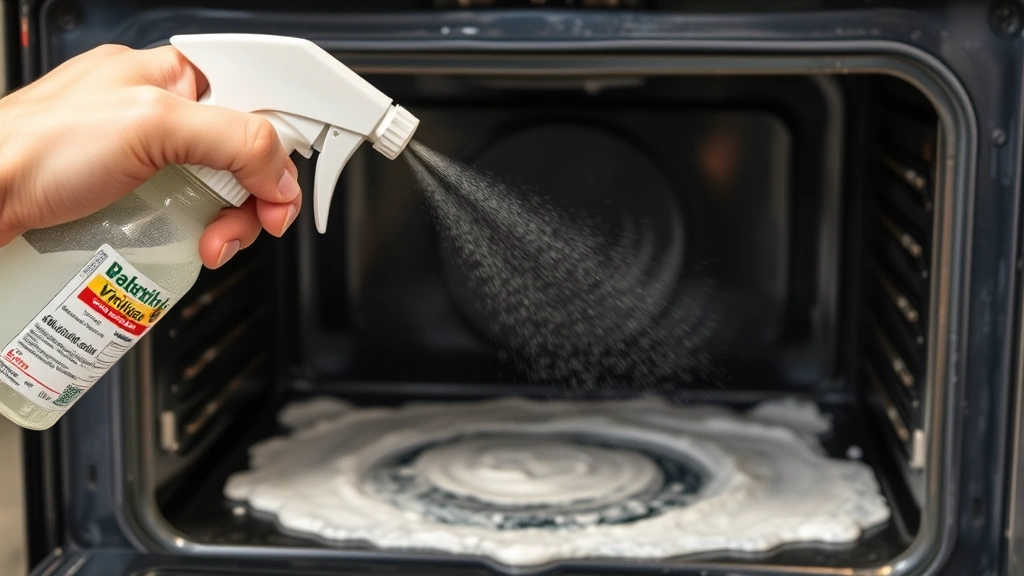
The next day, spray white vinegar directly onto the baking soda paste. You’ll immediately see it fizz and bubble—this chemical reaction is what breaks apart the stubborn deposits. Use a damp cloth or plastic scraper to wipe away the mixture. Most of the buildup should come away easily with light pressure, eliminating the need for aggressive scrubbing.
For particularly stubborn spots, apply more vinegar and let it sit for another 15-20 minutes before wiping. This method works because the alkaline baking soda and acidic vinegar together create an environment that destabilizes the chemical bonds holding burnt food to your oven’s surfaces. The fizzing action provides mechanical help without requiring elbow grease.
Commercial Oven Cleaners: Pros and Cons
Commercial oven cleaners represent the most aggressive chemical option and can deliver results in as little as 20-30 minutes. Products containing sodium hydroxide (lye) or potassium hydroxide are extremely effective at dissolving heavy grease and carbon buildup. However, these caustic chemicals require careful handling and proper safety precautions.
The primary advantage of commercial cleaners is speed. If your oven hasn’t been cleaned in years and natural methods seem overwhelming, a commercial product can handle the job with minimal physical effort. Many modern formulations are low-fume or no-fume, making them more tolerable than older generations of oven cleaners. Some premium brands are specifically designed to be less harsh on surfaces while maintaining effectiveness.
The disadvantages include potential health risks if not used properly, strong chemical odors despite “improved” formulations, and the need for extensive ventilation. These products can irritate skin, eyes, and respiratory systems. They may also damage certain oven finishes if left on too long or applied too heavily. Additionally, chemical residues can linger and potentially contaminate food if not rinsed thoroughly.
When using commercial oven cleaners, always follow manufacturer instructions precisely. Wear gloves, eye protection, and ensure excellent ventilation. Never mix different cleaning products, as chemical reactions can produce dangerous fumes. If you’re concerned about chemical exposure—particularly if you have children or pets in your home—natural methods like baking soda and vinegar are safer alternatives that simply require more patience.
The Overnight Paste Technique
This method builds on the baking soda principle but adds additional components to enhance effectiveness. Create a paste using baking soda, dish soap, and a small amount of water. Some chefs swear by adding a tablespoon of cream of tartar, which increases the paste’s slightly abrasive properties while remaining gentle on oven surfaces.
The overnight paste technique works exceptionally well because the extended contact time allows multiple mechanisms to work simultaneously. The baking soda provides gentle abrasive action and alkalinity, the dish soap helps break down grease molecules, and the extended dwell time allows these ingredients to penetrate stubborn deposits. Apply the paste generously and let it dry slightly—a semi-wet paste actually works better than a soupy one because it maintains contact with vertical surfaces inside the oven.
Upon returning to your oven the next morning, you’ll notice the paste has darkened significantly, indicating it’s absorbed and begun breaking down the buildup. Spray with vinegar or warm water and wipe with soft cloths or non-abrasive scrubbing pads. The combination of chemical action and minimal physical scrubbing makes this method ideal for anyone seeking truly effortless cleaning.
This approach is particularly effective for ovens with enamel interiors, as it won’t scratch or damage the finish. For regular maintenance cleaning (monthly or every six weeks), you can reduce the overnight time to just 4-6 hours and achieve excellent results. Some professional kitchen staff use variations of this paste for weekly maintenance, preventing heavy buildup from ever accumulating.
Steam Cleaning for Gentle Results
Steam cleaning represents the gentlest approach to oven cleaning and requires no chemical products whatsoever. If you have a commercial-grade steam cleaner, it can effectively loosen and remove buildup without any risk of chemical damage. However, even a simple DIY steam setup can work surprisingly well.
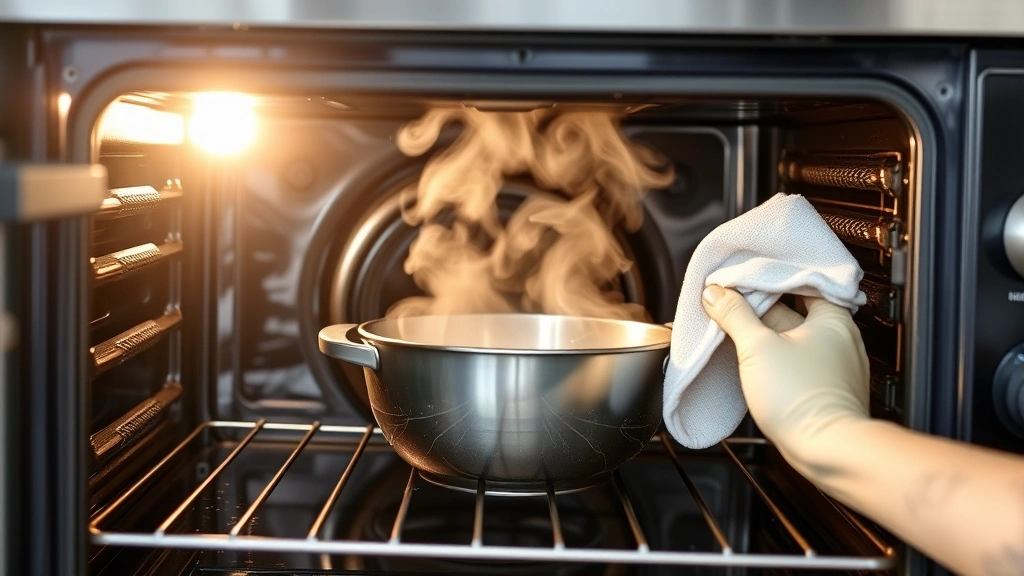
To create a basic steam-cleaning system, fill a heat-safe bowl with water and place it in your oven preheated to 400°F. Let it sit for 20-30 minutes while the steam penetrates and loosens debris. Remove the bowl carefully (it will be extremely hot), then use soft cloths and plastic scrapers to wipe away the loosened buildup. The moisture and heat combination breaks chemical bonds holding deposits to surfaces without any scrubbing required.
For enhanced results, add a few drops of dish soap or a tablespoon of vinegar to the water before heating. The steam will distribute these agents throughout the oven, improving their effectiveness. This method is ideal if you have respiratory sensitivities, chemical allergies, or simply prefer to avoid fumes entirely.
The main drawback of steam cleaning is that it works best on light to moderate buildup rather than years of accumulated carbon. For heavily soiled ovens, steam alone may not suffice, though it works wonderfully as a maintenance method after initial deep cleaning. Combining steam with baking soda paste offers an excellent middle ground—the paste does the heavy chemical lifting overnight, then steam helps remove remaining residue the next morning.
Prevention Strategies for Long-Term Maintenance
The most effortless oven cleaning is no cleaning at all, making prevention the ultimate strategy. Implementing simple habits can dramatically reduce buildup and extend the time between deep cleans. Use oven liners—removable, reusable silicone or aluminum sheets that catch drips and spills without damaging your oven’s interior. These liners catch the worst of the mess while remaining easy to wipe clean.
Place a baking sheet on the rack below whatever you’re cooking to catch drips before they reach the oven floor. This simple step eliminates the worst sources of buildup. When spills do occur, clean them immediately while the oven is still warm (but cool enough to touch safely). Warm residue wipes away far more easily than cold, baked-on debris.
Perform monthly maintenance cleaning using the baking soda paste method, even if buildup seems minimal. Spending 15 minutes monthly prevents the need for intensive cleaning sessions. This approach is comparable to how you’d maintain how to clean oil from concrete surfaces—regular light maintenance prevents heavy buildup from requiring aggressive treatment later.
Consider your cooking methods as well. Using covered baking dishes, roasting pans with lids, or even tenting with aluminum foil prevents splattering. Acidic ingredients like tomatoes and citrus can help prevent some types of buildup, while high-fat foods are primary contributors to heavy residue. While you shouldn’t change your cooking for oven cleanliness, being aware of these factors helps you plan appropriate cleaning schedules.
Safety Considerations and Ventilation
Regardless of which cleaning method you choose, proper safety precautions are essential. Ensure excellent ventilation by opening windows, using exhaust fans, and potentially running a portable air purifier during the cleaning process. Even natural ingredients like vinegar produce strong odors that can be overwhelming in poorly ventilated spaces.
When using any commercial oven cleaner, wear nitrile gloves, eye protection, and consider a respirator if you’re sensitive to fumes. Keep the product away from children and pets, and store it safely after use. Never leave the oven unattended with cleaning products inside, and ensure all products are completely removed before using the oven for cooking.
If you’re using an oven with a self-cleaning function, understand that this feature heats the oven to extremely high temperatures—often exceeding 900°F—to incinerate buildup. While effective, this process can damage certain cookware left inside and produces smoke and odors that require excellent ventilation. Never use additional cleaning products on a self-cleaning oven unless the manufacturer explicitly approves them.
For families with young children or pets, natural cleaning methods using baking soda and vinegar are safest since these ingredients are non-toxic and won’t cause harm even with accidental ingestion. The same principle applies to maintaining other household surfaces—DIY car cleaning: a complete guide to keeping your vehicle spotless also emphasizes safety-first approaches when children are present.
FAQ
How long does it take to clean an oven without scrubbing?
The time investment depends on your method. Baking soda paste requires overnight application (8-12 hours) plus 20-30 minutes of wiping time the next day. Commercial cleaners work in 20-30 minutes but require immediate application and careful monitoring. Steam cleaning takes 30-45 minutes total. If you include the initial setup and preparation time, plan 45 minutes to one hour for any method, plus drying time.
Can I use these methods on self-cleaning ovens?
Most self-cleaning ovens shouldn’t have additional cleaning products applied during their self-cleaning cycle. However, you can use baking soda paste or steam cleaning between self-cleaning cycles for maintenance. Always consult your oven’s manual, as some manufacturers specifically prohibit certain products. The self-cleaning cycle alone should handle heavy buildup, making supplemental cleaning unnecessary for these models.
What’s the best method for ovens with stainless steel interiors?
Stainless steel interiors require gentler handling than enamel. Avoid abrasive scrubbers and acidic cleaners that can damage the finish. Baking soda paste works well, but use soft cloths for wiping. Steam cleaning is ideal for stainless steel as it avoids chemical contact entirely. Never use steel wool or harsh scrubbing pads, as these will scratch the surface. Test any new product on a small, inconspicuous area first.
Is vinegar safe to use in ovens with self-cleaning features?
Vinegar itself is safe, but avoid using it during a self-cleaning cycle. The combination of vinegar fumes and the extreme heat from self-cleaning could potentially cause issues. Use vinegar only for maintenance cleaning between self-cleaning cycles. The self-cleaning function should handle any buildup effectively on its own.
How often should I deep clean my oven?
With proper prevention strategies and monthly maintenance, a deep clean is necessary only 2-4 times yearly. Heavy users or those without prevention measures might need quarterly deep cleaning. The baking soda paste method is gentle enough for monthly use if needed, while commercial cleaners are best reserved for 2-3 times yearly at most. Regular maintenance prevents the need for intensive cleaning.
Can I combine multiple cleaning methods?
Yes, combining methods often works better than using a single approach. For example, apply baking soda paste overnight, then use steam the next morning to help remove remaining residue. This combination handles even heavily soiled ovens effectively. However, never mix commercial oven cleaner with other products, as chemical reactions can produce dangerous fumes.
What should I do about oven racks?
Remove racks before cleaning and soak them separately in hot water with baking soda or commercial cleaner. This prevents damage to racks during interior oven cleaning and allows you to clean them more thoroughly. For racks, you can use more aggressive scrubbing since they’re not delicate oven surfaces. Many people soak racks in the bathtub overnight with baking soda and dish soap for effortless cleaning.
Are there any oven types where these methods don’t work?
These methods work on virtually all conventional ovens, but convection ovens, microwave ovens, and toaster ovens have different considerations. Toaster ovens have limited interior space, making paste application challenging—steam or quick commercial cleaners work better. Microwave ovens respond excellently to steam cleaning. Always check manufacturer recommendations for specialized oven types.


