
How to Clean Stove Top Burners: Pro Tips for a Sparkling Finish
Your stove top burners endure daily cooking abuse—splattering oils, boiling-over liquids, and stubborn burnt-on residue. Over time, even the most diligent home chef finds themselves staring at cloudy, discolored burners wondering how they got so grimy. The good news? Achieving a sparkling, like-new finish doesn’t require expensive commercial cleaners or professional restoration services. With the right techniques, affordable household materials, and a bit of elbow grease, you can restore your stove burners to pristine condition.
Whether you have electric coil burners, smooth glass-top ranges, or gas burners, this comprehensive guide covers every method and material you need to know. We’ll walk you through professional-grade cleaning strategies that work, safety considerations you must follow, and preventative maintenance tips to keep your burners looking brilliant between deep cleans. By the end, you’ll understand exactly how to tackle stubborn burnt-on food, mineral deposits, and discoloration—transforming your kitchen’s most-used appliance back into something you’re proud to show off.
Understanding Your Burner Type
Before diving into cleaning techniques, you need to understand what type of burners you’re working with. Different burner styles require different approaches, and using the wrong method could damage your appliance. The three main categories are electric coil burners, electric smooth-top (glass) ranges, and gas burners—each with distinct characteristics and cleaning requirements.
Electric coil burners feature exposed heating coils that glow red when activated. These removable elements sit on drip pans that catch spills before they damage the stovetop surface. The coils themselves are relatively durable but can develop corrosion and discoloration from repeated heating cycles and exposure to moisture. Gas burners include grates, caps, and burner heads that sit atop a sealed cooktop surface. These components are typically removable, making them easier to clean thoroughly. Glass-top ranges represent a different challenge entirely—the smooth surface is beautiful but prone to scratches and thermal shock damage from rapid temperature changes.
Identifying your specific burner type matters because it determines which cleaning products and techniques are safe. For instance, abrasive scrubbing that works fine on cast iron gas grates could scratch an expensive glass cooktop permanently. Similarly, certain chemical cleaners that dissolve burnt-on residue beautifully on coil burners might damage the protective coating on glass surfaces. Take a moment to locate your appliance’s manual or check the manufacturer’s website for specific cleaning recommendations—this single step prevents costly mistakes.
Essential Cleaning Supplies You’ll Need
Professional results start with having the right tools and materials on hand. You don’t need expensive specialty products; most effective burner cleaners are common household items you probably already own. Let’s break down what works and why these materials are so effective at cutting through grease and burnt-on food.
Baking soda is your workhorse cleaner. This gentle abrasive contains mild alkaline properties that cut through grease and burnt residue without scratching most surfaces. When mixed with water into a paste, it creates a gentle scrubbing compound that professionals recommend. Baking soda also deodorizes, eliminating the burnt smell that lingers on burners.
White vinegar dissolves mineral deposits and grease while cutting through stubborn burnt-on food. The acidity breaks down calcium buildup and oxidation without producing toxic fumes. Combined with baking soda, vinegar creates a fizzing reaction that lifts debris from crevices—similar to how professional drain cleaners work, but completely safe for your cookware and surfaces.
Dish soap removes grease and makes surfaces slippery for easier scrubbing and rinsing. A few drops mixed with warm water creates an effective cleaning solution for routine maintenance. Look for concentrated formulas that cut through heavy grease more effectively than diluted varieties.
Cream of tartar mixed with lemon juice creates a powerful paste for stubborn discoloration and burnt spots. This combination is particularly effective on electric coil burners and gas grates. The mild acid in lemon juice combined with tartar’s gentle abrasive properties works similar to commercial rust removers but without harsh chemicals.
Gather soft-bristled brushes, non-abrasive sponges, microfiber cloths, and old toothbrushes for detail work. Avoid steel wool or harsh scouring pads unless specifically recommended for your burner type. Rubber gloves protect your hands, and ensure your workspace has good ventilation when using any cleaning products, even natural ones.

Step-by-Step Cleaning Methods for Each Burner Type
Now that you understand your burner type and have gathered supplies, let’s walk through specific cleaning procedures. Each method is designed to maximize effectiveness while protecting your appliance.
For electric coil burners: Start by unplugging your stove completely—never clean powered-on coils. Allow the burners to cool completely; hot coils can cause burns. Remove the coil burners by gently pulling them straight out of their socket. Most coils simply twist and lift free. Place them in a bathtub or large sink filled with hot water mixed with dish soap and baking soda. Let them soak for 15-30 minutes to soften burnt-on residue.
While coils soak, clean the drip pans underneath. These catch most spills and often accumulate baked-on grease. Soak them in the same soapy water or create a baking soda paste. After soaking, scrub both coils and pans with soft-bristled brushes, focusing on heavily soiled areas. For stubborn spots, make a paste of cream of tartar and lemon juice—apply it directly and let sit for 10 minutes before scrubbing. Rinse thoroughly with clean water and dry completely before reinstalling.
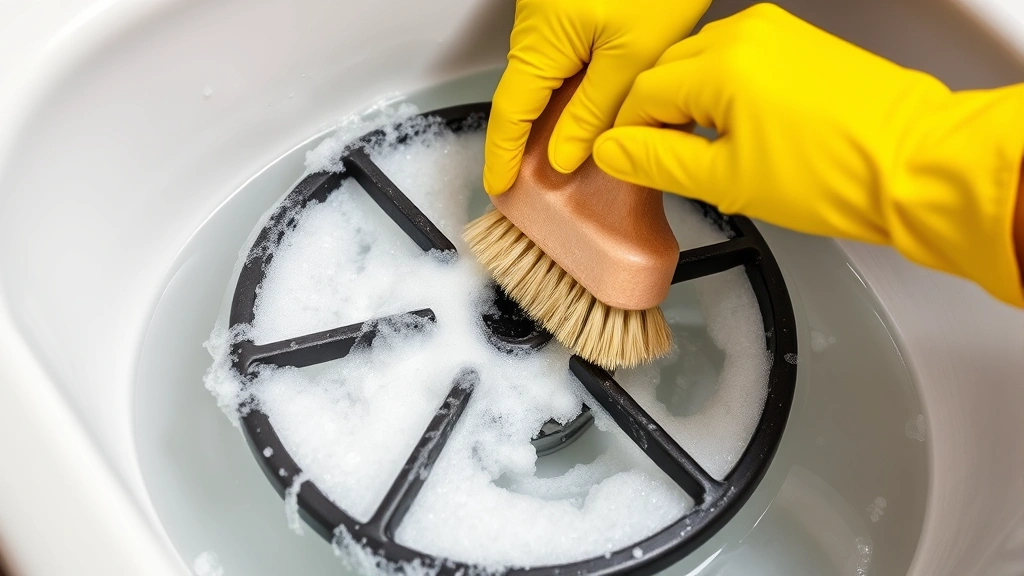
For gas burners: Turn off the gas supply at the control knob and allow burners to cool. Remove the grates and burner caps—most twist or lift straight out. Some models have additional components like burner heads or ignition covers; consult your manual for proper removal. Soak all removable parts in hot soapy water for 20-30 minutes. This softens grease and makes scrubbing easier.
Clean around the sealed cooktop surface using a damp cloth and mild dish soap. Pay special attention to crevices where food particles accumulate. For the removable components, scrub with soft brushes and non-abrasive sponges. Use an old toothbrush to clean small holes in burner caps—these control flame distribution and clogging affects cooking performance. For heavy discoloration on cast iron grates, create a paste of baking soda and vinegar; let it sit for 15 minutes before scrubbing. Rinse everything thoroughly and dry completely before reinstalling.
For glass-top ranges: These require the gentlest approach. Allow the cooktop to cool completely. Use a soft cloth slightly dampened with water and a small amount of dish soap. Wipe in circular motions, avoiding excessive pressure. For burnt-on food, spray with a mixture of equal parts white vinegar and water; let sit for 5 minutes, then wipe with a soft cloth. Never use abrasive scrubbers or harsh chemicals—these scratch the surface and void warranties.
For stubborn spots on glass tops, use a specialized glass cooktop cleaner (like Cerama Bryte or similar products designed specifically for this purpose). Apply according to manufacturer instructions. Always wipe with the grain of the glass when possible, and use only non-abrasive cloths. A microfiber cloth works excellently for preventing streaks.
Tackling Stubborn Burnt-On Residue and Discoloration
Sometimes standard cleaning methods aren’t enough. When you’re dealing with months of accumulated burnt food, heavy discoloration, or rust spots, you need more aggressive techniques. The key is applying the right product and allowing adequate soaking time—patience beats force every time.
The baking soda and vinegar method works exceptionally well for stubborn burnt spots. Make a thick paste by mixing baking soda with just enough water to create a consistency like peanut butter. Spread this paste generously over burnt areas and let it sit for 15-30 minutes. The baking soda’s mild alkalinity begins breaking down the burnt residue. Pour white vinegar over the paste—it will fizz and bubble, which is exactly what you want. This chemical reaction lifts debris from the surface. After the fizzing stops, scrub gently with a soft brush and rinse thoroughly.
Cream of tartar and lemon juice paste is particularly effective for discolored electric coil burners. Mix equal parts cream of tartar and lemon juice to form a thick paste. Apply directly to discolored areas and let sit for 10-15 minutes. The mild acid in lemon juice combined with tartar’s gentle abrasive properties dissolves oxidation without scratching. This method also works well on gas grate discoloration. Scrub gently and rinse completely.
For rust spots on gas grates: Create a paste of baking soda and white vinegar. Apply to rust spots and let sit for 20 minutes. The acidic vinegar dissolves rust while baking soda provides gentle scrubbing action. Scrub with a soft brush and rinse thoroughly. Dry immediately to prevent new rust formation. If rust is severe, consider soaking the grates in white vinegar for several hours before scrubbing.
Commercial oven cleaners can tackle extremely stubborn burnt-on food, but use them cautiously and only on materials that tolerate harsh chemicals. Never use oven cleaner on glass-top ranges. For coil burners and gas grates, spray oven cleaner according to product instructions, allow the recommended soaking time, and scrub with appropriate tools. Always wear gloves and ensure excellent ventilation. Rinse extremely thoroughly multiple times—residual cleaner can damage your cookware and food.
The most important principle when dealing with stubborn residue: soak longer, scrub gentler. A burner that soaks for an hour in soapy water followed by gentle scrubbing produces better results than aggressive scrubbing after minimal soaking. This approach also prevents damage to your appliance and reduces frustration.
Preventative Maintenance to Keep Burners Sparkling
Preventing buildup is infinitely easier than removing it. Implementing simple maintenance habits keeps your burners looking new and functioning optimally. These strategies require minimal time investment but deliver dramatic long-term results.
Daily wipe-downs prevent grease accumulation. After cooking, once your stovetop cools, wipe burners and surrounding surfaces with a damp cloth. This removes fresh spills before they bake on and become stubborn. A quick daily wipe takes two minutes but saves hours of scrubbing later. For gas burners, remove caps and grates weekly for a thorough cleaning—this prevents grease buildup in crevices.
Use burner covers or protective liners to catch spills before they contact your cooktop. These inexpensive accessories catch drips and splatters, keeping your burners cleaner. Aluminum foil liners work for coil burner drip pans, though some manufacturers advise against this—check your manual first. For gas ranges, specialized burner covers designed for your specific model prevent food from reaching the cooktop surface entirely.
Wipe spills immediately during cooking when possible. If something boils over or splatters, carefully wipe it away once the burner cools slightly. Fresh spills wipe away easily; baked-on residue requires serious scrubbing. Keep a damp cloth nearby while cooking for quick cleanups.
Clean removable components weekly rather than waiting for visible buildup. This is especially important for gas grates and burner caps. A quick soak and scrub takes 10 minutes weekly but prevents the heavy buildup that develops over months. You’re also more likely to notice damage or corrosion early when you inspect components regularly.
Avoid abrasive cookware on glass-top ranges. Use smooth-bottomed pots and pans that won’t scratch the surface. Even small scratches accumulate and eventually affect the cooktop’s appearance and potentially its function. Similarly, never drag heavy cookware across glass tops—always lift and place items carefully.
Consider exploring our DIY car cleaning guide for additional maintenance philosophy applicable to all household appliances—consistent preventative care beats reactive deep cleaning every time.
Safety Considerations When Cleaning Burners
Burner cleaning involves several safety considerations that protect both you and your appliance. Overlooking these precautions can result in electrical hazards, chemical burns, or appliance damage.
Always unplug electric stoves completely before removing coil burners or cleaning the cooktop surface. Even if you turn off the burner control, electricity still flows to the unit. Unplugging ensures absolute safety. Wait at least 30 minutes after turning off burners before touching them—they retain heat far longer than you’d expect.
For gas ranges, turn off the gas supply at the control knob before removing components. Never attempt burner cleaning while gas is flowing. If you smell gas during or after cleaning, evacuate immediately and call your gas company’s emergency line. Gas leaks are serious hazards requiring professional attention.
Ensure proper ventilation when using any cleaning products, including natural ones like vinegar and baking soda. Open windows and doors to allow fumes to dissipate. This is especially important when using commercial oven cleaners or other harsh chemicals. Never mix cleaning products—combining vinegar and baking soda creates safe results, but mixing commercial cleaners can produce toxic gases.
Wear appropriate protective equipment. Rubber gloves protect your hands from harsh chemicals and hot water. Eye protection prevents splashes when working with vinegar or commercial cleaners. If you have sensitive skin, gloves also prevent irritation from repeated exposure to soap and water.
Allow adequate drying time before reinstalling burners or using your stove. Moisture inside electrical components or gas connections creates hazards. Dry all parts thoroughly with clean cloths before reinstalling. For electric coils, ensure the socket is completely dry before plugging back in.
Never submerge electric coil burners completely in water, though soaking in soapy water is acceptable. The electrical connection point must remain dry. Keep water away from the socket area where coils connect to your stove.
If you’re uncertain about any cleaning procedure or your appliance shows signs of damage, consult the manufacturer’s manual or contact a professional appliance repair service. Your safety and your appliance’s integrity are worth the professional consultation fee.
Frequently Asked Questions
Can I use bleach to clean stove burners?
Avoid bleach on burners unless your appliance manual specifically recommends it. Bleach can corrode metal components, damage finishes, and create hazardous fumes when combined with other cleaning products. Safer alternatives like baking soda and vinegar work effectively without these risks.
How often should I deep clean my stove burners?
Deep cleaning frequency depends on cooking habits. Light cooks might deep clean quarterly; heavy cooks should do it monthly. Daily wipe-downs and weekly component cleaning reduce the need for intensive deep cleaning. Most people find quarterly deep cleaning sufficient when maintaining consistent daily habits.
Why do my electric coil burners have discoloration even after cleaning?
Permanent discoloration on electric coils often results from oxidation caused by repeated heating cycles. Some discoloration is cosmetic and doesn’t affect performance. If the burner heats evenly and reaches proper temperature, it’s functioning correctly despite appearance. Severe discoloration that affects heating performance indicates the coil needs replacement.
Is it safe to use commercial oven cleaner on glass-top ranges?
No. Commercial oven cleaners can damage glass-top finishes and create permanent etching or discoloration. Use only products specifically designed for glass cooktops. Always check your appliance manual for approved cleaning products.
What should I do if cleaning reveals damage to my burners?
If you discover cracks in glass tops, severe rust that won’t come clean, or coils that don’t heat properly after cleaning, contact a professional appliance repair service. Attempting to use damaged burners creates safety hazards. Most issues are repairable or replaceable without replacing the entire stove.
Can I prevent rust on gas grates?
Yes. Dry gas grates immediately after cleaning—moisture causes rust. Store grates in a dry location if you remove them for extended periods. Apply a thin coat of food-grade mineral oil to dry cast iron grates to create a protective barrier. Wipe off excess oil before reinstalling to prevent smoking during cooking.


