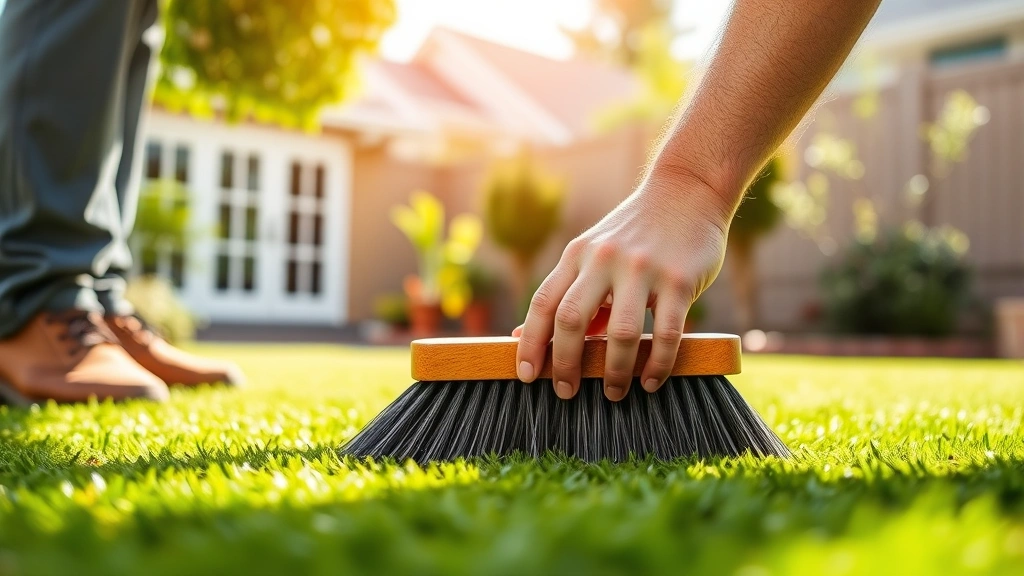
How to Clean Turf Properly: Expert Tips for Maintaining Artificial Grass
Artificial turf has become an increasingly popular choice for homeowners and businesses seeking a low-maintenance landscaping solution. Unlike natural grass, synthetic turf requires specific cleaning techniques to maintain its appearance, extend its lifespan, and preserve its performance characteristics. Whether you’ve installed artificial turf in your backyard, on a sports field, or around your commercial property, understanding proper cleaning methods is essential for protecting your investment.
This comprehensive guide will walk you through professional-grade cleaning techniques that you can implement yourself. From routine maintenance to deep cleaning procedures, we’ll cover everything you need to know about keeping your artificial turf looking fresh and performing optimally. Many property owners are surprised to learn that turf cleaning is just as important as maintaining other outdoor surfaces, and neglecting it can lead to costly repairs or premature replacement.

Why Regular Turf Cleaning Matters
Artificial turf systems are engineered to withstand significant foot traffic and environmental exposure, but they still require consistent care. Regular cleaning prevents the accumulation of organic matter, dust, and debris that can degrade the turf’s appearance and functionality. When leaves, grass clippings, and dirt accumulate on synthetic grass, they can trap moisture and create an environment conducive to mold and mildew growth.
The primary reasons to maintain a regular turf cleaning schedule include extending the product’s lifespan, maintaining proper drainage, preventing odors, and preserving the aesthetic appeal of your landscape. According to ASTM International standards for synthetic turf products, proper maintenance can extend the life of quality artificial grass by several years. Additionally, regular cleaning helps prevent the infill material from becoming compacted, which is critical for maintaining the turf’s cushioning and performance characteristics.
Many homeowners who have invested in artificial turf don’t realize that the cleaning process is straightforward and requires minimal specialized equipment. With the right approach, you can maintain your turf in excellent condition without hiring professional services for routine maintenance.

Essential Tools and Equipment for Turf Maintenance
Before you begin cleaning your artificial turf, gather the necessary tools and materials. Having the right equipment makes the job easier and helps prevent damage to the turf fibers. Here’s what you’ll need for basic and advanced cleaning:
- Stiff-bristled brush or broom: Essential for removing debris and brushing the turf fibers upright
- Garden hose with adjustable nozzle: For rinsing and light cleaning without high pressure
- Leaf blower: Excellent for removing dry leaves and light debris before wet cleaning
- Soft-bristled rake: Helps loosen compacted infill material gently
- Shop vacuum: Useful for collecting debris in a more efficient manner than sweeping
- Mild detergent or specialized turf cleaner: For addressing stains and buildup
- Rubber gloves and safety glasses: Protect yourself during the cleaning process
- Bucket: For mixing cleaning solutions
Avoid using high-pressure washers or power equipment that exceeds 1500 PSI, as these can damage the turf fibers and dislodge infill material. The goal is gentle but thorough cleaning that removes contaminants without compromising the turf’s structural integrity. For more information on proper equipment selection, consult IFAI (Industrial Fabrics Association International) guidelines for synthetic turf care.
Weekly and Monthly Cleaning Routines
Establishing a consistent cleaning schedule is the foundation of proper turf maintenance. Weekly routines prevent debris accumulation and keep your turf looking fresh throughout the year. These regular maintenance tasks are similar in principle to how you might approach cleaning other household items regularly, but adapted for outdoor applications.
Weekly Cleaning Steps:
- Use a leaf blower to remove dry leaves, twigs, and surface debris
- Sweep the area with a stiff-bristled broom, brushing in different directions to lift matted fibers
- Pick up any visible trash or foreign objects by hand
- Check for any spills or stains that need immediate attention
Monthly Deep Maintenance:
- Perform all weekly cleaning tasks
- Rinse the entire turf area with a garden hose using moderate water pressure
- Gently brush the turf with a soft-bristled rake to restore fiber texture
- Inspect the turf for any signs of damage, wear, or drainage issues
- Check infill levels and add more if necessary (typically needed annually or bi-annually)
The frequency of these routines may need to increase during fall when leaves are dropping heavily, or in areas with high foot traffic. Some homeowners also find it beneficial to schedule a more intensive cleaning every three months, similar to how you might approach comprehensive home maintenance tasks outlined in our DIY home security and maintenance guides.
Deep Cleaning Methods and Techniques
Deep cleaning should be performed at least twice annually, typically in spring and fall. This more intensive process removes accumulated dirt, dust, and organic matter that weekly maintenance might miss. Deep cleaning is particularly important in areas with high humidity or frequent rainfall, where moisture retention can become problematic.
Step-by-Step Deep Cleaning Process:
- Initial debris removal: Use a leaf blower to remove all loose surface debris thoroughly
- Vacuuming: Pass a shop vacuum over the entire turf area to collect fine dust and particles
- Rinsing with water: Use a garden hose with moderate pressure to rinse the turf, working in sections
- Applying cleaning solution: Mix a mild detergent with water (typically one part detergent to ten parts water) and apply with a sprayer or watering can
- Gentle agitation: Use a soft-bristled brush to work the cleaning solution into the turf fibers
- Thorough rinsing: Rinse completely with clean water to remove all soap residue
- Drying and brushing: Allow the turf to air dry, then brush to restore the natural fiber texture
For specialized cleaning challenges, consider products specifically designed for synthetic turf. The National Turf Research Program provides recommendations for turf care products that won’t damage the synthetic fibers or infill material.
Removing Stubborn Stains and Debris
Different types of stains require different treatment approaches. Identifying the stain source is the first step in determining the most effective cleaning method. Pet accidents, food spills, rust stains, and algae growth each need specialized attention.
Common Stains and Solutions:
- Pet urine and feces: Rinse immediately with water, then apply a mixture of white vinegar and water (1:1 ratio). Rinse thoroughly afterward to remove odors
- Food and beverage spills: Blot immediately, rinse with water, and apply mild soap solution if needed
- Rust stains: Use a specialized rust remover designed for synthetic materials, following product instructions carefully
- Algae and mold: Apply a mixture of one part white vinegar to three parts water, let sit for 15-20 minutes, then brush gently and rinse thoroughly
- Chewing gum or sticky substances: Allow to dry completely, then carefully pick or scrape away with a plastic tool (never use metal)
- Oil and grease stains: Sprinkle baking soda on the affected area, let sit for several hours, then vacuum and rinse
Always test any cleaning solution on an inconspicuous area first to ensure it won’t discolor or damage the turf fibers. Some synthetic grass products have specific care requirements, so consult your manufacturer’s documentation before using new cleaning products. You can find additional cleaning guidance in our comprehensive articles like how to clean trout, which emphasizes the importance of understanding material-specific cleaning needs.
Seasonal Maintenance Considerations
Different seasons present unique challenges for turf maintenance. Understanding these seasonal variations helps you adjust your cleaning schedule and techniques accordingly.
Spring Maintenance: After winter, perform a thorough inspection and deep cleaning to remove accumulated dirt, debris, and any damage. Check drainage systems to ensure water flows properly after winter weather.
Summer Care: Increase frequency of light cleaning during high-traffic seasons. Watch for algae growth in humid conditions and ensure proper drainage to prevent water pooling.
Fall Maintenance: Increase cleaning frequency as leaves fall consistently. This is an ideal time for infill top-up and deep cleaning before winter weather arrives. Consider scheduling professional cleaning services if your property has extensive turf coverage.
Winter Considerations: Reduce cleaning frequency in cold climates where frozen debris is difficult to remove. Avoid using salt-based ice melts on turf; opt for calcium chloride alternatives instead. Check that snow removal equipment doesn’t damage the turf fibers.
For comprehensive seasonal home maintenance strategies, review our guide on DIY basement finishing and seasonal home care.
Common Mistakes to Avoid
Understanding what not to do is just as important as knowing proper cleaning techniques. Common mistakes can damage your turf and void warranties.
- Using high-pressure washers: Pressures exceeding 1500 PSI can damage fibers and dislodge infill material permanently
- Applying harsh chemicals: Bleach, acidic cleaners, and petroleum-based products can discolor or degrade synthetic fibers
- Over-saturating with water: While rinsing is necessary, excessive water can compact infill and create drainage problems
- Using metal tools for scraping: Metal implements can tear or fray turf fibers; always use plastic or rubber tools
- Neglecting drainage inspection: Poor drainage is a leading cause of turf degradation and should be checked regularly
- Allowing debris to accumulate: Neglecting regular cleaning accelerates wear and creates conditions for mold growth
- Ignoring manufacturer guidelines: Different turf products have different care requirements; always consult your product documentation
Visit the Synthetic Turf Council for comprehensive best practices and manufacturer recommendations to ensure you’re following industry standards for your specific turf product.
For more detailed guidance on maintaining various surfaces and systems around your home, check out our DIY Nests Hub Blog for additional expert tips and comprehensive guides.
FAQ
How often should I clean my artificial turf?
Perform light cleaning weekly and deep cleaning at least twice yearly. High-traffic areas or properties in humid climates may require more frequent maintenance. Regular weekly sweeping and monthly rinsing will significantly extend your turf’s lifespan.
Can I use a pressure washer on artificial turf?
Only use pressure washers set to 1500 PSI or lower, and maintain a distance of at least 12 inches from the turf surface. High-pressure settings can damage fibers and dislodge infill material, causing expensive repairs.
What’s the best cleaning solution for artificial turf?
Mild dish soap mixed with water (1:10 ratio) works well for most cleaning tasks. For specific stains, white vinegar solutions work for organic matter, while specialized turf cleaners are available for stubborn stains. Always test solutions on inconspicuous areas first.
How do I prevent mold and mildew on my turf?
Ensure proper drainage by checking and maintaining infill levels, perform regular cleaning to remove organic matter, and increase air circulation around the turf. In humid climates, more frequent rinsing and brushing can prevent fungal growth.
Is it necessary to hire professional cleaning services?
While DIY maintenance handles routine cleaning effectively, professional services can be beneficial for deep cleaning every 2-3 years or for stubborn stains. Most regular maintenance can be accomplished with basic tools and household supplies.
What should I do if my turf has pet odors?
Rinse the affected area immediately with water, then apply a 1:1 vinegar and water solution. Let it sit for 15-20 minutes, then rinse thoroughly. For persistent odors, consider enzymatic cleaners designed for pet accidents on synthetic surfaces.
How can I restore the appearance of matted turf fibers?
Use a soft-bristled rake or stiff brush to gently brush the turf in different directions, working to lift the fibers upright. This process is similar to brushing carpet pile and should be done regularly to maintain the turf’s original appearance and texture.


