How to Clean Wool Safely: Expert-Approved Methods for Lasting Care
Wool is one of nature’s most durable and versatile fibers, prized for its insulating properties, resilience, and timeless appeal in everything from clothing to home furnishings. However, many DIY enthusiasts hesitate when it comes to cleaning wool items, fearing shrinkage, felting, or permanent damage. The truth is that with the right knowledge and techniques, cleaning wool is straightforward and rewarding—whether you’re refreshing a cherished sweater, maintaining wool carpets, or caring for upholstered furniture.
This comprehensive guide walks you through expert-approved methods for cleaning wool safely, from understanding fiber chemistry to selecting appropriate cleaning solutions and mastering hand-washing and machine techniques. By following these evidence-based approaches, you’ll extend the lifespan of your wool items while maintaining their softness, color, and structural integrity. Whether you’re tackling everyday maintenance or addressing stubborn stains, these proven strategies will help you become confident in your wool care routine.
Understanding Wool Fiber Structure and Why It Matters
Before you begin any cleaning process, it’s essential to understand what makes wool unique. Wool fibers have a scaly outer layer called the cuticle, which overlaps like roof shingles. This structure provides wool with its natural resilience and elasticity, but it also makes the fiber sensitive to agitation and temperature changes. When wool encounters hot water, mechanical friction, and alkaline conditions simultaneously, the scales can lock together permanently—a process called felting that permanently shrinks and hardens the fabric.
The protein structure of wool (primarily keratin) also responds to pH levels. Alkaline soaps and detergents can swell the fiber and cause damage, while slightly acidic conditions help the scales lay flat and protect the fiber. This is why using wool-specific detergents and maintaining proper water temperature are non-negotiable aspects of safe wool cleaning. Understanding these principles empowers you to make informed decisions about cleaning methods and products, similar to how understanding your home’s structural needs helps with DIY basement finishing projects.
Wool also contains natural lanolin—a waxy substance that provides water resistance and softness. Harsh cleaning can strip lanolin away, leaving wool feeling rough and less water-resistant. This is why gentle, pH-balanced cleaning solutions are superior to standard laundry detergents for wool care.
Pre-Cleaning Preparation and Assessment
Successful wool cleaning begins before water touches the fiber. Start by examining care labels on your wool items; manufacturers provide specific guidance based on the yarn weight, construction, and any special finishes applied. Check for fiber content percentages—items labeled as wool blends (wool mixed with synthetics) may tolerate slightly more agitation than pure wool.
Inspect the item for existing damage, including loose seams, weakened areas, or previous staining. Repair any loose stitching before washing to prevent further unraveling. For heavily soiled items, consider a light dry brushing with a soft-bristled garment brush to remove surface dust and debris. This reduces the amount of agitation needed during wet cleaning, minimizing fiber stress.
Test colorfastness on inconspicuous areas by applying a small amount of your chosen cleaning solution with a white cloth. Wait 10 minutes and check if dye transfers to the cloth. Some hand-dyed or vintage wool items may bleed slightly; if this occurs, you may need to use cooler water or reduce cleaning frequency. This preliminary testing prevents disappointing color loss and guides your cleaning approach, much like how you’d test materials before larger home maintenance projects.
Gather your cleaning supplies before beginning: wool-specific detergent, clean white towels, a mesh laundry bag (for machine washing), and optionally, white vinegar for final rinses. Having everything prepared streamlines the process and prevents you from leaving wool sitting in water while searching for supplies.
Hand-Washing Wool: The Gold Standard Method
Hand-washing remains the safest and most effective method for cleaning most wool items, particularly delicate knits, vintage pieces, and items with embellishments. The process is surprisingly simple and requires only a few minutes of active work.
Step-by-Step Hand-Washing Process:
- Fill basins with water: Use two large basins or a bathtub. Fill the first with lukewarm water (65-75°F or 18-24°C). The second basin should contain clean rinse water at the same temperature. Consistency in water temperature is critical—temperature fluctuations cause fiber stress and can trigger felting.
- Dissolve detergent: Add wool-specific detergent to the first basin according to product instructions, typically 1-2 teaspoons per gallon. Stir thoroughly to distribute the detergent evenly before adding wool. Never pour detergent directly onto dry wool, as concentrated soap can damage fibers.
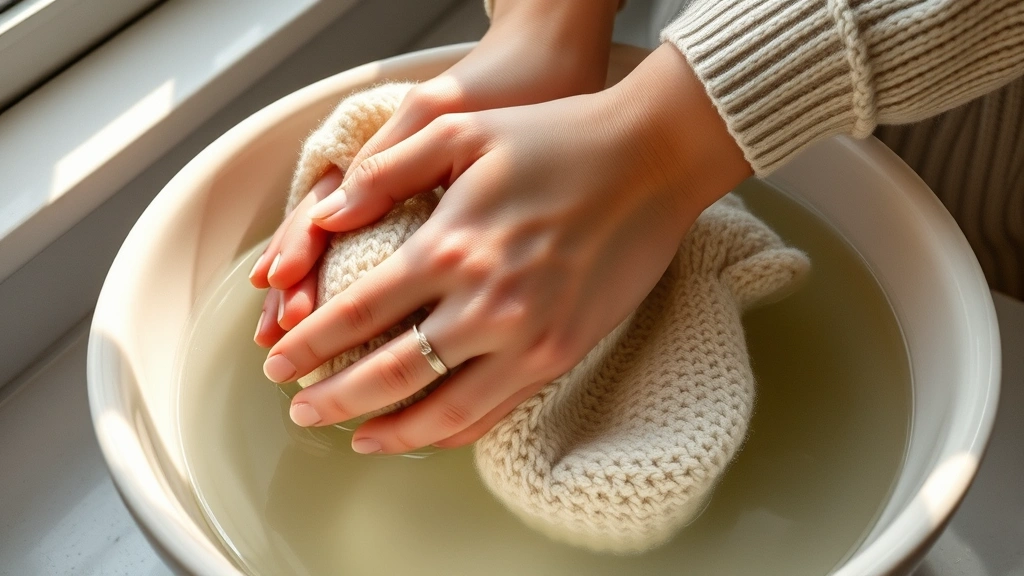
- Submerge and soak: Gently place the wool item into the soapy water, pressing down to fully submerge it. Allow 10-15 minutes of soaking. This gives the detergent time to penetrate fibers and loosen dirt without requiring vigorous agitation. Avoid lifting and dropping the item repeatedly, as this causes unnecessary stress.
- Gentle agitation: After soaking, gently squeeze the soapy water through the fabric using a gentle folding motion. Work from the top to the bottom, supporting the item’s weight throughout. Never wring, twist, or scrub wool—these actions cause felting and fiber damage.
- Rinse thoroughly: Drain the soapy water and gently squeeze out excess. Move the item to the rinse basin and repeat the gentle squeezing motion for 2-3 minutes. Repeat with fresh rinse water until the water runs clear and no soap residue remains. Incomplete rinsing leaves detergent in fibers, causing stiffness and color dullness.
- Final acidic rinse (optional but recommended): For the final rinse, add 1 tablespoon of white vinegar per gallon of water. This helps close the fiber scales, restore softness, and enhance color vibrancy. Soak for 2-3 minutes and gently squeeze through without wringing.
This method works exceptionally well for sweaters, scarves, blankets, and delicate knitted items. The gentle approach preserves fiber integrity while effectively removing dirt, body oils, and odors.

Machine Washing Wool Safely
Modern washing machines with wool-specific cycles have made machine washing a viable option for many wool items, though hand-washing remains superior for delicate or valuable pieces. Machine washing saves time and effort, making regular maintenance easier for busy households.
Selecting the Right Machine: Front-loading (horizontal axis) machines are gentler than top-loading machines because they tumble clothes rather than agitate them vertically. If you have a top-loader, hand-washing is preferable for fine wool. Some households benefit from understanding how to clean washer with vinegar and baking soda to maintain machine performance before washing delicate items.
Machine Washing Protocol:
- Place wool items in a mesh laundry bag to provide an additional protective barrier against agitation and friction with other items.
- Select the wool or delicate cycle on your machine. These cycles use slower spin speeds, shorter wash times, and reduced agitation compared to standard cycles.
- Use cold to lukewarm water (60-75°F). Many wool cycles default to cold water, which is ideal for color preservation and preventing felting.
- Add wool-specific detergent only—never use standard laundry detergent, which contains enzymes and surfactants that damage wool fibers. Follow the machine’s dispenser instructions or dissolve detergent in water before adding to the drum.
- Avoid fabric softeners, bleach, and heavy-duty additives. These products coat fibers and cause buildup over repeated washing, reducing breathability and softness.
- Run an extra rinse cycle to ensure complete detergent removal. Residual soap compromises wool’s natural water-resistance and feel.
Machine washing works well for sturdy wool items like blankets, larger garments with minimal construction detail, and items you wash frequently. However, always hand-wash items with delicate embellishments, loose seams, or special finishes.

Spot Cleaning and Stain Removal Techniques
Addressing stains promptly prevents them from setting permanently into wool fibers. The key principle is gentle action combined with appropriate cleaning agents matched to the stain type.
General Spot-Cleaning Steps:
- Blot immediately with a clean, white cloth to absorb excess liquid. Never rub, as this drives the stain deeper into fibers.
- For dry stains, gently brush away loose debris with a soft brush or cloth.
- Test your cleaning solution on an inconspicuous area first, waiting 10 minutes to check for color transfer or damage.
- Apply the cleaning solution to a clean cloth (not directly to the stain) and gently dab the affected area, working from the stain’s outer edges toward the center. This prevents the stain from spreading.
- Use another damp cloth with plain water to remove cleaning solution residue.
- Blot dry with a clean towel, pressing gently rather than rubbing.
Stain-Specific Solutions:
- Protein-based stains (blood, egg, dairy): Use cold water only—heat sets protein stains permanently. Mix 1 tablespoon wool detergent with 1 cup cold water and apply with a cloth, blotting repeatedly.
- Oil and grease: Sprinkle dry starch or talc powder on the stain and allow 15-20 minutes for absorption. Gently brush away powder and treat with a solution of 1 part white vinegar to 3 parts water. This breaks down oils without harming fibers.
- Wine, juice, and dyes: Blot immediately and rinse with cold water. For stubborn stains, use a solution of equal parts white vinegar and water, applied with gentle dabbing motions.
- Ink and ballpoint pen: Do not wet immediately, as moisture spreads ink. Instead, apply rubbing alcohol to a cloth and gently dab the stain. Work patiently in small sections.
- Mud and dirt: Allow to dry completely, then gently brush away dried soil. Once dry, mud releases from fibers more easily than when wet.
Avoid commercial stain removers designed for synthetic fabrics, as their harsh chemicals damage wool’s delicate protein structure. Stick to gentle, wool-safe solutions, and remember that patience and multiple gentle applications work better than aggressive single treatments.
Drying and Storage Best Practices
How you dry wool is just as important as how you wash it. Improper drying causes stretching, felting, and permanent shape loss, undoing your careful cleaning work.
Drying Methods:
- Flat drying (recommended for most items): Lay the wet wool item on a clean, dry towel or mesh drying rack. Gently shape it to its original dimensions and allow air circulation on all sides. Avoid direct sunlight and heat sources. Flat drying may take 24-48 hours depending on humidity and item thickness, but it preserves shape and prevents stretching.
- Rolling in towels: For items too large for flat drying, roll the wet wool in a clean towel to remove excess water by gentle pressure. Never wring or twist. Lay the rolled item on a flat surface for several hours, then unroll and lay flat to finish drying.
- Never machine dry: Machine drying causes felting, shrinkage, and fiber damage. Even low-heat settings generate excessive heat for wool.
- Never hang-dry: The weight of wet wool stretches fibers and distorts the item’s shape. Only hang wool when completely dry, and use padded hangers to prevent shoulder dimples.
Storage Considerations:
Store clean, completely dry wool in breathable cotton bags or folded in drawers with cedar blocks or lavender sachets to deter moths. Avoid plastic storage containers, which trap moisture and can cause mildew. Ensure storage areas remain cool and dry—basements and attics with humidity fluctuations are poor choices. Periodically refold stored items to prevent permanent creases.
For long-term storage of valuable wool pieces, consider vacuum storage bags designed specifically for delicate fabrics, which protect from moths while maintaining breathability. Check stored items quarterly for pest damage or moisture accumulation, and air them outside on dry, breezy days to refresh fibers.
Just as careful maintenance extends the life of your home systems—similar to how proper window AC cleaning preserves efficiency—proper wool storage preserves your garments for years of enjoyment.
FAQ
Can I use regular laundry detergent on wool?
No. Regular laundry detergents contain enzymes, surfactants, and alkali builders designed to remove tough stains from synthetic and cotton fibers. These ingredients damage wool’s delicate protein structure, causing felting, stretching, and loss of softness. Always use detergents specifically formulated for wool, which maintain proper pH balance and contain conditioning agents that protect fibers. Wool-specific detergents cost slightly more but extend garment lifespan significantly, making them a worthwhile investment.
What temperature water should I use for wool?
Lukewarm to cool water (60-75°F or 15-24°C) is ideal for wool cleaning. Water temperature consistency matters more than the specific temperature—fluctuations between washing and rinsing cause fiber stress and can trigger felting. Never use hot water, even for heavily soiled items, as heat causes permanent shrinkage and fiber damage. Cold water is acceptable for most wool items and offers the bonus of superior color preservation, particularly for hand-dyed or dark-colored pieces.
How often should I wash wool items?
Wool items require less frequent washing than synthetic or cotton fabrics because wool naturally resists odors and soiling. Most sweaters and knit tops need washing only every 3-5 wears, or when visibly soiled or smelling stale. Between washes, air items outside on breezy days to refresh fibers and eliminate odors. Wool underwear and items with direct skin contact should be washed more frequently—every 2-3 wears. This reduced washing frequency extends garment lifespan while minimizing fiber stress from repeated cleaning.
Can wool shrink even with careful washing?
Yes, wool can shrink if exposed to hot water, mechanical agitation, or alkaline conditions. However, careful washing using cold water, wool-specific detergent, and gentle hand-washing or delicate machine cycles minimizes shrinkage risk to nearly zero. If shrinkage occurs, it’s usually permanent, though blocking (stretching damp wool to shape and allowing to dry) can sometimes restore items. Always test water temperature and detergent on inconspicuous areas before full cleaning to prevent disasters.
Is dry cleaning necessary for wool?
Professional dry cleaning is not necessary for most wool items and can actually be harsh on delicate fibers due to chemical solvents and mechanical pressing. Hand-washing at home using the methods outlined in this guide is gentler and more effective for regular maintenance. Reserve professional dry cleaning for heavily soiled items, delicate vintage pieces, or structured garments like wool blazers where professional pressing provides value. When using dry cleaners, specifically request gentle handling and request they use wool-safe solvents.
Why does wool feel itchy after washing?
Itchiness usually results from incomplete rinsing (detergent residue), hard water minerals, or use of standard laundry detergent. Ensure thorough rinsing with multiple changes of water, and consider using distilled water for the final rinse if you have hard tap water. If you’re using wool-specific detergent and rinsing thoroughly but still experience itchiness, add 1 tablespoon of white vinegar to the final rinse water—this closes fiber scales and restores softness. Some people also find that conditioning treatments designed for wool enhance softness after washing.
What’s the difference between wool, merino wool, and cashmere care?
The fundamental cleaning principles remain the same across wool types: cold water, wool-specific detergent, and gentle handling. However, merino wool and cashmere are finer and more delicate than standard wool, requiring extra caution with hand-washing preferred over machine washing. Cashmere is particularly prone to pilling and felting, so minimize agitation and avoid rough towels during drying. Store cashmere and merino items folded rather than hung to prevent stretching. All wool types benefit from the methods described in this guide, with finer fibers simply requiring more consistent gentleness throughout the process.


