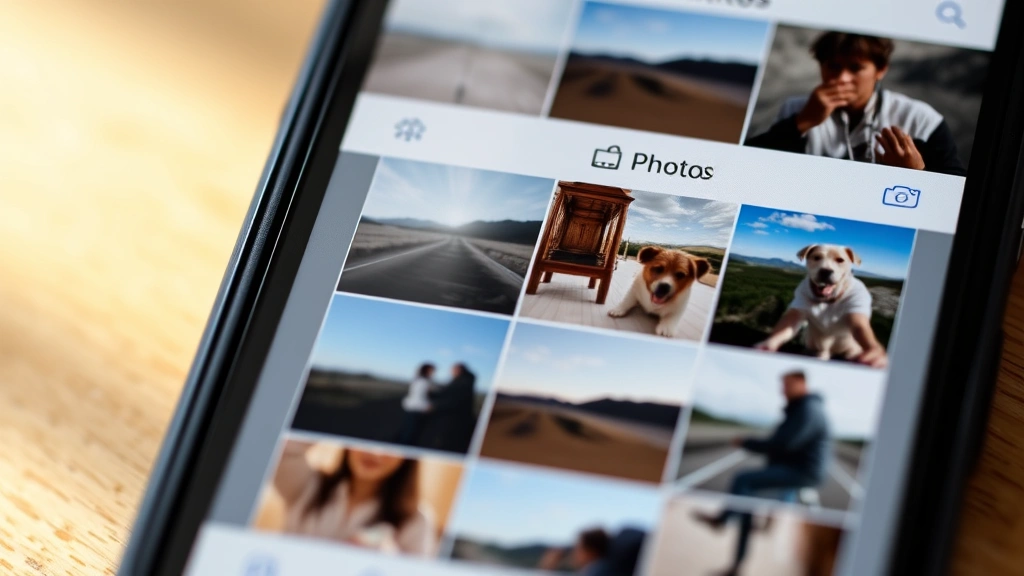
How to Combine Photos on iPhone: Expert Tips Inside
Combining photos on your iPhone has become easier than ever, whether you’re creating collages, stitching panoramas, or merging images for creative projects. Modern iPhones come equipped with powerful native tools and access to countless third-party applications that make photo combination a seamless process. Understanding these methods empowers you to create professional-looking composite images without needing a computer or expensive software.
Photography enthusiasts and casual users alike benefit from knowing multiple techniques to combine images. From the built-in Photos app to specialized editing software, your iPhone offers surprising versatility. This guide walks you through every method, from simple collages to advanced compositing, ensuring you can tackle any photo-combining project confidently.

Native iPhone Tools for Photo Combining
Apple has integrated several powerful photo combination features directly into iOS, making it unnecessary to download additional apps for basic tasks. The native Photos app, available on all iPhones, includes editing capabilities that allow you to layer, crop, and adjust multiple images. These built-in tools leverage your device’s processing power efficiently, ensuring fast performance without draining battery life excessively.
The Markup feature represents one of the most underutilized native tools for combining photos. This feature allows you to annotate, draw, and add text directly to images, making it perfect for creating before-and-after comparisons or adding context to multiple photos. You can access Markup through the Photos app by selecting an image, tapping Edit, and then selecting the Markup icon.
Live Photo combining offers another native option, particularly useful for creating dynamic image sequences. By converting Live Photos into still images and then using the editing suite, you can create smooth transitions between multiple frames. This technique works especially well for action sequences or capturing movement across several exposures.
The Perspective Warp tool, available in the editing interface, enables creative combinations by adjusting how different image elements align. This sophisticated feature uses machine learning to understand spatial relationships, making it ideal for creating seamless composite images without visible seams. Users appreciate this tool for its intuitive interface and professional-grade results.

Using the Photos App’s Built-In Features
The Photos app serves as your primary interface for managing and combining images on iPhone. To begin combining photos using native features, open the Photos app and select Edit mode. From here, you access the full suite of editing tools designed specifically for iPhone’s touchscreen interaction. The interface prioritizes simplicity while maintaining professional functionality.
Cropping and resizing represent the foundational techniques for photo combination. By carefully cropping multiple images to complementary dimensions, you create a cohesive visual narrative. The app’s grid overlay helps maintain consistent framing across multiple photos. This preparation step proves crucial before combining images into a final composite.
Color matching becomes essential when combining multiple photos taken under different lighting conditions. The Photos app includes exposure, saturation, and color temperature adjustments that help unify disparate images. By matching these parameters across all photos you intend to combine, you ensure visual consistency in your final result. The app’s before-and-after preview feature lets you compare your adjustments in real time.
Filters can unify the aesthetic of multiple photos destined for combination. Applying the same filter across several images creates visual cohesion, making them appear as though they were taken during the same session under identical conditions. The app offers numerous filter options, from subtle adjustments to dramatic transformations, giving you complete creative control.
The Duplicate feature allows you to work non-destructively, creating copies of your original images before combining them. This safety feature ensures you never lose your original photo while experimenting with combination techniques. Simply long-press an image and select Duplicate to create a working copy.
For those interested in broader DIY projects and home improvement, understanding photo documentation becomes valuable. Many enthusiasts combine before-and-after photos to showcase their work progress, making these native tools essential for project documentation.
Creating Collages with Dedicated Apps
While native tools provide solid functionality, dedicated collage apps unlock additional creative possibilities. These applications offer specialized templates, layouts, and design elements that transform simple photo combinations into polished, professional-looking compositions. The app ecosystem provides options for every skill level and aesthetic preference.
Popular collage apps like Canva, PicCollage, and Adobe Express offer intuitive interfaces that make complex designs accessible to beginners. These apps feature hundreds of templates organized by category, allowing you to select a layout that matches your vision before importing your photos. The drag-and-drop interface makes positioning and resizing images effortless.
Advanced collage apps include features like text overlays, decorative borders, and background customization. These elements transform simple photo combinations into branded content suitable for social media sharing. Many apps integrate directly with your iPhone’s photo library, streamlining the selection process and maintaining full resolution throughout editing.
The best collage apps offer preset aspect ratios optimized for different platforms. Whether you’re creating content for Instagram, Facebook, or printing, these apps automatically adjust dimensions to match your intended use. This feature eliminates the guesswork involved in sizing photos for specific platforms.
Batch processing capabilities in premium collage apps allow you to combine multiple sets of photos simultaneously. This functionality proves invaluable for content creators managing large photo libraries or anyone creating consistent visual narratives across multiple collages. The time savings make premium subscriptions worthwhile for frequent users.
Integration with cloud storage services enables seamless workflow across devices. You can start combining photos on your iPhone and continue editing on your iPad or Mac without losing progress. This cross-device functionality appeals to professionals who need flexibility in their creative process.
Advanced Photo Merging Techniques
Beyond basic collages, advanced techniques enable sophisticated photo combinations that rival professional editing software. Panorama stitching represents one of the most impressive native capabilities, automatically combining multiple overlapping photos into a seamless wide-angle image. The iPhone’s computational photography handles the complex alignment and blending automatically.
To create panoramas, open the Camera app, swipe to Pano mode, and follow the on-screen guide as you sweep your device across your subject. The iPhone captures multiple frames and intelligently stitches them together, creating an image wider than any single frame could capture. This technique works exceptionally well for landscapes, architecture, and expansive scenes.
Focus stacking, though requiring third-party apps, enables combining photos taken at different focal distances to achieve greater depth of field than a single shot allows. Apps like Helicon Focus process multiple images, blending them so foreground and background appear equally sharp. This advanced technique appeals to macro photographers and product photographers seeking maximum detail.
HDR (High Dynamic Range) composition combines multiple exposures automatically on modern iPhones. The device captures several frames at different exposures and merges them intelligently, preserving detail in both bright and dark areas. This technique proves invaluable for high-contrast scenes where standard exposure would lose detail in either highlights or shadows.
Long exposure combining, available through specialized apps, merges multiple frames to create motion blur effects. This technique works beautifully for water photography, light trails, and other dynamic scenes. Apps like Slow Shutter Cam provide intuitive controls for adjusting the duration and intensity of motion effects.
Depth-of-field manipulation apps analyze the depth information captured by your iPhone’s dual camera system, allowing creative background blurring and foreground isolation. By combining multiple exposures with different depth information, these apps create professional-looking portraits with artistic background separation.
For those managing complex projects, like those described in our guide to DIY home security systems, combining security camera photos with architectural documentation creates comprehensive project records. These advanced techniques help communicate complex information visually.
Best Practices and Tips
Successful photo combining begins with careful planning and attention to technical details. Always shoot source images with combination in mind, maintaining consistent lighting, white balance, and composition across multiple shots. This preparation dramatically improves your final result and reduces editing time significantly.
Resolution matters tremendously when combining photos. Ensure all source images maintain similar resolution to avoid quality disparities in your final composite. If combining images of different sizes, resize them to match before merging to maintain visual consistency and prevent obvious quality variations.
Lighting consistency ranks among the most critical factors in seamless photo combinations. Harsh shadows, uneven illumination, or mismatched color temperatures immediately reveal composite images as artificial. When possible, photograph all source images under identical lighting conditions, or use your editing tools to meticulously match lighting across images.
Composition planning prevents awkward results when combining multiple photos. Sketch rough layouts before shooting, considering how different images will relate spatially in the final composition. This forethought ensures balanced, visually interesting combinations rather than haphazard arrangements.
Test your combinations at different zoom levels before finalizing. What appears seamless at full screen might reveal obvious seams or misalignments when viewed at actual size. Always examine your work critically and make refinements before sharing or printing.
Backup your original images before beginning any combination process. While non-destructive editing is possible, maintaining pristine originals ensures you can always return to source material if needed. The iPhone’s storage is often limited, making strategic backup practices essential.
Similar to how you’d document automotive maintenance projects with before-and-after photos, combining images for documentation should prioritize clarity and consistency. Use consistent angles, lighting, and composition across photos you intend to combine for documentation purposes.
Troubleshooting Common Issues
If your combined photos appear to have visible seams or misalignments, you may need to adjust your source images. Carefully examine the overlapping areas and use cropping tools to hide any obvious discontinuities. Sometimes slight adjustments to one image’s position resolve these issues without requiring complete recreation.
Quality loss during combination often results from excessive compression or resolution reduction. Always work with the highest resolution versions of your photos possible. Before sharing, export your combined image at the maximum quality setting to preserve detail.
Color inconsistencies between combined photos typically stem from different white balance settings during capture. Use your editing app’s color temperature and white balance tools to unify the color palette across all source images. Matching these parameters carefully is crucial for seamless combinations.
Apps crashing during photo combination usually indicates insufficient available storage or RAM. Close unnecessary background apps before beginning your editing session. If crashes persist, restart your iPhone and try again with fewer apps running simultaneously.
If the Photos app seems slow when handling multiple high-resolution images, consider creating lower-resolution copies for editing purposes. Once you’re satisfied with the composition and adjustments, switch to the high-resolution originals for final export.
Difficulty finding specific tools might indicate they’re hidden in menu hierarchies. Explore the editing interface thoroughly, scrolling through available options to locate less obvious tools. Many powerful features hide behind additional menu levels or require swiping to reveal.
If your combined images won’t export at desired quality levels, verify your export settings explicitly. Different apps offer varying quality presets; selecting the maximum quality option ensures your final image retains all detail and color information from your editing work.
FAQ
Can I combine photos for free on iPhone?
Yes, absolutely. Apple’s native Photos app includes basic combination features at no cost. Additionally, numerous free third-party apps like Canva and PicCollage offer collage creation without requiring payment. Premium features in these apps unlock additional options, but basic combining remains free.
What’s the best app for combining photos on iPhone?
The best app depends on your specific needs. For simple collages, Canva and PicCollage excel. For advanced panorama stitching, native iPhone capabilities surpass most third-party options. For specialized techniques like focus stacking, dedicated apps like Helicon Focus or Slow Shutter Cam prove superior to general-purpose solutions.
How do I combine photos into one image on iPhone?
The quickest method uses collage apps like PicCollage or Canva. Select your desired layout template, import your photos, position them as desired, and export your combined image. Alternatively, use the Photos app’s editing tools to manually layer and position images, though this requires more manual work.
Can I combine photos without visible seams?
Seamless combinations require careful attention to lighting, composition, and white balance during photography. Editing tools can help hide minor seams through cropping and content-aware filling, but perfect seams begin with thoughtful shooting. Advanced blending modes in professional apps can further improve seamlessness.
Will combining photos reduce image quality?
Quality loss occurs primarily during export and compression. By exporting at maximum quality settings and maintaining high resolution throughout the editing process, quality loss remains minimal. Avoid excessive resizing or cropping to preserve as much detail as possible in your final image.
How do I combine photos for documentation purposes?
For project documentation, like those captured during DIY woodworking projects, maintain consistent angles, lighting, and framing across all photos. Use before-and-after templates in collage apps to clearly show progression. This approach creates professional-looking documentation that effectively communicates project scope and results.
What resolution should I use for combined photos?
Use the highest resolution available from your iPhone’s camera. Modern iPhones capture 12-48 megapixels depending on the model. When combining, maintain these resolutions throughout editing and only compress during final export if necessary for sharing purposes.


