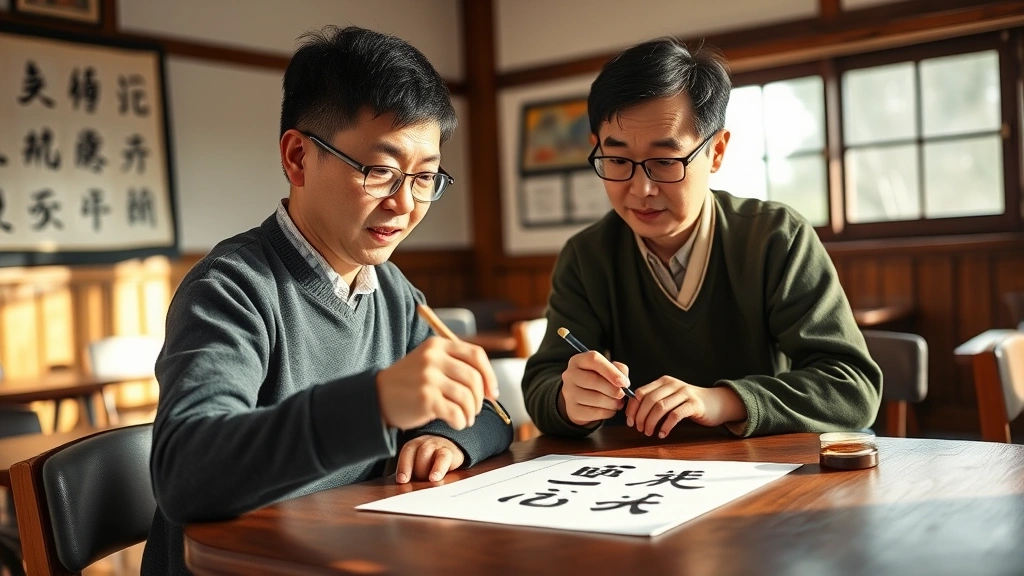
Learn Chinese Fast? Expert Tips for Quick Progress
Learning Chinese is one of the most rewarding yet challenging language pursuits for English speakers. Whether you’re motivated by career advancement, cultural connection, or personal growth, understanding realistic timelines and proven strategies can transform your learning journey from frustrating to fulfilling. The question isn’t just “how long does it take to learn Chinese,” but rather how to optimize every study hour for maximum retention and practical communication skills.
The honest answer depends on your goal, learning intensity, and the specific Chinese dialect you’re targeting. Mandarin Chinese, the most widely spoken variety, requires approximately 2,200 hours of study to reach professional proficiency according to language acquisition research. However, many learners achieve conversational ability in 6-12 months with consistent, strategic effort. This guide breaks down the real timeline, proven acceleration techniques, and practical frameworks to help you progress faster than traditional classroom methods.

Realistic Learning Timelines by Proficiency Level
Understanding proficiency levels prevents the discouragement that comes from vague goals. The U.S. State Department’s Foreign Service Institute categorizes language difficulty into levels, placing Mandarin Chinese in the highest tier for English speakers. Here’s what different commitment levels realistically achieve:
Casual Conversational (3-6 months): With 1-2 hours daily study, you can greet people, order food, introduce yourself, and handle basic travel situations. You’ll recognize approximately 500-1,000 characters and understand simple sentence structures. This foundation proves invaluable for DIY learners exploring language projects.
Intermediate Proficiency (1-2 years): Consistent study of 2-3 hours daily enables workplace communication, watching Chinese media with subtitles, and reading straightforward articles. You’ll command 2,000-3,500 characters and understand complex grammar patterns. This level opens genuine cultural doors and professional opportunities.
Advanced Fluency (3-5 years): Reaching near-native proficiency requires sustained immersion and 3,000+ hours. You’ll read literature, understand regional accents, and participate in nuanced discussions. Professional interpretation or teaching typically requires this level.
These timelines assume consistent, focused study using optimal methods. Passive exposure—watching Chinese television without active engagement—extends timelines significantly. The difference between passive and active learning mirrors the contrast between building a PC with proper guidance versus random assembly—intention and methodology matter tremendously.

Immersion Strategies That Actually Work
Immersion accelerates learning by forcing your brain into authentic communication scenarios. However, true immersion doesn’t require moving to China—strategic virtual and local immersion proves equally effective.
Language Exchange Partnerships: Connect with native Mandarin speakers learning English through platforms like Tandem or ConversationExchange. Commit to 30-minute weekly conversations in each language. This creates accountability, natural pronunciation modeling, and cultural context impossible in classroom settings. Native speakers instinctively correct mistakes while maintaining conversation flow.
Media Consumption Strategy: Progress through content difficulty systematically. Begin with children’s shows featuring clear pronunciation and simple vocabulary. Advance to educational content (TED talks, documentaries) with subtitles. Eventually consume entertainment media—dramas, comedies, podcasts—where you encounter real-world language patterns. Allocate 30-60 minutes daily to this passive-active hybrid approach.
Create Chinese-Only Environments: Designate specific times or spaces where only Chinese is spoken or consumed. Change your phone language to Mandarin. Label household items with characters. Join local Chinese community groups for conversation practice. These environmental modifications reduce cognitive load by normalizing Chinese exposure.
Travel and Temporary Immersion: Even 2-4 week visits to Mandarin-speaking regions accelerate progress dramatically. You’ll encounter pressure to communicate, navigate real-world scenarios, and absorb cultural nuances. If extended travel isn’t possible, arrange homestays with native speakers or enroll in intensive summer programs.
Character Mastery and Writing Systems
The Chinese writing system intimidates many learners, yet understanding its logic transforms it from obstacle to advantage. Unlike arbitrary alphabets, Chinese characters contain etymological clues that aid memory.
Radical-Based Learning: Chinese characters comprise 214 basic radicals (components) that hint at meaning. The radical for water (氵) appears in characters meaning ocean, river, and rain. Learning radicals first—approximately 50-100 core ones—provides mental frameworks for recognizing thousands of characters. This systematic approach reduces the overwhelming task to manageable patterns.
Stroke Order and Motor Memory: Writing characters engages motor memory, creating stronger neural pathways than passive recognition. Practice stroke order religiously—thousands of years of tradition determined optimal sequences. Apps like Skritter enforce correct stroke order while building muscle memory. Dedicate 15-20 minutes daily to character writing during your first 6 months.
Recognition vs. Production Goals: Distinguish between passive recognition (reading) and active production (writing). Most learners need 500-1,000 characters for reading comprehension but only 300-500 for basic written communication. Prioritize recognition initially, adding production characters strategically as your foundation solidifies.
Simplified vs. Traditional Characters: Mainland China, Singapore, and Malaysia use simplified characters; Taiwan, Hong Kong, and traditional communities use traditional forms. Simplified characters contain fewer strokes and are easier to learn initially. However, traditional characters reveal etymological structure more clearly. Consider starting with simplified for faster progress, then learning traditional if needed professionally.
Daily Practice Frameworks
Consistency trumps intensity in language acquisition. A 45-minute daily routine outperforms sporadic 5-hour weekend marathons. Here’s an optimized daily framework:
Morning Foundation (20 minutes): Spend 10 minutes reviewing yesterday’s vocabulary through spaced repetition using Anki or Quizlet. Allocate 10 minutes to new character introduction, focusing on radicals and stroke order. This primes your brain for the day’s immersion.
Midday Active Learning (25 minutes): Complete one lesson on structured platforms like Duolingo, Babbel, or HelloChinese, or work through a textbook chapter. Focus on grammar patterns and sentence construction. Repeat phrases aloud to develop pronunciation and muscle memory. This structured input provides grammar scaffolding that casual conversation lacks.
Evening Immersion (30 minutes): Consume media content at your level—YouTube channels, podcasts, or streaming series. Engage actively by pausing to write down unfamiliar words, repeating phrases, and noting pronunciation patterns. This bridges structured learning and real-world application.
Conversation Practice (30 minutes, 3x weekly): Schedule language exchange sessions or conversation tutoring. Prepare conversation topics beforehand so you’re not scrambling mid-session. Record these sessions to review later, identifying patterns in your mistakes and achievements.
This 75-minute daily commitment, roughly equivalent to the focus required for completing complex DIY basement finishing projects, yields measurable progress within weeks. The key is consistency—missing days resets momentum far more than you’d expect.
Technology and Learning Tools
Modern language learning technology has democratized access to native speakers, pronunciation feedback, and adaptive learning systems once available only through expensive tutors.
Spaced Repetition Systems (SRS): Anki remains the gold standard for vocabulary retention. This flashcard system uses algorithms to show you cards just before you’d naturally forget them, maximizing retention with minimal review time. Create or download pre-made Anki decks for HSK (Chinese proficiency test) vocabulary levels. Spend 15-20 minutes daily on SRS during your first year.
Pronunciation Tools: Pleco, the comprehensive Chinese-English dictionary app, includes native speaker audio for every word. Google Translate’s voice feature provides immediate pronunciation feedback. More advanced: use Speechling’s community-powered pronunciation correction where native speakers review your recordings.
Structured Learning Platforms: Duolingo offers gamified lessons with immediate feedback, though it’s insufficient alone. Babbel and Rosetta Stone provide more comprehensive grammar frameworks. ChinesePod delivers podcast-based lessons organized by proficiency level. Combine 2-3 platforms rather than relying on a single source.
Immersion Apps: Pleco’s flashcard integration, Skritter’s character writing practice, and HelloChinese’s dialogue simulations create immersive experiences. YouTube channels like Easy Chinese and Chinese Cooking Demystified provide entertaining content with subtitles.
Tutoring Platforms: iTalki and Verbling connect you with professional tutors and conversation partners affordably. Schedule 2-3 sessions weekly initially, tapering to maintenance sessions once conversational. Quality tutors identify your specific weaknesses and provide targeted correction.
Common Mistakes That Slow Progress
Understanding what derails learners helps you avoid months of wasted effort. These patterns emerge repeatedly among intermediate plateaued learners:
Neglecting Tones: Mandarin’s four tones (plus neutral tone) completely change word meanings. Mā (妈) means mother; má (麻) means hemp; mǎ (马) means horse; mà (骂) means curse. Many learners deprioritize tones initially, then struggle to break ingrained habits. Prioritize tonal accuracy from day one—it’s easier than correcting later.
Passive Consumption Without Engagement: Watching Chinese television while checking your phone provides exposure but minimal learning. Active engagement—pausing to note vocabulary, repeating phrases, predicting dialogue—transforms passive time into learning time.
Ignoring Listening Comprehension: Many learners focus on reading and speaking while neglecting listening. Then native speakers’ conversational speed frustrates them. Dedicate specific time to listening without reading transcripts, building aural comprehension that reading alone cannot develop.
Avoiding Writing Practice: Character writing feels tedious compared to speaking apps. However, writing practice builds deeper neural pathways and forces recognition of character structure. Spend at least 15 minutes daily writing during your first year.
Studying in Isolation: Learning languages is inherently social. Studying alone with apps indefinitely creates motivation crashes. Join conversation groups, find study partners, and maintain accountability. The social dimension transforms learning from isolated task to community engagement.
FAQ
What’s the fastest realistic timeline to conversational Chinese?
With 1-2 hours daily focused study combining structured learning, immersion, and conversation practice, expect basic conversational ability (ordering food, introducing yourself, simple questions) within 3-4 months. Intermediate conversation capability takes 8-12 months. These timelines assume consistent effort and optimal methodology.
Is Mandarin harder than other languages?
For English speakers, yes. The FSI estimates 2,200 hours for Mandarin versus 600-750 hours for Spanish or French. The writing system, tonal nature, and grammatical differences create substantial challenges. However, simplified grammar rules (no verb conjugations, no gendered nouns) offer compensatory advantages.
Should I learn traditional or simplified characters?
Start with simplified characters for faster initial progress—they’re easier to write and learn. However, if your professional goals involve Taiwan, Hong Kong, or classical texts, traditional characters become necessary. Many learners eventually learn both, but sequential learning (simplified first) optimizes initial momentum.
Can I reach fluency without living in China?
Absolutely. Strategic immersion, consistent conversation practice, and media consumption create native-level ability without relocation. The advantage of in-country immersion—constant environmental pressure and cultural context—can be substantially replicated through intentional effort, though it requires more discipline than geographic immersion.
What’s the best age to start learning Chinese?
Children acquire tonal languages more naturally than adults, but adults learn more efficiently through structured methods. Adults can reach conversational ability faster than children despite less natural acquisition ability. Adult learners benefit from metacognitive awareness—understanding how language learning works—that children lack.
How does learning Chinese compare to other demanding projects?
Language learning demands similar commitment to complex projects like implementing comprehensive home security systems—both require systematic planning, consistent execution, and integration of multiple components. Success depends less on innate talent than disciplined methodology and sustained effort.
What vocabulary should I prioritize?
Focus on high-frequency words first. The HSK (Chinese proficiency test) vocabulary lists provide official frequency rankings. The top 1,000 words comprise approximately 80% of conversational Chinese. Master these before pursuing specialized vocabulary in your field of interest.
How important is grammar study?
Chinese grammar is relatively straightforward—no verb conjugations, no noun cases, simpler sentence structures than English. However, understanding grammatical patterns accelerates comprehension. Dedicate 20-30% of study time to grammar, focusing on patterns rather than memorizing rules.


