Deep Fry Turkey Safely: Chef’s Timetable Guide
Deep frying a turkey creates an incredibly crispy exterior and juicy interior that traditional roasting rarely achieves. However, this cooking method demands precision, careful planning, and strict adherence to safety protocols. Whether you’re preparing holiday dinner or experimenting with new cooking techniques at home, understanding the exact timing and temperature requirements is essential for both culinary success and preventing dangerous accidents.
The process of deep frying a turkey involves submerging the entire bird in hot oil, which requires specialized equipment, proper preparation, and knowledge of exact cooking times based on weight. Unlike conventional oven roasting where you can estimate cooking duration, deep frying operates on a precise formula: approximately 3 to 4 minutes per pound at 350°F. This guide provides comprehensive timing charts, safety measures, and professional techniques to ensure your turkey emerges perfectly cooked every single time.
Turkey Weight and Cooking Time Chart
The fundamental calculation for deep frying turkey timing is straightforward: multiply your bird’s weight in pounds by 3 to 4 minutes. This standard applies when maintaining a consistent oil temperature of 350°F throughout the entire cooking process. Most experts recommend using the lower end of this range (3 minutes per pound) for smaller turkeys and the upper end (4 minutes per pound) for larger birds, as larger turkeys require additional time for heat to penetrate to the center.
A 10-pound turkey requires 30 to 40 minutes of cooking time, while a 12-pound bird needs 36 to 48 minutes. A 14-pound turkey demands 42 to 56 minutes, a 16-pound turkey requires 48 to 64 minutes, and a 20-pound turkey needs 60 to 80 minutes. Never attempt to rush the process by increasing temperature, as this creates a burnt exterior while leaving the interior undercooked. The National Fire Protection Association (NFPA) emphasizes maintaining consistent heat as the most critical safety factor.
For turkeys under 8 pounds, cooking time ranges from 24 to 32 minutes. The absolute maximum recommended turkey weight is 16 pounds; larger birds don’t cook evenly and pose serious safety risks due to oil splattering and overflow. If you’re preparing multiple turkeys, calculate each bird’s timing separately and fry them sequentially rather than attempting to cook them simultaneously, which destabilizes oil temperature and creates hazardous conditions.
Essential Equipment and Safety Setup
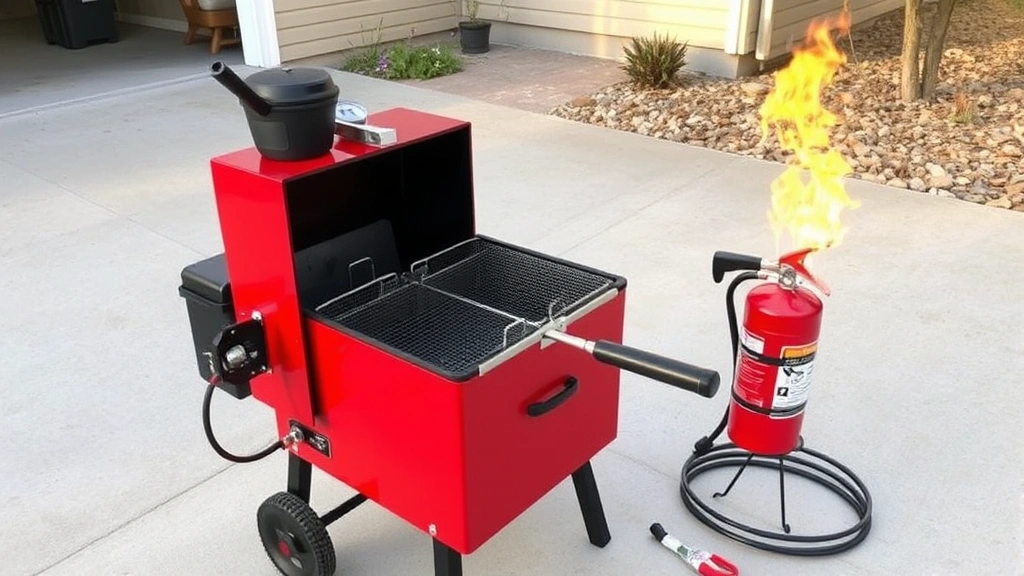
Proper equipment selection directly impacts both safety and cooking success. You’ll need a dedicated turkey fryer specifically designed for this purpose—never use a regular pot or wok. Commercial-grade turkey fryers feature thermometers, baskets designed to lower and raise birds safely, and overflow prevention systems. The fryer should have a capacity of at least 30 quarts to accommodate a large turkey while maintaining 3 inches of clearance from the pot rim.
Install your fryer on a completely level surface outdoors, away from structures, deck railings, or overhanging branches. The Consumer Product Safety Commission (CPSC) recommends maintaining at least 10 feet of clearance from any building or flammable materials. Never set up your fryer on a deck, patio, or enclosed space; accidents involving hot oil and fire spread rapidly in confined areas. A concrete driveway or bare ground provides the safest location.
Essential safety equipment includes a fire extinguisher rated for grease fires (Type B or ABC), long-handled tongs or a turkey basket with secure fasteners, an accurate deep-fry thermometer that reads to 400°F, heavy-duty oven mitts extending past your wrists, a long-sleeved apron made from natural fibers, and safety glasses. Never wear loose clothing that might catch fire or dangle into hot oil. Keep a clear work zone with no children or pets nearby, and have an adult supervise at all times. Your home security awareness extends to kitchen safety, and this applies equally to outdoor cooking equipment.
Preparation Steps Before Frying
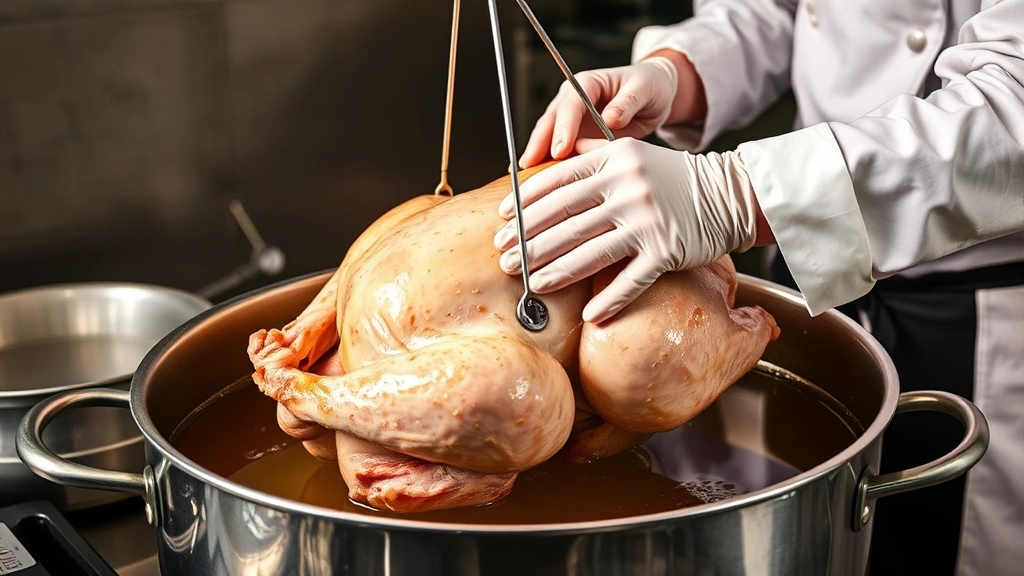
Proper turkey preparation determines whether your finished product achieves restaurant-quality results. Begin by completely thawing your turkey—never attempt to fry a partially frozen bird. Frozen water inside the turkey violently flashes to steam when it contacts 350°F oil, causing dangerous splattering and potential fires. Thawing requires approximately 24 hours for every 4 pounds in your refrigerator, so plan accordingly. A 16-pound turkey needs 4 days of thawing time.
Pat the turkey completely dry with paper towels, inside and out. Any moisture remaining on the surface causes oil splattering when the bird enters the fryer. Remove the neck and giblets from both cavities and discard them or reserve for stock. Do not stuff the turkey—stuffing prevents proper heat circulation and creates food safety hazards. If you prefer dressing, prepare it separately in the oven.
Inject marinade into the turkey 8 to 24 hours before frying, distributing injections throughout the breast, thighs, and legs. This step is optional but dramatically improves moisture and flavor. Alternatively, apply a dry rub of spices directly to the skin, working it under the surface without piercing the meat significantly. Allow the turkey to reach room temperature 30 to 45 minutes before frying; this ensures even cooking throughout the bird.
Calculate your oil requirements carefully: most 16-pound turkeys displace approximately 2 gallons of oil when fully submerged. Fill your fryer to the manufacturer’s recommended level, typically marked on the interior. Do this while the fryer is cold—adding oil to already-heated fryer creates overflow and fire hazards. Heat the oil to exactly 350°F before introducing the turkey, using your thermometer to verify temperature at multiple points in the oil.
Temperature Management During Cooking
Maintaining consistent oil temperature throughout the cooking process is non-negotiable for safety and quality results. When you lower the turkey into the oil, temperature will drop 10 to 15 degrees immediately. Adjust your heat source to bring temperature back to 350°F within 2 to 3 minutes, then maintain this level for the entire cooking duration. Temperature fluctuations cause uneven cooking, burnt exteriors, or dangerously undercooked interiors.
Use a reliable deep-fry thermometer that clips to the fryer’s side or floats in the oil. Check temperature every 10 to 15 minutes throughout cooking, recording readings on paper to monitor consistency. If temperature drops below 325°F, increase heat gradually. Never raise temperature above 375°F, as this burns the exterior before the interior cooks through. Modern fryers with digital temperature controls eliminate guesswork, making them worthwhile investments for serious home cooks.
Wind and weather conditions affect oil temperature stability outdoors. Strong wind cools the oil surface, while intense sun can cause localized overheating. Position your fryer to minimize wind exposure, perhaps behind a temporary windbreak, but never in an enclosed space. Avoid frying during rain, as water entering the oil creates violent reactions. Check weather forecasts and choose calm days for this cooking method.
The oil itself changes properties as it heats. High-quality peanut oil with a smoke point above 400°F is ideal for turkey frying. Canola and vegetable oils work acceptably, though they produce less flavorful results. Never use olive oil, butter, or coconut oil—their low smoke points create dangerous conditions. Once oil cools completely after frying, strain it through cheesecloth and store in a sealed container away from light and heat. Properly stored oil can be reused 3 to 4 times before disposal.
Doneness Testing and Internal Temperatures
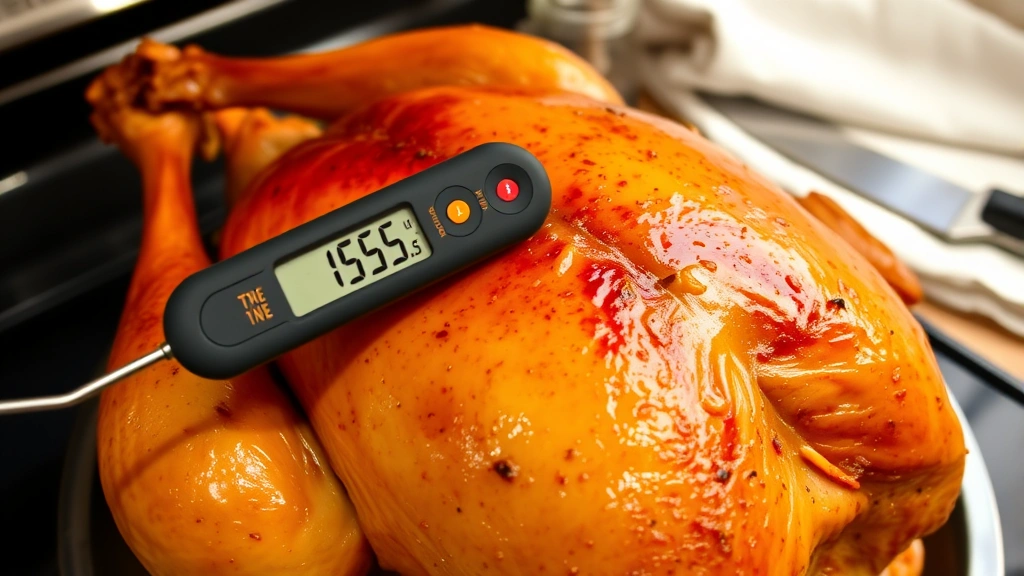
A meat thermometer is your most reliable tool for determining when your turkey is safely cooked and ready to serve. The USDA Food Safety and Inspection Service (FSIS) requires all poultry reach a minimum internal temperature of 165°F in three specific locations: the thickest part of the breast (not touching bone), the innermost part of the thigh, and the innermost part of the wing. All three locations must reach 165°F; if any spot reads lower, the turkey requires additional cooking time.
Begin temperature testing when your calculated cooking time is nearly complete. Insert your thermometer into the breast first, then the thigh, then the wing. If all three locations read 165°F or higher, your turkey is safely cooked. If any location reads below 165°F, carefully return the turkey to the hot oil and continue cooking for 5-minute intervals until all locations reach the required temperature.
Some experienced cooks prefer slightly higher temperatures (170°F in the thigh) for additional safety margin, though this is not required. Never rely on color or juices running clear to determine doneness—these visual cues are unreliable for food safety. Always use a meat thermometer for absolute accuracy. Instant-read digital thermometers provide results in 3 to 5 seconds, making them more convenient than traditional dial-type thermometers.
Once your turkey reaches 165°F in all required locations, carefully remove it from the oil using your basket or tongs. Allow it to rest in a covered roasting pan for 15 to 20 minutes before carving. This resting period allows juices to redistribute throughout the meat, resulting in moister, more flavorful turkey. If you’re preparing multiple dishes simultaneously, plan your timing so the turkey rests while other items finish cooking.
Common Mistakes and How to Avoid Them
The most dangerous mistake is frying a frozen or partially thawed turkey. Ice crystals inside the bird explosively convert to steam when exposed to 350°F oil, causing oil to violently splash out of the fryer. This creates immediate fire hazards and severe burn risks. Always completely thaw your turkey using refrigerator thawing (24 hours per 4 pounds) or cold water thawing (30 minutes per pound). Never use hot water or microwave thawing, as these methods create unsafe temperature variations.
Overfilling the fryer with oil is another critical error. When you lower the turkey into the fryer, it displaces oil, causing the level to rise. If you’ve filled too high, oil overflows into the burner, creating fires. Fill your fryer only to the manufacturer’s recommended level, typically 2 to 3 inches below the rim. If uncertain, place the turkey in the cold fryer first, add oil until it covers the bird by 2 inches, then remove the turkey and note the oil level before heating.
Attempting to fry oversized turkeys (over 16 pounds) causes uneven cooking and safety hazards. Larger birds don’t cook evenly in the time required; the exterior becomes overcooked while the interior remains dangerously undercooked. If you need to serve more people, fry two smaller turkeys sequentially rather than one massive bird. This approach actually takes less total time and produces better results.
Leaving the fryer unattended is absolutely prohibited. Never leave your setup to answer the phone, greet guests, or handle other tasks while your turkey cooks. Accidents happen rapidly; fires can develop in seconds. Assign one responsible adult to monitor the fryer continuously. Set a timer as a backup reminder, but maintain visual contact throughout cooking.
Failing to account for oil displacement is another common mistake. Adding water or wet ingredients to oil causes violent reactions. Ensure your turkey is completely dry before frying. If you’re using a marinade, pat the turkey dry thoroughly before cooking. Never add herbs, garlic, or other ingredients directly to the hot oil.
Post-Cooking Care and Storage
After removing your turkey from the oil, place it on a clean surface to cool slightly before carving. Use a meat thermometer to verify that all areas have reached at least 165°F before serving. Let the turkey rest for 15 to 20 minutes; this allows carryover cooking to complete and meat fibers to relax, resulting in juicier portions.
Never pour hot oil down drains; it solidifies and clogs pipes. Allow oil to cool completely, then transfer it to a sealed container for storage or disposal. Properly cooled oil can be reused for future turkey frying if strained through cheesecloth. Dispose of used oil at hazardous waste facilities or recycling centers in your area. Some restaurants accept used cooking oil for biodiesel production.
Store cooked turkey in shallow containers in the refrigerator at 40°F or below. Properly stored turkey remains safe for 3 to 4 days. For longer storage, freeze turkey in airtight containers or freezer bags for up to 2 to 3 months. When reheating, bring turkey to 165°F internally. Avoid reheating in the oven at high temperatures, as this dries out the meat. Instead, reheat gently in a covered pan at 300°F until the desired temperature is reached.
If you’re interested in other home cooking projects and techniques, proper food safety applies across all culinary endeavors. Just as basement finishing requires detailed planning and execution, turkey frying demands thorough preparation and attention to detail. Visit the DIY Nests Hub Blog for additional home cooking and entertaining guides.
FAQ
How long does it take to deep fry a 12-pound turkey?
A 12-pound turkey requires 36 to 48 minutes of cooking time at 350°F, using the standard formula of 3 to 4 minutes per pound. Begin checking internal temperature at 35 minutes to ensure you don’t overcook the bird.
Can I fry a turkey that’s still partially frozen?
Absolutely not. Frozen or partially thawed turkeys contain ice crystals that explosively convert to steam in hot oil, causing dangerous splattering and fires. Always completely thaw your turkey in the refrigerator before frying.
What’s the safest oil temperature for frying turkey?
350°F is the standard safe temperature for turkey frying. This temperature cooks the bird thoroughly while preventing excessive oil splattering or burnt exteriors. Never exceed 375°F, and never drop below 325°F during cooking.
How do I know when my deep-fried turkey is done cooking?
Use a meat thermometer to verify internal temperature. The turkey is safely cooked when the thickest part of the breast, innermost thigh, and innermost wing all reach 165°F. Check all three locations to ensure complete doneness.
Can I reuse the oil after frying turkey?
Yes, properly strained and stored oil can be reused 3 to 4 times for turkey frying. Allow oil to cool completely, strain through cheesecloth to remove food particles, and store in a sealed container away from light and heat.
Is it safe to fry turkey in my garage or enclosed patio?
Never fry turkey in enclosed spaces. Always fry outdoors on level ground with at least 10 feet of clearance from buildings, structures, and flammable materials. Wind and weather protection is acceptable, but enclosed spaces create fire and carbon monoxide hazards.


