
Reheat Ham Safely: Chef’s Recommended Time and Methods
Reheating ham properly is essential for food safety and maintaining its delicious flavor. Whether you have leftover holiday ham, deli ham, or pre-cooked ham from the grocery store, understanding the correct reheating time and temperature prevents foodborne illness while preserving moisture and tenderness. This comprehensive guide covers everything from oven methods to microwave techniques, ensuring your ham reaches the ideal serving temperature safely.
Ham is a cured and often pre-cooked meat product that requires careful handling during reheating. The USDA Food Safety and Inspection Service emphasizes that proper reheating kills harmful bacteria and maintains food quality. Many home cooks struggle with dry, overcooked ham because they don’t follow established guidelines. By learning the chef-recommended approaches outlined here, you’ll achieve perfectly reheated ham every time, whether preparing for family dinners or casual meals.
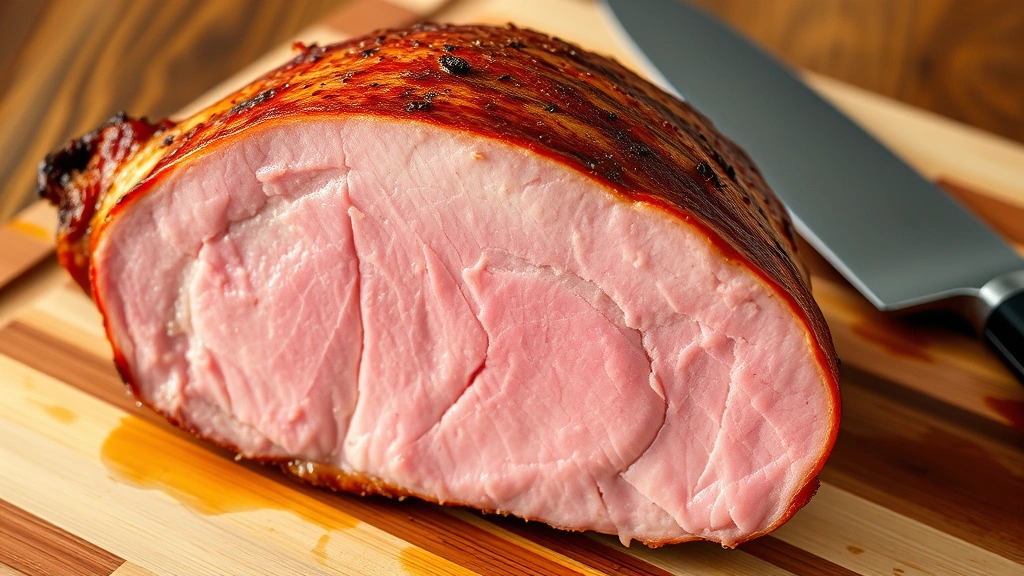
Understanding Ham Types and Cooking Status
Before reheating ham, identify what type you’re working with, as this affects cooking time and method. Pre-cooked ham (most common in grocery stores) only needs reheating to a safe temperature, requiring less time than uncooked varieties. Canned ham is fully processed and sealed, typically requiring shorter reheating periods. Fresh ham (uncured pork leg) is raw and requires longer cooking times. Bone-in ham takes longer to heat through than boneless varieties due to thermal mass differences.
Understanding your ham’s origin matters significantly. If purchased from a deli counter, ask whether it’s fully cooked or partially cooked. Packaged ham usually displays cooking instructions on the label. The USDA considers most commercially available ham fully cooked, meaning reheating simply brings it to serving temperature rather than cooking it from raw. This distinction saves considerable time and helps you avoid overcooking, which dries out the meat. When in doubt, contact your butcher or check the packaging for specific guidance.
Glazed ham, often served during holidays, requires special attention during reheating. The glaze can burn if exposed to high direct heat, necessitating covered cooking methods. Spiral-cut ham has more surface area exposed, potentially drying faster than whole hams. Understanding these nuances helps you select the most appropriate reheating method and adjust timing accordingly.
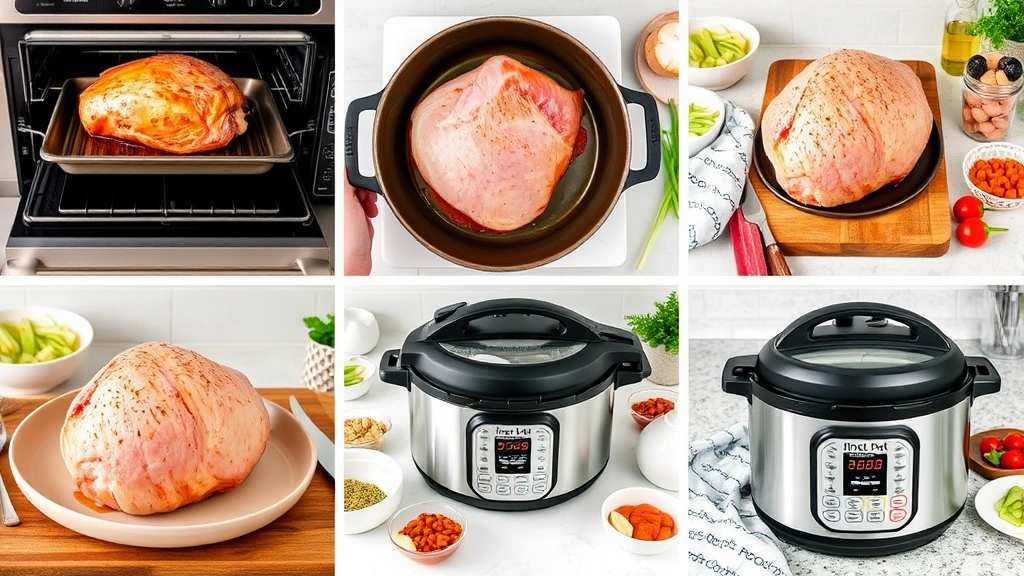
Oven Reheating Method (Recommended)
Professional chefs consistently recommend oven reheating as the superior method for maintaining ham quality. This approach provides even heat distribution, prevents surface burning, and allows for glaze application. Preheat your oven to 325°F (163°C), the standard temperature for ham reheating across most culinary references.
Place your ham cut-side down in a roasting pan and add water or broth to a depth of one-quarter inch. This moisture creates steam, preventing drying during the extended heating period. Cover the pan tightly with aluminum foil to trap steam and maintain moisture. For a whole ham weighing 10-15 pounds, plan on 18-20 minutes per pound. A 12-pound ham requires approximately 3.5-4 hours at 325°F.
For bone-in ham pieces or slices, reduce timing to 10-15 minutes per pound. Monitor internal temperature with a meat thermometer, targeting 140°F (60°C) for pre-cooked ham. Insert the thermometer into the thickest portion without touching bone. During the final 20-30 minutes, remove foil, brush with glaze if desired, and return to oven uncovered to develop a caramelized exterior.
This method works excellently for planning large gatherings where timing precision matters. You can prepare the ham hours ahead, keeping it warm in the oven at a low temperature until serving. The oven method’s predictability makes it ideal for holiday meals and special occasions.
Microwave Reheating Quick Method
When time is limited, microwave reheating offers speed, though with some quality trade-offs. This method works best for small portions, individual ham slices, or emergency situations. Place ham slices on a microwave-safe plate and cover with a damp paper towel. The moisture prevents surface drying during microwave cooking.
Microwave on 50% power (medium setting) for 1-2 minutes per serving, checking halfway through. Using reduced power prevents the exterior from overcooking while the interior catches up. For a half-pound portion, expect 2-4 minutes total. Never microwave at full power, as this creates hot spots and uneven heating, resulting in some areas overcooked while others remain cool.
The microwave method suits busy weeknights when you’re preparing quick meals. Ham reheats faster than in an oven, typically taking 5-10 minutes total compared to several hours. However, texture suffers compared to oven methods—the meat becomes slightly rubbery and loses some moisture. Reserve this technique for casual meals rather than formal occasions where presentation matters.
Stovetop Reheating Technique
Stovetop reheating provides moderate speed with better quality control than microwaving. Place ham slices in a skillet over medium heat, adding a small amount of water, broth, or pineapple juice (which complements ham naturally). Cover the skillet with a lid to trap steam and prevent drying.
Heat for 3-5 minutes per side for standard slices, adjusting based on thickness. The covered environment maintains moisture while direct heat creates slight browning. This method works particularly well for spiral-cut ham pieces or deli ham slices. Monitor the liquid level, adding more if it evaporates, to prevent sticking and burning.
Stovetop reheating offers advantages for smaller portions and allows you to add complementary flavors through broth selection. DIY home cooking projects often benefit from stovetop methods when oven space is limited. The technique requires active monitoring but delivers results in 15-20 minutes, making it practical for weeknight dinners.
Slow Cooker Low and Slow Approach
Slow cookers excel at gentle, even reheating while keeping ham warm for extended periods. This method suits entertaining, as ham can remain at serving temperature for hours without drying. Place ham in the slow cooker with one-half cup of water, broth, or juice. Set to low setting and heat for 4-6 hours for a whole ham, or 1-2 hours for sliced portions.
The slow cooker’s gentle heat maintains moisture effectively, producing tender, moist results. This method works wonderfully for buffet-style entertaining where ham needs staying warm throughout the meal service. Add glaze during the final 30 minutes if desired, allowing flavors to develop without burning.
Slow cooker reheating requires advance planning since it takes several hours, but the hands-off approach reduces active cooking time. For planning projects with extended timelines, the slow cooker fits perfectly. Simply set it in the morning, and ham is ready by dinner service.
Instant Pot Pressure Cooking
Instant Pots and similar pressure cookers dramatically reduce reheating time while maintaining moisture. Add one cup of water to the pot, place the trivet inside, and arrange ham on top. Seal the lid and cook on high pressure for 5-10 minutes depending on ham size and thickness.
For sliced ham, use 3-5 minutes. For half-pound portions, use 5-7 minutes. For whole hams under 8 pounds, use 10-15 minutes. The pressure cooker’s steam environment prevents drying while heat penetrates quickly. Allow natural pressure release for 5 minutes, then quick-release remaining pressure.
This method suits busy professionals needing quality results quickly. The Instant Pot produces exceptionally moist ham in 20-30 minutes total, including prep and pressure release time. However, the technique requires familiarity with pressure cooking safety protocols and proper equipment maintenance.
Food Safety Temperature Guidelines
According to the USDA Food Safety and Inspection Service, all pre-cooked ham must reach an internal temperature of 140°F (60°C) when reheated. This temperature kills harmful bacteria while the meat is already fully cooked. Use an instant-read meat thermometer inserted into the thickest portion without touching bone to verify doneness.
The FDA’s FoodSafety.gov resource emphasizes that proper temperature monitoring prevents foodborne illness. Listeria, a bacteria sometimes found in cured meats, dies at 165°F (74°C), providing additional safety margin if you prefer higher temperatures. However, excessive heat above 160°F risks drying the meat significantly.
For fresh (uncured) ham, reach an internal temperature of 145°F (63°C) with a three-minute rest period. Ground ham products require 160°F (71°C). Document reheating times and temperatures if serving immunocompromised individuals, elderly guests, or young children. Proper temperature management is non-negotiable for food safety.
Preventing Dry Ham During Reheating
Dry ham results from moisture loss during reheating. Combat this by adding liquid—water, broth, juice, or even cola—to create steam that penetrates the meat. Cover the pan tightly with foil to prevent steam escape. Never expose ham directly to dry heat, which evaporates internal moisture.
Avoid exceeding recommended temperatures. Cooking ham above 160°F causes excessive protein contraction, squeezing out moisture and creating unpleasant texture. Low-and-slow methods preserve moisture better than high-heat approaches. Bone-in ham retains moisture better than boneless varieties because the bone insulates the meat.
Slice ham after reheating rather than before if possible, as cut surfaces lose moisture faster. If you must reheat pre-sliced ham, stack slices in the pan and cover them completely with liquid. Glazes provide additional moisture and flavor protection during reheating. Brush glaze on during the final 20-30 minutes to prevent burning while adding moisture.
Marinating ham in juice or broth before reheating helps restore moisture. Even 30 minutes in liquid improves final texture. For particularly dry ham, consider shredding it and incorporating into casseroles, soups, or composed dishes where added sauce compensates for moisture loss.
FAQ
How long does it take to reheat ham in the oven?
Oven reheating at 325°F takes approximately 10-20 minutes per pound for whole ham. A typical 10-pound ham requires 1.5-3 hours. Sliced ham or small portions heat much faster, typically 10-20 minutes total. Always use a meat thermometer to confirm 140°F internal temperature rather than relying solely on time estimates.
Can I reheat ham the day after cooking?
Yes, ham keeps safely in the refrigerator for 3-4 days after cooking. Reheat using any method described here, ensuring it reaches 140°F. Frozen ham lasts 1-2 months. Thaw frozen ham in the refrigerator overnight before reheating. Never leave ham at room temperature for more than 2 hours, as bacteria multiply rapidly in the danger zone (40-140°F).
Is microwave reheating safe for ham?
Microwave reheating is safe if done properly at 50% power with moisture present. However, it produces inferior texture compared to oven methods. Use microwave reheating for quick meals or small portions, reserving oven methods for occasions where quality matters most.
What’s the best liquid for reheating ham?
Water works fine but offers no flavor enhancement. Chicken or vegetable broth adds depth. Pineapple juice complements ham’s natural sweetness. Apple cider, ginger ale, or cola provide interesting flavor variations. Avoid acidic liquids like vinegar or lemon juice in large quantities, as they can toughen the meat.
Should I cover ham while reheating?
Always cover ham during reheating to trap steam and prevent drying. Use foil for oven methods or lids for stovetop and slow cooker approaches. Remove covers during the final 20-30 minutes if you want to develop a glaze or caramelized exterior.
How do I know when reheated ham is done?
Use an instant-read meat thermometer to check internal temperature. Pre-cooked ham is done at 140°F (60°C). Fresh ham requires 145°F (63°C). Insert the thermometer into the thickest portion without touching bone. Allow 3-5 seconds for an accurate reading. If ham appears dry, it may be overcooked—use lower temperatures for future attempts.
Can I reheat ham multiple times?
Technically yes, but quality deteriorates with each reheating. Reheat only the portion you plan to serve immediately. Store unused ham properly in the refrigerator and reheat again later if needed. Don’t leave reheated ham at room temperature, as bacteria grow in the danger zone.
What if my ham has a glaze?
Glazed ham requires special care. Cover tightly with foil throughout reheating to prevent glaze burning. Remove foil during the final 20-30 minutes, brush with additional glaze if desired, and return to the oven to caramelize. Watch closely during this final stage to prevent charring.


