
Bathtub Replacement Costs: Expert Breakdown
Replacing a bathtub is one of the most common bathroom renovation projects homeowners tackle, whether due to age, damage, or simply wanting a modern upgrade. Understanding the full cost breakdown—from materials to labor to unexpected complications—helps you budget accurately and make informed decisions about your renovation.
The total cost to replace a bathtub typically ranges from $1,500 to $8,000+, depending on the tub type, materials, and whether you’re hiring professionals or going the DIY route. This guide walks you through every cost factor, helps you compare tub options, and provides strategies to maximize your investment.
Bathtub Replacement Cost Breakdown
The average bathtub replacement cost consists of three main components: the tub itself, installation labor, and additional materials or repairs. Here’s how the typical budget breaks down:
- Bathtub (material only): $300–$5,000+
- Installation labor: $800–$2,500
- Additional materials: $200–$1,500 (tile, plumbing, fixtures)
- Unexpected repairs: $500–$3,000+
If you’re planning a full bathroom renovation with multiple upgrades, bathtub replacement becomes a larger percentage of your overall project budget. Most homeowners spend between $3,000 and $6,000 on a standard replacement with professional installation.
The labor component often surprises homeowners—it frequently equals or exceeds the cost of the tub itself. This is because removal of the old tub, potential structural repairs, plumbing adjustments, and proper installation require skilled tradespeople and time-intensive work.
Bathtub Types and Price Ranges
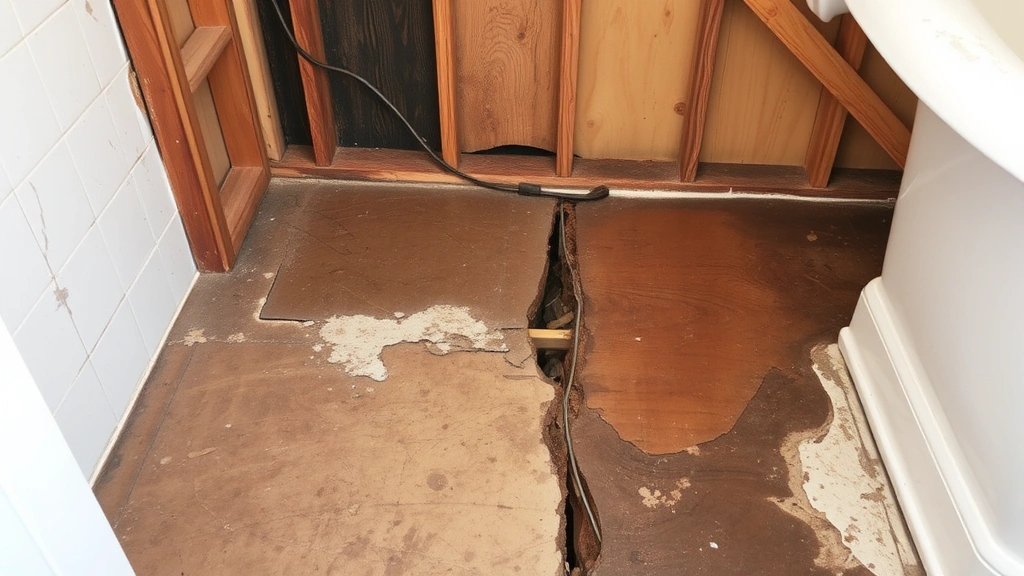
Your tub choice dramatically impacts the total cost. Understanding the characteristics and price points of different materials helps you select the best option for your budget and lifestyle.
Acrylic Bathtubs ($300–$1,200)
Acrylic is the most affordable and popular choice for replacement projects. These lightweight tubs are easy to install, come in numerous colors and styles, and are durable for 10–15 years with proper care. They’re excellent for DIY installations because of their manageable weight. However, acrylic can scratch and may require resurfacing over time.
Fiberglass Bathtubs ($250–$800)
Even more budget-friendly than acrylic, fiberglass tubs are lightweight and simple to install. They’re ideal if you’re replacing a tub on a tight budget. The tradeoff is durability—fiberglass typically lasts 8–10 years before showing wear. They’re also more prone to cracking and aren’t as easy to repair as acrylic.
Porcelain/Enameled Steel ($400–$1,500)
These tubs offer a classic, high-end appearance and excellent durability lasting 15–20+ years. The smooth, glossy finish resists staining and is easy to clean. However, they’re heavier, require more robust support structures, and chipping can be difficult to repair. Installation costs tend to be higher due to weight and complexity.
Cast Iron Bathtubs ($800–$3,000)
The premium option for durability and aesthetics, cast iron tubs last 50+ years with minimal maintenance. They retain heat exceptionally well and provide a luxurious soaking experience. The significant drawback is weight—cast iron tubs weigh 300–600 pounds, requiring structural reinforcement and professional installation. This substantially increases labor costs.
Cultured Marble ($600–$2,500)
These engineered stone tubs offer a high-end look with moderate durability (15–20 years). They’re heavier than acrylic but lighter than cast iron, and they resist staining and scratching better than acrylic. They’re excellent for spa-like features such as jets or integrated seating.
Soaking and Specialty Tubs ($2,000–$8,000+)
Japanese soaking tubs, walk-in tubs, and tubs with hydrotherapy jets command premium prices. These require specialized plumbing, electrical work (for jets), and structural considerations. Budget for significant installation complexity and expense.
Labor Costs and Installation
Labor typically accounts for 30–50% of your total bathtub replacement cost. Several factors influence labor pricing in your area:
Geographic Location
Urban areas and regions with higher costs of living charge $50–$150+ per hour for plumbers and skilled tradespeople. Rural areas may be $30–$80 per hour. A straightforward replacement might take 4–8 hours, while complex jobs requiring structural work could take 16–24 hours.
Complexity of Removal
If your existing tub is simply set in place, removal is quick and inexpensive. However, if it’s been tiled in place or bonded to walls, removal becomes labor-intensive and costly. Removing tile surround can add 4–8 hours of labor.
Plumbing Requirements
If drain lines need repositioning, supply lines need rerouting, or new fixtures (faucets, handles) require installation, plumbing labor increases significantly. A licensed plumber’s involvement adds $500–$1,500 to the project.
Structural Repairs
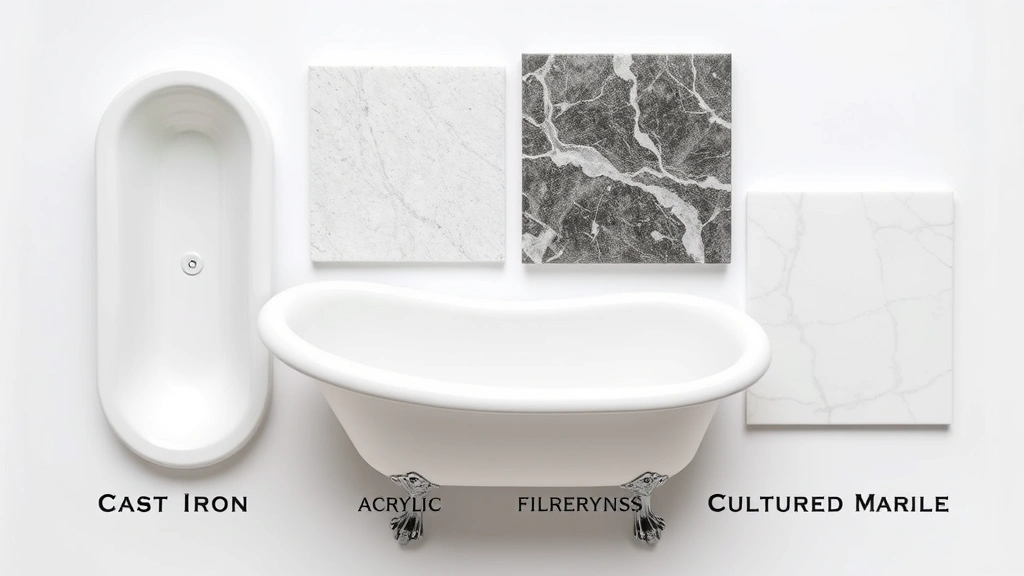
Damaged subfloor, rotted framing, or inadequate support structure discovered during removal extends the project timeline and budget dramatically. These repairs can add $1,000–$5,000 to your total cost.
Permits and Inspections
Many jurisdictions require permits for bathtub replacement, especially if plumbing is modified. Permit costs range from $50–$300, and inspection fees add another $50–$200. Professional installers typically handle permit acquisition, but DIYers must manage this independently.
Hidden Expenses to Expect
Experienced renovators know that bathtub replacement projects frequently reveal unexpected costs once work begins. Planning for these contingencies prevents budget surprises:
Water Damage and Subfloor Replacement
Leaks from old tubs often damage surrounding framing and subfloor. Once the old tub is removed, contractors frequently discover rotted wood requiring replacement. Budget $800–$2,500 for subfloor repairs depending on damage extent.
Tile and Surround Work
If your existing tile surround is being removed or needs replacement, tile work costs $1,000–$3,000+ depending on material quality and square footage. Removing old tile without damaging walls adds labor expense.
Plumbing Code Compliance
When plumbing is opened, contractors must ensure all work meets current building codes. This might require upgrading pipes, installing anti-scald valves, or adjusting vent lines. International Building Code (ICC) compliance requirements vary by jurisdiction but often add $300–$1,000.
Fixture Upgrades
While you’re replacing the tub, upgrading faucets, handles, and showerheads adds $200–$1,000. Premium fixtures and finishes cost significantly more.
Ventilation and Moisture Management
Inadequate bathroom ventilation discovered during renovation might require exhaust fan installation or upgrades, adding $300–$800.
Accessibility Modifications
If you’re considering aging-in-place modifications like grab bars, walk-in tubs, or non-slip surfaces, budget an additional $500–$3,000.
DIY vs. Professional Installation
The decision between DIY and professional installation significantly impacts your total cost and project success rate.
DIY Installation Considerations
Removing an old bathtub is achievable for confident DIYers, potentially saving $800–$1,500 in labor. However, installation of the new tub requires precise leveling, proper drain alignment, and secure support—mistakes here cause leaks and water damage costing far more to repair than professional installation would have cost.
DIY is most viable when:
- Replacing a tub in good condition (minimal structural damage risk)
- Choosing lightweight acrylic or fiberglass tubs
- No plumbing modifications are needed
- You have basic carpentry and plumbing knowledge
- Your home’s layout is straightforward without complications
Professional installation makes sense when:
- Your existing tub shows signs of water damage
- You’re installing heavy cast iron or specialty tubs
- Plumbing work is required
- The project involves structural repairs
- You want warranty protection and guaranteed workmanship
Hiring Professional Contractors
When hiring professionals, get quotes from at least three contractors. Detailed quotes should specify: tub removal costs, disposal fees, any structural work discovered during removal, plumbing modifications, material costs, labor hours, timeline, and warranty terms. Licensed contractors with National Association of Home Builders (NAHB) membership or similar credentials provide accountability and quality assurance.
Money-Saving Tips
Strategic decisions throughout your replacement project reduce costs without sacrificing quality:
Choose Acrylic or Fiberglass
Selecting acrylic or fiberglass tubs saves $500–$2,000 compared to premium materials. Modern acrylic tubs are durable and attractive, making them excellent value.
Maintain Existing Layout
Keep the drain and supply line locations unchanged if possible. Relocating plumbing adds significant cost. If your current tub location works well, keeping the same footprint saves $500–$1,500.
DIY Demolition
If your tub is simply set in place without extensive tiling, remove it yourself. Rent a dumpster ($300–$500) and handle demolition to save $400–$800 in labor. However, ensure you understand what you’re removing and can safely dispose of it.
Bundle with Other Projects
Coordinate bathtub replacement with other bathroom work. Having contractors on-site for multiple projects reduces mobilization costs and overhead charges. Consider timing with your bathroom painting or flooring projects for efficiency.
Buy Materials Directly
Purchase tubs from home improvement stores or online suppliers rather than through contractors’ markup channels. Compare prices across multiple retailers—the same tub often varies significantly in price. However, factor in delivery costs for heavy tubs.
Negotiate Labor Rates
Get multiple bids and don’t accept the first quote. Contractors sometimes negotiate rates, especially during slower seasons. Off-season projects (late fall, winter) often have more competitive pricing.
Minimize Tile Work
If possible, avoid removing existing tile surround. Keep the project focused on tub replacement alone. If tile must be updated, do it as a separate project to keep costs distinct and manageable.
Plan for Future Maintenance
Investing slightly more in quality materials and proper installation prevents costly repairs. A $500 upgrade to better acrylic or professional installation might save $3,000+ in water damage repairs five years later.
FAQ
How long does bathtub replacement take?
Straightforward replacements typically take 1–3 days. Removal takes 4–8 hours, and installation takes 4–8 hours. If structural repairs or extensive tile work is needed, projects can extend to 5–7 days. Professional crews work efficiently, while DIY projects take longer.
Can I replace a bathtub myself?
Removing an old tub is DIY-friendly, but installing the new one requires precision. Improper installation causes leaks and water damage. If you have plumbing experience, comfortable using tools, and your situation is straightforward, DIY installation is possible. Otherwise, professional installation protects your investment.
What’s the average cost to remove an old bathtub?
Removal alone costs $300–$800 if it’s simply set in place, or $800–$1,500 if it’s tiled in. Disposal fees add $100–$300. DIYers can do removal for just disposal fees, saving significantly.
Do I need a permit for bathtub replacement?
Permit requirements vary by jurisdiction. Simple replacements with no plumbing modifications sometimes don’t require permits, but many areas mandate them. Check with your local ICC Safe Building Department or building inspector. Professional contractors typically handle permit acquisition.
What’s the most durable bathtub material?
Cast iron lasts 50+ years with minimal maintenance and superior heat retention. Porcelain/enameled steel lasts 15–20+ years. Acrylic lasts 10–15 years. For longevity, cast iron is best, but it’s expensive and heavy. Acrylic offers the best value for durability relative to cost.
Can I install a larger tub in the same space?
Sometimes, but it’s complicated. Standard tub openings are sized for specific tub dimensions. Enlarging the opening requires structural modifications, tile removal, and plumbing adjustments. Budget $2,000–$5,000 for this work. Consult a contractor before planning a size change.
What’s included in professional installation?
Professional installation typically includes: old tub removal and disposal, new tub placement and leveling, drain and overflow connection, caulking, basic tile touch-up, and final testing. Confirm exactly what’s covered in your contract before work begins.
Should I replace my faucet when replacing my tub?
Not necessarily, but it’s convenient to do simultaneously. If your faucet is outdated, leaking, or incompatible with the new tub, replace it. Upgrading while contractors are already working costs less than a separate project. Budget $200–$800 for quality faucet upgrades.
How much does water damage repair add to replacement costs?
Water damage discovered during removal can add $800–$5,000+ depending on extent. Subfloor replacement, frame repair, and mold remediation are expensive. This is why inspecting the space before removal and budgeting contingency funds is critical.


