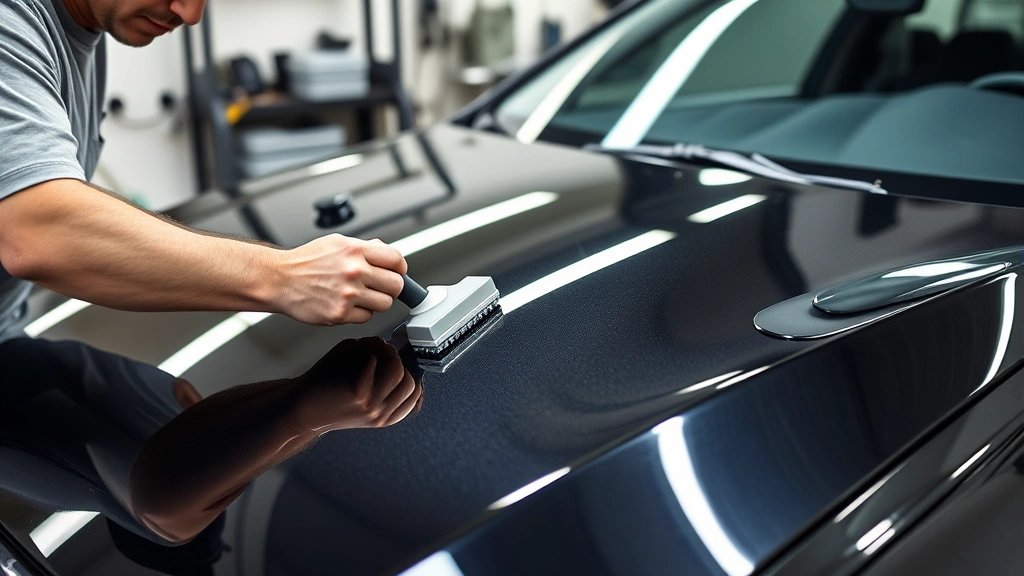
Vinyl Wrap Cost: Expert DIY Breakdown for Car Wrapping
Vinyl wrapping has become one of the most popular ways to transform a vehicle’s appearance without the permanent commitment of a paint job. Whether you’re looking to protect your car’s original paint, customize its aesthetic, or advertise your business, understanding vinyl wrap costs is essential for making an informed decision. The total expense depends on numerous factors including vehicle size, wrap type, labor costs, and whether you tackle the project yourself or hire professionals.
As a DIY enthusiast, I’ve researched and compiled comprehensive pricing data to help you navigate this investment. This guide breaks down every cost component, from materials to installation, giving you the knowledge to determine whether professional installation or DIY application makes sense for your budget and skill level.
Average Vinyl Wrap Costs by Vehicle Type
Vinyl wrap pricing varies significantly based on your vehicle’s size and complexity. Understanding these baseline costs helps you budget appropriately and compare quotes from different providers.
Compact Cars and Sedans typically range from $1,500 to $3,500 for a full wrap. These vehicles have straightforward surfaces with fewer curves and recesses, making them ideal for budget-conscious DIY enthusiasts. A sedan requires approximately 40-50 square feet of vinyl material, and professional installation usually takes 20-30 hours of labor.
Mid-Size SUVs and Crossovers cost between $2,500 and $5,000 for professional full wraps. These vehicles present moderate complexity due to their larger surface area and additional body lines. You’ll need roughly 60-75 square feet of material, and installation typically requires 35-45 hours of skilled work.
Full-Size Trucks and Large SUVs represent the premium category, ranging from $4,000 to $8,000 or more. These vehicles demand 80-100+ square feet of vinyl and may require 50-70 hours of professional labor due to their substantial surface area and complex geometry.
Partial wraps offer a more affordable alternative, costing $800 to $2,500 depending on coverage. Hood wraps, door wraps, or stripe applications can provide dramatic visual impact without the full investment. This option is particularly popular for DIY customization projects where precision matters less than overall aesthetic effect.
Material Costs: Quality Matters
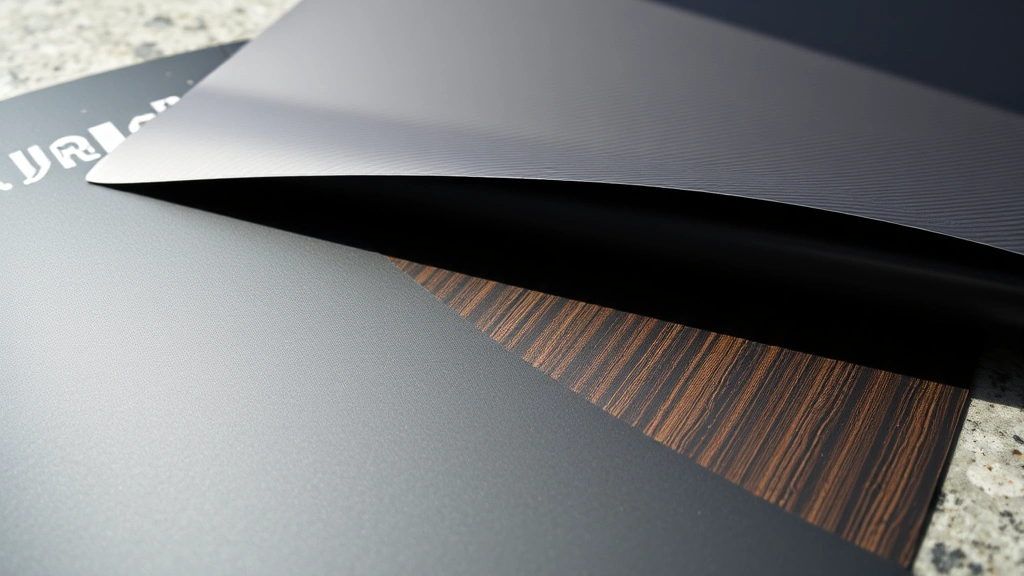
The vinyl material itself represents a significant portion of your total investment. Understanding different quality tiers helps you make cost-effective decisions without compromising durability.
Budget Vinyl (Cast Films) costs $2-4 per square foot and typically comes from lesser-known manufacturers. While affordable, budget vinyl often exhibits poor color consistency, limited durability (3-5 years), and challenging installation due to inadequate slip properties. These materials rarely include manufacturer warranties and may show fading or peeling within months of application.
Mid-Range Vinyl (Premium Cast Films) ranges from $5-8 per square foot and represents the sweet spot for most DIY enthusiasts. Brands like 3M 1080 Series and Avery Dennison offer excellent color selection, reliable adhesion, and 5-7 year durability. These materials feature superior conformability and include manufacturer warranties covering defects and color stability.
Premium Vinyl (Specialty and Calendered Films) costs $8-15+ per square foot and delivers professional-grade results. Textured finishes, carbon fiber patterns, and specialty effects command premium pricing. These materials provide 7-10 year durability, superior UV resistance, and exceptional conformability around complex curves. According to 3M’s technical specifications, premium films maintain color fidelity and adhesion properties significantly longer than budget alternatives.
For a full sedan wrap using mid-range vinyl, expect material costs between $200-400. A full truck wrap using premium materials might cost $800-1,200 in materials alone. Similar to basement finishing projects, investing in quality materials upfront saves money on repairs and replacement down the road.
Labor and Installation Expenses
Professional installation labor represents the largest cost component, typically accounting for 60-70% of total wrap expenses. Understanding labor pricing helps you evaluate whether professional installation justifies the investment.
Professional shop rates typically range from $50-150 per hour depending on geographic location, shop reputation, and installer expertise. A full sedan wrap requiring 25 hours at $75/hour results in $1,875 in labor costs alone. High-end shops in major metropolitan areas may charge $100-150/hour, while rural areas might offer $40-60/hour rates.
Total professional installation costs break down as follows: sedans ($1,500-2,500 labor), mid-size SUVs ($2,000-3,500 labor), and full-size trucks ($3,500-5,500+ labor). These figures assume straightforward color wraps without complex custom designs or specialty effects.
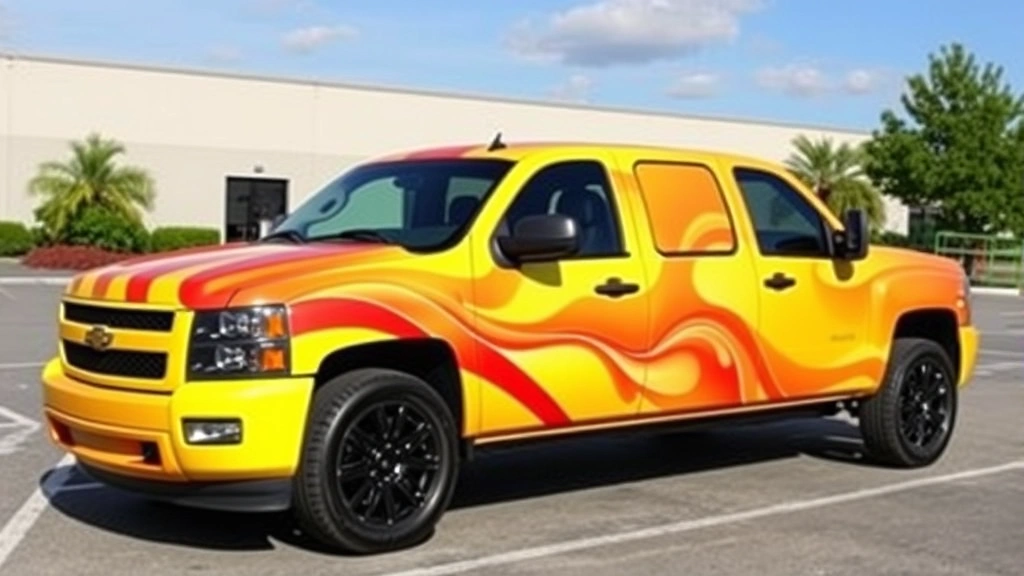
Specialty installations command premium labor rates. Chrome wraps, textured finishes, and custom graphics require additional expertise and time. Wrap shops may charge 25-50% more for these applications due to increased complexity and material handling requirements. A custom business wrap with specific design elements might require 40-50 hours of labor instead of the standard 25-30 hours.
Geographic location significantly impacts labor costs. Bureau of Labor Statistics data on automotive technicians shows 30-40% variation in hourly rates between regions. California, New York, and Florida command premium pricing, while Midwest and Southern states typically offer lower rates for equivalent quality work.
DIY vs Professional Installation
The decision between DIY application and professional installation depends on your skill level, available time, and tolerance for potential mistakes. Let’s examine the realistic cost and outcome differences.
DIY Installation Costs primarily involve materials, tools, and supplies. A full sedan wrap using mid-range vinyl costs $250-400 in materials. Essential tools include a heat gun ($30-80), squeegee set ($15-40), precision knife ($10-25), and cleaning supplies ($20-50). Total DIY investment for a full wrap: $325-595 in materials and tools. This represents 75-85% savings compared to professional installation.
However, DIY installation requires 40-60 hours of labor for a full wrap. Learning proper techniques, managing complex curves, and correcting mistakes extends timeline significantly. Most DIY enthusiasts spend 2-3 weekends on a full sedan wrap, with potential frustration and imperfect results.
Professional Installation Advantages include expertise, speed, and warranty coverage. Professional installers complete sedan wraps in 20-30 hours with superior results. Most shops provide 1-3 year warranties on workmanship, covering peeling, bubbling, or adhesion failures. If installation problems occur, professionals make corrections at no additional cost.
Professional installation costs $1,500-3,500 for a full sedan wrap but eliminates learning curves, reduces material waste, and guarantees quality results. For vehicle owners valuing their time and seeking flawless outcomes, professional installation justifies the investment. Similar to comprehensive home security installations, professional expertise ensures optimal results and long-term satisfaction.
Hybrid Approach offers middle ground. Some DIY enthusiasts handle straightforward sections (hood, doors) while professionals manage complex areas (windows, curves, bumpers). This approach reduces professional labor costs by 40-50% while maintaining quality on visible surfaces.
Hidden Costs and Additional Factors
Several often-overlooked expenses can significantly impact your total vinyl wrap investment.
Surface Preparation Costs are critical for successful wrapping. Professional shops charge $200-500 for thorough paint protection film removal, rust treatment, dent repair, or existing wrap removal. Neglecting proper preparation leads to adhesion failures, peeling, and wasted materials. Budget these costs when calculating total investment.
Custom Design and Graphics add $300-2,000+ depending on complexity. Simple color wraps require no design costs, but custom logos, patterns, or photographic elements require professional design work. Digital mock-ups typically cost $100-300, while custom illustration or photography might cost $500-1,500.
Removal and Disposal costs apply when replacing existing wraps or removing vinyl at project completion. Professional removal costs $300-800 and requires 10-15 hours of labor. DIY removal is possible but time-consuming and risks paint damage if performed incorrectly. Budget these costs when planning wrap replacements.
Vehicle Downtime represents indirect costs. While professional installation takes 2-4 days, DIY projects might require 2-3 weeks. If you rely on your vehicle for work or daily transportation, factor in rental car costs ($40-100 daily) or service interruption expenses.
Permit and Compliance Costs apply to commercial wraps. Some jurisdictions require permits for advertising wraps or business vehicle graphics, costing $50-200. International Code Council regulations vary by location, so verify local requirements before budgeting.
Money-Saving Tips for Vinyl Wrapping
Strategic choices can reduce vinyl wrap costs by 30-50% without compromising quality or durability.
Choose Partial Wraps instead of full coverage. Hood and door wraps provide dramatic visual impact at 40-60% of full wrap costs. Stripe wraps, roof wraps, or accent panels offer customization options for $800-2,000. This approach works particularly well for personal vehicles where complete coverage isn’t necessary.
Select Standard Colors over specialty finishes. Matte black, white, or solid colors cost significantly less than chrome, carbon fiber, or metallic effects. Standard colors offer 30-40% cost savings while maintaining professional appearance. Specialty finishes command premium pricing due to material costs and installation complexity.
Time Your Project strategically. Wrap shops typically offer discounts during slow seasons (winter months in many regions). Requesting quotes in January or February might yield 10-20% savings compared to summer pricing. Building relationships with local shops can result in loyalty discounts or package deals.
DIY Simple Applications if you have basic skills. Hood wraps, door graphics, or stripe applications are forgiving projects suitable for beginners. These projects rarely exceed 10-15 hours and use 5-15 square feet of material. Success on simple projects builds confidence for more complex applications. Our DIY Nests Hub Blog offers numerous project guides for skill-building.
Bundle Multiple Services with wrap shops. Many providers offer discounts when combining wraps with paint protection film, window tinting, or ceramic coating. Bundled services might cost 15-25% less than individual pricing.
Purchase Materials Directly for DIY projects. Buying from wholesale suppliers or online retailers saves 20-30% compared to retail pricing. However, ensure materials come from authorized distributors to maintain warranty coverage and guarantee material authenticity.
Maintenance and Longevity Investment
Understanding long-term costs helps evaluate vinyl wrapping as an investment rather than mere expense.
Maintenance Costs are minimal but important. Regular washing with pH-neutral soap costs $5-15 monthly. Avoid automatic car washes and high-pressure sprayers that can lift vinyl edges. Professional detailing ($50-100 quarterly) extends wrap life by preventing contamination buildup.
UV protectant sprays ($15-30 quarterly) maintain color vibrancy and adhesion properties. These preventative measures cost $100-200 annually but extend wrap lifespan by 1-2 years, improving overall value.
Lifespan Calculation determines true cost per year. A $2,500 mid-range wrap lasting 7 years costs approximately $357 annually. A $4,000 premium wrap lasting 10 years costs $400 annually. These calculations reveal that premium materials sometimes offer better long-term value despite higher upfront costs.
Resale Value Impact varies by vehicle type and wrap condition. Custom wraps rarely increase resale value, but professional wraps in excellent condition might maintain 10-20% of wrap value at vehicle sale. Conversely, damaged or faded wraps reduce perceived vehicle condition and may necessitate professional removal before sale.
Budget $300-800 for professional wrap removal when selling your vehicle. This cost should be factored into total wrap investment if you plan to sell within 5-7 years.
Paint Protection Benefits add value beyond aesthetics. Vinyl wraps protect original paint from UV damage, road salt, and environmental contaminants. This protection can preserve paint condition, potentially increasing resale value by $500-1,500 compared to unwrapped vehicles. When evaluating wrap costs, consider this protective benefit alongside aesthetic value.
Similar to home improvement investments, vinyl wraps represent both aesthetic upgrades and protective measures that enhance asset value.
FAQ
How much does a full car wrap cost?
Full car wrap costs range from $1,500-8,000+ depending on vehicle size and wrap quality. Sedans typically cost $1,500-3,500, while full-size trucks cost $4,000-8,000 or more. This includes both materials and professional labor.
Can I wrap my car myself to save money?
Yes, DIY wrapping saves 75-85% in labor costs, reducing full sedan wrap expenses to $300-600 in materials. However, DIY requires 40-60 hours of work, specialized tools, and significant learning curve. Most DIY enthusiasts should expect imperfect results on their first attempt.
How long does a vinyl wrap last?
Quality vinyl wraps last 5-10 years depending on material grade, climate, and maintenance. Budget vinyl lasts 3-5 years, mid-range vinyl lasts 5-7 years, and premium vinyl lasts 7-10 years. UV exposure, temperature fluctuations, and washing habits affect longevity.
What’s the difference between cast and calendered vinyl?
Cast vinyl is thinner, more conformable, and better for complex curves. It costs more but lasts longer (7-10 years). Calendered vinyl is thicker, less flexible, and better for flat surfaces. It costs less but has shorter lifespan (3-5 years). Most professional wraps use cast vinyl.
Is vinyl wrap cheaper than repainting?
Yes, vinyl wrapping costs 40-60% less than professional repainting. A quality car paint job costs $3,000-10,000, while vinyl wraps cost $1,500-5,000. Additionally, vinyl wraps protect original paint and are removable, making them more flexible than permanent paint changes.
How much does wrap removal cost?
Professional wrap removal costs $300-800 and requires 10-15 labor hours. DIY removal is possible but risks paint damage. Budget removal costs when planning wrap replacements or vehicle sales.
Do I need special tools for vinyl wrapping?
Essential tools include heat gun ($30-80), squeegee set ($15-40), precision knife ($10-25), and cleaning supplies ($20-50). Professional installers invest $500-2,000 in specialized equipment, but basic DIY projects require only fundamental tools.
Will vinyl wrap damage my car’s paint?
Quality vinyl wraps protect paint from UV damage and environmental contaminants. Proper installation and removal cause no paint damage. However, incorrect removal techniques can strip clear coat or damage underlying paint. Professional removal prevents these issues.
What colors and finishes are available?
Vinyl wrap options include solid colors, metallic finishes, matte finishes, carbon fiber patterns, chrome effects, and custom graphics. Standard colors cost $5-8 per square foot, while specialty finishes cost $10-15+ per square foot. Custom designs add $300-2,000+ depending on complexity.
How do I find a reputable vinyl wrap shop?
Research local shops through online reviews, portfolio examples, and warranty offerings. Request quotes from 3-5 shops and compare pricing, materials, and warranty coverage. Check references and verify insurance coverage. SEMA (Specialty Equipment Market Association) maintains directories of certified automotive service providers.


