Table of Contents
Introduction
Picture this: you’re living in a space that’s perfectly sized for your life, costs a fraction of what you’re paying now, and reflects exactly who you are. Sound too good to be true? Welcome to the tiny house movement—and here’s the kicker: you can build one yourself. More people than ever are ditching oversized homes for something smaller, smarter, and way more personal. And honestly? The DIY route isn’t just about saving money (though you’ll save a ton). It’s about creating something that’s uniquely yours from the ground up.
Let’s be real—tiny houses have exploded in popularity lately. Millions of people are choosing smaller spaces to cut expenses, simplify their lives, and actually help the planet while they’re at it. But here’s what I love most about this movement: it’s not just about going small. It’s about going intentional. When you build your own tiny house, you control everything—every beam, every clever storage nook, every square inch gets designed around how you actually live. Want to get started smart? Learning skills like DIY flooring installation and creative pallet projects will save you serious cash and give your space that personal touch you can’t buy anywhere.
There’s something magical that happens when you simplify your life like this. People often tell me they feel lighter, freer—like they’ve escaped the trap of buying stuff they don’t really need. Getting your hands dirty with projects like DIY house painting or even RV renovations (great practice, by the way) sparks something creative in you. Suddenly, you’re not just building a house—you’re crafting a sanctuary that actually feels like home. Now, don’t get me wrong—successful tiny house building requires know-how. That’s where resources like detailed guides on how to build a tiny house step-by-step and smart upgrades like energy-efficient window replacement become absolute gold. These skills don’t just make your build possible—they make it comfortable and sustainable for years to come.
Whether you’ve never held a power tool or you’re already a weekend warrior with DIY projects, tiny house building offers something special. We’re talking real benefits here: major cost savings, a smaller environmental footprint, and that incredible feeling you get from building something with your own hands. Even smaller skills like DIY blinds installation become game-changers when you’re working with limited space—every functional detail counts double in a tiny house. The beauty is in learning these diverse skills because once you do, you’ll be ready to tackle whatever your build throws at you. You’re not just building a shelter; you’re creating a home that’ll last.
What You’ll Learn in This Guide
Ready to dive in? Here’s exactly what we’re going to cover together:
- Understanding the Basics: We’ll start with the fundamentals of tiny house living and why DIY makes so much sense. Think of this as your foundation—once you get these concepts down, everything else clicks into place much easier.
- Popular DIY Tiny House Projects: From framing your first wall to creating furniture that does double-duty, we’ll explore projects that work for everyone—whether you’re just starting out or ready to tackle something more ambitious.
- Materials and Tools You’ll Need: No guesswork here. You’ll learn exactly what materials to buy and which tools are actually worth the investment. We’ll help you shop smart and avoid those “why did I buy this?” moments.
- Step-by-Step Project Examples and Tips: This is where the rubber meets the road. We’ll walk through real projects from start to finish, sharing the kind of insider tips that keep you from making expensive mistakes.
By the time you finish reading, you’ll have everything you need to start building with confidence. We’re not just talking about construction techniques here—we’re covering how to make each part of your tiny house reflect who you are and how you want to live. You’ll discover ways to personalize every detail while avoiding the rookie mistakes that can blow your budget or slow you down.
Coming up next, we’ll jump into the most popular DIY projects that work perfectly in tiny houses. Think framing, flooring, and furniture that actually earns its keep in a small space. We’ll also cover how to choose the right materials and tools for your specific vision and budget. Plus, you’ll get those step-by-step examples I mentioned—complete with real-world advice on planning, budgeting, and staying safe throughout your build.
Here’s the thing about building your own tiny house: it’s challenging, yes, but it’s also incredibly rewarding. You’re not just constructing four walls and a roof—you’re designing a whole new way of living that prioritizes freedom, creativity, and sustainability. So let’s get started. Your dream tiny house is waiting, and this guide is going to help you make it happen, one project at a time.
So you’re ready to dive into the world of DIY tiny houses? Smart move. Building your own tiny house isn’t just about saving money—though that’s definitely a nice bonus. It’s about creating something that’s uniquely yours, where every square inch serves a purpose and reflects your personality. Whether you’re handy with tools or still figuring out which end of a hammer to hold, there are projects here that’ll work for your skill level. From basic framing that’ll keep your walls standing to creative interior solutions that make 200 square feet feel like a mansion, these projects are your ticket to tiny house freedom.
Popular DIY Tiny House Projects
Let’s talk about the bread and butter of tiny house building—the projects that pretty much everyone tackles. First up? Getting your structure right. We’re talking walls, floors, and that all-important roof over your head. These aren’t just “nice to have” elements—they’re what keep you safe, dry, and legally compliant. And here’s a pro tip: while you’re planning your foundation, check out this guide on DIY flooring installation. Trust me, getting your floors right makes everything else so much easier. Once you’ve got the bones of your house sorted, you’ll want to make it look good too—that’s where DIY house painting comes in handy for protecting and beautifying your exterior.
Now, here’s where things get really fun. Interior customization is where your tiny house goes from “small building” to “brilliant home.” Think fold-out dining tables that disappear when you don’t need them. Built-in seating with hidden storage underneath. Walls that work double duty with clever shelving systems. Every piece of furniture should earn its keep in a tiny house. And don’t forget about the outside! Adding a small deck or porch can literally double your living space when the weather’s nice. Plus, proper weatherproofing means your hard work won’t fall apart after the first few storms.
Key Aspects of Popular DIY Projects
Here’s what you need to focus on when tackling these essential tiny house projects.
- Building Basic Structures: This is where you lay the groundwork—literally. Getting your framing right means measuring twice, cutting once, and not skimping on quality lumber. Building codes exist for good reasons, so don’t try to outsmart them. Your future self will thank you for doing this step properly.
- Roof Construction Basics: Your roof does way more than just keep the rain out. It’s your first line of defense against weather, a key player in your home’s energy efficiency, and honestly? It can make or break your tiny house’s curb appeal. Stick with proven techniques, but don’t be afraid to explore modern materials that might save you money down the line.
- Interior Customization: This is where the magic happens. Every tiny house owner becomes an expert in making small spaces work hard. Custom storage, furniture that transforms, rooms that serve multiple purposes—it’s like solving a really satisfying puzzle. The goal? Making your space feel spacious, not cramped.
- Exterior Enhancements: Think beyond four walls and a roof. A well-designed deck or porch can be a game-changer, giving you extra room to breathe and boosting your home’s visual appeal. And here’s something many first-timers overlook: weatherproofing isn’t optional. It’s what keeps your investment from turning into an expensive mistake.
Alright, so you know what projects you want to tackle. But here’s the thing—having great plans means nothing if you don’t have the right stuff to make them happen. Let’s talk about the materials and tools that’ll turn your tiny house dreams into reality.
Materials and Tools You’ll Need
Here’s the truth about building materials: they can make or break your project before you even start. The right lumber, insulation, and hardware don’t just affect how your house looks—they determine how long it lasts and how much you’ll spend keeping it in good shape. Take lumber, for example. You might think wood is wood, but choosing between different types can mean the difference between a sturdy home and one that creaks every time you walk across the floor. Want to dig deeper into sustainable building? This complete tiny house building guide has some great insights on materials that are both eco-friendly and wallet-friendly. Quality materials paired with the right tools? That’s your recipe for success.
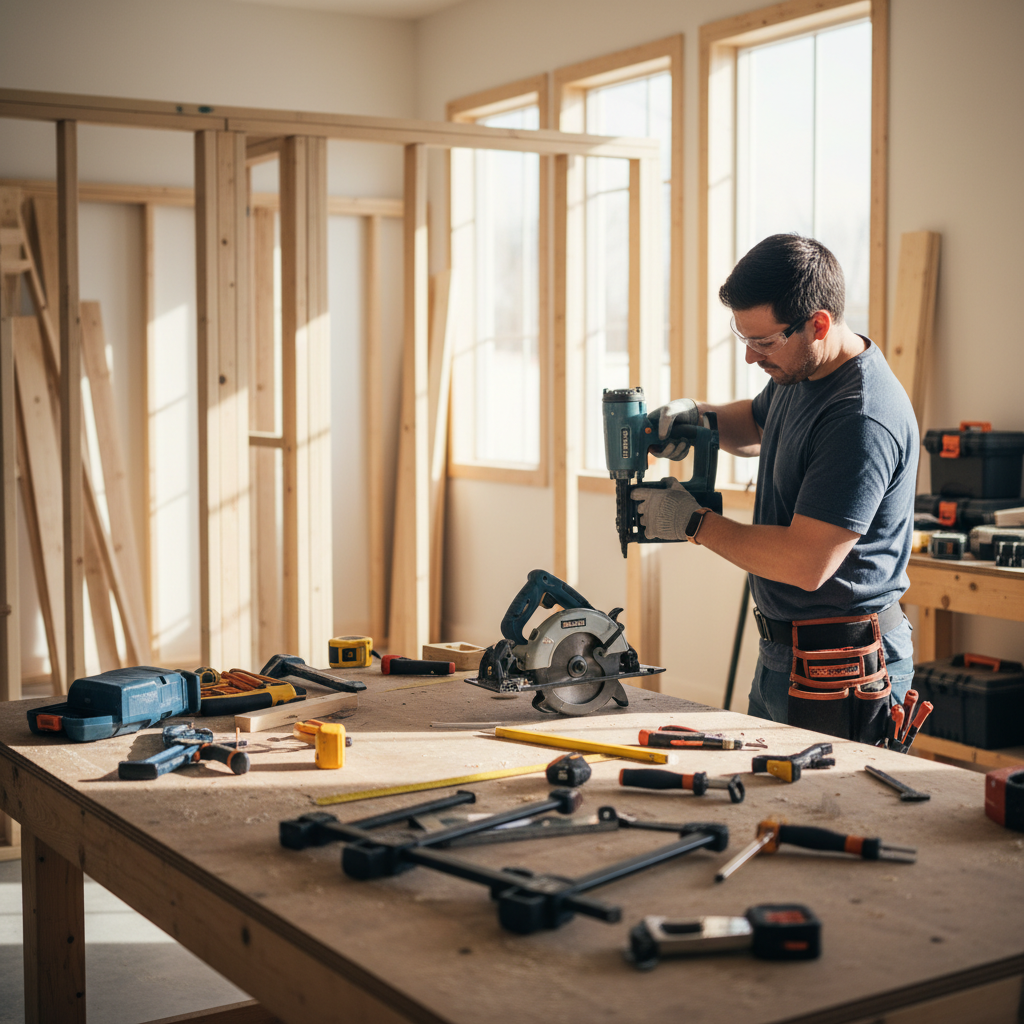
Speaking of tools—let’s be real for a minute. You don’t need to buy every gadget in the hardware store, but having the right tools makes everything easier. (And safer, which your fingers will appreciate.) Start with solid hand tools: a good hammer, reliable screwdrivers, a level that actually works, and measuring tools you can trust. Power tools? They’re worth the investment if you’re planning multiple projects. A decent drill, circular saw, and maybe a nail gun can cut your project time in half. And if you’re looking for creative ways to use what you’ve got, check out these DIY pallet project ideas—they’re full of clever tool tips. Remember: taking care of your tools means they’ll take care of you.
Key Building Materials and Tools
Get familiar with these essentials that form the backbone of any successful tiny house build.
- Lumber Types: Softwoods are your friend for most projects—they’re easier to work with and won’t break the bank. Hardwoods? Save those for special touches where you want something that’ll last forever and look amazing. Each type has its place, and knowing when to use what can save you both money and headaches.
- Insulation Options: Don’t underestimate this stuff. Good insulation keeps you comfortable year-round and keeps your energy bills from becoming scary. Climate matters here—what works in Arizona won’t necessarily work in Minnesota. And if going green is important to you, there are some fantastic eco-friendly options that perform just as well as traditional materials.
- Fasteners and Adhesives: These might seem like small details, but they’re what hold everything together—literally. Cheap screws and nails are a false economy. Spend a little more on quality fasteners, match them to your materials, and your future self won’t be dealing with squeaks, gaps, or worse.
- Basic and Power Tools: Start with the basics and build your collection as you go. A well-maintained set of fundamental tools will serve you better than a garage full of gadgets you don’t know how to use. Learn each tool properly—it’s not just about getting the job done, it’s about getting it done safely and with results you’ll be proud of.
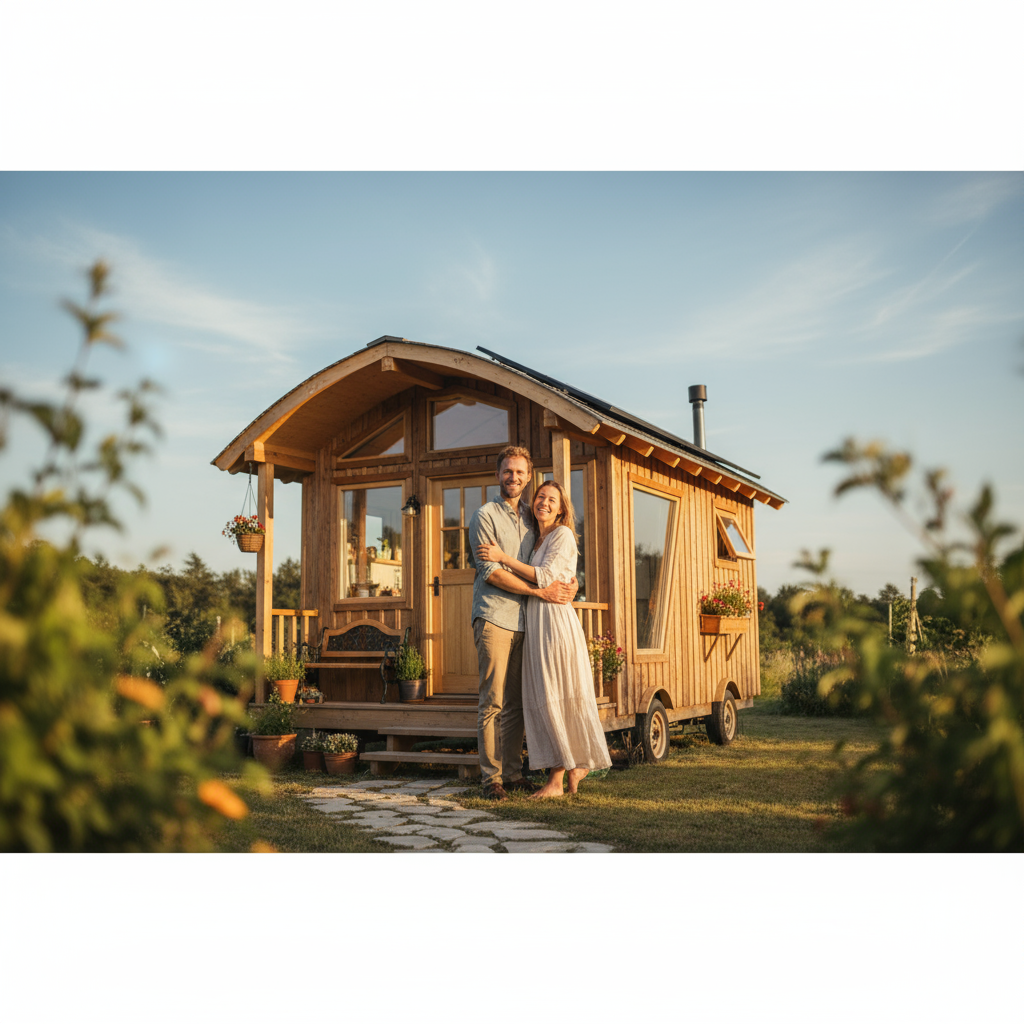
So here we are—you’ve just walked through everything you need to know about building your own tiny house. Pretty exciting, right? From framing those first walls to figuring out how to squeeze maximum storage into minimal space, you now have the roadmap to create something truly yours. We’ve covered the nitty-gritty: which lumber works best, how to pick the right insulation, and why having the right tools makes all the difference. (Trust me, trying to build without proper tools is like trying to cook a five-course meal with only a butter knife.)
But this journey goes way beyond just hammer and nails. Building your own tiny house is incredibly satisfying—there’s something magical about creating a space with your own hands. Plus, you’re doing your part for the planet with a smaller environmental footprint. And let’s be honest, the money you’ll save compared to traditional home-building? That’s a pretty sweet bonus.
Ready to get started? Here’s what I’d recommend for your next steps. Begin with the foundation—literally. Our DIY flooring installation guide will set you up for success with everything that comes after. Want to add some character without breaking the bank? Check out these creative pallet projects—you’ll be amazed what you can create from recycled materials. And when it’s time to make your tiny house shine (inside and out), our DIY house painting guide has you covered. Take it step by step, plan carefully, and don’t rush the process. Each project builds your confidence for the next.
Here’s the thing about building your own tiny house—it’s not just about construction. You’re crafting a lifestyle that’s uniquely yours. Every decision, from where you place that perfect little window to how you design your sleeping loft, reflects who you are and how you want to live. Sure, there will be challenges along the way. (What worthwhile project doesn’t have a few bumps?) But that’s part of what makes it so rewarding. Each problem you solve and each milestone you reach brings you closer to a home that’s truly, authentically you. And if you catch the building bug? Our guide on DIY RV renovations might just inspire your next adventure.
Frequently Asked Questions
-
What are the best materials for tiny house construction?
- Lightweight, durable lumber combined with energy-efficient insulation materials are recommended to ensure sturdiness and comfort.
-
How much does a DIY tiny house usually cost?
- Costs vary based on size and chosen materials, but careful budgeting and DIY labor can significantly reduce expenses.
-
Is prior building experience necessary?
- Basic skills help, but many projects are designed for beginners, especially with detailed guidance and safety precautions.
-
How long does it take to build a tiny house?
- Timeframes range from a few weeks to several months depending on project complexity and builder experience.
-
What safety precautions should I take?
- Always use proper tools, wear protective gear, and follow safety guidelines to prevent accidents during your build.