
How to Clean a Jetted Tub: Plumber’s Proven Techniques
Jetted tubs offer a luxurious spa-like experience in the comfort of your home, but their intricate jet systems require specialized cleaning approaches that differ significantly from standard bathtub maintenance. Unlike traditional tubs, jetted tubs feature hidden plumbing networks, internal passages, and mechanical components that accumulate biofilm, bacteria, and mineral deposits over time. Understanding how to clean a jetted tub properly ensures your system operates efficiently, extends its lifespan, and maintains hygiene standards that protect your family’s health.
Professional plumbers have refined techniques for jetted tub maintenance that homeowners can implement themselves with the right knowledge and materials. The jets, pipes, and internal mechanisms can harbor dangerous pathogens and mold if neglected, making regular cleaning not just a matter of aesthetics but of genuine health and safety. This comprehensive guide walks you through proven methods that address both surface-level dirt and the hidden contamination lurking within your tub’s circulation system.
Understanding Your Jetted Tub System
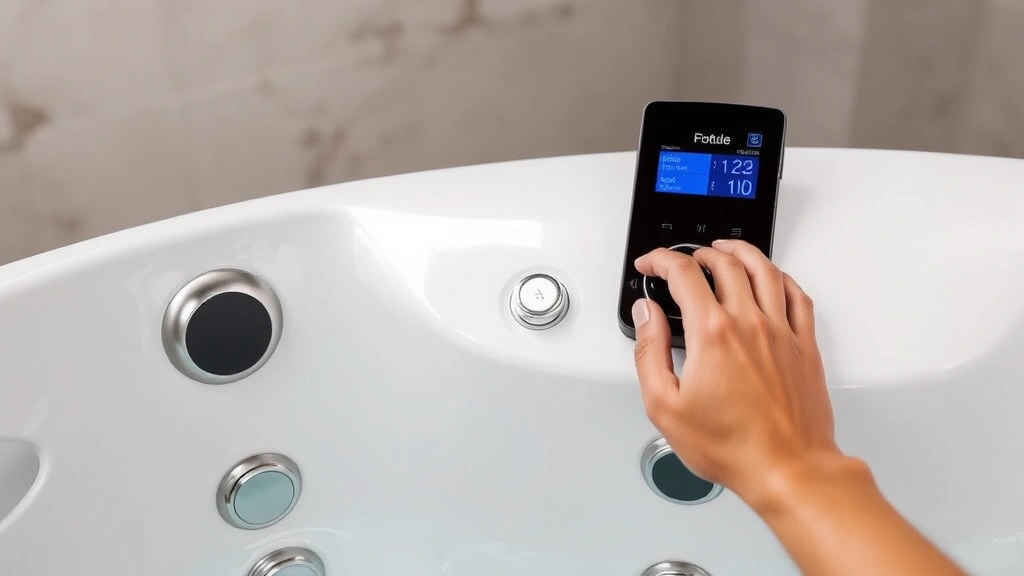
Before tackling cleaning techniques, you need to understand the anatomy of your jetted tub. The system consists of an external pump motor, internal piping networks, jet nozzles, and a circulation system that draws water through the plumbing and forces it back through multiple jets. This continuous circulation creates an environment where bacteria and biofilm can accumulate in hard-to-reach places that a standard grout cleaning approach won’t address.
The jets themselves are typically constructed from stainless steel or plastic, with various pressure settings controlled by the tub’s control panel. Between uses, water remains trapped in the internal pipes, creating ideal conditions for microbial growth. This is why many manufacturers recommend running a cleaning cycle at least monthly, and many plumbers suggest weekly maintenance for heavily used systems. The CDC emphasizes proper hot tub and jetted spa maintenance to prevent waterborne illness transmission.
Your tub’s manual will specify whether it has a dedicated air line, separate suction lines, or combination systems. Some premium models include self-cleaning functions, while others require manual intervention. Understanding your specific system’s configuration ensures you apply the correct cleaning method without risking damage to sensitive components.
Essential Cleaning Supplies and Tools
Gathering the right materials before you begin prevents mid-cleaning interruptions and ensures you have effective solutions for tackling different types of buildup. Here’s what professional plumbers recommend keeping on hand:
- White vinegar – A natural descaling agent that dissolves mineral deposits and kills bacteria without harsh chemicals
- Baking soda – Works alongside vinegar for abrasive scrubbing and odor elimination
- Specialized jetted tub cleaner – Products like Affresh Jetted Bath Cleaner are formulated specifically for internal pipe cleaning
- Enzymatic cleaners – Break down organic biofilm and accumulated soap residue in pipes
- Soft-bristled brushes – Reach jet nozzles without scratching surfaces
- Pipe cleaning tablets – Designed to dissolve in standing water and circulate through the system
- Rubber gloves and safety glasses – Protect against chemical irritation
- Flashlight – Illuminates jet interiors for thorough inspection
- Measuring cup – Ensures precise chemical ratios for safe operation
Many homeowners overlook the importance of using products specifically designed for jetted systems. Unlike general bathroom cleaners, these solutions are engineered to work with your tub’s materials and circulation system without causing corrosion or damage to seals and gaskets.
Step-by-Step Cleaning Process
The basic cleaning process forms the foundation of jetted tub maintenance and should be performed weekly for regular users. Start by draining your tub completely and wiping down all visible surfaces with a damp cloth to remove loose debris and soap scum. This prevents particles from entering the circulation system during the cleaning cycle.
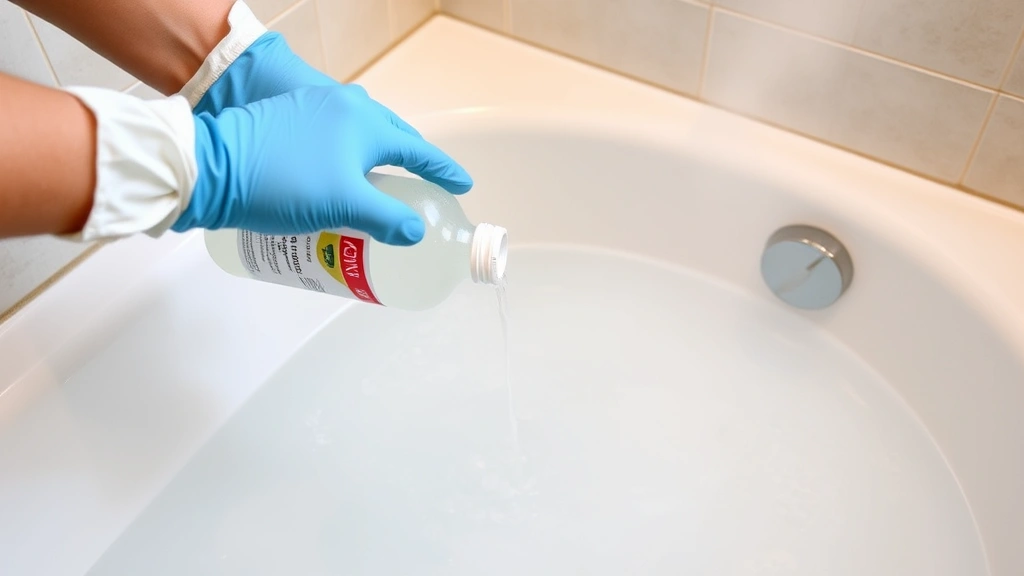
Fill the tub with hot water to the maximum level recommended in your manual, typically just below the overflow drain. Add your chosen cleaning solution according to product instructions – this might be specialized jetted tub cleaner, enzymatic cleaner, or a mixture of white vinegar following proven vinegar cleaning methods adapted for your tub’s specifications. Never exceed recommended chemical concentrations, as this can damage internal components and create safety hazards.
Turn on the jets and allow them to run for 15-20 minutes at high pressure. This circulation forces the cleaning solution through every internal passage, dissolving buildup and flushing out accumulated debris. You may notice discolored water or foam during this process – this indicates the cleaner is working. Pay attention to any unusual sounds or vibrations, which could indicate mechanical issues requiring professional attention.
After the circulation cycle completes, drain the tub fully and refill it with fresh water. Run the jets again for another 10-15 minutes to rinse away all cleaning solution residue. Incomplete rinsing leaves chemical deposits that can irritate skin and reduce water quality. Drain completely, then wipe down all jet nozzles individually with a soft cloth to remove any remaining debris.
Deep Cleaning with Vinegar Method
The vinegar method represents one of the most effective and economical approaches for deep cleaning jetted tubs, combining the descaling power of acetic acid with gentle action on most tub materials. This approach is particularly effective for tubs with mineral buildup from hard water, which appears as white, chalky deposits around jet openings and on the tub surface.
For this method, fill your tub with hot water to the maximum line and add 2-3 cups of white vinegar. The exact amount depends on your tub’s volume – aim for a solution that’s approximately 10-15% vinegar concentration. Some plumbers recommend mixing equal parts vinegar and water for severely contaminated systems, though this stronger solution requires longer rinsing afterward.
Run the jets continuously for 30 minutes to allow the vinegar solution to circulate through all internal passages. The acetic acid dissolves mineral deposits, kills bacteria, and breaks down biofilm accumulation. The smell during this process can be strong, so ensure adequate bathroom ventilation by opening windows and running exhaust fans.
After the circulation cycle, drain the tub and refill with fresh hot water. Run the jets for another 20 minutes to rinse out vinegar residue completely. Repeat this fresh water rinse cycle at least twice more – incomplete vinegar removal can leave an unpleasant smell and create an acidic environment that damages gaskets over time. The final drain should leave no vinegar odor remaining in the tub or pipes.
This method works exceptionally well when combined with weekly maintenance using regular cleaning techniques similar to those used for other home systems. Many professionals recommend performing a deep vinegar cleaning monthly, supplemented with lighter weekly cleanings using gentler solutions.
Enzymatic Cleaning for Stubborn Buildup
When mineral deposits and biofilm resist standard cleaning methods, enzymatic cleaners provide a powerful alternative that works at the molecular level. These products contain naturally derived enzymes that break down organic matter, soap scum, and bacterial colonies without the harshness of chemical cleaners that might damage your tub’s finish or internal components.
Enzymatic cleaners work slowly but thoroughly, making them ideal for overnight cleaning cycles. Fill your tub with warm water (not hot, as excessive heat can deactivate enzymes) to the maximum line. Add the enzymatic cleaner according to package directions – typically 1-2 cups depending on product concentration and tub size. Some brands provide specially formulated tablets that dissolve in water, simplifying measurement and application.
Turn on the jets and allow them to run for 15-20 minutes to distribute the enzymatic solution throughout the system. Then, rather than draining immediately, allow the tub to sit with the solution in the pipes for 4-8 hours or overnight. This extended contact time allows enzymes to break down stubborn deposits that surface-level cleaning cannot address. During this resting period, you may notice the water becoming cloudy or discolored as the enzymes work on accumulated debris.
After the soaking period, drain the tub and refill with fresh water. Run the jets for 15 minutes to flush out loosened debris and enzyme residue. Drain again and perform a final fresh water rinse cycle, running the jets for 10 minutes to ensure complete removal of cleaning agents. This thorough rinsing is essential because enzyme residue can leave a slippery coating if not completely removed.
The International Sanitary Supply Association recommends enzymatic cleaners for spa and jetted bath maintenance as they effectively address biofilm without harsh chemical exposure. Many plumbers suggest alternating between enzymatic and vinegar methods monthly to maintain optimal system cleanliness.
Monthly Maintenance Routine
Establishing a consistent monthly maintenance schedule prevents the accumulation of debris and biofilm that creates health hazards and reduces system performance. This routine takes approximately 1-2 hours but saves significant time and expense compared to addressing severe contamination later.
Start with a surface cleaning of all visible components. Wipe down the tub exterior, interior surfaces, and jet nozzles with a damp microfiber cloth. Use a soft-bristled toothbrush to gently clean around each jet opening, removing any visible debris or mineral deposits. Inspect the tub’s caulking and sealant for cracks or deterioration, as these can allow water to seep into wall cavities and create mold growth.
Next, perform your chosen deep cleaning cycle – either the vinegar method or enzymatic cleaner approach. Fill the tub, add your chosen solution, run the jets for the recommended duration, then drain and rinse thoroughly. This monthly deep clean addresses contamination that weekly maintenance doesn’t fully eliminate.
After completing the chemical cleaning cycle, run a final rinse with just hot water and no additives. Some plumbers recommend adding a small amount of white vinegar (1/2 cup) to this final rinse to help remove any remaining cleaning agent residue and prevent mineral buildup between cleanings.
Document your cleaning schedule in a notebook or digital calendar. Track which cleaning method you used, any unusual observations (discolored water, strange odors, mechanical sounds), and how the tub performed. This record helps identify patterns and alerts you to potential problems before they become serious issues requiring professional repair.
Preventing Future Contamination
While regular cleaning is essential, preventing contamination in the first place reduces cleaning frequency and maintains superior water quality. Several simple practices significantly extend the time between deep cleaning cycles and keep your jetted tub healthier for longer.
Always shower before using your jetted tub, which removes body oils, lotions, and personal care product residue that accumulate in pipes and create biofilm. This single practice reduces bacterial growth and mineral deposit formation more effectively than any cleaning method. Many spa facilities require this practice for exactly this reason – it’s that effective at preventing contamination.
Avoid bubble bath products and bath oils in jetted tubs, as these create foam that gets sucked into the circulation system and coats internal pipes with slippery residue that traps bacteria. If you prefer bath additives, use products specifically formulated for jetted tubs or simple options like basic cleaning approaches using minimal additives.
After each use, drain the tub completely and allow the pump to continue running for 2-3 minutes with no water present. This purges residual water from the pipes, preventing stagnant water from sitting in the system between uses. Many newer tub models include an automatic purge cycle that accomplishes this automatically, but manual purging is equally effective.
Never leave standing water in your jetted tub for extended periods. If you won’t be using the tub for several days, drain it completely. Stagnant water creates an ideal environment for bacterial proliferation and mold growth. If your tub will sit unused for more than a week, consider running a cleaning cycle before draining to remove any accumulated bacteria.
Keep the bathroom well-ventilated during and after tub use. Run exhaust fans for at least 30 minutes after draining to remove excess moisture that contributes to mold growth in pipes and surrounding areas. Proper ventilation also reduces the humid environment that bacteria prefer.
Check your tub’s manufacturer recommendations regarding water treatment. Some models benefit from low-level chlorination or bromine treatment if used frequently, similar to standards outlined in the International Plumbing Code for spa systems. Ask your tub’s manufacturer whether chemical treatment is recommended for your specific model.
FAQ
How often should I clean my jetted tub?
Weekly light cleaning with hot water and mild cleaner, combined with monthly deep cleaning using vinegar or enzymatic cleaners, represents the standard recommendation. Heavily used tubs may require weekly deep cleaning cycles. Check your manufacturer’s manual for specific guidance based on your tub’s design and frequency of use.
Is it safe to use bleach in a jetted tub?
Most manufacturers advise against bleach because it can corrode internal metal components, damage gaskets and seals, and create harmful chemical reactions when mixed with other residues in the pipes. Stick to vinegar, enzymatic cleaners, or products specifically formulated for jetted tubs. If you’re uncertain, contact your tub’s manufacturer before using any chemical cleaner.
Why does my jetted tub smell bad even after cleaning?
Persistent odors usually indicate incomplete rinsing after cleaning cycles or biofilm in areas the jets don’t fully reach. Perform additional rinse cycles using fresh water only, running the jets for extended periods. If the smell persists, you may have mold growth in the tub’s exterior plumbing or walls, which requires professional inspection.
Can I use my jetted tub while it’s cleaning?
No. Never use the tub while cleaning solutions are circulating through the system. The chemicals can irritate skin and eyes, and the circulation may be unpredictable. Always wait until you’ve completed all rinse cycles and the water is fresh and clear before using the tub.
What if my jets aren’t working properly after cleaning?
Weak jets sometimes result from air locks in the lines after cleaning. Run the tub empty with jets on for 2-3 minutes to purge air, then refill and test again. If jets remain weak, debris may be blocking nozzles – use a small soft brush to clean each jet opening individually. Persistent problems warrant professional plumber evaluation.
How do I know if my tub’s internal pipes are contaminated?
Signs include discolored water during cleaning cycles, unpleasant odors even after cleaning, visible debris coming from jets, or visible mold around jet openings. If you notice these issues, increase cleaning frequency to weekly deep cycles. Severe contamination may require professional pipe cleaning using specialized equipment.
Is vinegar effective for all types of jetted tub materials?
Vinegar is safe for most tub materials including acrylic, fiberglass, and ceramic, but always check your manufacturer’s recommendations first. Some specialty finishes may be sensitive to acidity. When in doubt, perform a test cleaning cycle with diluted vinegar in an inconspicuous area first, or consult the manufacturer directly.


