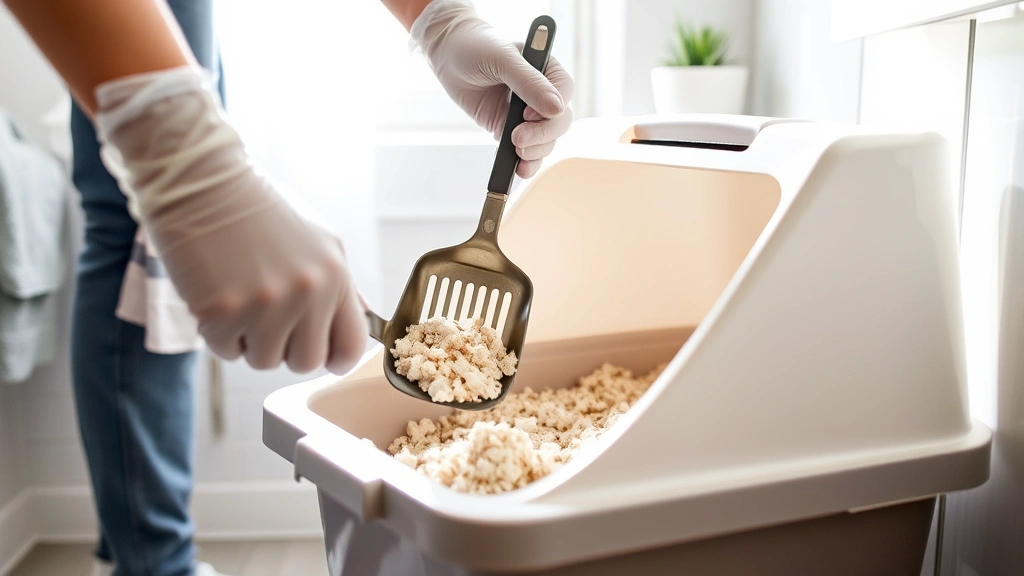
Cleaning Litter Box: Vet-Recommended Methods
A clean litter box is essential for your cat’s health, hygiene, and overall well-being. Regular maintenance prevents urinary tract infections, reduces odor in your home, and encourages your feline companion to use the box consistently. Veterinarians universally recommend establishing a daily cleaning routine combined with weekly deep cleaning to maintain optimal sanitation standards. This comprehensive guide covers professional-grade techniques that keep your litter box fresh while protecting your cat’s health.
Proper litter box maintenance involves more than simply scooping waste. It requires understanding the science behind bacterial growth, odor control, and litter selection. By implementing vet-approved methods, you’ll create a hygienic environment that benefits both your pet and your household. Whether you’re dealing with multiple cats or stubborn odors, these evidence-based strategies will transform your cleaning routine.
Daily Scooping Essentials
Daily scooping is the foundation of litter box hygiene. Veterinarians recommend removing clumped waste at least once daily, preferably twice for households with multiple cats. This practice prevents ammonia buildup, which irritates your cat’s respiratory system and creates unpleasant household odors. The Association of American Feed Control Officials guidelines emphasize that fresh litter conditions directly correlate with reduced behavioral issues and improved feline health outcomes.
When scooping, use a slotted scoop that allows clean litter to fall through while capturing clumped waste. Hold the scoop at a slight angle, working methodically through the box from back to front. This technique prevents spreading waste throughout the litter and ensures complete removal of soiled material. Work slowly to avoid creating dust clouds, which can trigger respiratory problems in both cats and humans. Dispose of waste in a sealed bag to contain odors and bacteria.
The timing of your scooping matters significantly. Morning and evening sessions work best for most households, though cats with sensitive stomachs may benefit from three daily cleanings. Monitor your cat’s litter box habits to establish the optimal schedule. Some cats prefer using a freshly cleaned box, while others create more waste during certain times of day. Adjust your routine accordingly to maintain peak cleanliness.
Weekly Deep Cleaning Protocol
Beyond daily scooping, comprehensive weekly cleaning prevents bacterial colonization and maintains litter box integrity. Veterinary professionals recommend completely emptying the box, scrubbing all surfaces, and replacing litter entirely once per week. This process eliminates pathogens that daily scooping cannot reach and prevents crystalline urine deposits from accumulating on box surfaces.
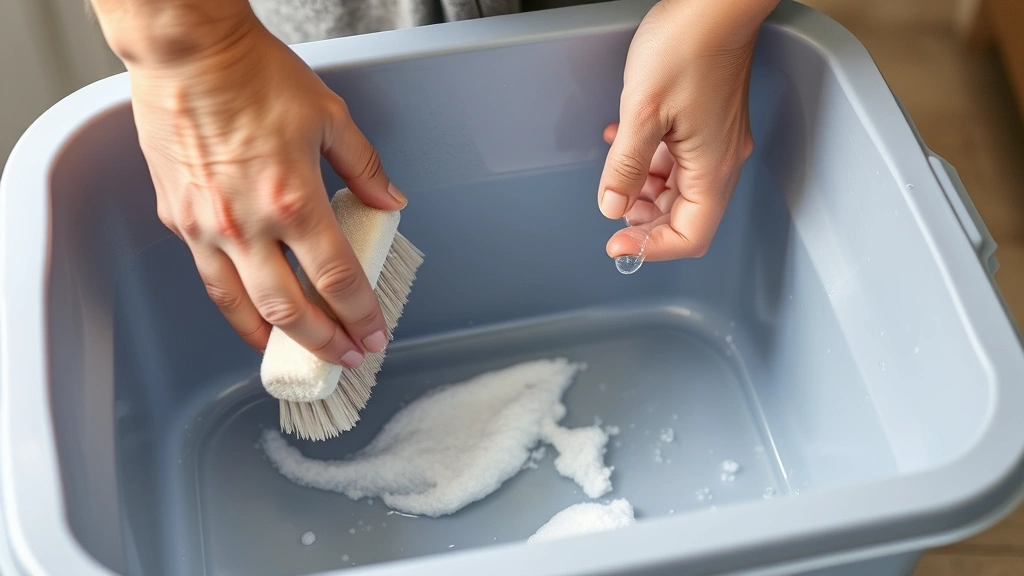
Start your weekly cleaning by removing all remaining litter into a sealed garbage bag. Use a durable plastic litter scoop or small shovel to expedite this process. Once empty, rinse the box thoroughly with hot water to dissolve urine residue and remove lingering odors. For stubborn deposits, use a soft-bristled brush with unscented dish soap. Avoid harsh chemicals like bleach or ammonia-based cleaners, as these can irritate your cat’s sensitive respiratory system and damage the box material.
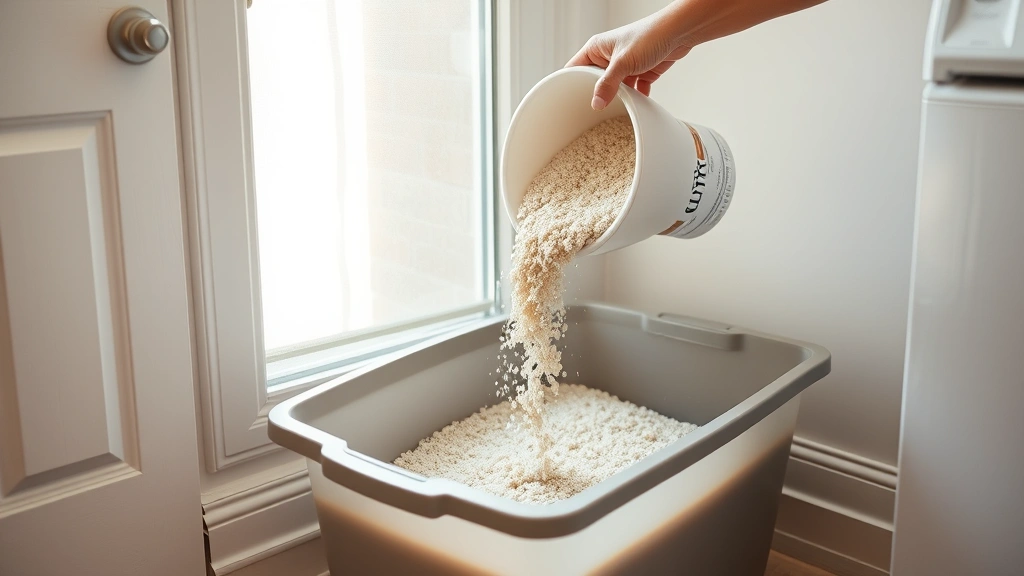
After scrubbing, rinse completely with fresh water and allow the box to air dry for several minutes. This drying period is crucial for preventing mold growth and reducing moisture-related odors. Once dry, add fresh litter to your preferred depth—typically 2-3 inches provides optimal clumping and comfort. Consider laying newspaper or a litter mat beneath the box to catch tracking and simplify future cleanings, similar to how you’d approach DIY carpet cleaning techniques for managing floor care.
For households with multiple cats, you may need to increase weekly deep cleaning frequency. The general rule suggests having one litter box per cat plus one extra, with each box receiving its own weekly deep clean. This prevents territorial disputes and reduces odor accumulation across your home.
Choosing the Right Litter
Litter type dramatically impacts both cleaning ease and your cat’s willingness to use the box. Clumping litters—made from bentonite clay or alternative materials—form solid masses when exposed to urine, simplifying daily scooping and extending litter lifespan. Non-clumping varieties absorb moisture but require more frequent complete replacements. The Cornell University College of Veterinary Medicine recommends clumping litters for their superior odor control and hygiene benefits.
Unscented clumping litters are ideal for most cats, as artificial fragrances can deter sensitive felines from using the box. Some cats prefer specific textures—fine-grain varieties feel softer on paws, while larger pellets appeal to cats with texture preferences. Test several options to identify your cat’s favorite, as consistent litter choice encourages regular box usage.
Alternative litters made from pine, wheat, corn, or recycled paper offer environmental benefits and may suit cats with dust sensitivities. These options require slightly different cleaning approaches, as they may not clump as effectively as clay-based varieties. Regardless of choice, avoid heavily scented or dyed litters, which can mask health issues and irritate respiratory systems.
Keep a backup supply of your cat’s preferred litter on hand. Sudden litter changes can stress cats and trigger behavioral issues like inappropriate elimination. If you need to switch litter brands, mix increasing proportions of the new litter with the old over 7-10 days to allow gradual adjustment.
Odor Control Strategies
Effective odor control extends beyond regular cleaning. Ammonia from cat urine is highly volatile and quickly permeates surrounding areas if not managed properly. Veterinary behaviorists recommend layering multiple odor-control strategies for optimal results. Start with high-quality clumping litter, which naturally reduces odor by encapsulating waste particles.
Baking soda is a safe, natural odor neutralizer that complements your cleaning routine. Sprinkle a thin layer of food-grade baking soda on the bottom of the litter box before adding fresh litter. This absorbs ammonia-producing compounds and extends the time between deep cleanings. Some cats object to baking soda texture, so test this method with your individual pet. If your cat refuses to use the box after adding baking soda, discontinue this practice immediately.
Enzymatic cleaners break down organic compounds responsible for persistent odors. When performing your weekly deep clean, apply an enzymatic cleaner to the box interior, allow it to sit for the recommended time, then rinse thoroughly. These products use naturally-occurring enzymes to digest urine proteins at the molecular level, eliminating odor sources rather than masking them. This approach mirrors professional techniques used in facilities management.
Litter box location significantly impacts odor perception. Place the box in a well-ventilated area away from living spaces, bedrooms, and food preparation areas. Proper air circulation naturally disperses odors before they concentrate. Consider investing in a small air purifier with activated carbon filters near the litter box location for additional odor reduction.
Box covers and enclosed litter boxes can trap odors if not cleaned frequently. If you use an enclosed box, increase your cleaning frequency to prevent ammonia accumulation. Some cats actually prefer open boxes, which allow better air circulation and reduce stress-related behavioral issues.
Health Monitoring Through Litter
Your cat’s litter box reveals important health information. Regular cleaning allows you to monitor urine and stool characteristics, which often indicate underlying health conditions. Changes in elimination patterns—frequency, volume, or consistency—warrant veterinary attention. Cats with urinary tract infections may produce smaller, more frequent urine clumps, while digestive issues manifest as stool consistency changes.
Crystal formation in urine, visible as white or reddish deposits on box surfaces, indicates potential urinary health problems. These crystals can develop into blockages, which constitute medical emergencies in male cats. If you notice crystal formation, contact your veterinarian immediately and increase water intake through wet food or water fountains.
Blood in urine or stool requires immediate veterinary evaluation. These symptoms appear as discolored clumps or streaks in litter and may indicate infections, parasites, or more serious conditions. Document any changes and report them to your veterinarian with specific details about timing and severity.
Diarrhea or constipation patterns become obvious during regular cleaning. Cats experiencing digestive upset benefit from dietary adjustments, increased hydration, or medical intervention. Your vigilance during routine thorough cleaning practices enables early detection of health issues when treatment is most effective.
Some cats experience stress-related behavioral changes affecting litter box use. Inappropriate elimination outside the box often signals medical problems, anxiety, or territorial disputes in multi-cat households. Clean litter boxes eliminate medical causes, allowing you to address behavioral factors with confidence.
Essential Equipment and Tools
Investing in proper equipment streamlines your cleaning routine and improves efficiency. A quality litter scoop with a long handle reduces strain during daily scooping sessions. Slotted metal or plastic scoops work best, as they effectively separate clumped waste from clean litter while being durable enough for repeated use.
Dedicated cleaning supplies specifically for litter box maintenance prevent cross-contamination with kitchen or bathroom areas. Keep a separate scrub brush, small bucket, and cleaning cloths exclusively for litter box tasks. This segregation protects your family’s health and prevents accidental bacterial transmission to food preparation areas.
A litter mat placed directly outside the box catches tracking and simplifies cleanup. Mats with raised patterns effectively remove litter from paws before cats walk through your home. Choose mats with non-slip backing to prevent movement during use. Regular mat washing—similar to your approach with detailed surface cleaning techniques—maintains hygiene standards.
Garbage bags designed for odor containment help seal waste before disposal. These specialized bags have activated charcoal layers that absorb ammonia, reducing household odors and environmental impact. Standard garbage bags allow odor migration into your trash area, which attracts pests and creates unpleasant smells.
Consider enzymatic cleaner products specifically formulated for litter box maintenance. These concentrated solutions offer superior odor elimination compared to general-purpose cleaners. Products from major pet retailers include professional-grade options used by veterinary clinics and boarding facilities.
For multi-cat households, multiple litter boxes with individual cleaning schedules prevent cross-contamination. Assign each box a number and maintain separate cleaning logs to ensure consistent care. This organizational approach, similar to managing multiple household cleaning projects, prevents oversight and maintains peak hygiene standards.
A handheld vacuum with HEPA filtration effectively removes litter dust and tracking around box areas. Regular vacuuming prevents dust accumulation, which irritates respiratory systems and spreads bacteria. Weekly vacuuming of litter box surrounding areas complements your cleaning routine.
FAQ
How often should I completely change my cat’s litter?
Veterinarians recommend completely replacing litter once weekly for single-cat households and twice weekly for multiple cats. However, individual factors like litter type, box size, and your cat’s habits may require adjustment. Monitor odor levels and clumping quality—if litter becomes excessively wet or smelly before your scheduled cleaning, increase frequency. Some cat owners change litter every 3-4 days with heavily-soiled boxes, while others extend to 10 days with premium clumping litters and diligent daily scooping.
What’s the best litter box size for easy cleaning?
Litter boxes should be at least 1.5 times your cat’s body length. Larger boxes facilitate thorough scooping and reduce litter scatter. Standard rectangular boxes measure 18-24 inches long and 12-15 inches wide—adequate for most cats. Larger boxes are easier to clean because you have more room to maneuver your scoop without disturbing settled litter. Corner boxes and automatic options offer space-saving benefits but may complicate manual cleaning routines.
Can I use bleach to clean the litter box?
No. Bleach and ammonia-based cleaners should never be used on litter boxes. These chemicals irritate cats’ sensitive respiratory systems and can create toxic fumes when combined with urine residue. Stick to unscented dish soap, hot water, and enzymatic cleaners specifically formulated for litter box cleaning. These alternatives effectively eliminate bacteria and odors without health risks.
How do I prevent litter box odors in apartments or small spaces?
In small spaces, prioritize daily scooping—ideally twice daily—to prevent ammonia accumulation. Use premium clumping litter with excellent odor control properties. Place the box in the most ventilated area available, and consider a small air purifier nearby. Enzymatic cleaners during weekly deep cleaning are essential in confined spaces. Some apartment dwellers find automatic litter boxes helpful, as they immediately separate waste from clean litter, significantly reducing odors between manual cleanings.
What should I do if my cat refuses to use a freshly cleaned box?
Cats sometimes avoid newly cleaned boxes due to the absence of familiar scent markers. If this occurs, leave a small amount of clean used litter in the bottom of the box before adding fresh litter. This maintains scent continuity while removing most waste. Additionally, ensure you’re using the same litter brand—sudden changes during cleaning can trigger avoidance. If your cat continues avoiding the box after cleaning, consult your veterinarian, as this behavior may indicate medical issues or stress-related problems.
Are automatic litter boxes better for hygiene?
Automatic litter boxes offer convenience and improved odor control by immediately separating waste from clean litter. However, they require regular maintenance and don’t eliminate the need for weekly deep cleaning. Some cats feel intimidated by automatic boxes, leading to inappropriate elimination elsewhere. Manual cleaning provides better health monitoring opportunities, as you observe your cat’s urine and stool directly. Choose based on your lifestyle and your individual cat’s preferences rather than assuming automatic options are superior.


