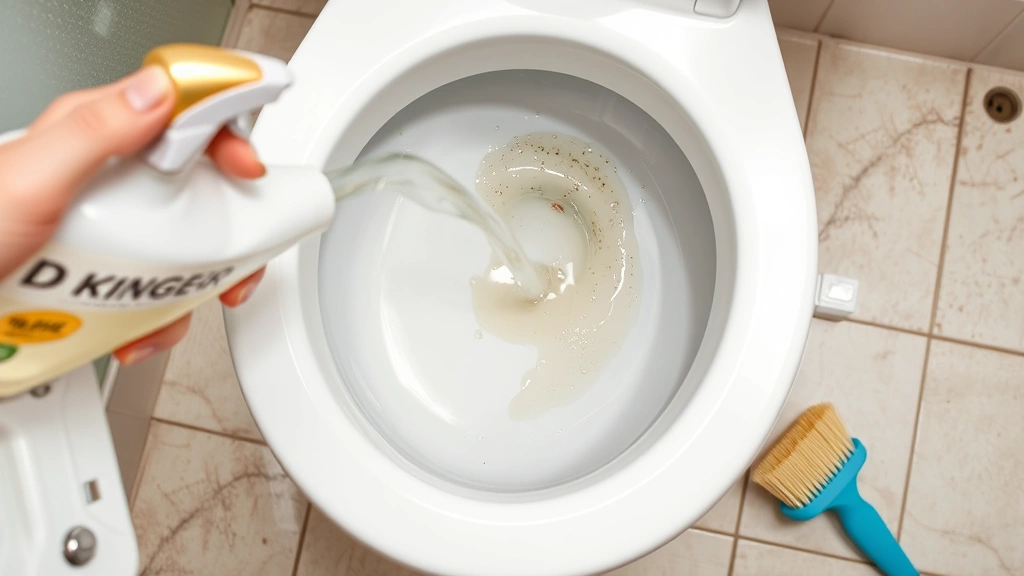
DIY Toilet Cleaning Guide: Pro Tips for Tough Stains
A stained toilet bowl is one of the most common bathroom maintenance challenges homeowners face. Whether you’re dealing with rust rings, hard water deposits, or stubborn mineral buildup, understanding how to clean a stained toilet effectively can save you money on professional cleaning services and keep your bathroom looking pristine. Most toilet stains develop gradually over time due to mineral content in water, rust from the tank’s internal components, or bacterial growth that creates dark rings around the waterline.
The good news is that you don’t need harsh commercial chemicals or expensive professional services to restore your toilet to its original condition. With the right knowledge, readily available household items, and proven techniques, you can tackle even the most stubborn stains yourself. This comprehensive guide will walk you through professional-grade cleaning methods, safety considerations, and preventative measures to keep your toilet stain-free for years to come.
Understanding Toilet Stains
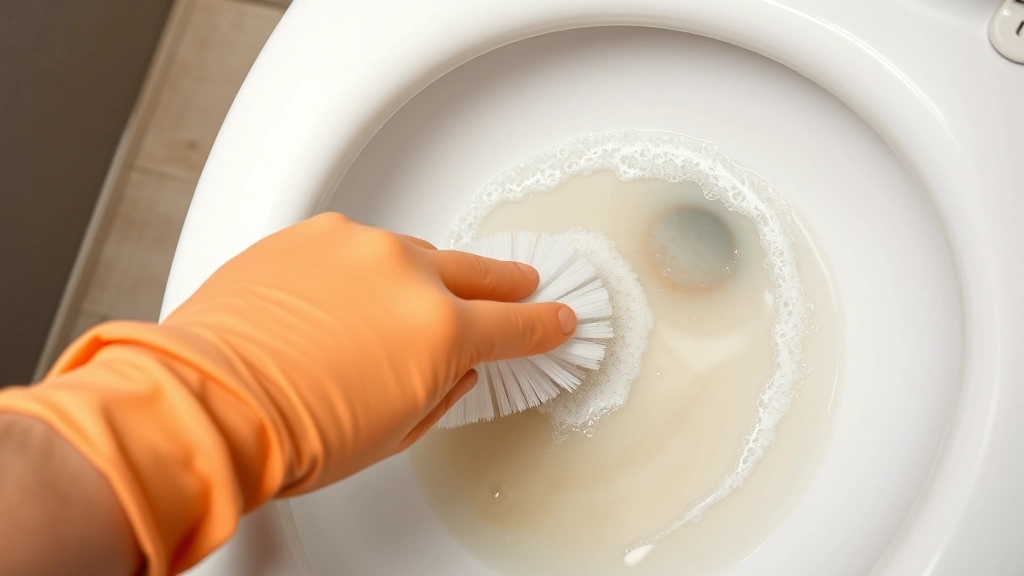
Before tackling the cleaning process, it’s important to identify what type of stain you’re dealing with. Different stains require different approaches, and understanding their origins helps you choose the most effective cleaning method. Rust stains typically appear as orange, brown, or reddish rings and are caused by iron oxide in the water supply or corrosion from the toilet’s internal metal components. Hard water stains manifest as white, gray, or chalky deposits and result from high mineral content, particularly calcium and magnesium. Mold and mildew stains appear as black or dark green spots, usually appearing at the waterline or under the rim where moisture accumulates.
Understanding the source of your stain helps prevent future problems. If you notice consistent rust staining, your water supply likely contains elevated iron levels. Hard water stains indicate mineral-rich water, which affects not just your toilet but also your pipes and appliances. Like other household cleaning challenges such as grout cleaning, toilet stain removal requires identifying the root cause before implementing solutions.
Essential Supplies and Safety
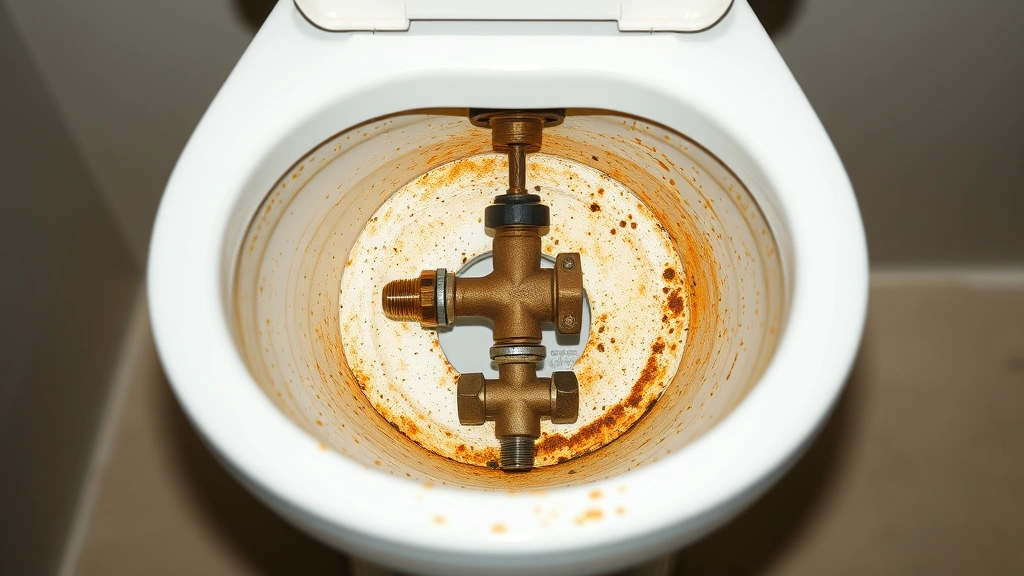
Gathering the right supplies before you begin ensures an efficient and safe cleaning process. Essential items include:
- Rubber gloves (nitrile or latex) to protect your hands from chemicals and bacteria
- Toilet brush with a sturdy handle for scrubbing hard-to-reach areas
- Pumice stone (specially designed for toilet use) for gentle abrasive cleaning
- Cleaning agents such as white vinegar, baking soda, bleach, or commercial toilet bowl cleaners
- Rubber plunger for stubborn blockages caused by cleaning debris
- Spray bottle for applying vinegar solutions
- Eye protection and a respiratory mask when using strong chemical cleaners
- Old newspapers or towels to protect surrounding flooring
Safety should be your top priority when cleaning toilets. Never mix bleach with ammonia-based cleaners, as this creates toxic chlorine gas. Ensure proper ventilation by opening windows and running exhaust fans. If you have septic systems, avoid harsh chemical cleaners that can disrupt beneficial bacteria. For those managing multiple household cleaning projects, understanding safety protocols applies whether you’re cleaning a gas grill or maintaining bathroom fixtures.
According to the CDC’s guidelines on chemical safety, always wear appropriate protective equipment when handling cleaning agents. Read product labels carefully and follow manufacturer instructions for safe use and disposal.
Cleaning Methods for Different Stain Types
Vinegar and Baking Soda Method
This natural, non-toxic approach works exceptionally well for hard water stains and light rust discoloration. White vinegar’s acetic acid dissolves mineral deposits while baking soda provides gentle abrasive action. Pour one cup of white vinegar around the toilet bowl, allowing it to coat the entire surface. Let it sit for 30 minutes, then sprinkle baking soda over the stained areas. The chemical reaction between vinegar and baking soda creates fizzing action that helps lift stains. Scrub with your toilet brush using circular motions, paying special attention to stained areas. For stubborn stains, repeat the process or allow the vinegar to sit overnight before scrubbing.
Bleach-Based Cleaning
Bleach is highly effective for mold, mildew, and stubborn stains, though it requires careful handling. Pour one to two cups of bleach into the toilet bowl and allow it to sit for 10-15 minutes. Ensure adequate ventilation during this process. Scrub thoroughly with your toilet brush, paying attention to under the rim where bacteria accumulates. For extremely stubborn stains, you can allow bleach to sit for up to 30 minutes, but never leave it unattended or combine it with other cleaning products. Flush thoroughly multiple times to remove all bleach residue.
Commercial Toilet Bowl Cleaners
Professional-grade toilet cleaners contain powerful acids designed to dissolve mineral deposits and rust quickly. Products containing hydrochloric acid are particularly effective for stubborn stains. Always follow package directions carefully and maintain excellent ventilation. These cleaners work best when applied directly to stains and allowed to sit for the recommended time before scrubbing. While effective, they’re more expensive than natural alternatives and require careful handling to avoid skin contact and inhalation of fumes.
Pumice Stone Technique
For tough, stubborn stains that resist chemical cleaners, a specially-designed toilet pumice stone offers a mechanical solution. Soak the pumice stone in water until it’s completely saturated, then gently rub it against stained areas using light pressure. The stone’s porous surface gently abrades stains without scratching the porcelain. This method requires patience and multiple applications but avoids harsh chemicals entirely. It’s particularly useful for rust rings and mineral deposits. Never use regular pumice stones on toilets; purchase ones specifically designed for bathroom use to avoid porcelain damage.
Step-by-Step Cleaning Process
Following a systematic approach ensures you address all areas and achieve optimal results. Step One: Preparation involves putting on rubber gloves and eye protection, ensuring the bathroom is well-ventilated, and gathering all supplies within arm’s reach. Turn off the water supply if you plan an extended soak or need to work inside the tank.
Step Two: Initial Flush and Drain removes excess water from the bowl. For stubborn stains requiring extended soaking, use a wet/dry vacuum to remove most standing water, leaving just enough to cover stains. This allows cleaning solutions to concentrate on problem areas.
Step Three: Apply Cleaning Solution based on your stain type. Whether using vinegar, bleach, or commercial cleaner, coat the entire bowl interior, paying special attention to the waterline and stained areas. Allow the appropriate soaking time—typically 15-30 minutes for chemical cleaners, or overnight for stubborn mineral deposits with vinegar.
Step Four: Scrubbing is where you put in physical effort. Use your toilet brush with firm circular motions, working from the top of the bowl downward. Don’t forget the underside of the rim where bacteria and mold thrive. For stubborn stains, use a pumice stone with light pressure. Work systematically around the entire bowl to ensure even cleaning.
Step Five: Flush and Inspect the results. If stains remain, repeat the process or try a different cleaning method. Persistent stains may require multiple applications over several days. Like managing other household maintenance tasks such as cleaning rusty cast iron pans, patience and persistence often yield the best results.
Step Six: Final Cleaning involves flushing multiple times to remove all cleaning residue and any loosened debris. Wipe down the exterior porcelain with a damp cloth and dry with a towel for a polished appearance.
Prevention and Maintenance
Preventing stains from developing in the first place is far easier than removing them once established. Daily habits make a significant difference. Ensure your bathroom has adequate ventilation to reduce moisture that promotes mold growth. Clean your toilet weekly with a mild cleaner to prevent stain buildup. Address any water leaks promptly, as dripping water concentrates minerals and creates perfect conditions for staining.
If you have hard water, consider installing a water softener system to reduce mineral content throughout your home. This investment benefits not just your toilet but your entire plumbing system, appliances, and even your skin and hair. For renters or those unwilling to install a whole-house system, point-of-use solutions like under-sink filters help reduce mineral content in bathroom water.
Regular maintenance prevents minor stains from becoming major problems. Weekly toilet bowl cleaner use—whether commercial or homemade vinegar solutions—keeps surfaces clean and prevents mineral accumulation. Check your toilet’s internal components annually. If the fill valve or flapper shows rust or corrosion, replace them to prevent rust particles from discoloring the bowl. Just as you’d maintain other household systems like vehicle maintenance, consistent toilet care prevents costly problems.
Consider using drop-in toilet tank cleaners that slowly release cleaning agents with each flush. These products help prevent stain formation and keep your toilet fresh between deep cleanings. However, some septic system users should avoid these as they can interfere with beneficial bacteria. Always check compatibility with your plumbing system before using any new products.
The Plumbing Masters Association provides comprehensive toilet maintenance guidelines for homeowners seeking professional recommendations on care and prevention strategies.
FAQ
Can I use bleach and vinegar together to clean toilet stains?
No, never mix bleach and vinegar. This combination produces toxic chlorine gas, which is extremely dangerous. Always use one cleaning agent at a time and flush thoroughly between applications if switching products. If you’ve accidentally mixed these chemicals, evacuate the area immediately and call emergency services if you experience respiratory symptoms.
How long should I let cleaning products sit before scrubbing?
Most commercial toilet cleaners work best with 10-15 minutes of soaking time. Vinegar and baking soda can sit for 30 minutes to several hours. For extremely stubborn stains, vinegar can sit overnight. Bleach typically requires 15-30 minutes. Check product labels for specific recommendations, as different brands vary in strength and recommended contact time.
Will a pumice stone scratch my porcelain toilet?
When used properly with a specially-designed toilet pumice stone and light pressure, scratching is minimal. Regular pumice stones are too abrasive and will damage porcelain. Always soak the pumice stone first to soften it, and use gentle circular motions rather than scrubbing forcefully. Test on a less visible area first if you’re concerned.
What should I do if stains won’t come off despite repeated cleaning?
Persistent stains may indicate internal rust or mineral deposits requiring professional attention. Call a plumber to inspect your toilet’s internal components and water supply. Sometimes stains originate from the tank or supply line rather than the bowl itself. Professional descaling services or replacement of corroded components may be necessary.
Are natural cleaning methods as effective as commercial cleaners?
For most stains, vinegar and baking soda work remarkably well and cost significantly less. However, commercial cleaners containing stronger acids work faster on rust and heavy mineral deposits. For light to moderate stains, natural methods are highly effective. For severe stains, commercial products may deliver faster results, though they cost more and require careful handling.
How often should I clean my toilet to prevent stains?
Weekly cleaning with a mild cleaner prevents stain accumulation. In homes with hard water or high iron content, twice-weekly cleaning may be necessary. Daily flushing and occasional brush scrubbing help maintain cleanliness. If you notice stains beginning to form, increase cleaning frequency immediately to prevent them from setting permanently.
Is it safe to use toilet cleaners if I have a septic system?
Many commercial cleaners harm septic systems by killing beneficial bacteria essential for waste breakdown. Use septic-safe products or stick with natural cleaners like vinegar and baking soda. Avoid bleach in septic systems when possible. Check product labels for septic-safe certification, or consult your septic system provider for approved cleaning methods.
Whether you’re tackling your first toilet stain or managing a longstanding problem, the methods outlined in this guide provide effective, safe, and affordable solutions. Remember that consistency and prevention are your best tools for maintaining a clean, stain-free toilet. For additional household cleaning guidance, explore our comprehensive resources on carpet cleaning techniques and other bathroom maintenance topics available on the DIY Nest Hub Blog.


