How to Clean Artificial Grass: Expert Tips for a Pristine Lawn
Artificial grass offers homeowners a low-maintenance alternative to natural turf, eliminating the need for constant watering, mowing, and fertilizing. However, many people mistakenly believe that synthetic turf requires zero upkeep. In reality, proper cleaning and maintenance are essential to extend the lifespan of your artificial lawn and keep it looking vibrant and fresh. Whether you’re dealing with dust accumulation, pet waste, or stubborn stains, understanding the right cleaning techniques will help you preserve your investment for years to come.
This comprehensive guide walks you through every aspect of cleaning artificial grass, from routine maintenance to tackling specific challenges. We’ll explore the tools you’ll need, step-by-step cleaning procedures, and expert-recommended solutions that won’t damage your synthetic turf. By following these proven methods, you can maintain a beautiful outdoor space without the hassle of traditional lawn care.
Why Regular Cleaning Matters for Artificial Grass
Many homeowners invest in artificial turf to reduce maintenance demands, but neglecting regular cleaning can actually undermine the benefits of this investment. Over time, dust, pollen, leaves, and other organic debris settle into the grass fibers, creating an environment where mold and mildew can thrive. This accumulation not only diminishes the aesthetic appeal of your lawn but can also shorten the lifespan of the synthetic material.
Regular cleaning prevents matting and fiber degradation that occurs when debris compresses the grass blades. Just as you would maintain your vehicle’s cleanliness through regular washing, artificial grass benefits from consistent attention. The UV rays that keep your turf looking green can be blocked by a layer of accumulated dirt, causing the grass to appear dull and faded. Additionally, pet owners should prioritize cleaning to prevent odor buildup and bacterial growth.
According to the Artificial Grass Reviewers Association, properties that receive monthly cleaning maintain their vibrant appearance and structural integrity significantly longer than those cleaned only sporadically. Investing just a few hours each month in proper maintenance can extend your artificial grass’s lifespan from 10-15 years to potentially 20+ years.
Essential Tools and Equipment
Before you begin cleaning your artificial grass, gather the proper tools to ensure effective results without causing damage. Having the right equipment on hand makes the process faster and more efficient.
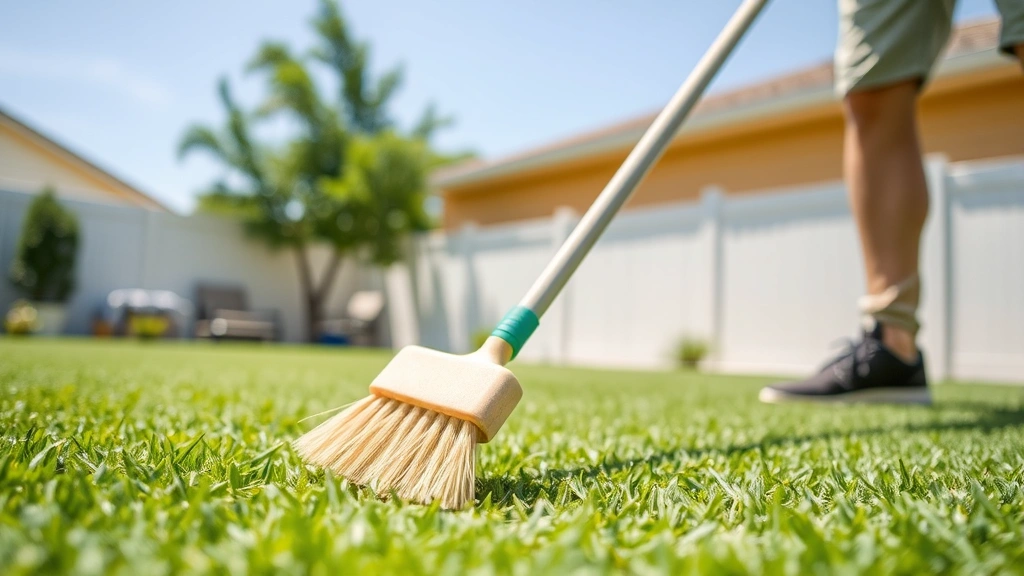
- Soft-bristled broom or brush: Use this for gentle debris removal without pulling up grass fibers. Avoid stiff wire brushes that can damage the synthetic material.
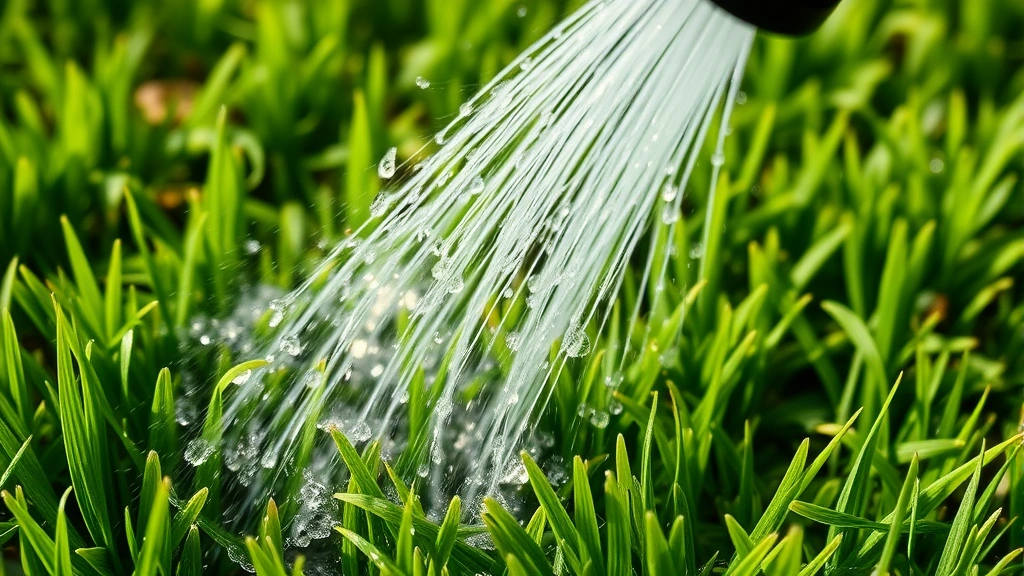
- Garden hose with adjustable nozzle: A spray with medium pressure works best for rinsing away dust and light debris. High-pressure washers can damage the backing and weaken the turf’s structural integrity.
- Leaf blower: Particularly useful for clearing leaves and light debris from large areas quickly.
- Enzyme-based cleaner: These specialized products break down organic matter without harming synthetic fibers. Look for cleaners specifically formulated for artificial turf.
- Mild dish soap solution: A gentle alternative for light cleaning that’s safe for most artificial grass types.
- Microfiber cloths: Perfect for spot-cleaning and drying small areas without lint residue.
- Odor neutralizer: Essential for pet owners dealing with urine or feces-related smells.
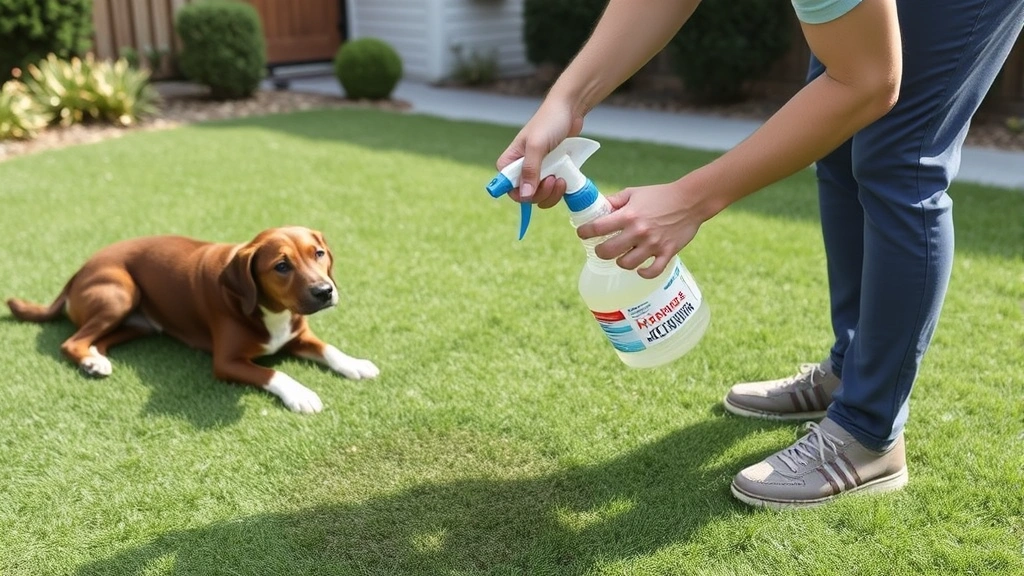
- Disinfectant spray: Choose one that’s safe for synthetic materials and pet-friendly if applicable.
For larger properties, consider renting professional-grade equipment or hiring specialists who understand the nuances of artificial turf cleaning. The Institute of Inspection, Cleaning and Restoration Certification (IICRC) provides resources on proper cleaning methodologies for various surfaces, including synthetic turf.
Basic Maintenance and Routine Cleaning
Establishing a consistent routine prevents problems from developing in the first place. Weekly maintenance takes only 15-20 minutes but yields significant long-term benefits for your artificial lawn.
Weekly Tasks: Use a leaf blower to remove leaves, twigs, and surface debris from your grass. This prevents organic matter from breaking down and creating stains or odors. If you don’t have a leaf blower, a soft-bristled broom works equally well, though it requires more physical effort. Brush gently in one direction to avoid matting the fibers.
Bi-Weekly Rinse: Once every two weeks, use your garden hose to spray down the entire lawn with medium pressure. This removes dust, pollen, and fine particles that accumulate between fibers. Pay special attention to shaded areas where moisture tends to linger, as these spots are more susceptible to mold growth.
Monthly Deep Inspection: Walk your lawn carefully, looking for areas of matting, discoloration, or unusual odors. Early detection of problems allows you to address them before they become widespread issues. This proactive approach mirrors the attention required for protecting your home’s perimeter through regular inspections.
For high-traffic areas where the grass receives constant foot traffic, consider using a stiff broom to brush the fibers upright once monthly. This restores the natural appearance and improves drainage, preventing water from pooling.
Removing Stains and Debris
Despite regular maintenance, stains inevitably occur. The key is addressing them promptly before they set permanently into the synthetic fibers.
Organic Stains: Grass, mud, and food debris can be removed by first allowing the area to dry completely, then gently brushing away the debris. If staining persists, mix a solution of equal parts white vinegar and water, apply it to the stain, and let it sit for 10-15 minutes before rinsing thoroughly. This method is particularly effective for stubborn organic matter without damaging the turf backing.
Oil and Grease Stains: These require immediate attention. Blot fresh spills with paper towels or cloth, then apply baking soda to absorb remaining oil. Let it sit for 30 minutes before vacuuming or sweeping away the powder. For set-in stains, use a degreaser specifically formulated for synthetic materials, following the manufacturer’s instructions carefully.
Rust and Metal Stains: These often result from metal furniture or fixtures left on the grass. Remove the source first, then treat the stain with a solution of lemon juice and salt. Apply, let sit for one hour, then rinse thoroughly. For severe staining, commercial rust removers designed for outdoor use work well, though always test on a small inconspicuous area first.
Tar and Adhesive: Use rubbing alcohol applied with a cloth, gently working the stain from the outside edges toward the center. Avoid scrubbing harshly, as this can damage fibers. Multiple applications with fresh cloths typically prove more effective than aggressive single treatments.
The Turfgrass Council of North America recommends testing all cleaning solutions on a hidden area before full application, as different artificial grass compositions may react differently to various chemicals.
Dealing with Pet-Related Issues
Pet owners often choose artificial grass for its durability and ease of cleanup. However, proper management of pet waste is crucial for maintaining hygiene and preventing odor problems.
Solid Waste Removal: Pick up solid waste daily using a pooper scooper or bag. Unlike natural grass, artificial turf doesn’t decompose organic matter naturally, so prompt removal prevents bacterial growth and odor accumulation. Dispose of waste in a designated area away from the turf.
Urine Management: This presents the greatest challenge for pet owners. Urine can create persistent odors if not addressed properly. Rinse the area immediately with your garden hose using medium pressure to dilute and flush away urine before it soaks into the backing. For daily management, consider installing a dedicated pet bathroom area with gravel or mulch where you can more easily manage waste.
Odor Elimination: For existing odors, apply an enzyme-based cleaner designed specifically for pet urine. These products break down uric acid crystals that cause persistent smells. Allow the cleaner to work according to package directions, typically 15-30 minutes, then rinse thoroughly. You may need multiple applications for severe cases.
Disinfection: Once weekly, spray the entire pet area with a pet-safe disinfectant to prevent bacterial growth. This is especially important in warm, humid climates where bacteria multiply rapidly. Always ensure disinfectants are labeled safe for use around animals.
Many pet owners find that creating designated areas for specific purposes, much like organizing interior spaces, helps manage artificial grass maintenance more effectively. Designating a small corner of your yard as the pet bathroom area simplifies cleanup and concentrates your maintenance efforts.
Deep Cleaning Techniques
Beyond routine maintenance, periodic deep cleaning rejuvenates artificial grass and addresses accumulated issues.
Pressure Washing Caution: While tempting, high-pressure washers can damage artificial turf by forcing water into the backing layer and potentially dislodging infill material. If you choose to use pressure washing, keep the PSI below 1500 and maintain a distance of at least 12 inches from the surface. Always test on a small area first. Many professionals recommend avoiding pressure washing altogether in favor of gentler alternatives.
Gentle Deep Clean Process: Mix a solution of one part enzyme-based cleaner to four parts water. Apply this solution generously across the entire lawn using a garden sprayer or watering can. Allow it to sit for 20-30 minutes, giving the enzymes time to break down organic matter. Then rinse thoroughly with your garden hose, ensuring all cleaner residue is removed. This method effectively removes deep-seated dirt and odors without risking structural damage.
Infill Refreshing: Over time, infill material (typically sand or crumb rubber) compacts and loses effectiveness. If your turf appears matted or doesn’t spring back after foot traffic, the infill may need attention. Professional infill replacement or redistribution services can restore your lawn’s appearance and functionality. The ASTM International standards provide specifications for artificial turf maintenance that include infill management guidelines.
Mold and Mildew Treatment: In humid climates, mold can develop beneath the surface. Treat affected areas with a mixture of one part white vinegar to three parts water, allowing it to penetrate for 15 minutes before rinsing. For severe cases, apply a commercial mold inhibitor designed for outdoor synthetic surfaces. Ensure proper drainage around your turf to prevent future moisture accumulation.
Seasonal Care Tips
Different seasons present unique challenges for artificial grass maintenance, requiring adjusted strategies throughout the year.
Spring Cleaning: After winter, conduct a thorough inspection for damage, mold growth, or debris accumulation. Remove any leaves or branches from the lawn. Check drainage around the perimeter to ensure water doesn’t pool. This is an ideal time for deep cleaning to remove winter grime and refresh the turf’s appearance.
Summer Maintenance: High temperatures and increased use during summer months demand more frequent cleaning. Pet activity typically increases, so maintain consistent odor management practices. The sun’s intensity can fade artificial grass, though quality turf is UV-resistant. Keep the grass well-rinsed to prevent dust accumulation that blocks sunlight and makes the turf appear dull.
Fall Management: Falling leaves create the most significant maintenance challenge in autumn. Increase sweeping and leaf blowing frequency to prevent organic debris from decomposing on the surface. Check and clear drainage systems to ensure water can flow freely. This is also an excellent time to address any repairs before winter weather arrives.
Winter Considerations: Snow and ice present unique challenges. Avoid using salt-based de-icers on artificial grass, as they can damage fibers and harm surrounding plants. Instead, use pet-safe ice melt products. Gently remove snow using a plastic shovel rather than metal, which can tear the turf. If ice forms, allow it to melt naturally rather than applying excessive heat or chemicals.
Just as you would prepare your home for seasonal changes through comprehensive maintenance projects, artificial grass benefits from seasonal attention and adjustment of care routines.
Frequently Asked Questions
Can I use a pressure washer on artificial grass?
High-pressure washers are generally not recommended for artificial grass. Pressures above 1500 PSI can damage the turf backing and dislodge infill material. If you must use one, keep pressure low, maintain 12+ inches distance, and test on a hidden area first. Gentle alternatives like enzyme-based cleaners are safer and equally effective.
What’s the best cleaning solution for artificial grass?
Enzyme-based cleaners specifically formulated for artificial turf are ideal because they break down organic matter without harming synthetic fibers. A mild dish soap and water solution works for light cleaning. Always avoid harsh chemicals, bleach, or solvent-based products that can damage or discolor the turf.
How often should I deep clean my artificial grass?
Deep cleaning should occur seasonally—ideally in spring and fall—or more frequently if you have pets or live in humid climates. Light weekly maintenance prevents the need for intensive deep cleaning by preventing debris and odor accumulation.
Is artificial grass safe for pets?
Yes, quality artificial grass is pet-safe. However, you must manage pet waste promptly and maintain proper drainage to prevent odor and bacterial issues. Choose pet-friendly infill materials and ensure the turf installation includes proper drainage systems.
Why does my artificial grass smell bad?
Odors typically result from trapped pet urine, organic debris decomposition, or mold growth in humid conditions. Address the source by removing pet waste promptly, maintaining regular cleaning routines, and ensuring proper drainage. Enzyme-based cleaners effectively eliminate existing odors.
Can I use vinegar to clean artificial grass?
Yes, white vinegar diluted with water (1:1 or 1:3 ratio depending on stain severity) is safe and effective for removing organic stains, odors, and light mold. It’s an economical, natural alternative to commercial cleaners.
How do I prevent matting in artificial grass?
Regular brushing with a soft-bristled broom, especially in high-traffic areas, prevents matting. Ensure proper infill material is present and distributed evenly. Avoid heavy foot traffic on the same paths, and periodically rake the grass to restore fiber uprightness.


