How to Clean Cast Iron Griddle: Chef’s Top Tips Revealed
Cast iron griddles are prized kitchen workhorses that develop rich flavor and superior heat distribution when properly maintained. Whether you’re a seasoned chef or a home cooking enthusiast, understanding the correct cleaning techniques ensures your griddle remains in pristine condition for decades. Unlike non-stick cookware that requires delicate handling, cast iron benefits from a more robust approach—one that removes food residue while preserving the protective seasoning layer that makes cooking on these surfaces so exceptional.
Many home cooks hesitate to use cast iron griddles due to misconceptions about cleaning complexity. The truth is far simpler: with the right knowledge and consistent practice, maintaining a cast iron griddle takes mere minutes. This comprehensive guide reveals professional techniques used by commercial chefs and seasoned home cooks alike, transforming griddle maintenance from an intimidating task into an effortless routine that actually extends your cookware’s lifespan and enhances its cooking performance.
Understanding Cast Iron Griddle Basics
Cast iron griddles represent a unique category of cookware with distinct characteristics that influence cleaning approaches. Unlike traditional pans, griddles feature a large, flat cooking surface designed for pancakes, grilled vegetables, burgers, and other foods requiring even heat distribution across expansive areas. The material itself—iron with a carbon steel surface—responds exceptionally well to seasoning, which creates a natural non-stick patina through repeated oil exposure and heat application.
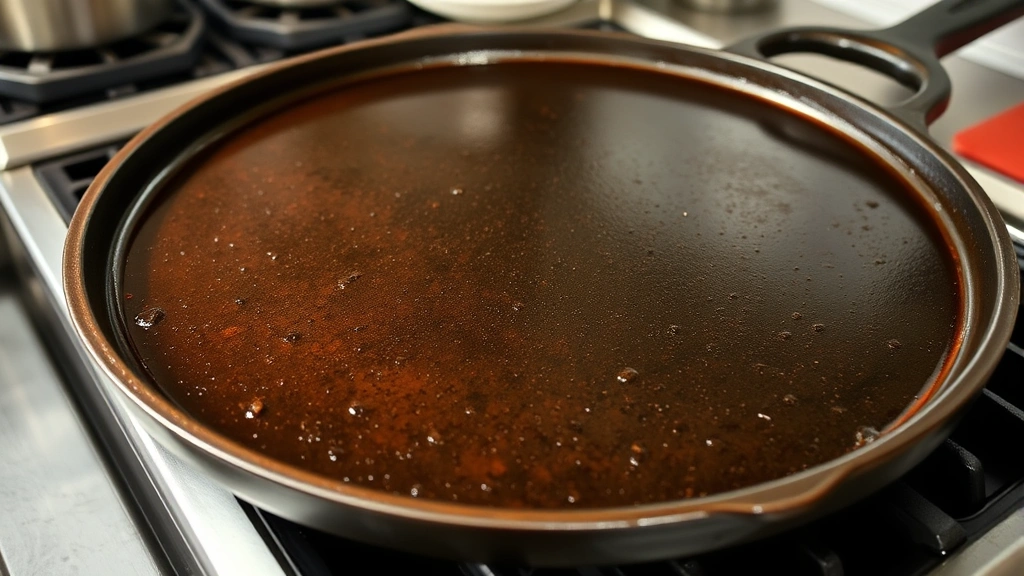
The seasoning layer consists of polymerized oils bonded to the iron surface at molecular levels. This protective barrier accomplishes several critical functions: it prevents rust formation, creates natural non-stick properties without chemical coatings, and actually improves with age and use. Understanding this foundational concept is crucial because it directly impacts which cleaning methods are appropriate and which could damage your investment. When you clean a cast iron griddle, you’re not trying to strip it bare; instead, you’re removing food debris while preserving the seasoning that makes the griddle valuable.
Professional chefs and restaurant kitchens rely on cast iron griddles because they distribute heat evenly, retain temperature exceptionally well, and develop superior crust characteristics on foods like steaks and pancakes. This same professional perspective guides our recommended cleaning protocols—methods proven effective in high-volume cooking environments where efficiency and equipment longevity directly impact profitability.
Essential Cleaning Tools and Materials
Successful cast iron griddle cleaning requires specific tools designed to remove debris without damaging the seasoning. Before tackling any cleaning project, gather these essential items to ensure you’re properly equipped. Quality tools actually make the process faster and more effective than improvised alternatives.
Primary Cleaning Tools:
- Stainless steel scraper or griddle brush: Professional-grade metal scrapers specifically designed for cast iron remove stuck-on food without gouging the surface. These tools feature comfortable handles and precisely angled blades that slide under residue effectively. Avoid cheap scrapers with rough edges that can damage the seasoning.
- Natural bristle brush: Medium-stiffness brushes work well for general cleaning, especially when combined with hot water. Avoid synthetic bristles that may melt or leave residue on hot surfaces.
- Coarse salt: Kosher or sea salt acts as an abrasive agent that removes food particles without harming the seasoning layer. The crystalline structure works mechanically to dislodge debris during scrubbing.
- High-heat oil: Avocado, grapeseed, or refined vegetable oils with high smoke points work best for re-seasoning after cleaning. These oils polymerize effectively at cooking temperatures, building the protective layer that makes griddles superior to non-stick alternatives.
- Clean cotton cloths or paper towels: Use lint-free materials for final wiping and oil application. Microfiber cloths work excellently because they absorb moisture completely without leaving fibers behind.
- Hot water: Never use cold water, which can shock the metal and cause warping. Always use the hottest water your hands can safely tolerate when cleaning immediately after cooking.
Many home cooks unnecessarily purchase commercial cleaning products designed for cast iron. While some products are acceptable, the salt-and-oil method achieves superior results at fraction of the cost. This approach also aligns with professional kitchen practices where simplicity and effectiveness matter most.
Immediate Post-Cooking Cleaning Steps
The optimal time to clean your cast iron griddle is immediately after cooking while the surface remains warm. This is when food residue releases most easily and the griddle’s heat actually assists in the cleaning process. Waiting until the griddle cools makes cleaning significantly harder and increases the risk of rust formation.
Step-by-Step Immediate Cleaning Process:
- Allow brief cooling period: Let the griddle cool just enough that you can safely touch it with bare hands—approximately 2-3 minutes after cooking ceases. The surface should still be warm but not scorching. This temperature range optimizes food release while keeping the iron pliable.
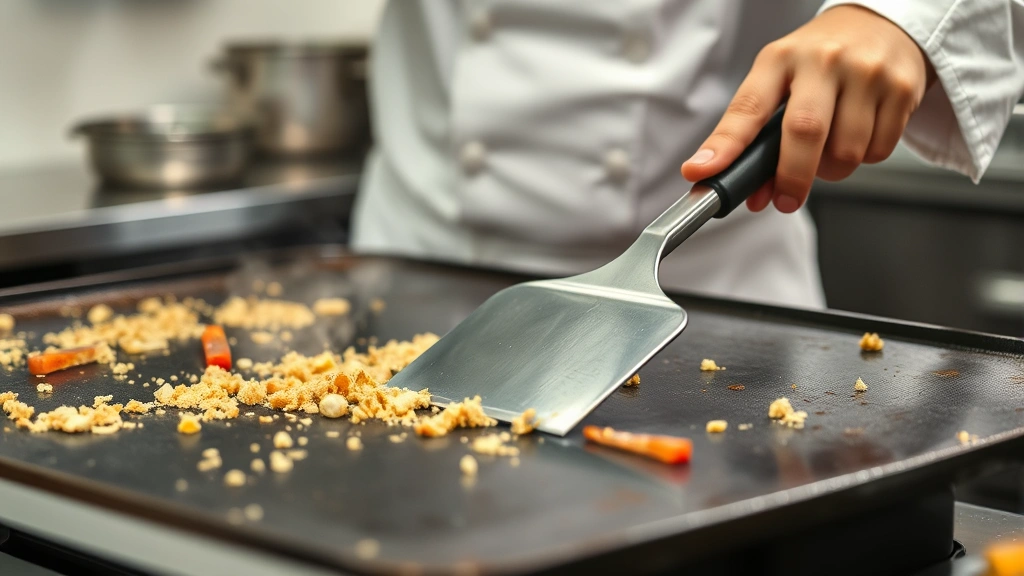
- Scrape the surface: Using your stainless steel scraper or griddle brush, firmly push the tool across the entire cooking surface in one direction. Apply moderate pressure—you want to remove food particles without aggressive gouging. Work from back to front or in a systematic pattern to ensure complete coverage. For stubborn spots, scrape perpendicular to initial strokes to dislodge debris from different angles.
- Pour hot water: While the griddle remains warm, pour a small amount of hot water across the surface. This creates steam that helps loosen remaining particles. Do not submerge the griddle or use excessive water that pools and sits. The goal is to rinse, not soak.
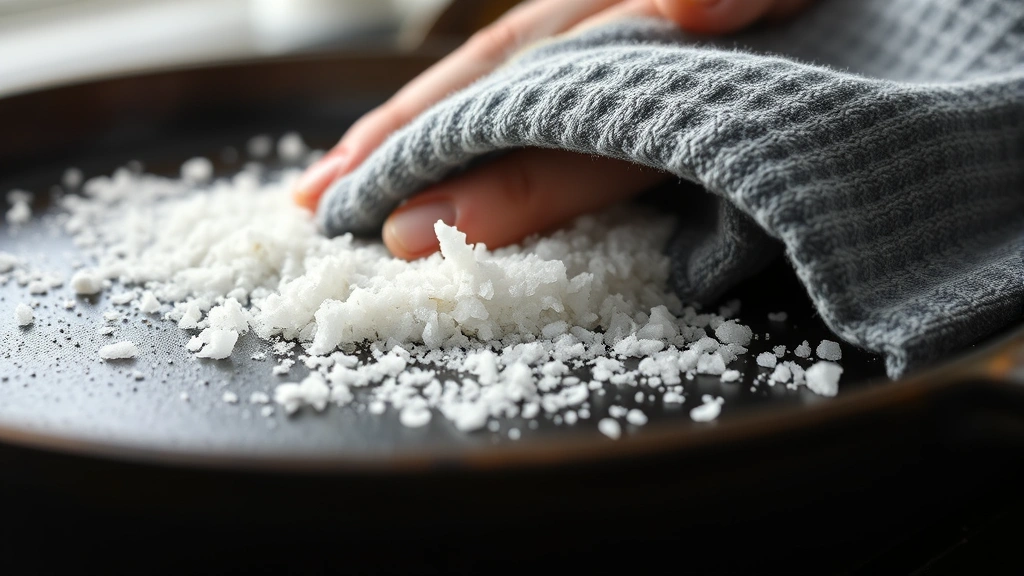
- Apply salt and oil: Sprinkle a generous amount of coarse salt directly onto the wet griddle surface. Using a wadded cotton cloth or paper towel, vigorously scrub the entire cooking surface in circular motions. The salt acts as an abrasive while the cloth absorbs moisture and food particles. This is where the griddle’s residual heat becomes your advantage—the warmth helps the salt work more effectively.
- Final wipe: Using a clean, dry cloth, wipe the griddle thoroughly to remove all salt residue and excess moisture. Continue wiping until the surface appears completely dry. Any moisture left behind creates rust risk, so this step demands attention to detail.
- Light oil coating: While the griddle is still warm, apply a very thin coating of high-heat oil using a clean cloth. This final step reinforces the seasoning layer and provides immediate protection against rust formation. The warmth helps the oil polymerize, creating a stronger bond than cold application would achieve.
This entire process typically requires 3-5 minutes, making it faster than washing most other cookware types. The key is consistency—performing these steps immediately after every use prevents buildup and maintains your griddle’s superior non-stick properties.
For those interested in comprehensive home maintenance approaches, exploring DIY home security and protection strategies extends the same preventative philosophy to your entire residence, just as regular griddle maintenance protects your cookware investment.
Deep Cleaning Methods for Stubborn Buildup
Despite best efforts with immediate cleaning, cast iron griddles occasionally accumulate stubborn buildup from heavy cooking sessions or extended periods between thorough cleaning. Deep cleaning removes this accumulated residue while maintaining the seasoning layer, restoring your griddle to optimal performance. Several methods exist, ranging from simple to more intensive.
Salt and Oil Deep Clean:
This method uses the same materials as immediate cleaning but with increased intensity. Heat the griddle to approximately 350°F (175°C)—warm enough to work quickly but cool enough to handle safely. Apply salt generously and scrub vigorously with a cloth for 5-10 minutes, using multiple fresh cloths as they accumulate debris. This approach works excellently for moderate buildup and requires no special products or equipment.
Vinegar and Baking Soda Method:
For more stubborn buildup, white vinegar combined with baking soda creates a mild abrasive paste. Mix equal parts vinegar and baking soda to form a spreadable consistency, apply to problem areas, and let sit for 15-20 minutes. Using a soft brush, gently scrub the paste across the surface. The chemical reaction between vinegar and baking soda helps break down oxidation and stuck-on food without damaging seasoning. Rinse thoroughly with hot water and dry immediately with a cloth.
Oven Seasoning Restoration:
For severely neglected griddles or those with flaking seasoning, oven seasoning provides comprehensive restoration. Preheat your oven to 500°F (260°C). Clean the griddle thoroughly using the methods above. Apply a very thin coat of high-heat oil across the entire surface using a cloth, then buff away excess oil until the griddle appears almost dry—excess oil creates sticky buildup rather than protective seasoning. Place the griddle in the preheated oven for 1 hour, then turn off the oven and allow the griddle to cool completely inside (approximately 2-3 hours). This process can be repeated 3-4 times for severely compromised griddles, building multiple seasoning layers that provide superior non-stick properties and rust resistance.
The DIY beginner woodworking projects guide emphasizes similar restoration principles—sometimes older tools and equipment benefit from comprehensive restoration rather than quick fixes.
Seasoning and Long-Term Maintenance
Seasoning represents the heart of cast iron griddle maintenance and performance. Unlike chemical non-stick coatings that degrade over time, properly developed seasoning actually improves with age and use. Understanding how to build and maintain this protective layer separates casual users from true cast iron enthusiasts.
Building Seasoning Through Cooking:
The most effective seasoning method is simply cooking on your griddle regularly, especially with naturally fatty foods like bacon, burgers, and fatty fish. Each cooking session deposits microscopic layers of polymerized oil that build upon previous layers. Over months and years, this creates a dark, glossy patina that rivals any artificial non-stick coating. This is why vintage cast iron griddles command premium prices—their seasoning represents decades of accumulated cooking that cannot be quickly replicated.
Prioritize cooking foods with natural fats and oils during your first 20-30 uses with a new or newly restored griddle. This accelerates seasoning development and establishes the foundation upon which further layers build. Avoid cooking extremely acidic foods like tomatoes or vinegar-based dishes during initial seasoning phases, as acids temporarily remove seasoning layers.
Maintenance Seasoning Between Deep Cleans:
Between deep cleaning sessions, light oil application during routine cleaning reinforces existing seasoning. After wiping the griddle dry from immediate cleaning, apply a barely-perceptible thin coat of oil while the surface remains warm. This requires only a small amount—excess oil creates sticky residue rather than protective seasoning. The warmth helps the oil polymerize, creating strong molecular bonds that resist degradation.
Professional-Grade Seasoning Products:
Several manufacturers produce seasoning products specifically formulated for cast iron. Lodge Cast Iron’s official seasoning guidelines recommend their proprietary products, though standard cooking oils work equally well when applied consistently. The key factor is consistency rather than product selection—regular light applications outperform occasional heavy applications.
Common Mistakes to Avoid
Even well-intentioned cast iron users sometimes damage their griddles through counterproductive cleaning practices. Understanding these common mistakes helps you protect your investment and maintain superior cooking performance.
Mistake #1: Dishwasher Cleaning
Never place cast iron griddles in dishwashers. The high heat, harsh detergents, and prolonged water exposure strip seasoning completely and promote rust formation. Dishwashers also cause thermal shock that can warp griddles. Always hand wash cast iron using methods outlined in this guide.
Mistake #2: Soaking in Water
Extended water contact—even for brief soaking periods—initiates rust formation and dissolves seasoning layers. If food is stuck, use hot water and a scraper, but never allow water to sit on the griddle. Dry the surface completely within minutes of any water contact.
Mistake #3: Using Soap or Harsh Detergents
Traditional wisdom held that soap permanently damages cast iron seasoning. Modern dish soaps are gentler, but harsh commercial cleaners can still strip seasoning. Stick with hot water, salt, and oil for consistent results without chemical risks.
Mistake #4: Aggressive Scrubbing with Steel Wool
While stainless steel scrapers work excellently, aggressive steel wool scrubbing removes seasoning excessively. Use steel wool only for severe restoration projects, not routine cleaning. For daily use, soft brushes and cloth-based scrubbing preserve seasoning while removing food effectively.
Mistake #5: Storing Without Moisture Protection
Humidity promotes rust formation on unprotected cast iron. Even properly seasoned griddles need protection during storage. Apply a light oil coating before storage and ensure storage areas remain dry. For griddles stored in humid climates, consider placing a cloth soaked in mineral oil inside storage containers.
Mistake #6: Using Low-Quality Oils
Oils with low smoke points break down at griddle cooking temperatures, creating sticky residue rather than protective seasoning. Always use high-heat oils like avocado, grapeseed, or refined vegetable oil. Avoid coconut, olive, or butter for seasoning purposes, as these have low smoke points despite their culinary excellence.
Storage and Seasonal Care
Proper storage ensures your cast iron griddle remains in excellent condition whether you use it daily or seasonally. Different storage scenarios require specific approaches to prevent rust and maintain seasoning quality.
Short-Term Storage (Daily to Weekly):
If you use your griddle regularly, simple kitchen storage works fine. Ensure the griddle is completely dry before storing and keep it in a location with moderate humidity. Avoid storing griddles directly against exterior walls where temperature fluctuations and moisture accumulation occur. A light oil coating applied before storage provides extra protection, especially in humid climates.
Long-Term Storage (Seasonal or Extended Periods):
Before storing a griddle for extended periods, perform a deep clean using the methods outlined earlier. Once completely dry, apply a protective oil coating across the entire surface. For griddles stored in humid environments, wrap them in cloth treated with mineral oil or place them in sealed containers with moisture-absorbing packets. Check periodically for any rust spots, which should be addressed immediately using the vinegar and baking soda method.
Seasonal Griddle Care:
Outdoor griddles used seasonally require additional protection. At the end of each season, perform a thorough deep clean, apply protective seasoning, and store in a dry location. Before resuming use after seasonal storage, inspect for any rust spots and address them promptly. A quick seasoning session in the oven before initial use reestablishes optimal non-stick properties.
Similar to comprehensive vehicle maintenance and seasonal care, griddle preservation benefits from systematic approaches that address different usage patterns and storage scenarios.
For those managing multiple home projects and maintenance tasks, the DIY Nests Hub Blog provides comprehensive guides across numerous home improvement categories, helping you develop systematic approaches to all household maintenance challenges.
FAQ
Can I use soap to clean my cast iron griddle?
Modern dish soaps are gentler than historical formulations and generally safe for cast iron griddles. However, hot water combined with salt and a cloth remains the preferred method because it avoids any chemical contact. If you choose to use soap, use minimal amounts and dry the griddle immediately afterward, then apply a light oil coating.
What should I do if my griddle develops rust spots?
Address rust spots immediately to prevent spread. Mix equal parts white vinegar and baking soda to form a paste, apply to rust areas, and let sit for 15-20 minutes. Gently scrub with a soft brush, rinse thoroughly with hot water, and dry completely. Apply a protective oil coating immediately. For severe rust, repeat the process or use oven seasoning restoration to rebuild the protective layer.
How often should I deep clean my cast iron griddle?
Frequency depends on usage intensity. Regular home users benefit from deep cleaning every 3-6 months, while heavy users may deep clean monthly. High-volume commercial kitchens deep clean weekly. The key indicator is buildup appearance—when you notice stubborn residue that routine cleaning doesn’t remove, it’s time for deep cleaning.
Is it safe to use my griddle immediately after seasoning it in the oven?
Allow the griddle to cool completely before using—typically 2-3 hours after oven seasoning. Using it while still hot can damage the newly formed seasoning layer. Once cooled completely, your griddle is ready for cooking and will perform excellently with the reinforced seasoning.
Can I clean my griddle in the rain or outdoors?
Avoid cleaning outdoor griddles in rain or humid conditions. Moisture exposure during cleaning increases rust risk, and wet conditions prevent proper drying. If you must clean outdoors, do so on dry days and dry the griddle thoroughly immediately after cleaning. Bring the griddle indoors to complete drying if possible.
What’s the difference between cast iron and carbon steel griddles regarding cleaning?
Both materials respond similarly to cleaning methods, though carbon steel griddles typically have thinner seasoning layers. The fundamental approaches—hot water, salt scrubbing, and oil seasoning—work equally well for both. Carbon steel may require slightly more frequent seasoning maintenance due to thinner initial seasoning, but cleaning procedures remain identical.
Should I season my griddle after every use?
Light oil application after every cleaning reinforces seasoning, but full oven seasoning isn’t necessary after each use. Daily cooking with fatty foods provides natural seasoning that builds protective layers over time. Reserve intensive oven seasoning for monthly or quarterly maintenance sessions, depending on usage intensity.
What should I do if food is burned onto my griddle?
For burned-on food, allow the griddle to cool slightly, then use a stainless steel scraper to remove the burned material. For stubborn spots, try the salt and oil method with extra scrubbing intensity. If that fails, the vinegar and baking soda paste usually breaks down even severely burned residue. Never use harsh chemicals or aggressive steel wool unless the griddle requires complete restoration.
Can I use a griddle that’s still wet after cleaning?
No—always ensure complete dryness before cooking. Residual moisture causes rust formation and creates steam that affects cooking quality. If you accidentally get water on the griddle during cooking, immediately dry it with a cloth and reapply a light oil coating to protect the surface.
Where can I find additional cast iron griddle care information?
The Smithey Cast Iron care guide and King Arthur Baking Company’s cast iron resources provide authoritative information from manufacturers and culinary professionals. These sources align with the professional practices outlined in this guide.


