Costume jewelry adds sparkle and style to any outfit without the hefty price tag of fine jewelry. However, keeping these pieces looking brilliant requires proper care and cleaning techniques. Unlike precious metals and gemstones, costume jewelry consists of base metals, synthetic stones, and plated finishes that demand a gentler approach to maintain their appearance and longevity.
Whether you’re a fashion enthusiast with drawers full of statement necklaces or someone who occasionally wears costume pieces, understanding the right cleaning methods prevents damage and extends the life of your beloved accessories. This comprehensive guide covers everything you need to know about safely cleaning costume jewelry, from everyday maintenance to tackling stubborn tarnish and buildup.
Understanding Costume Jewelry Materials
Costume jewelry encompasses a wide variety of materials that require different care approaches. Most costume pieces feature base metals like zinc alloy, brass, copper, or pewter as their foundation. These metals are more susceptible to tarnishing and corrosion than precious metals, particularly when exposed to moisture, humidity, and chemical products.
Many costume jewelry items include plated finishes—typically gold, silver, or rhodium plating applied over base metals. This plating layer is relatively thin and can wear away with aggressive cleaning or excessive handling. Understanding your jewelry’s construction helps you select appropriate cleaning methods that won’t damage the plating or underlying metal.
Synthetic or imitation stones commonly found in costume jewelry include cubic zirconia, rhinestones, resin, and glass. These materials are more delicate than natural gemstones and can scratch, cloud, or crack if cleaned improperly. Always verify what type of stones your jewelry contains before attempting any cleaning process.
If you’re dealing with corrosion similar to what occurs on metal components, you might find our guide on how to clean corrosion off battery terminals helpful for understanding metal oxidation processes, though jewelry requires much gentler techniques.
Essential Cleaning Supplies and Tools
Before beginning any jewelry cleaning project, gather appropriate supplies that won’t harm delicate materials. Here’s what you’ll need for safe costume jewelry maintenance:
- Soft-bristled brushes: Use toothbrushes with soft bristles or specialized jewelry brushes rather than stiff-bristled options that scratch surfaces
- Microfiber cloths: These lint-free cloths gently polish jewelry without leaving residue or causing scratches
- Mild dish soap: Choose gentle, fragrance-free varieties without harsh chemicals
- Distilled water: Tap water contains minerals that leave spots; distilled water prevents this issue
- Soft containers: Use plastic bowls or cups rather than metal vessels that might react with cleaning solutions
- Lint-free paper towels: Avoid regular paper towels that shed fibers onto jewelry
- Baking soda: A gentle abrasive useful for mild tarnish removal
- White vinegar: Effective for dissolving certain types of buildup without harsh chemicals
Avoid using harsh chemicals, commercial jewelry cleaners designed for precious metals, abrasive scouring pads, or ultrasonic cleaners unless specifically recommended for costume pieces. These aggressive approaches damage plating and delicate synthetic stones.
Basic Cleaning Methods for Daily Maintenance
Regular maintenance prevents heavy buildup and keeps your costume jewelry looking fresh. Incorporate these simple daily cleaning practices into your routine:
Gentle Soap and Water Method
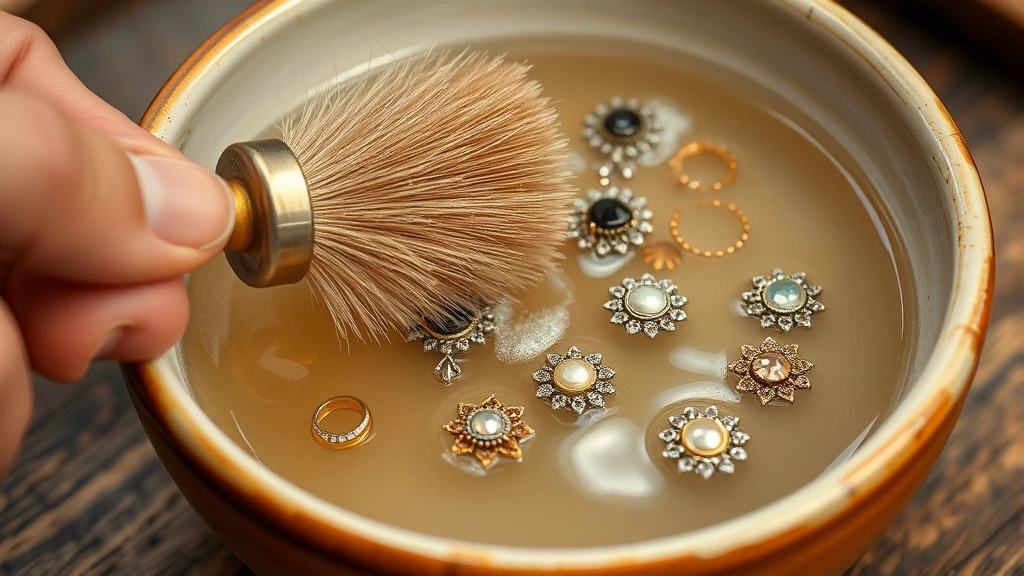
This safest cleaning approach works for most costume jewelry pieces. Fill a soft container with lukewarm distilled water and add a few drops of mild dish soap. Submerge your jewelry and let it soak for 5-10 minutes. Use a soft-bristled brush to gently scrub crevices and settings where dirt accumulates. Pay special attention to areas behind stones and around clasps. Rinse thoroughly under running lukewarm distilled water and pat dry immediately with a microfiber cloth. Never air-dry jewelry, as water spots and mineral deposits form quickly.
This method works particularly well for metal pieces with sturdy settings. However, avoid prolonged soaking for jewelry with glued stones, as water can weaken adhesives.
Dry Buffing Technique
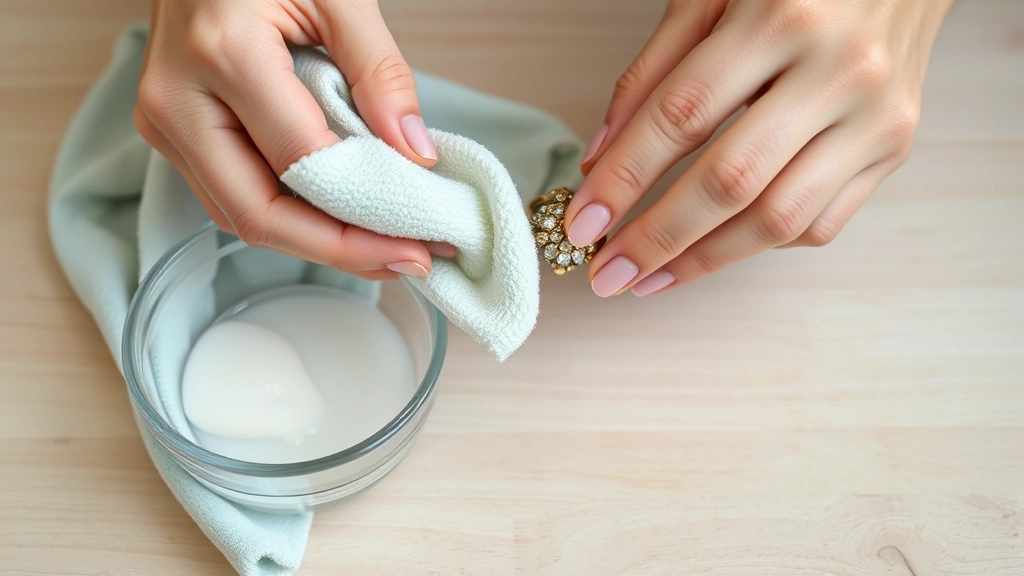
For light dust and minor fingerprints, simply buff your jewelry with a clean microfiber cloth. This quick method removes surface debris without introducing moisture or chemicals. Use gentle, circular motions rather than aggressive rubbing. This approach works best for jewelry you wear frequently and want to maintain between deeper cleanings.
Preventing Buildup
Remove costume jewelry before swimming, showering, exercising, or applying cosmetics. These activities expose jewelry to moisture, sweat, chlorine, and chemical products that accelerate tarnishing and corrosion. Store pieces in a cool, dry location immediately after wearing them.
Deep Cleaning Techniques
When regular maintenance isn’t enough, deeper cleaning removes stubborn dirt and restores shine. Always test deep cleaning methods on inconspicuous areas first.
Baking Soda Paste Method
Mix baking soda with a small amount of distilled water to create a thick paste. Apply this paste to tarnished or dull areas using a soft-bristled brush, working gently in circular motions. The mild abrasive properties of baking soda remove tarnish without scratching plated surfaces. Rinse thoroughly with distilled water and dry immediately. This method works especially well for silver-toned costume jewelry with light to moderate tarnish.
Vinegar Soak Technique
White vinegar can dissolve certain types of buildup and mineral deposits. Dilute white vinegar with equal parts distilled water and soak jewelry for 15-30 minutes. For stubborn tarnish, gently scrub with a soft brush while soaking. This method is particularly effective for brass-based costume jewelry. Always ensure jewelry is completely dry afterward, as residual vinegar can cause further oxidation.
Lemon Juice Application
Fresh lemon juice contains citric acid that naturally removes tarnish. Dip a soft cloth in lemon juice and rub tarnished areas gently. For heavier tarnish, make a paste with lemon juice and salt, but use minimal pressure and avoid leaving the paste on jewelry longer than necessary. Rinse thoroughly and dry completely.
Removing Tarnish and Corrosion
Tarnish occurs when base metals oxidize in response to air, moisture, and sulfur compounds in the environment. While tarnish doesn’t indicate damage, it affects appearance. Understanding different tarnish types helps you select the most effective removal method.
Light Surface Tarnish
Early-stage tarnish appears as a slight discoloration or dull film. Address this quickly using the baking soda paste method or gentle buffing with a microfiber cloth. Catching tarnish early prevents it from developing into heavier, harder-to-remove oxidation.
Heavy Tarnish
Thick, dark tarnish requires more intensive treatment. Try the vinegar soak method, allowing jewelry to sit longer for stubborn cases. You can also create a paste combining baking soda, white vinegar, and a tiny amount of water. Apply this paste and let it sit for 5-10 minutes before scrubbing gently and rinsing thoroughly. Never leave any cleaning solution on jewelry longer than necessary.
Corrosion Concerns
Unlike tarnish, corrosion indicates chemical breakdown of the metal itself. Green or white powdery deposits suggest corrosion rather than simple tarnish. While similar to issues discussed in our article about how to clean battery acid in terms of chemical oxidation, jewelry corrosion requires gentler treatment. For minor corrosion, try the vinegar soak method. Severe corrosion may require professional cleaning or indicate that the jewelry piece is no longer suitable for wear.
Cleaning Specific Jewelry Types
Rhinestone and Crystal Jewelry
Rhinestones and cubic zirconia require extra care to maintain their sparkle. Use only the gentle soap and water method, avoiding abrasive scrubbing that clouds or scratches synthetic stones. Dry immediately with a microfiber cloth, buffing gently to restore shine. Never use vinegar or baking soda paste on rhinestone pieces, as these can damage the stone coating or the adhesive holding stones in place.
Beaded Costume Jewelry
Beaded necklaces and bracelets demand caution around stringing materials. Avoid prolonged soaking that weakens thread or wire. Instead, use the dry buffing method for regular maintenance and spot-clean with a damp microfiber cloth when needed. For dirtier pieces, gently wipe individual beads with a barely damp cloth, supporting the piece to prevent stress on the stringing.
Enamel and Resin Pieces
Costume jewelry featuring enamel work or resin elements requires particularly gentle handling. These materials can chip, crack, or dull with aggressive cleaning. Use only lukewarm distilled water and mild soap, applied with a soft cloth rather than a brush. Avoid soaking enamel pieces, and never use abrasive pastes on these delicate finishes.
Mixed Material Pieces
Jewelry combining multiple materials—such as metal bases with resin stones and beaded elements—demands a conservative approach. Identify the most delicate component and clean according to its requirements. When in doubt, use the gentle soap and water method with minimal contact.
Storage and Prevention Tips
Proper storage prevents tarnish and corrosion from developing in the first place. These preventive measures reduce how often you need to clean your costume jewelry:
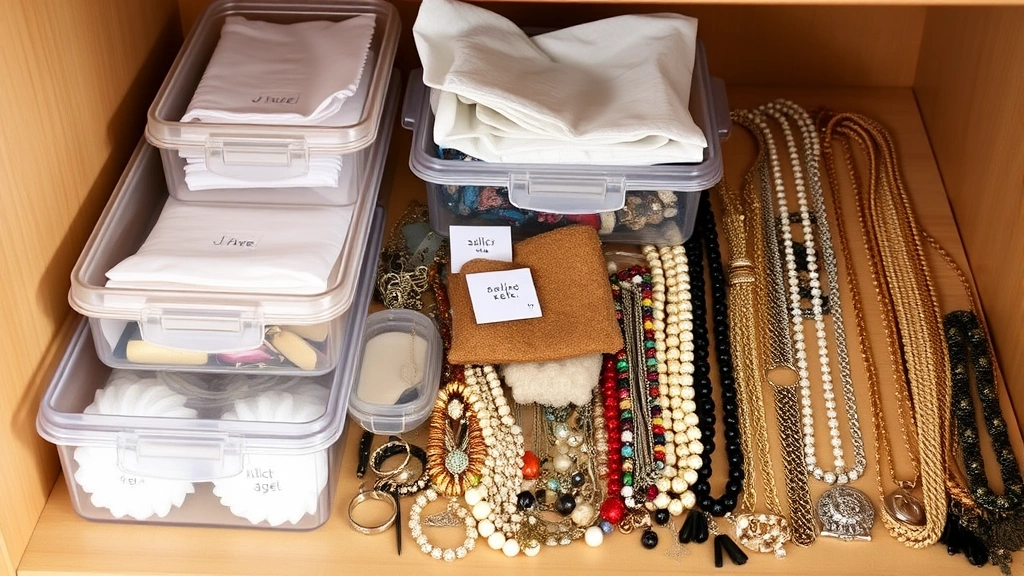
- Store in cool, dry locations: Keep jewelry away from bathrooms and humid areas where moisture accelerates oxidation
- Use airtight containers: Sealed boxes or bags reduce exposure to air and humidity. Add silica gel packets to absorb moisture
- Separate pieces: Store each item individually to prevent scratching and tangling. Use soft pouches or tissue paper between pieces
- Avoid plastic bags: Regular plastic bags trap moisture; use acid-free tissue paper or specialized jewelry pouches instead
- Keep away from direct sunlight: Extended sun exposure can fade colors and degrade certain materials
- Remove before activities: Always take off costume jewelry before swimming, exercising, showering, or applying cosmetics
- Use anti-tarnish strips: Small strips designed to absorb sulfur compounds help prevent tarnish development during storage
- Clean before storing: Always clean jewelry and ensure it’s completely dry before putting it away
For those interested in comprehensive cleaning approaches across different materials, our guide on DIY car cleaning demonstrates how systematic approaches to different surfaces prevent damage while achieving excellent results.
Visit the DIY Nest Hub Blog for more cleaning and maintenance guides across various household items and materials.
FAQ
Can I use toothpaste to clean costume jewelry?
Most toothpastes are too abrasive for costume jewelry, especially pieces with plating or synthetic stones. While whitening toothpastes contain mild abrasives that might remove some tarnish, they can scratch delicate finishes and damage plating. Stick with gentler methods like baking soda paste or the soap and water method instead.
Is it safe to use ultrasonic cleaners on costume jewelry?
Ultrasonic cleaners can damage costume jewelry, particularly pieces with glued stones, delicate plating, or synthetic materials. The vibrations can loosen stones, separate components, and harm delicate finishes. Reserve ultrasonic cleaning for solid precious metal jewelry only.
How often should I clean my costume jewelry?
Frequency depends on how often you wear pieces and environmental conditions. Regular wearers should do light maintenance monthly using the dry buffing method. Deep cleaning every 3-6 months keeps pieces looking fresh. Jewelry stored long-term can be cleaned before wearing again.
What should I do if costume jewelry causes skin irritation?
Skin reactions often result from metal sensitivity or accumulated dirt and tarnish. Clean the piece thoroughly using the gentle soap and water method. If irritation persists, the base metal may be incompatible with your skin. Consider wearing the piece over clothing or limiting wear duration. Nickel-sensitive individuals should avoid costume jewelry entirely, as base metals often contain nickel.
Can I wear costume jewelry while swimming?
Never wear costume jewelry while swimming. Chlorine in pools and salt in ocean water accelerate corrosion and can permanently damage plating and adhesives holding stones. Freshwater also introduces minerals that cause spotting and tarnish. Remove all costume jewelry before entering water.
Why does my costume jewelry tarnish so quickly?
Quick tarnishing indicates exposure to moisture, humidity, or chemical products. Store jewelry in airtight containers with silica gel packets. Remove pieces before showering, exercising, or applying cosmetics. Keep jewelry away from bathroom environments where humidity is high. These preventive measures significantly slow tarnishing.
Is professional cleaning worth the cost for costume jewelry?
Professional cleaning services are generally not necessary for costume jewelry since the pieces typically cost less than professional cleaning fees. However, if a cherished vintage costume piece or sentimental item requires restoration, professional jewelers can often help. For regular maintenance, home cleaning methods are entirely adequate and cost-effective.


