How to Clean Cowboy Boots: Pro Tips & Tricks Inside
Cowboy boots are more than just footwear—they’re an investment in style, comfort, and heritage. Whether you wear them for ranch work, western events, or everyday fashion, keeping them clean and well-maintained extends their lifespan and preserves their distinctive character. Unlike regular shoes, cowboy boots require specialized cleaning techniques that account for their leather construction, decorative elements, and unique stitching patterns.
Proper boot maintenance begins with understanding the materials and construction methods used in quality western boots. Most authentic cowboy boots feature premium leather uppers, often with intricate tooling or embroidery, combined with sturdy soles designed for durability. Learning how to clean cowboy boots correctly prevents damage to these delicate details while effectively removing dirt, dust, and stains that accumulate during regular wear.
Essential Cleaning Supplies You’ll Need
Before tackling any cleaning project, gather the right tools and products. Having everything prepared prevents unnecessary trips back and forth and ensures you can address stains immediately. The foundation of any boot-cleaning kit includes soft-bristled brushes, lint-free cloths, and appropriate leather cleaners specifically formulated for cowboy boots.
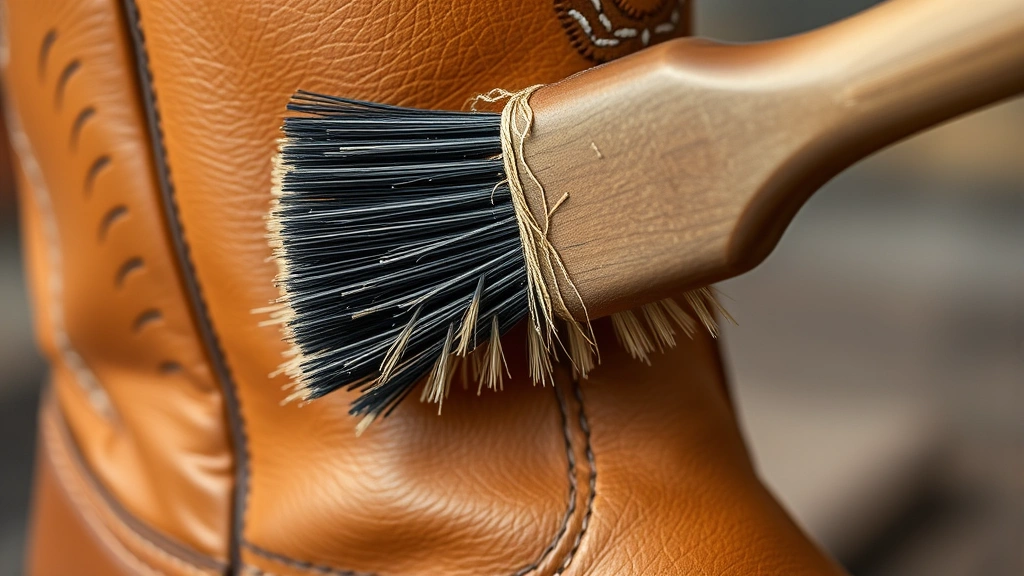
Start with a quality soft-bristled brush—natural horse hair or soft nylon works best for removing surface dust without scratching leather. Avoid stiff wire brushes that can damage the finish. You’ll also need lint-free microfiber cloths that won’t leave residue or fibers on the leather surface. Cotton cloths work in a pinch, but microfiber absorbs moisture more effectively.
Specialized leather cleaners designed for cowboy boots are crucial investments. Look for products formulated specifically for leather rather than generic shoe cleaners. Quality leather conditioners protect against cracking and maintain the boot’s natural suppleness. Many professionals recommend leather creams that contain mink oil or lanolin, which penetrate deeply and restore moisture.
Additional supplies include distilled water (tap water contains minerals that leave spots), a small sponge or soft cloth for applying cleaner, and newspaper or paper towels for blotting. For stubborn stains, keep white vinegar, saddle soap, and leather-specific stain removers on hand. Some enthusiasts swear by specialized boot cleaning products available from western wear retailers, which offer formulations tailored to traditional leather construction.
Step-by-Step Dry Cleaning Method
The dry cleaning method forms the foundation of regular boot maintenance and should be performed after every wear. This approach removes surface contaminants without introducing excess moisture that could damage leather or cause water stains.
Step 1: Remove Loose Dirt Begin by tapping the boots together gently to dislodge loose dust and debris. Hold them at the ankle and tap the soles and sides against a trash bin or outdoors. This simple action removes most surface particles before they’re worked deeper into the leather during brushing.
Step 2: Brush the Entire Surface Using your soft-bristled brush, work systematically across the boot in one direction. Start at the top of the shaft and brush downward toward the sole. Pay special attention to seams, stitching lines, and decorative elements where dust accumulates. Use gentle, consistent pressure rather than aggressive scrubbing. For embroidered or tooled areas, brush with the pattern rather than against it to avoid catching threads.
Step 3: Clean the Sole and Heel The sole and heel accumulate the most dirt and grime. Use the brush to work around the sole edges where dirt embeds itself. A soft-bristled toothbrush works excellently for getting into tight spaces around the heel and sole junction. Don’t neglect the inside of the boot—brush the interior lining to remove sweat residue and odor-causing bacteria.
Step 4: Buff with Microfiber Cloth After brushing, use a clean microfiber cloth to buff the entire boot surface. This removes any remaining dust particles and brings out the natural shine of quality leather. Buffing also helps you identify any stains or marks that require additional attention during wet cleaning.
Wet Cleaning Techniques for Stubborn Stains
When dry cleaning doesn’t suffice, wet cleaning methods effectively remove embedded dirt, salt stains, and stubborn marks. This approach requires careful attention to moisture levels to prevent water damage or discoloration.
The Basic Wet Cleaning Process Fill a small bowl with distilled water and add a few drops of leather-specific boot cleaner according to product instructions. Mix gently to create a cleaning solution without excessive suds. Never use hot water, which can damage leather and cause shrinkage. Lukewarm water works best for dissolving dirt while remaining safe for delicate materials.
Dampen a soft cloth or sponge in the solution—not soaking wet, but thoroughly moistened. Wring out excess liquid before applying to the boot. Work in small sections, gently rubbing the leather in circular motions. Focus on visibly soiled areas while maintaining even coverage to avoid creating uneven patches on the leather surface.
Use a second cloth dampened with plain distilled water to rinse away soap residue. This step is crucial—leftover cleaner can leave residue that attracts dirt and dull the leather finish. Rinse thoroughly until the cloth comes away clean with no soapy residue. Finally, use a dry microfiber cloth to absorb excess moisture.
Salt Stain Removal Salt stains from winter roads or sweat require special attention. Create a solution of equal parts white vinegar and distilled water. Apply this mixture to salt-stained areas with a cloth, allow it to sit for two to three minutes, then wipe clean with a damp cloth and distilled water. The mild acidity of vinegar dissolves mineral deposits without harming leather.
Removing Specific Stains and Marks
Different stains require different approaches. Understanding how to treat specific blemishes prevents setting permanent marks into the leather.
Oil and Grease Stains Fresh oil or grease responds well to immediate treatment with absorbent materials. Sprinkle baking soda or talcum powder directly onto the stain and allow it to sit for several hours or overnight. The powder absorbs oils from the leather surface. Brush away the powder gently, and if residue remains, repeat the process. Once oil is absorbed, clean the area with your standard leather cleaner.
Mud and Dried Dirt Allow mud to dry completely before attempting removal—wet mud spreads and embeds deeper. Once dry, brush away dried mud with your soft-bristled brush using firm pressure. For stubborn dried-on mud, dampen a cloth with water and allow it to soften the residue for a few minutes before gently scrubbing. Never pick or scratch at dried mud with your fingernails or hard tools.
Scuffs and Scratches Light surface scuffs often disappear after conditioning with quality leather cream. For deeper scratches, specialized leather repair creams matched to your boot color can minimize visibility. Apply these products sparingly with a cloth, working them into the damaged area. Multiple thin applications work better than one thick coat.
Water Stains Hard water deposits appear as light rings or spots on leather. Create a solution of equal parts white vinegar and distilled water, dampen a cloth, and gently rub the stained area. The vinegar dissolves mineral deposits while remaining safe for leather. Rinse thoroughly with plain distilled water and dry immediately.
Ink or Dye Stains Act quickly with fresh ink stains by blotting (not rubbing) with a clean cloth. For set-in stains, test a small hidden area with rubbing alcohol on a cloth before applying to visible areas. Gently dab the stain rather than scrubbing. If unsuccessful, professional leather cleaning services may be necessary to avoid permanent damage.
Conditioning and Protecting Your Boots
Conditioning is as important as cleaning—it maintains leather flexibility, prevents cracking, and restores the protective barrier that weather and wear compromise. Think of conditioning as the equivalent of moisturizing your skin; without it, leather becomes dry and brittle.
Choosing the Right Conditioner Quality leather conditioners contain oils and waxes that penetrate the leather and restore moisture. Mink oil is the traditional choice for cowboy boots, offering excellent water resistance and a rich appearance. Lanolin-based products work similarly, providing deep conditioning without the strong odor of mink oil. Modern conditioners often combine multiple oils for balanced protection and appearance.
Avoid silicone-based products or shoe polishes intended for dress shoes—these create surface buildup that masks the natural beauty of cowboy boot leather and can attract dirt. Look for products specifically labeled for western boots or quality leather footwear.
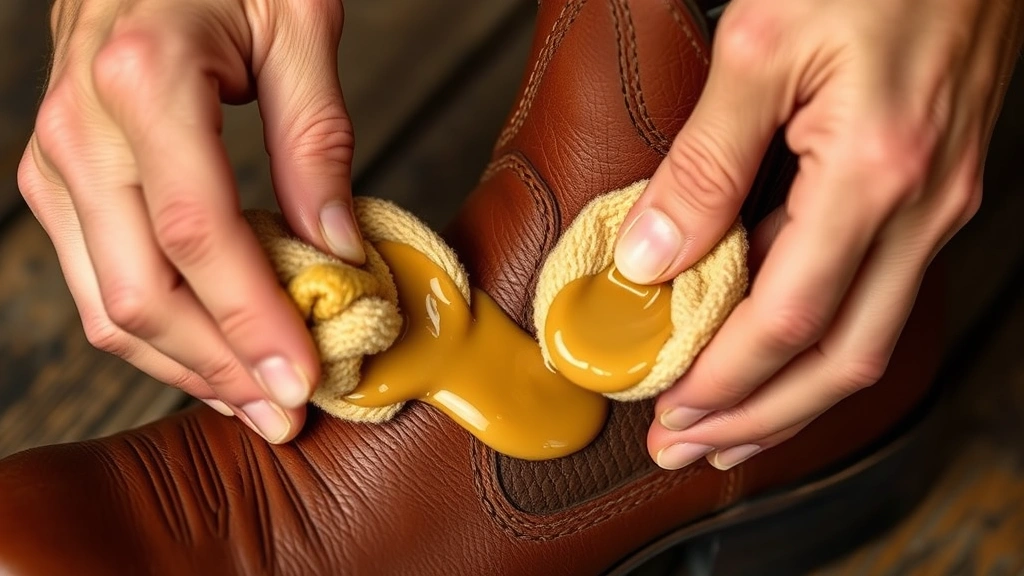
Conditioning Application Apply conditioner after cleaning and drying your boots completely. Use a soft cloth to apply a thin, even layer across the entire boot surface, working in circular motions. Pay extra attention to areas that flex during walking—the ball of the foot, heel, and ankle—where leather experiences the most stress and dries most quickly.
Allow conditioner to absorb for at least 30 minutes before wearing. Some products require overnight absorption for maximum benefit. Buff excess product with a clean cloth to prevent tackiness or dirt attraction. Conditioning every three to six months maintains optimal leather condition; heavy users should condition monthly.
Waterproofing Specialized waterproofing treatments provide additional protection against rain, snow, and salt. Apply waterproofing products after conditioning, following manufacturer instructions carefully. Most waterproofing treatments require complete absorption time before exposing boots to moisture. Quality waterproofing extends boot lifespan significantly, especially for boots worn in wet climates or seasons.
Drying and Storage Best Practices
Proper drying and storage prevent damage between wears and maintain boot shape and condition over years of use.
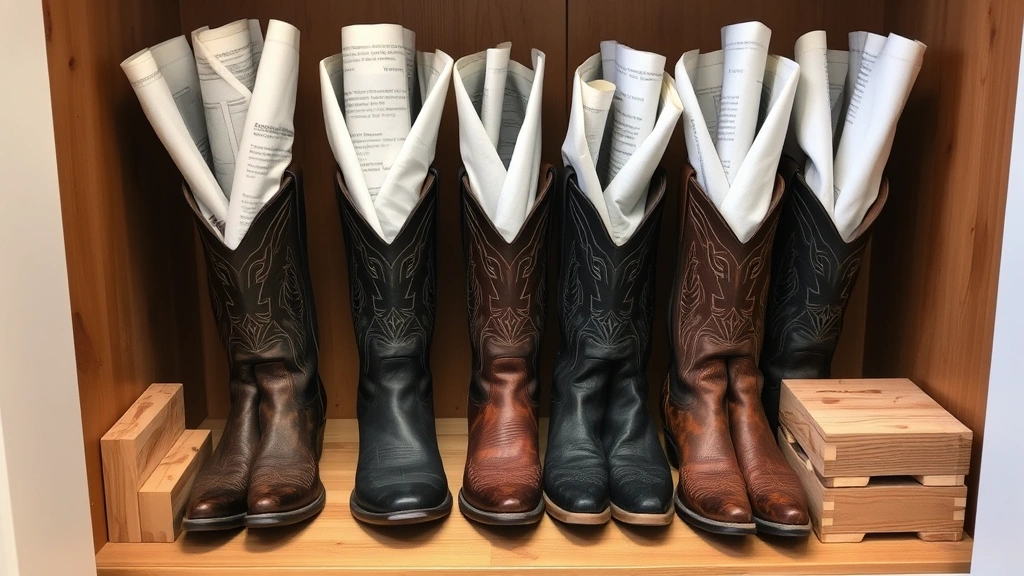
Drying Wet Boots Never expose wet boots to direct heat sources like radiators, heating vents, or sunlight, which cause leather to shrink and crack. Instead, remove insoles and stuff boots loosely with newspaper. Replace newspaper every few hours as it absorbs moisture. This gentle drying process can take 24 to 48 hours but preserves leather integrity.
For boots exposed to heavy moisture, consider using boot trees or boot shapers during drying. These devices maintain proper boot shape while allowing air circulation inside and outside the boot. Cedar boot trees offer the additional benefit of absorbing odors and moisture while imparting a pleasant scent.
Storage Considerations Store clean, dry boots in a cool, dry location away from direct sunlight. Excessive heat causes leather to dry out and crack; excessive humidity promotes mold and mildew growth. A climate-controlled closet works perfectly. Avoid plastic storage containers that trap moisture; use breathable cloth storage bags instead.
Insert boot trees or stuff boots with newspaper during storage to maintain shape and absorb any residual moisture. Cedar blocks placed near stored boots prevent odor and repel insects naturally. Avoid stacking boots, which distorts their shape—store them upright or side by side.
Check stored boots periodically, especially during seasons when they’re not in regular use. This allows you to catch any developing mold or mildew issues before they cause permanent damage. Well-maintained boots stored properly can last decades, making the effort worthwhile.
For additional guidance on maintaining valuable items, explore our comprehensive guide on how to clean costume jewelry for similar detailed care techniques. We also offer detailed instructions on how to clean a diamond ring that emphasizes the importance of specialized cleaning methods for valuable possessions.
If you’re interested in expanding your DIY cleaning knowledge, check out our DIY car cleaning guide, which covers systematic approaches to maintaining large investments. Our DIY Nest Hub Blog features numerous articles on home maintenance and care techniques.
FAQ
How often should I clean my cowboy boots?
Clean cowboy boots after each wear with the dry cleaning method to remove surface dust and dirt. Perform wet cleaning as needed when visible stains appear or salt accumulates. Condition boots every three to six months, or monthly if worn frequently.
Can I use regular shoe polish on cowboy boots?
No. Regular shoe polish designed for dress shoes creates buildup on cowboy boot leather and doesn’t provide proper conditioning. Use products specifically formulated for western boots or quality leather footwear.
What should I do if my boots get soaked in water?
Remove insoles and stuff boots with newspaper, replacing it every few hours. Allow them to dry slowly at room temperature away from direct heat. This process takes 24 to 48 hours but preserves leather integrity. Never use heat sources like radiators or hair dryers.
How do I remove odors from cowboy boots?
Cedar boot trees or cedar blocks absorb odors naturally. Sprinkle baking soda inside boots and let sit overnight. Ensure boots dry completely after wear and store in well-ventilated areas. Sweat-absorbent insoles reduce moisture and odor accumulation.
Can I machine wash cowboy boots?
Never machine wash cowboy boots. The agitation damages leather, seams, and decorative elements. Hand cleaning with appropriate products preserves boot construction and appearance. Machine washing voids warranties on quality boots.
What’s the best way to maintain boot shape during storage?
Use boot trees or boot shapers designed for cowboy boots. These maintain proper shape while allowing air circulation. Cedar boot trees offer the additional benefit of absorbing moisture and odors. Stuff boots with newspaper if boot trees aren’t available.
How can I restore faded or dull cowboy boot leather?
Regular conditioning with quality leather cream restores luster and color depth. For significantly faded boots, consider professional leather restoration services. Avoid products that promise instant color restoration, as these often create artificial appearances.


