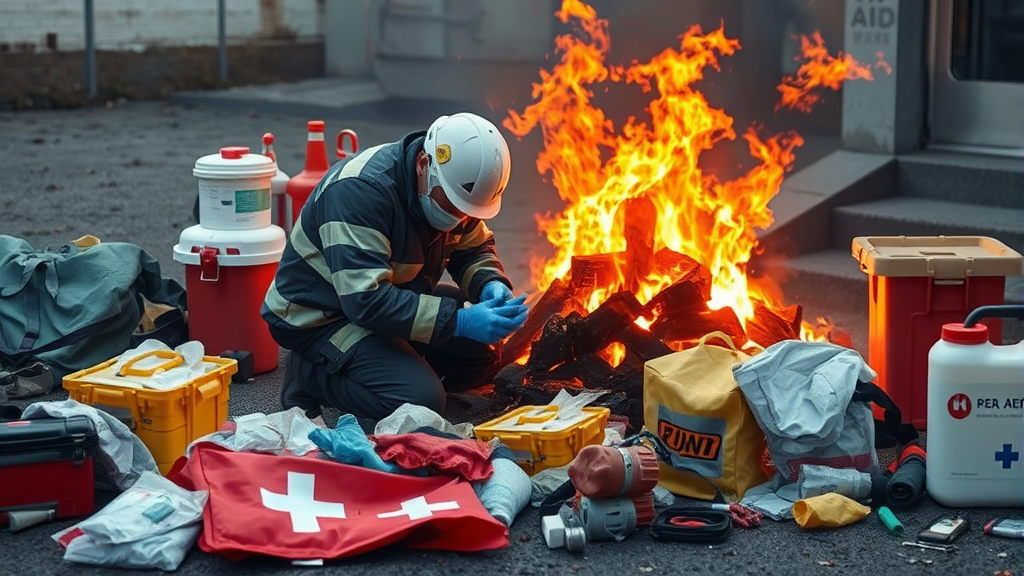
Burns are one of the most serious injuries that can occur in home environments, whether from kitchen accidents, electrical mishaps, chemical spills, or heat-related incidents during DIY projects. Understanding how to properly assess and treat serious burns can mean the difference between a quick recovery and permanent damage or even life-threatening complications. The severity of a burn depends on multiple factors including the temperature of the heat source, duration of contact, and the depth of tissue damage.
Proper first aid for burns requires immediate action, but it’s crucial to know when a burn is beyond basic first aid treatment and requires professional medical intervention. This comprehensive guide will walk you through the essential steps for handling serious burns safely, from initial assessment to emergency care procedures. Whether you’re working on DIY home security installations involving electrical components or conducting DIY science experiments with heat sources, being prepared for burn emergencies is essential.
Understanding Burn Classification and Severity
Burns are medically classified into three primary categories based on the depth of tissue damage and the layers of skin affected. Understanding these classifications is crucial for determining the appropriate response and treatment approach.
First-degree burns affect only the outer layer of skin (epidermis) and typically present with redness, mild swelling, and pain. These burns usually heal within 3-6 days without scarring and can often be treated with basic first aid measures. Common examples include mild sunburns or brief contact with hot surfaces.
Second-degree burns extend through the epidermis and into the dermis (second layer of skin). These burns are characterized by severe pain, redness, swelling, and the formation of blisters. Second-degree burns are further subdivided into superficial partial-thickness burns (affecting the upper dermis) and deep partial-thickness burns (extending deeper into the dermis). Healing time ranges from 1-3 weeks for superficial burns to several weeks for deeper burns, with potential for scarring.
Third-degree burns are the most severe, destroying all layers of skin and potentially extending into underlying tissues, muscles, or bones. These burns may appear white, charred, or leathery and surprisingly may be painless due to nerve damage. Third-degree burns always require immediate emergency medical treatment and often need surgical intervention including skin grafts.
The Centers for Disease Control and Prevention emphasizes that burn severity also depends on factors beyond depth, including the size of the affected area, location on the body, age of the victim, and presence of other injuries or medical conditions.
Immediate Assessment and Scene Safety
Before attempting any first aid treatment, ensuring scene safety is paramount. This means removing the victim from the source of the burn if it’s safe to do so, or eliminating the hazard if possible. For electrical burns, ensure the power source is disconnected before approaching the victim. For chemical burns, ventilate the area and avoid direct contact with the substance.
Quickly assess the burn using the “Rule of Nines” to estimate the percentage of body surface area affected. This method divides the adult body into sections worth 9% each: head and neck (9%), each arm (9%), chest (18%), back (18%), each leg (18%), and genital area (1%). Burns covering more than 10% of the body surface area in adults, or 5% in children, are considered major burns requiring immediate emergency care.
Evaluate the location of the burn, as certain areas are more critical than others. Burns to the face, hands, feet, genitals, or major joints are considered serious regardless of size due to potential functional impairment. Circumferential burns (burns that wrap around an extremity or the torso) are particularly dangerous as they can restrict blood circulation or breathing.
Check for signs of inhalation injury, especially if the burn occurred in an enclosed space or involved synthetic materials. Symptoms include singed facial hair, soot around the mouth or nose, hoarse voice, difficulty swallowing, or respiratory distress. Inhalation injuries can be life-threatening and require immediate emergency medical attention.
Essential First Aid Steps for Serious Burns
The immediate first aid response for serious burns follows a systematic approach designed to minimize further tissue damage and prepare for professional medical treatment. Remember that these steps are for immediate care while awaiting emergency medical services.
Step 1: Stop the burning process immediately. For thermal burns, remove the person from the heat source and extinguish any flames by smothering with a blanket or rolling on the ground. For chemical burns, flush the area with large amounts of clean water for at least 20 minutes while removing contaminated clothing. For electrical burns, ensure the power source is safely disconnected.
Step 2: Remove restrictive items. Carefully remove jewelry, belts, shoes, or tight clothing from the burned area before swelling begins. Cut around clothing that’s stuck to the burn rather than trying to pull it off, as this can cause further tissue damage.
Step 3: Cool the burn appropriately. For thermal burns, apply cool (not cold) running water for 10-20 minutes to help stop the burning process and reduce pain. Avoid ice or ice water, which can cause further tissue damage and reduce blood flow to the injured area. For chemical burns, continue flushing with water as specified above.
Step 4: Assess breathing and circulation. Check the victim’s airway, breathing, and pulse. Be prepared to perform CPR if necessary. Position the person to maintain an open airway and monitor vital signs continuously until emergency help arrives.
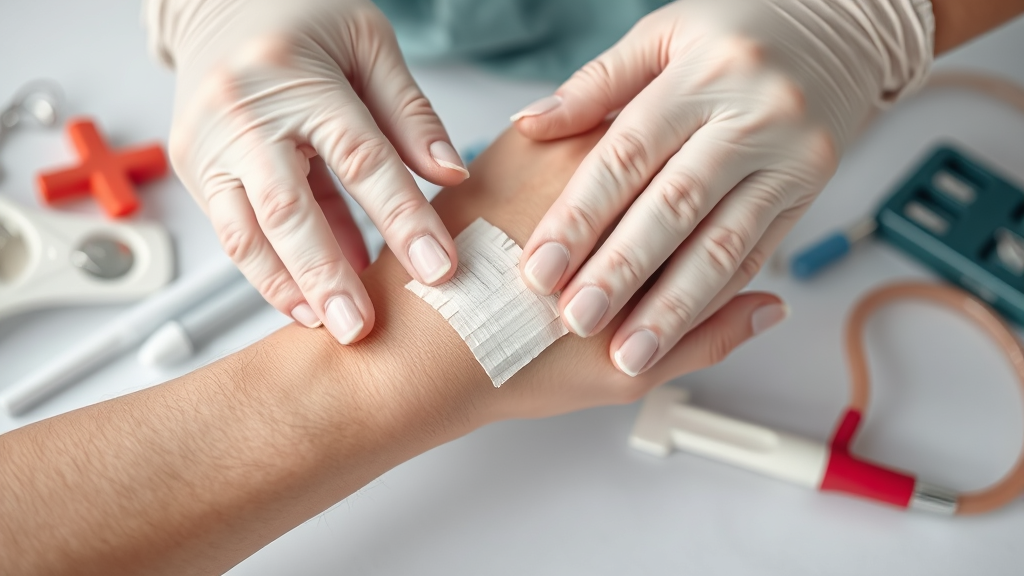
Step 5: Cover the burn loosely. Use a sterile, non-adherent dressing or clean cloth to cover the burn. This helps prevent infection and reduces pain. Avoid cotton balls or fluffy materials that can stick to the burn. For large burns, use clean sheets or towels.
Step 6: Manage pain and shock. Elevate burned extremities above heart level if possible to reduce swelling. Keep the person warm with blankets around unburned areas to prevent shock, but avoid covering the burn area with heavy materials. Monitor for signs of shock including rapid pulse, rapid breathing, nausea, or confusion.
Never apply butter, oil, ice, or home remedies to serious burns, as these can worsen the injury and complicate medical treatment. Similarly, avoid breaking blisters, which can lead to infection and delayed healing.

When to Seek Emergency Medical Help
Certain burns always require immediate emergency medical attention, regardless of size or apparent severity. Call 911 or emergency services immediately for any of the following situations:
Burns covering more than 10% of an adult’s body surface area or 5% for children and elderly individuals require emergency treatment due to the risk of shock and fluid loss. The Mayo Clinic recommends using the palm of the hand (including fingers) as approximately 1% of body surface area for quick estimation.
All third-degree burns need immediate emergency care, as do second-degree burns larger than 2-3 inches in diameter. Burns to critical areas including the face, hands, feet, genitals, or major joints should receive professional medical evaluation even if they appear minor initially.
Electrical burns often cause internal damage that’s not visible on the surface and can affect heart rhythm and other vital functions. Chemical burns may continue causing damage long after exposure and require specialized treatment to neutralize the substance and assess internal damage.
Signs of inhalation injury such as difficulty breathing, coughing up black sputum, singed nasal hairs, or burns around the mouth and nose indicate potential airway damage requiring immediate intervention. Burns in young children, elderly individuals, or people with compromised immune systems or chronic medical conditions like diabetes should be evaluated by medical professionals.
Even seemingly minor burns should receive medical attention if they show signs of infection including increased pain after 48 hours, red streaks extending from the burn, fever, increased swelling, or pus discharge. When in doubt, it’s always better to err on the side of caution and seek professional medical evaluation.
Common Mistakes to Avoid
Understanding what not to do when treating serious burns is just as important as knowing proper first aid techniques. These common mistakes can worsen the injury, delay healing, or create complications:
Applying ice or ice water to burns is a dangerous practice that can cause frostbite-like damage to already injured tissue and reduce blood flow needed for healing. Similarly, using very hot water can worsen the burn. Cool water is the appropriate temperature for burn treatment.
Using home remedies like butter, oil, toothpaste, or egg whites can trap heat in the tissue, increasing damage and providing a breeding ground for bacteria. These substances can also interfere with medical assessment and treatment when the patient reaches the hospital.
Breaking blisters intentionally removes the natural protective barrier and significantly increases infection risk. Intact blisters should be left alone and covered with loose, sterile dressing.
Removing clothing or debris stuck to the burn can cause additional tissue damage and bleeding. Cut around stuck materials rather than pulling them away from the burn surface.
Delaying emergency care for serious burns can have lasting consequences. The first few hours after a burn injury are critical for preventing complications and optimizing healing outcomes.
Many people underestimate burn severity, particularly with electrical or chemical burns where internal damage may not be immediately apparent. When working on projects involving electrical components like battery charging systems or conducting DIY car repairs involving hot engines, it’s important to take any burn seriously and seek appropriate care.
Prevention Strategies for Home and Workshop
The most effective burn treatment is prevention. Implementing comprehensive safety measures in your home and workshop significantly reduces the risk of serious burn injuries during everyday activities and DIY projects.
Kitchen Safety: Install smoke detectors and ensure proper ventilation around cooking areas. Keep pot handles turned inward, maintain clear pathways around cooking surfaces, and never leave cooking unattended. Store flammable liquids away from heat sources and ensure all family members know how to safely extinguish grease fires.
Workshop and Electrical Safety: When working with electrical components, always disconnect power sources before beginning work. Use appropriate personal protective equipment including insulated gloves and safety glasses. Install Ground Fault Circuit Interrupters (GFCIs) in areas where water and electricity may come into contact. Maintain proper ventilation when working with chemicals or solvents.
Water Temperature Control: Set water heater temperatures to 120°F (49°C) or lower to prevent scalding. Install anti-scald devices on faucets and showerheads, especially in homes with young children or elderly residents. Test water temperature before use, particularly for bathing children.
Chemical Storage and Handling: Store all chemicals in original containers with clear labeling. Keep incompatible chemicals separated and ensure adequate ventilation during use. When working on projects like DIY water filtration systems that may involve chemicals, always wear appropriate protective equipment and follow manufacturer guidelines.
Emergency Preparedness: Maintain well-stocked first aid kits in multiple locations including kitchen, workshop, and vehicles. Ensure all family members know the location of fire extinguishers and how to use them properly. Practice fire escape plans and establish meeting points outside the home.
According to the National Fire Protection Association, cooking is the leading cause of home fires and fire injuries, making kitchen safety education particularly important for all household members.
Frequently Asked Questions
How can I tell if a burn is serious enough to need emergency medical care?
A burn requires emergency medical attention if it covers more than 10% of an adult’s body (5% for children), is located on the face, hands, feet, or genitals, appears white or charred, or if the person shows signs of shock or breathing difficulties. Third-degree burns and electrical burns always need emergency care, regardless of size.
Should I put ice on a serious burn to reduce pain?
Never put ice or ice water on burns. This can cause additional tissue damage similar to frostbite and reduce blood flow needed for healing. Instead, use cool (not cold) running water for 10-20 minutes to help stop the burning process and provide pain relief.
Is it safe to break blisters that form after a burn?
No, you should never intentionally break blisters from burns. Intact blisters provide natural protection against infection and help the healing process. Breaking them increases infection risk and can delay healing. If a blister breaks naturally, keep the area clean and covered with sterile dressing.
What household items should never be used to treat burns?
Avoid using butter, oil, ice, toothpaste, egg whites, or any other home remedies on burns. These can trap heat in the tissue, worsen the injury, increase infection risk, and interfere with proper medical treatment. Stick to cool water, loose sterile coverings, and proper pain management until professional help arrives.
How do I know if a burn is infected and needs medical attention?
Signs of burn infection include increasing pain after the first 48 hours, red streaks extending from the burn area, fever, increased swelling, warmth around the burn, pus or unusual discharge, and foul odor. Any of these symptoms warrant immediate medical evaluation.
Can electrical burns be more serious than they appear?
Yes, electrical burns often cause internal damage that isn’t visible on the skin surface. Electricity can damage internal organs, disrupt heart rhythm, and cause muscle and nerve damage along its path through the body. All electrical burns should be evaluated by emergency medical professionals, regardless of how minor they appear externally.
What’s the difference between first, second, and third-degree burns?
First-degree burns affect only the outer skin layer, causing redness and pain but healing quickly without scarring. Second-degree burns extend deeper, causing blisters, severe pain, and potential scarring. Third-degree burns destroy all skin layers and may appear white, charred, or leathery, often requiring surgery and causing permanent damage. The deeper the burn, the more serious the medical emergency.