If you’ve ever opened your Bosch dishwasher to find spots, streaks, or cloudy residue on your supposedly clean dishes, you’re not alone. Even the most advanced dishwashers can struggle with water spots and film buildup without proper rinse aid usage. Bosch rinse aid is specifically formulated to work with your dishwasher’s rinse cycle, creating a protective barrier that helps water sheet off dishes rather than forming droplets that leave spots.
Understanding how to properly use Bosch rinse aid can transform your dishwashing experience from frustrating to flawless. This comprehensive guide will walk you through everything you need to know about using Bosch rinse aid effectively, from understanding what it does to troubleshooting common issues. Whether you’re dealing with hard water challenges or simply want to achieve that restaurant-quality shine on your glassware, mastering rinse aid usage is essential for optimal dishwasher performance.
What is Bosch Rinse Aid and How Does it Work
Bosch rinse aid is a specialized liquid additive designed to improve the final rinse cycle of your dishwasher. Unlike detergent, which cleans your dishes, rinse aid works by reducing the surface tension of water. This scientific principle allows water to flow off dishes in sheets rather than forming individual droplets that dry into unsightly spots.
The primary active ingredient in Bosch rinse aid is a surfactant, typically a non-ionic compound that breaks down the cohesive forces between water molecules. When water has lower surface tension, it spreads more evenly across surfaces and drains away completely during the final rinse. This process is particularly crucial for glassware, stainless steel, and plastic items that are prone to water spotting.
Water hardness plays a significant role in how effective your rinse aid will be. Hard water contains high concentrations of minerals like calcium and magnesium, which can interfere with both detergent performance and rinse aid effectiveness. If you live in an area with hard water, you may need to adjust your rinse aid settings accordingly or consider additional DIY Grout Cleaning methods for maintaining your kitchen’s cleanliness.
Modern Bosch dishwashers are engineered to work optimally with their branded rinse aid, though compatible alternatives exist. The formula is designed to complement the wash cycles, water temperature, and drying systems specific to Bosch appliances. Understanding this synergy is key to achieving professional-level results at home.
How to Add Rinse Aid to Your Bosch Dishwasher
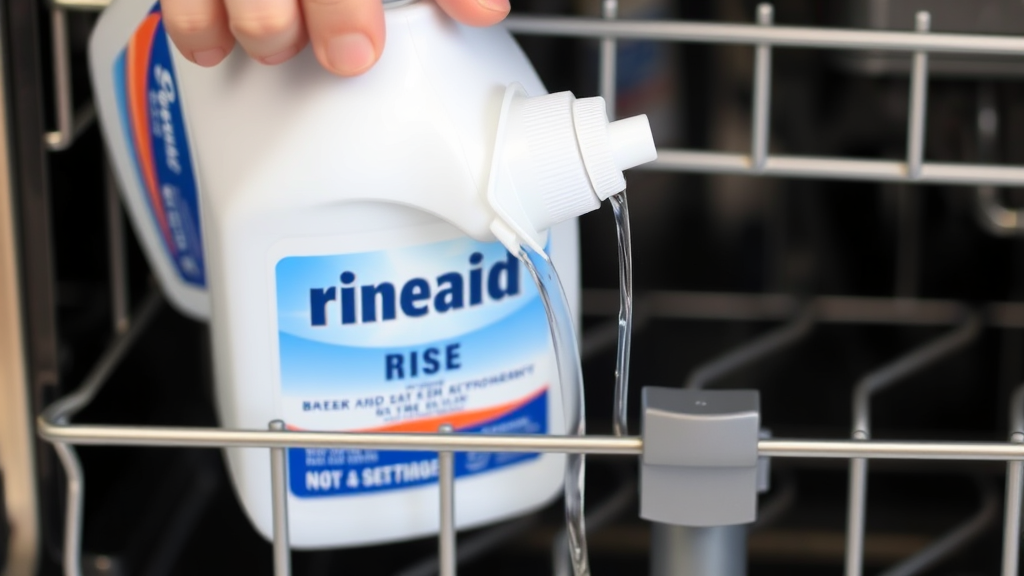
Adding rinse aid to your Bosch dishwasher is a straightforward process, but proper technique ensures optimal performance and prevents waste. The rinse aid dispenser is typically located on the inside of your dishwasher door, next to the detergent compartments. Look for a circular cap marked with a droplet symbol or the words “Rinse Aid.”
To add rinse aid, first ensure your dishwasher is cool and dry. Twist the cap counterclockwise to remove it, being careful not to let it fall into the dishwasher tub. The reservoir opening is relatively small, so pour slowly to avoid overflow. Fill the compartment until the liquid reaches the “max” line, which is usually visible through a small window or marked on the reservoir.
It’s important not to overfill the compartment, as excess rinse aid can cause excessive sudsing during wash cycles. If you accidentally spill rinse aid on the door or tub, wipe it clean immediately with a damp cloth to prevent streaking on your next load of dishes. Replace the cap by twisting clockwise until it’s finger-tight.
Most Bosch dishwashers feature an indicator light or display message that alerts you when the rinse aid reservoir is low. However, it’s good practice to check the level monthly, especially if you run your dishwasher frequently. A full reservoir typically lasts for 80-150 wash cycles, depending on your usage patterns and settings.
Setting the Optimal Rinse Aid Dosage
Bosch dishwashers offer adjustable rinse aid settings, typically ranging from 1 (lowest) to 6 (highest). The optimal setting depends on your water hardness, local water quality, and personal preferences for drying performance. Start with the manufacturer’s recommended setting, usually around 3 or 4, and adjust based on results.
Signs that your rinse aid setting is too low include persistent water spots on glassware, slow drying times, and water droplets remaining on dishes after the cycle completes. Conversely, if the setting is too high, you might notice rainbow-colored streaks on dishes, excessive foam during washing, or an overly slippery feel to supposedly clean dishes.
To adjust the rinse aid setting on most Bosch models, access the control panel while the door is open. Look for a dial or digital setting near the rinse aid compartment, or navigate through the dishwasher’s menu system if it has digital controls. The proper loading technique also affects rinse aid performance, so ensure dishes are positioned correctly for optimal water flow.
Water hardness testing can help you determine the ideal rinse aid setting for your specific situation. Many water utility companies provide hardness information, or you can purchase test strips to measure it yourself. Generally, harder water requires higher rinse aid settings to overcome mineral interference, while soft water works well with lower settings.
Troubleshooting Common Rinse Aid Issues
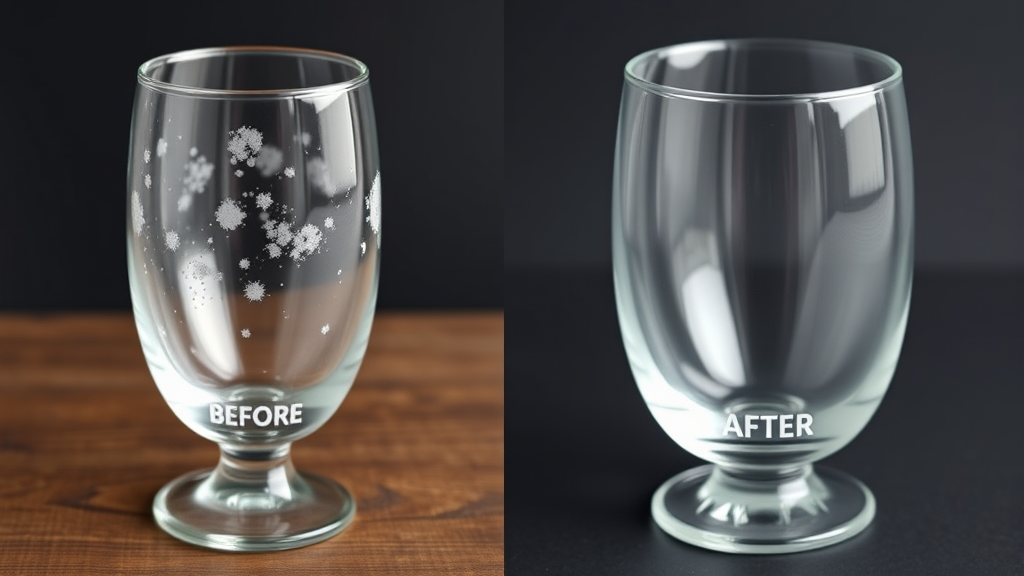
Even with proper rinse aid usage, you might encounter occasional issues that require troubleshooting. Cloudy glassware is one of the most common complaints, often resulting from either inadequate rinse aid or incorrect settings. This cloudiness can be temporary (from mineral deposits) or permanent (from glass etching due to overly aggressive washing conditions).
Streaking and spotting issues typically indicate either insufficient rinse aid, incorrect dosage settings, or contaminated rinse aid. Check that your rinse aid hasn’t expired and that the dispenser is clean and functioning properly. Sometimes, switching to a different brand or formulation can resolve persistent streaking issues, especially in areas with unusual water chemistry.
If dishes feel slippery or have a film after washing, you’re likely using too much rinse aid. Reduce the setting by one level and run a few cycles to see if the problem resolves. This slippery feeling occurs when excess surfactants remain on dish surfaces, creating an unpleasant tactile experience and potentially affecting food safety.
Excessive foaming during wash cycles can also indicate rinse aid problems. This might result from overfilling the dispenser, using the wrong product, or having rinse aid contamination in other parts of the dishwasher. Clean the interior thoroughly and ensure you’re using genuine Bosch rinse aid or a compatible alternative designed for your dishwasher type.
Maintenance and Refilling Schedule
Establishing a regular maintenance schedule for your rinse aid system ensures consistent performance and extends your dishwasher’s lifespan. Check the rinse aid level monthly, even if your dishwasher has an indicator light, as these sensors can occasionally malfunction or provide delayed warnings.
When refilling, take the opportunity to inspect the dispenser cap and surrounding area for any buildup or damage. Clean the cap threads and sealing surface with a damp cloth to maintain a proper seal. If you notice any cracks in the dispenser or persistent leaking, contact a Bosch service technician for evaluation.
The quality of your rinse aid can deteriorate over time, especially if stored in extreme temperatures or exposed to contamination. Replace any rinse aid that appears cloudy, has separated, or smells unusual. Store unused rinse aid in a cool, dry place away from direct sunlight and ensure the container is tightly sealed.
Document your rinse aid usage patterns to identify any changes in consumption that might indicate dispenser problems or changes in water quality. This information can be valuable for troubleshooting and helps you anticipate when to purchase replacement rinse aid. Just like maintaining other household cleaning systems such as DIY Carpet Cleaning routines, consistency is key to optimal results.
Alternative Solutions and DIY Options
While Bosch rinse aid is specifically formulated for optimal performance, several alternative solutions can provide similar results. Generic dishwasher rinse aids from reputable manufacturers often work well at a fraction of the cost. Look for products that specifically mention compatibility with Bosch dishwashers or contain similar active ingredients.
Some homeowners experiment with DIY rinse aid alternatives, though these should be used with caution. White vinegar is the most common homemade substitute, as its acidity can help reduce water spots and mineral buildup. However, vinegar’s acidity can potentially damage rubber seals and metal components over time, so it’s not recommended for long-term use.
Commercial citric acid solutions offer another alternative that’s gentler than vinegar but still effective at combating hard water issues. These products are particularly useful for households dealing with severe mineral buildup that affects both dishwasher performance and overall kitchen cleanliness, similar to challenges addressed in DIY Car Detailing projects.
If you choose to use alternative rinse aids, start with conservative settings and monitor results carefully. Some alternatives may require different dosage adjustments compared to genuine Bosch products. Keep detailed notes about performance to help you find the optimal combination for your specific water conditions and usage patterns.
Water softening systems can reduce the need for rinse aid by addressing hard water issues at the source. If you’re considering this investment, consult with water treatment professionals to understand how it might affect your dishwasher’s performance and rinse aid requirements. The Environmental Protection Agency provides valuable information about water efficiency and dishwasher operation that can inform your decision.
Frequently Asked Questions
How often should I refill the rinse aid dispenser in my Bosch dishwasher?
Most households need to refill their rinse aid dispenser every 1-3 months, depending on usage frequency and dispenser settings. A full dispenser typically lasts 80-150 wash cycles. Your Bosch dishwasher will usually display an indicator light when the rinse aid is running low, but it’s good practice to check the level monthly during routine maintenance.
Can I use regular dish soap instead of rinse aid?
No, regular dish soap should never be used as a rinse aid substitute. Dish soap creates excessive suds that can damage your dishwasher’s pump and leave residue on dishes. Rinse aid is specifically formulated with surfactants that reduce water surface tension without creating foam. Using dish soap can void your warranty and require expensive repairs.
Why are my dishes still spotty even with rinse aid?
Persistent spotting despite using rinse aid usually indicates incorrect dosage settings, very hard water, or expired/contaminated rinse aid. Try increasing the rinse aid setting by one level and ensure your water temperature reaches 120°F. If problems persist, test your water hardness and consider using a water softening system or adjusting your dishwasher’s water hardness setting.
Is it safe to mix different brands of rinse aid?
While mixing rinse aid brands won’t typically cause safety issues, it’s not recommended as different formulations may not work well together and could affect performance. If switching brands, use up the existing rinse aid first, then clean the dispenser before adding the new product. This ensures optimal performance and prevents potential compatibility issues.
What should I do if I accidentally overfilled the rinse aid dispenser?
If you overfill the rinse aid dispenser, immediately wipe away any excess from the door and surrounding areas with a clean, damp cloth. Run an empty wash cycle to clear any excess rinse aid from the system. Overfilling can cause excessive sudsing and streaking, but it won’t permanently damage your dishwasher if addressed promptly.
How do I know if my rinse aid dispenser is working properly?
A properly functioning rinse aid dispenser will gradually empty over multiple wash cycles, and your dishes should dry spot-free with good water sheeting action. Signs of malfunction include no change in rinse aid level after many cycles, persistent spotting despite proper settings, or visible leaking around the dispenser cap. Contact Bosch service if you suspect dispenser problems.
Can hard water affect rinse aid effectiveness?
Yes, hard water significantly impacts rinse aid performance. High mineral content interferes with surfactant action and can cause buildup in the dispenser. If you have hard water, you may need to use higher rinse aid settings, clean the dispenser more frequently, or consider installing a water softening system. The US Geological Survey provides detailed information about water hardness and its effects on household appliances.