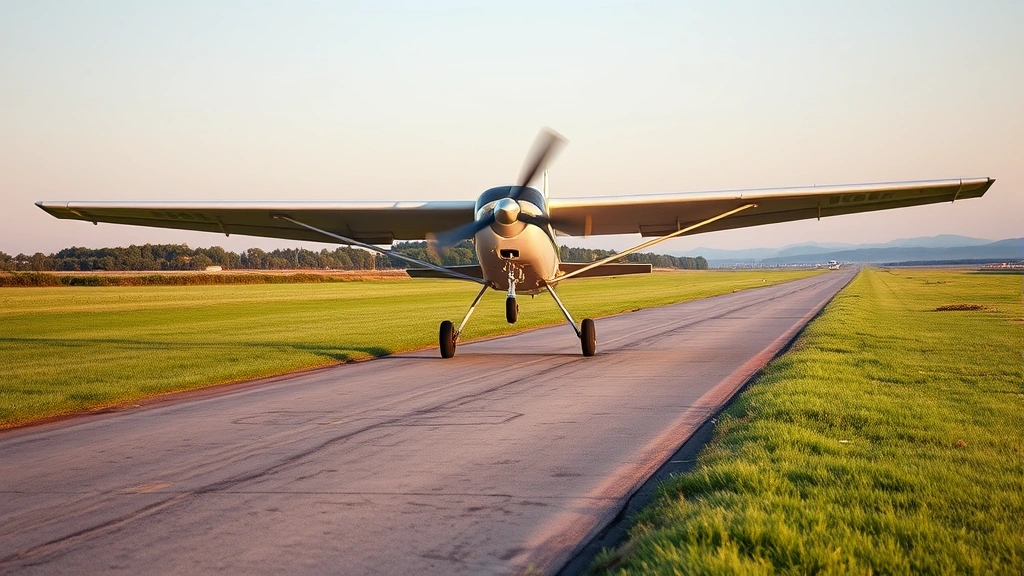
DIY Airplane Build: Speed Needed for Takeoff?
Building your own aircraft is one of the most ambitious DIY projects you can undertake, combining engineering precision, aerodynamic knowledge, and meticulous craftsmanship. Whether you’re interested in DIY mechanical projects or exploring advanced construction techniques, understanding aircraft takeoff speeds is fundamental to homebuilt aircraft success. The speed required for takeoff—known as V1 or rotation speed—varies significantly based on aircraft weight, wing design, engine power, runway conditions, and altitude, making this a critical calculation for any amateur aircraft builder.
The question of how fast a plane needs to go to take off isn’t simple arithmetic; it’s a complex interplay of physics, aerodynamics, and engineering principles that determine whether your aircraft will safely leave the ground. Most general aviation aircraft require takeoff speeds between 40 and 80 knots (46 to 92 miles per hour), though this range shifts dramatically depending on the specific design parameters and environmental factors you’re working with. Understanding these speeds before construction begins helps you design appropriate control surfaces, select suitable engines, and plan realistic runway requirements.
Understanding Takeoff Speed Fundamentals
Takeoff speed represents the minimum velocity at which an aircraft generates sufficient lift to overcome its weight and become airborne. This critical speed, often designated as VR (rotation speed) or VLOF (liftoff speed), depends on the aerodynamic relationship between airspeed, wing surface area, and air density. The fundamental principle driving takeoff is that lift must equal or exceed the aircraft’s total weight: Lift = 0.5 × Air Density × Velocity² × Wing Area × Coefficient of Lift.
This equation reveals why speed matters so dramatically—velocity is squared in the calculation, meaning doubling your airspeed quadruples the lift generated. For DIY aircraft builders, this means even small reductions in takeoff speed through improved wing design or weight reduction translate to significantly shorter runway requirements and safer operational margins. The relationship between these variables determines whether your homebuilt aircraft will perform adequately on typical grass strips or require longer prepared runways.
Most certified general aviation aircraft operate with takeoff speeds between 50 and 70 knots, though ultralights and specialized designs can achieve flight at speeds as low as 20-30 knots. Understanding where your design falls within this spectrum requires careful analysis of your specific aircraft configuration, including empty weight, maximum gross weight, wing loading, and propeller efficiency.
Factors Affecting Your Aircraft’s Takeoff Speed
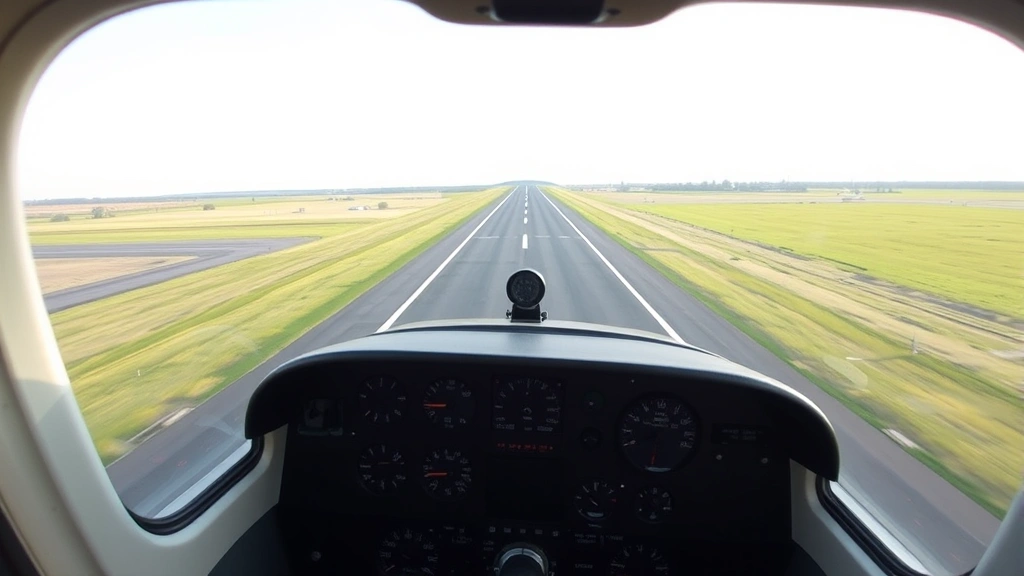
Several interconnected variables influence how fast your DIY aircraft must travel before rotation. Weight represents the most significant factor—a heavier aircraft requires greater lift, which typically necessitates higher airspeed or larger wing area. This is why many successful homebuilders focus on minimizing aircraft weight through material selection, design optimization, and careful component choices, much like how precision matters in detailed woodworking projects.
- Aircraft Gross Weight: Total weight including structure, engine, fuel, and useful load. Heavier aircraft require higher takeoff speeds unless wing area increases proportionally.
- Wing Loading: Expressed as pounds per square foot, this metric (gross weight divided by total wing area) directly correlates with takeoff speed requirements. Lower wing loading enables slower, safer takeoffs.
- Air Density: Altitude and temperature affect air density; higher elevations or hotter temperatures reduce air density, requiring higher airspeeds to generate equivalent lift.
- Runway Surface: Grass, gravel, turf, and prepared surfaces present different friction characteristics that influence acceleration and ground effect dynamics during the takeoff roll.
- Headwind Component: Winds aligned with the runway direction reduce the required ground speed for achieving liftoff airspeed, effectively shortening takeoff distance.
- Flap Configuration: Deploying flaps increases coefficient of lift, reducing required airspeed but potentially increasing drag and takeoff distance.
Environmental conditions on the day of flight also matter tremendously. A hot, humid day at high elevation presents dramatically different takeoff characteristics than a cool, sea-level morning. Successful DIY aircraft builders account for these variations by calculating performance across worst-case scenarios and maintaining conservative safety margins.
Calculating Takeoff Requirements for Homebuilt Aircraft
Professional aircraft design uses sophisticated computational fluid dynamics and wind tunnel testing, but DIY builders can employ simplified calculation methods that provide reasonable estimates. The most accessible formula for estimating takeoff distance involves several key parameters that you’ll determine during your design phase.
Start by establishing your aircraft’s wing loading, calculated as: Wing Loading = Gross Weight (lbs) ÷ Wing Area (sq ft). Most efficient general aviation designs target wing loadings between 8-15 pounds per square foot. A 1,000-pound aircraft with 75 square feet of wing area yields 13.3 pounds per square foot—a reasonable target for a modest single-seat homebuilt.
Once you know wing loading, you can estimate takeoff speed using the relationship: VTO = √(2 × Weight ÷ (0.5 × Air Density × Wing Area × CL)). For practical calculations, assume standard sea-level air density of 0.002377 slugs per cubic foot and a maximum coefficient of lift during takeoff of approximately 1.2-1.4 (depending on wing design and flap configuration).
Many successful homebuilt designs—including popular kits and plans—document their actual takeoff performance data. Consulting established DIY aircraft resources and builder communities provides real-world validation of theoretical calculations. These references help you understand whether your design estimates align with actual flight test results from comparable aircraft.
Wing Design and Lift Generation
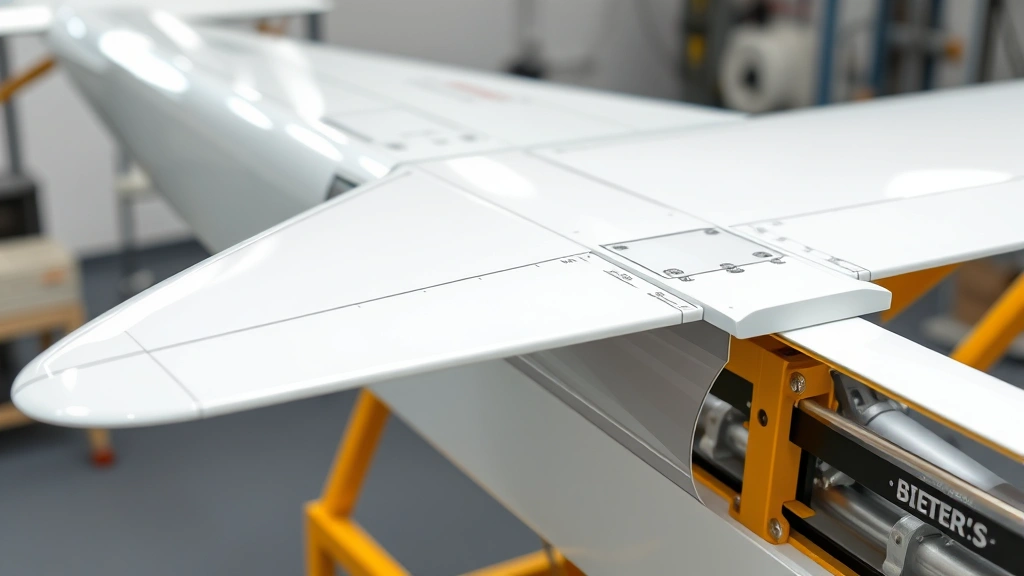
Your wing’s aerodynamic characteristics fundamentally determine takeoff speed requirements. The airfoil profile—the wing’s cross-sectional shape—dramatically influences how efficiently it generates lift at various speeds. Low-speed airfoils, such as those found on ultralight and slow-flying aircraft, generate high lift coefficients even at modest airspeeds, enabling slower takeoffs.
Wing aspect ratio (wingspan squared divided by wing area) significantly affects aerodynamic efficiency. Higher aspect ratios produce more efficient wings that generate lift with less induced drag, but they’re structurally more challenging to build and may be impractical for small DIY aircraft. Most homebuilt designs compromise with moderate aspect ratios around 6-8, balancing structural simplicity with reasonable aerodynamic performance.
Wing area directly influences takeoff speed through the lift equation. Increasing wing area reduces required takeoff speed, but larger wings add weight, cost, and structural complexity. This fundamental trade-off requires careful analysis during the design phase. A wing area increase of 10 square feet might reduce takeoff speed by 5-7 knots but could add significant construction time and material costs.
Flap systems enhance takeoff performance by increasing coefficient of lift without proportionally increasing drag. Many homebuilders incorporate simple flap mechanisms—even basic designs provide measurable benefits. However, flap complexity adds weight and construction difficulty, so some ultralight designs omit them entirely to minimize complexity and weight.
Engine Power and Thrust Considerations
Engine power, expressed in horsepower or thrust in pounds, determines how quickly your aircraft accelerates during the takeoff roll. More powerful engines enable faster acceleration, reducing takeoff distance and providing better performance in marginal conditions. However, engine selection involves trade-offs between power, weight, reliability, and cost—considerations familiar to anyone tackling mechanical DIY projects.
Propeller efficiency profoundly affects takeoff performance. A well-designed propeller converts engine power into thrust efficiently, while a poorly matched propeller wastes energy and reduces acceleration. Most homebuilders use variable-pitch or fixed-pitch propellers optimized for cruise performance, which may not be ideal for takeoff. Understanding this compromise helps explain why some aircraft take longer to get airborne than theoretical calculations suggest.
The thrust-to-weight ratio represents a critical performance metric. Aircraft with higher thrust-to-weight ratios accelerate faster and achieve takeoff with shorter ground runs. A ratio of 0.1 (100 pounds of thrust per 1,000 pounds of weight) represents a reasonable target for modest-performing homebuilt aircraft, while ratios above 0.15 provide excellent performance.
Engine selection should account for your intended operating environment. If you plan to operate from short grass strips at high elevation, you need more power than someone using prepared runways at sea level. Conservative sizing ensures reliable performance across a range of conditions and provides safety margins for unexpected challenges.
Runway Length and Surface Conditions
Takeoff distance depends not only on aircraft performance but also on available runway length and surface characteristics. Most general aviation aircraft require between 1,000 and 2,500 feet for safe takeoff under normal conditions. Homebuilt aircraft, particularly lightweight designs, can often operate from much shorter surfaces—some ultralight aircraft need only 200-300 feet.
Grass and turf surfaces present higher friction than prepared asphalt or concrete, requiring longer takeoff distances. Rough, muddy, or snow-covered surfaces increase friction dramatically, potentially doubling or tripling required takeoff distance. Successful DIY aircraft builders thoroughly evaluate their intended operating locations and design accordingly, ensuring adequate margins for worst-case surface conditions.
Runway slope influences takeoff performance significantly. Upslope runways increase required takeoff distance, while downslope runways reduce it. A 2-3 percent slope can change takeoff distance by 15-20 percent. Understanding your specific operating environment during design allows you to make informed choices about engine power, wing area, and weight targets.
Obstacle clearance represents a critical safety consideration. Most aircraft must clear a 35-foot obstacle at the runway’s end, which extends effective takeoff distance requirements beyond the point where the aircraft actually leaves the ground. Your design and operational planning must account for this regulatory requirement and provide adequate safety margins.
Safety Margins and Regulatory Requirements
The Federal Aviation Administration and FAA advisory circulars establish performance standards for aircraft operations. Homebuilt aircraft must demonstrate safe performance characteristics before receiving experimental airworthiness certificates. This process requires flight testing that validates theoretical calculations and confirms actual takeoff performance.
Professional aircraft design incorporates substantial safety margins—typically 15-20 percent above minimum calculated performance. These margins account for manufacturing variations, component aging, and unforeseen conditions. DIY builders should adopt similar conservative approaches, designing for performance 20-30 percent better than minimum acceptable levels. This extra margin provides confidence and safety during the critical early flight test phase.
Regulatory oversight of homebuilt aircraft varies by jurisdiction, but most countries require compliance with established standards and demonstrate airworthiness before flight operations begin. Understanding your local regulatory environment early in the design process prevents costly redesigns and ensures your finished aircraft meets all applicable requirements.
Documentation of design decisions, calculations, and testing results supports the certification process. Maintaining detailed records throughout construction demonstrates diligence and helps justify design choices to regulatory authorities. This documentation also proves invaluable if you need to troubleshoot performance issues or make modifications after initial flight testing.
Testing and Validation Before First Flight
Ground testing validates theoretical performance predictions before risking flight operations. Measuring actual engine power output, propeller thrust, and aircraft weight ensures your aircraft meets design specifications. Many builders conduct static thrust tests, weighing the aircraft accurately and measuring engine power to confirm calculations align with reality.
Taxi testing on the runway allows you to evaluate acceleration, handling characteristics, and system performance at low speeds before attempting flight. These tests reveal whether the aircraft accelerates as predicted and whether control surfaces respond appropriately. Taxi testing often identifies necessary adjustments before first flight, preventing dangerous surprises during the critical takeoff phase.
First flight operations typically involve a chase pilot or experienced test pilot who can provide objective feedback about aircraft behavior and performance. Establishing conservative test parameters—limited altitude, proximity to the runway, and pre-planned abort procedures—ensures safety during this critical phase. Many test pilots recommend multiple takeoff attempts without climbing to altitude, allowing incremental confidence building as you gather actual performance data.
Post-flight analysis comparing predicted versus actual performance informs any necessary modifications. If your aircraft takes off slower than predicted, you have good news and can optimize other aspects of performance. If takeoff requires higher speeds than expected, you may need to investigate weight increases, propeller efficiency losses, or aerodynamic issues that require correction.
FAQ
What’s the difference between takeoff speed and cruise speed?
Takeoff speed represents the minimum velocity needed to generate sufficient lift for flight, while cruise speed is the optimal efficiency speed for sustained flight. Most aircraft cruise at speeds 1.3 to 1.5 times their takeoff speed, balancing fuel efficiency with desired ground speed. During takeoff, you only need enough lift to overcome weight; during cruise, you maintain altitude at the most economical speed.
Can I reduce my aircraft’s takeoff speed by adding larger wings?
Yes, larger wings reduce required takeoff speed by lowering wing loading. However, larger wings add weight, structural complexity, and construction time. The benefit diminishes as wing area increases—doubling wing area reduces takeoff speed by only about 30 percent. Most designs optimize wing size to balance performance, weight, and practical construction considerations.
How does altitude affect takeoff performance?
Higher altitude reduces air density, requiring greater airspeed to generate equivalent lift. Takeoff speed increases roughly 2 percent for every 1,000 feet of elevation gain. At 5,000 feet elevation, you might need 10 percent higher airspeed than at sea level. Additionally, engines produce less power at altitude, reducing acceleration and extending takeoff distance significantly.
What wing loading should my homebuilt aircraft target?
Most efficient general aviation designs target wing loadings between 8-15 pounds per square foot. Ultralight aircraft operate at 3-6 pounds per square foot, enabling very slow flight but sacrificing speed. Heavier designs might reach 20+ pounds per square foot, requiring higher takeoff speeds but offering better cruise performance. Your choice depends on intended use and acceptable takeoff speeds.
Should I incorporate flaps in my DIY aircraft design?
Flaps improve takeoff and landing performance by increasing coefficient of lift, reducing required speeds by 5-15 percent depending on design. However, flaps add weight, complexity, and construction time. Many successful ultralight designs omit flaps entirely to minimize complexity. Simple fixed-flap designs offer a compromise, providing performance benefits without mechanical complexity.
How do I know if my calculated takeoff speed is realistic?
Compare your calculations against similar aircraft designs and published performance data. Many homebuilt designs document actual takeoff speeds—consulting these references validates your theoretical estimates. Building scale models for wind tunnel testing, if accessible, provides additional validation. Most importantly, conservative flight testing procedures allow you to discover actual performance safely before committing to full-performance operations.
What happens if my aircraft needs longer takeoff distance than available runways?
If calculated takeoff distance exceeds available runway length, you must either redesign the aircraft (reduce weight, increase wing area, or upgrade engine power) or find alternative operating locations. Many DIY builders start with conservative designs optimized for their specific operating environment, accepting modest performance in other areas to ensure reliable operations from available runways.


