Build an Ark? Historical Insights & Estimates on Construction Timeline
The question of how long did it take to build the ark has fascinated scholars, theologians, and construction enthusiasts for centuries. According to biblical accounts, Noah spent approximately 120 years constructing the ark, a timeline that seems both extraordinary and oddly precise. This monumental project represents one of history’s most documented construction efforts, offering valuable lessons about large-scale building projects, resource management, and the dedication required to complete ambitious undertakings.
Whether you’re interested in the historical accuracy of this account, the engineering challenges involved, or simply curious about how ancient peoples approached massive construction projects, understanding the ark’s building timeline provides context for appreciating both biblical narrative and ancient construction methods. Modern construction professionals can draw parallels between Noah’s project management challenges and contemporary building efforts, particularly regarding timeline estimation and resource allocation.
Biblical Timeline: The 120-Year Account
The biblical narrative provides specific timing for the ark’s construction. Genesis 6:3 states that God gave humanity 120 years before the flood would occur, and this period coincided with Noah’s building efforts. This 120-year construction period represents the longest documented building project in ancient religious texts, far exceeding typical construction timelines of the era.
Scholars interpret this extended timeline in various ways. Some suggest that the sheer size of the vessel—450 feet long, 75 feet wide, and 45 feet tall according to Genesis 6:15—necessitated such an extended construction period. Others propose that the timeline allowed for gathering materials from vast distances, training workers, and developing specialized techniques required for such an unprecedented vessel. The 120-year period also served a prophetic function, warning humanity of the coming judgment while providing Noah time to complete his work.
This timeline offers valuable insights into ancient project management. Unlike modern construction with standardized tools and pre-manufactured materials, building the ark required sourcing timber, developing waterproofing techniques, and potentially training workers in specialized crafts. The extended timeline may reflect not inefficiency but rather the complexity of ancient construction methodologies.
Construction Phases and Work Progression
The ark’s construction likely proceeded through distinct phases, similar to how modern large-scale projects are managed. The first phase would have involved site preparation and planning, where Noah selected an appropriate location, assessed resource availability, and determined the construction methodology. This planning phase, while not explicitly detailed in scripture, would have consumed considerable time given the project’s unprecedented scale.
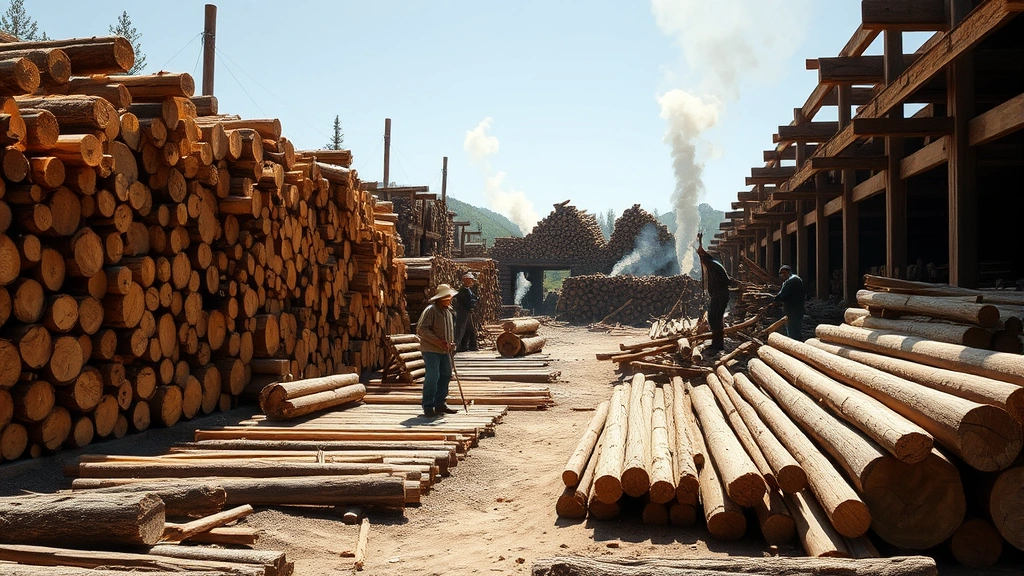
The second phase involved timber harvesting and preparation. The ark required massive quantities of gopher wood (or cypress, depending on translation), which needed to be felled, transported, seasoned, and prepared for construction. This phase alone could have consumed decades, particularly if timber came from distant sources. Ancient woodworkers understood that improperly seasoned wood would warp and compromise structural integrity, so allowing adequate time for wood preparation was essential.
The third phase encompassed the actual structural construction—building the frame, walls, and internal compartments. This phase likely consumed the majority of the 120-year timeline, as it involved thousands of individual pieces fitted together. Workers would have used primitive tools: axes, saws, chisels, and hand-operated drills. Unlike modern construction with power tools and prefabrication, every joint required individual craftsmanship.
The final phase involved finishing work and waterproofing. The ark needed to be sealed with pitch (likely bitumen or tar) to prevent water infiltration. Genesis 6:14 specifically mentions this waterproofing requirement: “Make it watertight by coating it with pitch inside and out.” Applying waterproofing to a vessel of such magnitude would require meticulous work and substantial time investment.
If you’re planning large-scale basement finishing projects, understanding phase-based construction management principles—derived from historical accounts like the ark—can help structure your timeline effectively.
Labor Force and Workforce Considerations
The biblical account doesn’t specify the size of Noah’s workforce, but historical and engineering analysis suggests the project couldn’t have been completed by Noah alone. Even with family assistance, a construction project of this magnitude would require specialized workers: carpenters, sawyers, waterproofing specialists, and general laborers.
Ancient construction practices typically employed a hierarchical workforce structure. Master craftsmen directed the work and performed specialized tasks, while general laborers handled material movement, rough cutting, and preparation. The ark project likely followed this model, with Noah or a master builder overseeing operations and coordinating specialized teams.
The 120-year timeline becomes more comprehensible when considering workforce size and composition. A small team working continuously would require extensive time; a larger workforce could accelerate progress but would demand greater resource management and coordination. This mirrors modern construction, where project managers balance labor costs against timeline compression benefits.
For DIY builders undertaking significant projects, understanding workforce dynamics is crucial. When you’re considering whether to tackle flooring installation independently versus hiring specialists, you’re applying the same principle Noah’s project managers faced: balancing timeline, cost, and quality through workforce decisions.
Materials Sourcing and Preparation
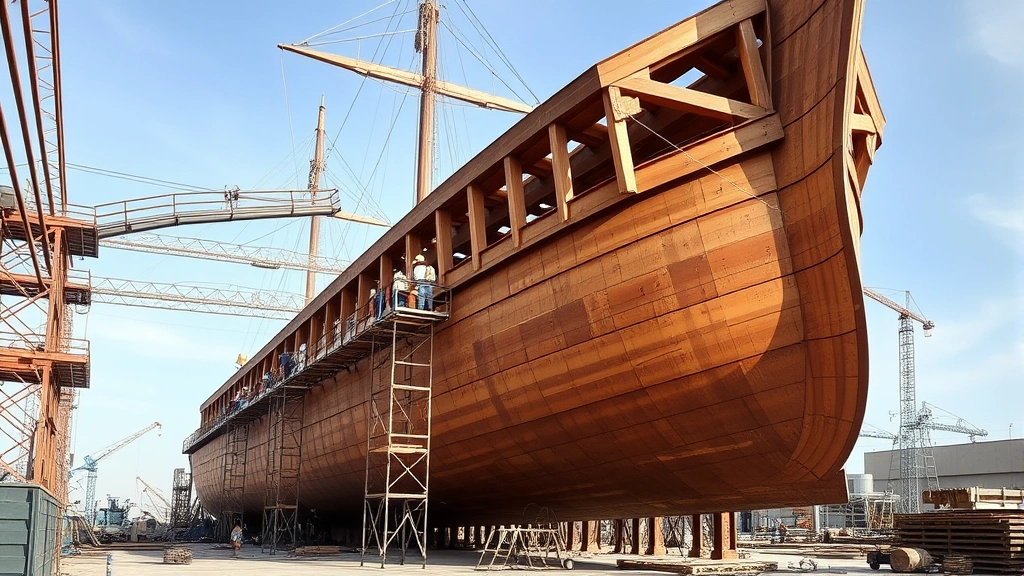
The ark’s material requirements were staggering. Using modern volume calculations, the vessel’s construction required approximately 4,300 trees of substantial size, assuming each tree yielded 50 cubic feet of usable timber. Sourcing this quantity of timber in the ancient world presented extraordinary logistical challenges.
Gopher wood identification itself remains debated among scholars. Some propose it was cypress, known for durability and water resistance. Others suggest it was acacia or another hardwood native to the Middle East. Regardless of species, the wood required specific properties: strength, water resistance, and workability. Finding sufficient quantities of suitable timber meant either accessing extensive local forests or establishing trade routes for distant timber sources.
Beyond timber, the project required pitch for waterproofing. Ancient sources of pitch included bitumen deposits, tree resins, and processed tar. The quantity needed—enough to coat the interior and exterior of a 450-foot vessel—required either substantial local resources or significant trade. This material sourcing component could easily account for several decades of the 120-year timeline.
Tool manufacturing represents another often-overlooked material requirement. Bronze and iron tools were essential for woodworking, and producing sufficient quantities of quality tools for a large workforce required specialized metalworking expertise. If tools needed to be acquired through trade, this added both time and expense to the project budget.
Modern builders face similar material sourcing challenges. Whether you’re gathering supplies for beginner woodworking projects or planning a major renovation, understanding material sourcing timelines—delivery schedules, supplier reliability, and backup sourcing—directly impacts your project completion date.
Modern Construction Comparisons
Comparing the ark’s 120-year construction timeline to modern projects provides perspective on how technology accelerates building. The Occupational Safety and Health Administration (OSHA) provides guidelines for modern construction projects, which typically operate on timelines measured in months or a few years, even for massive structures.
Consider the Empire State Building, constructed in 1930-1931 in just 410 days. Modern construction techniques, power tools, prefabrication, and standardized materials enabled this seemingly impossible timeline. Yet even with modern advantages, large-scale projects still consume substantial time. The Panama Canal took 10 years to complete (1904-1914), and modern shipbuilding facilities require years to construct large vessels.
If the ark were constructed today using modern shipbuilding techniques, estimates suggest 2-5 years would be reasonable for a vessel of comparable size and complexity. This represents a 24-60x acceleration compared to the ancient timeline, primarily due to power tools, prefabrication, mechanized material handling, and modern project management techniques.
The 120-year timeline also reflects ancient attitudes toward time and labor. Hurrying wasn’t valued as it is today; extended timelines allowed for quality craftsmanship, proper material seasoning, and thorough planning. This perspective offers lessons for modern DIY builders who often feel pressured to complete projects quickly, sometimes compromising quality in the process.
Engineering Challenges of Ark Construction
The ark presented unprecedented engineering challenges for ancient builders. First, structural integrity required that the vessel support its own weight plus cargo and water displacement. Without modern engineering calculations or materials testing, builders relied on experience, empirical knowledge, and structural intuition. The extended 120-year timeline allowed for testing, refinement, and adjustments to structural design.
Second, waterproofing technology was primitive by modern standards. Pitch waterproofing degrades over time and requires maintenance. Ensuring a vessel remained watertight for the duration of the flood required expert application and quality materials. Modern waterproofing products like marine sealants and synthetic membranes didn’t exist, making this aspect of the project technically demanding.
Third, scale coordination presented challenges. Maintaining consistent dimensions and ensuring all components fit together properly required sophisticated measurement systems and careful record-keeping. Ancient builders used cubits and other standard measurements, but enforcing consistency across thousands of components tested their organizational capabilities.
Fourth, internal organization required planning for animal housing, food storage, waste management, and ventilation. The ark needed multiple decks and compartments, each requiring careful structural planning to distribute loads properly. This complexity necessitated detailed planning before construction began, consuming significant time in the pre-construction phase.
Modern builders face similar engineering challenges on smaller scales. Whether planning house painting projects or undertaking structural modifications, understanding how to coordinate complex systems and maintain quality across numerous components applies principles evident in the ark’s construction.
Lessons for Modern DIY Builders
The ark’s construction timeline offers several valuable lessons applicable to modern DIY projects. First, don’t underestimate project scope. Initial timeline estimates often prove optimistic. The 120-year ark construction represents a realistic assessment of what’s required for massive undertakings. For your projects, building in contingency time—typically 15-25% beyond initial estimates—proves wise.
Second, material sourcing requires advance planning. Just as ark builders needed to source timber far in advance, modern projects require early material ordering. Waiting until construction begins to order supplies guarantees delays. Visit the International Code Council (ICC) for material specification guidance and building code compliance requirements.
Third, quality craftsmanship takes time. Rushing work compromises results. The extended ark timeline allowed for careful, meticulous construction. Your projects benefit from similar patience and attention to detail rather than hurried completion.
Fourth, workforce coordination matters. Whether working with family members, hired contractors, or specialists, clear communication and coordinated effort prevent costly mistakes. The National Association of Home Builders (NAHB) provides resources on project coordination and quality management.
Fifth, proper planning prevents poor performance. The ark required detailed planning before construction began. Your projects similarly benefit from thorough pre-construction planning, including detailed drawings, material lists, and timeline development. Refer to our comprehensive DIY Nests Hub Blog for planning resources and project guidance.
Sixth, document your progress. While ancient builders didn’t have modern documentation methods, maintaining records of your project—photographs, material costs, timeline notes—helps future projects and provides valuable reference material. When considering whether to undertake similar future projects or tackle home security improvements, documented experience proves invaluable.
FAQ
How long did it actually take to build the ark?
According to biblical accounts, the ark took approximately 120 years to construct. Genesis 6:3 indicates God gave humanity 120 years before the flood, during which Noah built the vessel. This extended timeline reflects the project’s unprecedented scale, material sourcing requirements, and ancient construction methodologies that relied on hand tools and manual labor.
Could the ark have been built faster?
Modern analysis suggests the ark could be constructed in 2-5 years using contemporary shipbuilding techniques, power tools, and prefabrication. However, ancient builders lacked these advantages. The 120-year timeline also reflects cultural attitudes toward time and quality—rushing wasn’t prioritized as it is in modern society. Additionally, material sourcing alone could consume decades.
How many workers were needed to build the ark?
The biblical account doesn’t specify workforce size, but engineering analysis suggests hundreds of workers would be necessary. A small family team couldn’t complete a project of this magnitude in any reasonable timeframe. The workforce likely included specialized carpenters, general laborers, sawyers, and waterproofing specialists organized under a master builder’s direction.
What materials were used to build the ark?
The ark was constructed from gopher wood (likely cypress or acacia), sealed with pitch (bitumen or tar). Ancient sources indicate these materials were chosen for durability and water resistance. Bronze or copper tools were used for woodworking. The project required approximately 4,300 large trees to provide sufficient timber for the vessel’s construction.
Why did the ark take so long to build?
Multiple factors contributed to the extended timeline: sourcing sufficient timber from appropriate distances, allowing wood to season properly, developing and testing waterproofing techniques, manufacturing tools, organizing and training a large workforce, and executing meticulous craftsmanship without modern technology. Additionally, the project’s unprecedented scale meant builders were developing techniques as they progressed.
What can modern builders learn from the ark’s construction?
The ark demonstrates the importance of realistic timeline estimation, advance material planning, quality craftsmanship, effective workforce coordination, thorough pre-construction planning, and patience. These principles apply to any significant building project, from home renovations to new construction. The extended timeline reflects not inefficiency but rather the dedication to quality and proper execution.
How does the ark compare to modern construction projects?
While the ark required 120 years with ancient technology, comparable modern projects typically require 2-5 years. Power tools, prefabrication, standardized materials, and modern project management accelerate construction significantly. However, even modern large-scale projects consume substantial time and resources, demonstrating that the ark’s timeline, while extended by modern standards, reflects realistic requirements for massive undertakings.


