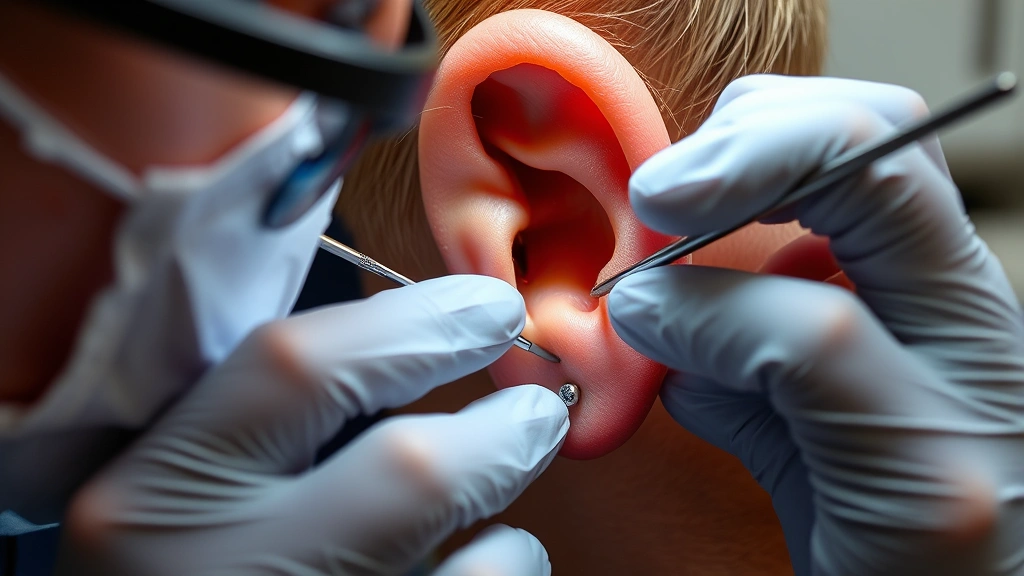
Will a Piercing Close Overnight? Expert Insights on Piercing Closure Timelines
Body piercings have become a popular form of self-expression, but one of the most common concerns among piercing enthusiasts is whether a fresh or healed piercing will close if left without jewelry. The answer isn’t as straightforward as yes or no—it depends on several critical factors including the piercing’s age, location, your body’s healing response, and individual physiological characteristics. Understanding the closure timeline can help you make informed decisions about your piercings and protect your investment in body modification.
Whether you’re considering removing jewelry temporarily for a medical procedure, job interview, or simply curious about your piercing’s resilience, knowing how quickly different piercings close is essential knowledge. This comprehensive guide explores the science behind piercing closure, factors that influence healing timelines, and practical strategies to keep your piercings open when needed.
Do Piercings Close Overnight?
The short answer is: it depends. Most fully healed piercings will not close completely overnight, but fresh piercings absolutely can. A piercing that’s only days or weeks old can begin closing within hours of jewelry removal. Your body treats a new piercing as a wound, and the healing process prioritizes sealing that wound. Unlike established piercings that have formed a stable fistula (the epithelialized tunnel where the jewelry sits), fresh piercings lack this permanent channel structure.
For context, consider that the Association of Professional Piercers recommends keeping jewelry in piercings throughout the entire healing period for this exact reason. Even brief removal during the healing phase can cause complications. However, well-established piercings—those that have been healed for months or years—often maintain their opening for extended periods without jewelry, though some may begin to close within 24 hours depending on individual factors.
Piercing Closure Timeline by Location
Different body locations have vastly different closure rates due to variations in tissue type, blood flow, and individual healing capabilities. Understanding location-specific timelines helps you assess your particular piercing’s vulnerability.
Ear Piercings (Lobes)
Earlobe piercings are among the most stable piercings. A fully healed earlobe piercing can typically remain open for weeks or even months without jewelry before beginning to close. Many people find their earlobe piercings stay open indefinitely if they wear jewelry regularly, even with occasional breaks. Fresh earlobe piercings, however, can close within 24-48 hours of jewelry removal during the first few months of healing.
Cartilage Piercings (Helix, Tragus, Conch)
Cartilage piercings close more quickly than earlobe piercings. A well-healed cartilage piercing may begin closing within 12-24 hours without jewelry, though the process is gradual. Fresh cartilage piercings are particularly vulnerable and can close within just a few hours. The denser tissue structure means the fistula is less stable than in soft tissue, contributing to faster closure rates.
Facial Piercings (Nose, Septum, Lip)
Nostril piercings are surprisingly resilient once healed. Many people report their nose piercings remaining open for weeks without jewelry. However, septum piercings tend to close faster, sometimes within 24-48 hours even after complete healing. Lip piercings fall somewhere in between, typically closing within several days if fully healed, but much faster if still fresh.
Oral Piercings (Tongue, Lip)
Tongue piercings close remarkably quickly due to the mouth’s highly vascular nature and constant movement. Even a completely healed tongue piercing can begin closing within 24 hours without jewelry. Some individuals report their tongue piercings closing within just a few hours. This rapid closure relates to the mouth’s aggressive healing response and constant activity.
Genital and Body Piercings
Intimate piercings exhibit highly variable closure rates depending on specific anatomy and individual physiology. Some can remain open for weeks, while others may close within days. Navel piercings typically close within 24-48 hours even after years of being open, as the tissue naturally wants to seal the opening. Surface piercings and dermal anchors tend to close relatively quickly compared to other body modifications.
Factors Affecting Piercing Closure Speed
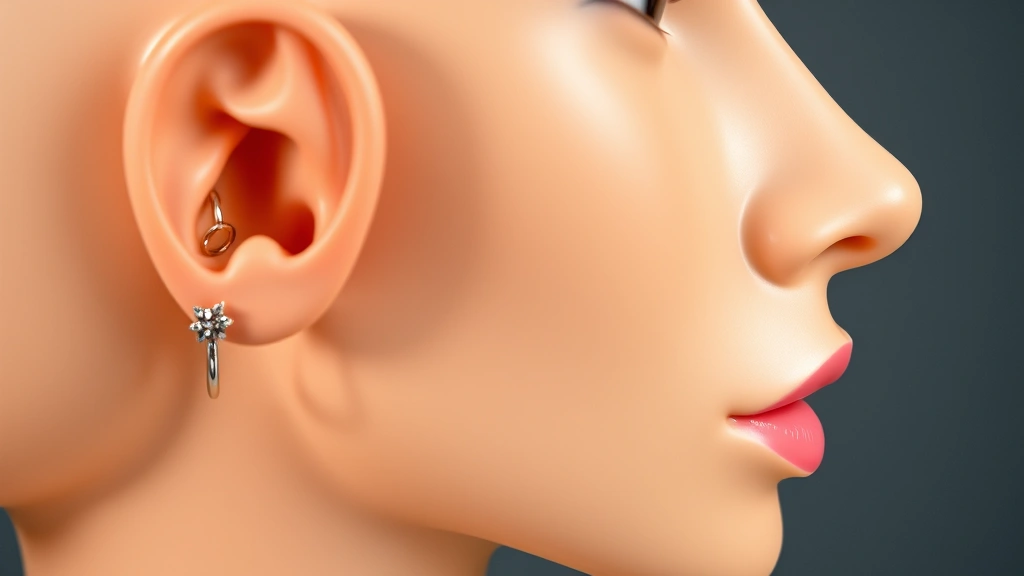
Several interconnected factors determine how quickly your specific piercing closes. Understanding these variables helps you predict your piercing’s behavior and take appropriate preventative measures.
Age of the Piercing
This is the most significant factor. A piercing that’s only weeks old will close far more rapidly than one that’s been open for five years. During the first 6-12 months, piercings are still establishing their fistula and remain highly vulnerable to closure. After the healing period completes, the fistula stabilizes, and closure becomes much slower. However, no piercing ever becomes completely immune to closure—even decades-old piercings will eventually close if jewelry is removed permanently.
Individual Healing Response
Your body’s natural healing capacity significantly impacts closure speed. Some people’s bodies aggressively heal wounds and close piercings quickly, while others have slower healing responses that keep piercings open longer. Genetics play a major role here. Additionally, conditions affecting healing—such as diabetes, autoimmune disorders, or nutritional deficiencies—can alter closure timelines.
Tissue Type
The specific tissue where your piercing sits matters considerably. Soft tissues like earlobes and lips tend to maintain piercings longer than dense cartilage or mucous membranes. Cartilage’s density and lower blood flow contribute to different fistula characteristics compared to soft tissue. This is why medical literature on tissue response to piercing emphasizes location-specific considerations.
Jewelry Size and Material
Larger diameter jewelry creates bigger fistulas that take longer to close than smaller gauge piercings. The material also matters—some materials may influence tissue response and fistula stability. Surgical steel, titanium, and gold are generally considered stable choices that don’t negatively impact healing.
Aftercare and Maintenance
Consistent jewelry wear and proper maintenance routines keep piercings healthy and fistulas stable. Piercings that receive regular cleaning and jewelry changes maintain better integrity than neglected piercings. Additionally, if you frequently remove and reinsert jewelry, you may actually be strengthening the fistula through regular stimulation.
Overall Health and Lifestyle
Your general health, stress levels, sleep quality, and nutrition all influence how quickly piercings close. Well-nourished individuals with healthy immune systems typically experience slower closure rates. Conversely, stress, poor sleep, and nutritional deficiencies can accelerate closure.
Fresh Versus Healed Piercings
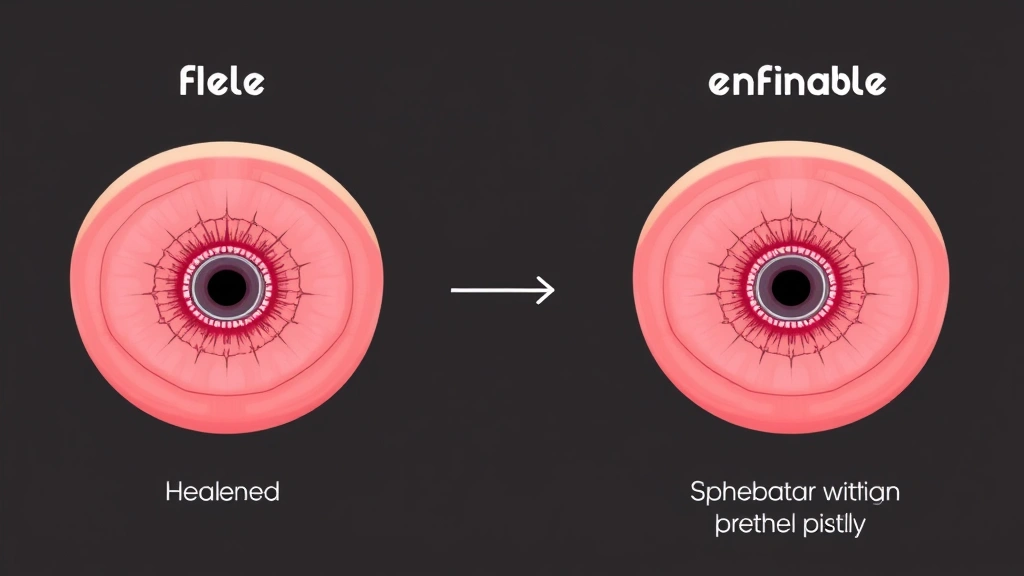
The distinction between fresh and healed piercings is critical when discussing closure timelines. Understanding where your piercing falls in the healing spectrum helps you make appropriate decisions about jewelry removal.
Fresh Piercings (0-6 Weeks)
During the first few weeks, your piercing is extremely vulnerable. The fistula hasn’t stabilized, and your body is actively working to heal the wound. Removing jewelry during this phase risks infection, improper fistula formation, and rapid closure. Most piercers recommend never removing jewelry during this period except for cleaning purposes. If you must remove jewelry for medical reasons, reinsertion should happen as quickly as possible—ideally within hours.
Healing Piercings (6 Weeks to 12 Months)
This intermediate phase involves ongoing fistula development and maturation. While some external signs of healing may disappear, internal healing continues. Piercings in this stage are still vulnerable to closure if jewelry is removed for extended periods. However, brief removals (a few hours) are generally safer than during the fresh stage. Many people find their piercings reach functional stability after 2-3 months, though complete healing takes longer.
Fully Healed Piercings (12+ Months)
After approximately one year, most piercings are considered fully healed with a stable, mature fistula. These piercings are significantly more resistant to closure and can typically withstand jewelry removal for hours or days without closing. However, “fully healed” doesn’t mean “permanently open”—extended jewelry removal will eventually lead to closure even in well-established piercings.
Preventing Unwanted Closure
If you need to remove jewelry temporarily but want to maintain your piercing, several strategies can help keep it open.
Retainers and Placeholder Jewelry
Clear or flesh-toned retainers are designed specifically for keeping piercings open while maintaining a low-profile appearance. These work well for professional settings or situations where visible jewelry is problematic. Retainers maintain the fistula without drawing attention to the piercing. Ensure any retainer you use is made from body-safe materials like implant-grade titanium or niobium.
Temporary Jewelry Removal Strategies
If you need to remove jewelry for a medical procedure or brief period, minimize the time without jewelry. For established piercings, even a few hours without jewelry is usually fine. However, for fresher piercings, removal should be kept to absolute minimums. Some people use the “in-and-out” method, removing jewelry only when necessary and reinserting immediately.
Maintaining Fistula Health
Regular jewelry changes and proper cleaning support fistula stability and health. A healthy fistula is more resilient and closes more slowly than an inflamed or compromised one. Following consistent safety protocols similar to those used in other DIY projects ensures your piercing receives appropriate care.
Using Tapers for Reinsertion
If you’ve removed jewelry and notice the piercing is beginning to close, a taper (a smooth, tapered tool) can help guide jewelry back through the fistula without forcing it. Never force jewelry through a closing piercing, as this can cause tissue damage and infection. Tapers are gentler and more effective for reinsertion after the fistula has begun to constrict.
Reopening Closed Piercings
If your piercing has closed, don’t panic—in many cases, it can be reopened, though the process depends on how long it’s been closed and how much the fistula has healed.
Recently Closed Piercings (Days to Weeks)
Piercings closed for only a few days to a couple weeks often reopen relatively easily. The fistula may have constricted but hasn’t fully healed closed. Using a taper, you can gently work jewelry back through the old piercing channel. This process should never be forced—if you encounter significant resistance, stop and consult a professional piercer. Attempting to force jewelry through can cause scarring and permanent damage.
Long-Closed Piercings (Months to Years)
Piercings closed for extended periods have often healed completely, with the fistula essentially reverting to regular skin or tissue. Reopening these piercings typically requires repiercing by a professional. However, because scar tissue remains from the original piercing, the tissue may be slightly easier to repierce than virgin skin. A professional piercer can assess whether the old fistula can be reused or if a fresh piercing is necessary.
Professional Assistance
For any closed piercing you want to reopen, consulting a professional piercer is the safest approach. Attempting DIY reopening of significantly closed piercings risks infection, scarring, and improper fistula formation. Professional piercers have the experience and tools to assess your specific situation and reopen piercings safely.
FAQ
Can a piercing close in 8 hours?
Yes, particularly fresh piercings. Piercings less than a few weeks old can begin closing within 8 hours of jewelry removal. Even some well-healed piercings, especially cartilage and oral piercings, may show signs of closure within this timeframe. The exact timeline depends on location and individual factors.
Will my earlobe piercing close if I take out the earring for a week?
Likely not completely, if the piercing is fully healed. Most well-established earlobe piercings can handle a week without jewelry, though you might experience some tightening. However, if your piercing is less than a year old, a week without jewelry poses a significant closure risk.
How long can I leave my nose piercing out?
A fully healed nose piercing can typically remain open for 1-2 weeks without jewelry, though some people report closure beginning within just a few days. Fresh nose piercings are much more vulnerable and can close within hours. If you need to remove your nose jewelry regularly, using a retainer is advisable.
What’s the fastest closing piercing?
Tongue piercings close the fastest, often within 24 hours or less, even after years of being open. The mouth’s highly vascular nature and constant movement accelerate closure. Septum piercings also close relatively quickly compared to other body modifications.
Can I reopen a piercing that closed 6 months ago?
Possibly, but it depends on how much the fistula has healed. A professional piercer can assess whether the old channel can be gently reopened or if repiercing is necessary. Six months is on the borderline—some fistulas remain partially open, while others have completely healed closed.
Does jewelry material affect closure speed?
Indirectly, yes. High-quality, biocompatible materials promote healthier fistulas that may remain open slightly longer. However, the primary factors affecting closure speed are piercing age, location, and individual physiology rather than jewelry material specifically.
Will my piercing close if I sleep without jewelry?
One night without jewelry is unlikely to cause complete closure in a well-healed piercing, though some tightening may occur. Fresh piercings are far more vulnerable—even one night without jewelry during the healing phase can cause noticeable closure or complications.


