Nail Polish Drying Time: Expert Tips & Tricks
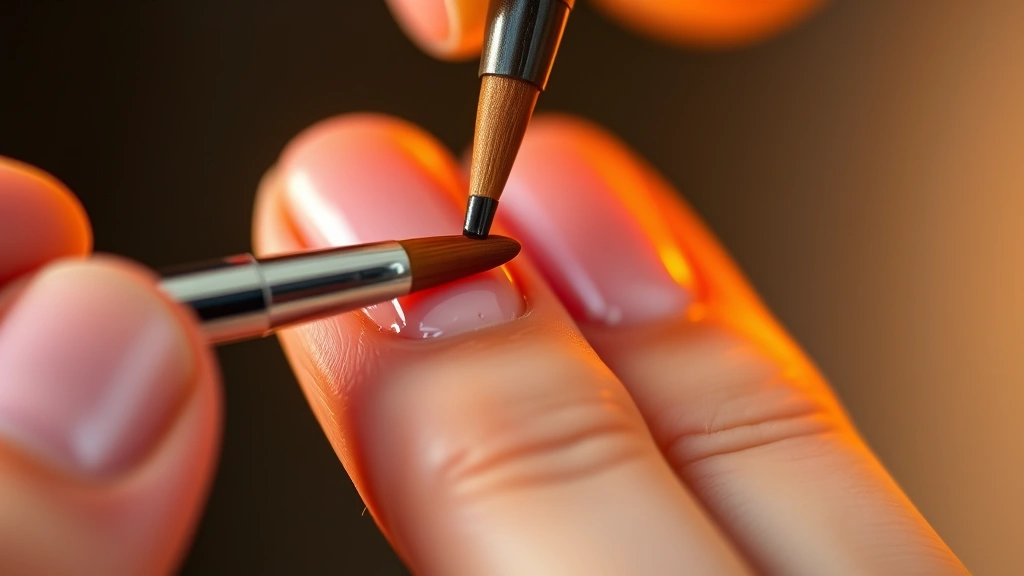
Nail polish drying time is one of the most frustrating aspects of at-home manicures. Whether you’re preparing for an important event or simply maintaining your nails between salon visits, understanding drying times can save you hours of waiting and prevent smudged, ruined manicures. Most standard nail polish takes between 15 to 30 minutes to dry completely, though this varies significantly based on formula, application thickness, environmental conditions, and technique.
The science behind nail polish drying involves solvent evaporation rather than traditional curing. Unlike construction materials such as E6000 adhesive that requires chemical bonding or concrete that needs proper curing time, nail polish hardens as volatile organic compounds evaporate from the coating. This process can be accelerated or delayed depending on numerous factors you can control.
Understanding Nail Polish Composition
Nail polish is a complex suspension of pigments, resins, and solvents that work together to create color and durability on your nails. The primary solvents in nail polish include ethyl acetate, butyl acetate, and camphor, which evaporate at different rates depending on temperature and humidity. Understanding this composition helps explain why drying times vary so dramatically between products and conditions.
The film-forming agents in nail polish, typically nitrocellulose, create the hard coating that protects your nails and provides shine. Plasticizers like dibutyl phthalate (DBP) or its replacements add flexibility to prevent chipping. When you apply polish, these components are in liquid suspension, and drying occurs as the solvents escape into the air, leaving behind the hardened film. This is fundamentally different from how house paint dries, which involves both evaporation and chemical cross-linking.
The viscosity of polish affects drying time significantly. Thinner formulas dry faster because they have less solvent to evaporate, while thicker, creamier polishes take longer. Budget polishes often contain more solvent to achieve spreadability, which paradoxically makes them take longer to dry despite their thinner appearance on the nail. Premium brands often use advanced solvent technology that accelerates evaporation while maintaining application quality.
Standard Drying Times by Polish Type
Regular Nail Polish: Traditional lacquer-based nail polish typically requires 15 to 30 minutes for the surface to dry to the touch, though full hardness may take 2 to 4 hours. The first coat dries faster than subsequent coats because less product is on the nail. Most professionals recommend waiting 2 to 3 minutes between coats to allow each layer to set properly.
Quick-Dry Formulas: These specially formulated polishes can dry to the touch in as little as 3 to 8 minutes. They achieve this through optimized solvent blends and additives that enhance evaporation. However, quick-dry polishes may not provide the same depth of color or longevity as traditional formulas, and full hardness still requires 30 to 60 minutes.
Gel Polish: UV or LED gel polish operates on a completely different drying mechanism. These polishes don’t dry through evaporation; instead, they cure through photopolymerization when exposed to ultraviolet or LED light. Typical curing times range from 30 seconds to 2 minutes under a professional lamp, making gel polish significantly faster than traditional polish for achieving full hardness. However, gel polish requires professional removal and can be more damaging to natural nails over time.
Gel-Like Hybrid Polishes: These newer formulas attempt to bridge the gap between traditional and gel polish. They dry faster than regular polish (8 to 12 minutes) but don’t require a lamp for curing. They typically provide better longevity than standard polish while remaining easier to remove.
Matte and Textured Polishes: These specialty formulas often take slightly longer to dry than glossy versions because their additives affect solvent evaporation rates. Budget an extra 5 to 10 minutes for complete drying of matte or textured finishes.
Factors That Affect Drying Speed
Temperature: Warmth accelerates solvent evaporation significantly. In a 72°F room, standard polish dries in about 20 minutes, but in a 78°F environment, you might achieve dryness in 12 to 15 minutes. Conversely, cold temperatures dramatically slow drying. In a 62°F room, expect drying times to extend to 30 to 40 minutes. This is why maintaining consistent basement temperatures in DIY projects matters for all finishing work.
Humidity: This is perhaps the most underestimated factor in nail polish drying. High humidity (above 60%) creates a barrier that traps solvent vapors near the nail surface, significantly slowing evaporation. In humid conditions, drying times can extend from 20 minutes to 45 minutes or more. Low humidity (below 40%) accelerates drying dramatically. Some professionals recommend applying polish in air-conditioned environments precisely because they control both temperature and humidity.
Application Thickness: This is the single most controllable factor affecting drying time. Thin, even coats dry much faster than thick applications. A single thin coat can dry in 5 to 8 minutes, while a thick coat might require 20 to 30 minutes. Most professionals use three thin coats rather than two thick coats because the total drying time is actually faster with proper technique.
Polish Brand and Formula: Premium brands invest in advanced solvent technology that optimizes drying times. Budget brands often use simpler formulations with slower-evaporating solvents. Comparing drying times between brands can differ by 50% or more under identical conditions.
Base and Top Coat Products: Some base coats are specifically formulated to dry quickly and promote faster drying of subsequent polish coats. Quality top coats can seal the manicure and improve drying efficiency. Using mismatched systems (discount base coat with premium polish) can actually slow overall drying.
Nail Surface Preparation: Properly prepped nails with clean, dehydrated surfaces allow better adhesion and faster drying. Nails with residual oils or moisture from cuticle oil dry more slowly because the polish doesn’t adhere evenly.
Proven Methods to Speed Up Drying
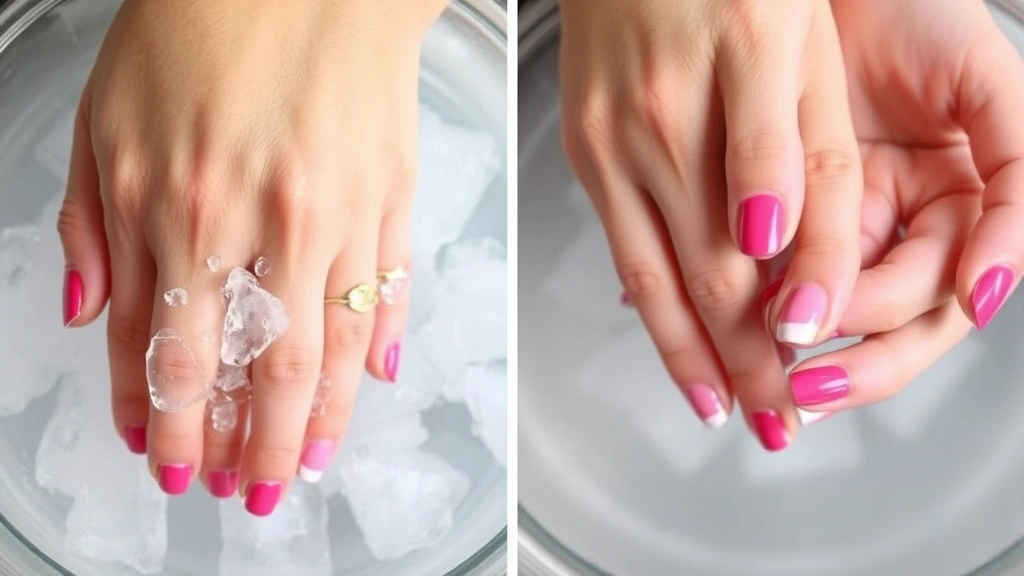
The Ice Water Method: Submerging freshly polished nails in ice water for 3 minutes immediately after application dramatically speeds drying. Cold water causes the outer layer of polish to set quickly through a process similar to how cold affects paint films. This method works best with regular polish and can reduce drying time by 40 to 50%. Wait at least 3 to 5 minutes after your final coat application before using ice water, as applying it too early can cause cloudiness or uneven drying.
Quick-Dry Sprays: Commercial quick-dry sprays contain oils and solvents that create a thin barrier over wet polish, accelerating surface drying. These products can reduce drying time by 30 to 40% when applied correctly. Spray from 4 to 6 inches away, using light, even coats. Some products work better than others, and reading reviews specific to your polish type helps ensure compatibility.
Quick-Dry Drops: Similar to sprays, these concentrated products are applied directly to wet polish. They work by creating an evaporative barrier that accelerates solvent escape. Results vary based on polish type, but many users report 25 to 35% reduction in drying time. Apply drops sparingly to avoid over-saturation, which can cause streaking or separation.
Thin Coat Application: The most effective method requires no special products. Applying multiple thin coats instead of fewer thick coats reduces overall drying time despite requiring more applications. Three thin coats can dry completely in 25 to 30 minutes total, compared to 40 to 50 minutes for two thick coats.
Proper Ventilation: Positioning your hands near a fan or in a well-ventilated area accelerates solvent evaporation. A small desk fan positioned 12 to 18 inches from your nails can reduce drying time by 20 to 30%. Ensure the fan creates gentle air movement rather than strong gusts, which can cause uneven drying or streaking.
Temperature Control: Using a space heater to raise room temperature from 68°F to 75°F can reduce drying time by 15 to 25%. However, excessive heat above 80°F can cause bubbling or separation in some polish formulas, so maintain moderate warmth rather than extreme heat.
Dehydrating Nails Before Application: Using rubbing alcohol or a nail dehydrator product before applying base coat removes surface moisture and oils, promoting faster and more even drying. This step takes 1 minute but can reduce overall manicure drying time by 10 to 15%.
Common Mistakes That Slow Down Drying
One of the most frequent errors is applying polish too thickly in an attempt to achieve full coverage in fewer coats. While this seems logical, thick coats actually take significantly longer to dry and are more prone to smudging, denting, and peeling. Thin, even coats dry faster and provide better results.
Many people apply top coat immediately after the final color coat, before the color is fully set. This traps solvents and actually slows drying. Wait at least 2 to 3 minutes after your final color coat before applying top coat, and wait another 2 to 3 minutes before considering the manicure dry to the touch.
Using old polish is another common culprit. As nail polish ages, its solvent composition changes due to evaporation, and the remaining formula often dries more slowly. Nail polish typically has a shelf life of 18 to 24 months. If your polish is older than this or has been sitting open, it will dry more slowly regardless of other conditions.
Applying polish in humid environments or immediately after showering is a recipe for extended drying times. Your nails contain moisture from the shower, and humid air traps evaporating solvents. Wait at least 30 minutes after showering and apply polish in the most humidity-controlled space available.
Touching or moving your hands excessively while polish dries causes uneven drying and can reactivate partially dried layers. Try to keep hands still for at least 15 to 20 minutes after application, even though the polish may feel dry to the touch.
Applying base coat too heavily is another mistake. Base coat should be a thin, even layer. Thick base coats don’t provide better protection and actually slow the drying of subsequent coats. The same principle applies to top coat.
Professional Techniques for Faster Results
Professional nail technicians use several techniques that significantly accelerate drying times. The first is proper nail preparation. Professionals thoroughly cleanse nails with rubbing alcohol or acetone-based dehydrators, removing all oils and moisture. This single step can reduce drying time by 10 to 15% compared to standard preparation.
Professionals also use high-quality, fast-drying base and top coat systems that are specifically formulated to work together. Mismatched products from different brands can actually slow drying, but professional systems are engineered for optimal performance. Quality matters significantly—premium products often contain advanced solvent blends that dry 20 to 30% faster than budget alternatives.
The thin-coat technique is standard in professional settings. Rather than applying thick coats, professionals apply 3 to 4 thin, even coats with proper drying time between applications. This actually results in faster total drying time and superior results.
Professionals control their environment meticulously. Most nail salons maintain temperatures between 72°F and 75°F and humidity levels between 40% and 50%. They also use professional ventilation systems that remove fumes while maintaining gentle air circulation across freshly applied polish.
Many professionals use professional-grade quick-dry products that are formulated differently than consumer versions. These products are optimized for use with professional polish systems and often provide superior results compared to retail quick-dry sprays.
Some high-end salons use advanced drying technology, including specialized lamps that emit specific wavelengths to accelerate solvent evaporation without curing the polish (different from UV/LED gel curing lamps). These devices can reduce drying time to 5 to 8 minutes for complete hardness.
Environmental Optimization
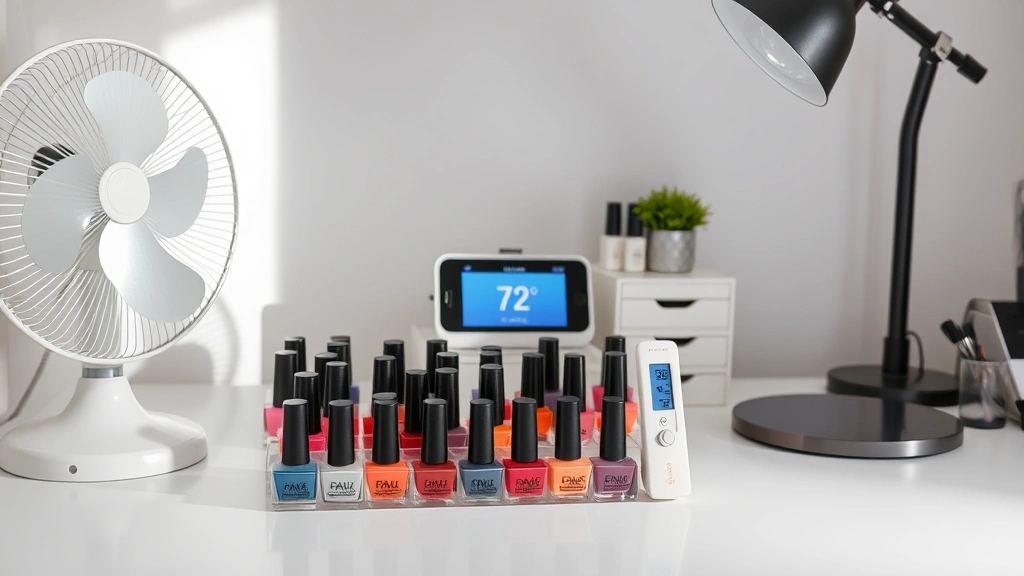
Creating an optimal environment for nail polish drying involves controlling multiple variables simultaneously. Begin by checking your room temperature. Ideally, maintain 72°F to 75°F for optimal drying. If your home is cooler, use a space heater for 15 to 20 minutes before applying polish to warm the space.
Humidity control is equally important. If you live in a humid climate or it’s summer, use a dehumidifier in the room where you’re applying polish. Many people don’t realize that running an air conditioner naturally reduces humidity while controlling temperature—two factors that accelerate drying. If you’re in a dry climate, you may actually want to slightly increase humidity to prevent bubbling in some polish formulas, which occurs when drying is too rapid.
Ventilation should provide gentle air circulation without strong drafts. Position a small fan to create subtle air movement across your nails, but not so strong that it causes uneven drying. A fan set to low speed positioned 12 to 18 inches away is ideal.
Lighting doesn’t directly affect drying time, but good lighting allows you to apply polish more evenly, which indirectly improves drying efficiency. Ensure you have adequate lighting when applying polish so you can achieve thin, even coats.
Consider the specific location within your home. Bathrooms tend to be humid due to shower use, making them poor choices for nail polish application. Bedrooms with good ventilation and temperature control are typically ideal. Living rooms with air conditioning and distance from water sources are also excellent locations.
If you frequently apply nail polish, investing in a dedicated manicure station with controlled temperature, humidity, and ventilation can reduce drying times by 30 to 40% compared to random locations throughout your home. Even a simple setup with a small desk, fan, and space heater in a low-humidity room provides significant benefits.
FAQ
How long does it take for nail polish to dry completely?
Standard nail polish dries to the touch in 15 to 30 minutes, but full hardness typically requires 2 to 4 hours. Quick-dry formulas can achieve surface dryness in 3 to 8 minutes. Gel polish cures in 30 seconds to 2 minutes under a UV or LED lamp. The exact time depends on formula, application thickness, temperature, humidity, and ventilation.
Can I speed up nail polish drying without special products?
Yes. Apply thin, even coats instead of thick applications, maintain room temperature at 72°F to 75°F, use a fan for gentle air circulation, and ensure low humidity (below 50%). These environmental and technique adjustments can reduce drying time by 25 to 40% without any special products.
Does the ice water trick really work?
Yes, the ice water method is effective and can reduce drying time by 40 to 50%. Submerge freshly polished nails in ice water for 3 minutes after waiting 3 to 5 minutes from the final coat application. The cold causes rapid surface hardening, though full hardness still requires several more hours.
Why does my nail polish take so long to dry?
Common causes include thick application, high humidity, cold room temperature, old polish formula, excessive oils on nails, or poor ventilation. Evaluate each factor: apply thinner coats, use a dehumidifier, warm your room, use fresh polish, thoroughly cleanse nails with alcohol, and position a fan for air circulation.
Is gel polish really faster than traditional polish?
Gel polish achieves full hardness much faster (30 seconds to 2 minutes) compared to traditional polish (2 to 4 hours). However, gel polish requires a UV or LED lamp for curing and is more difficult to remove. For at-home use without a lamp, gel-like hybrid polishes offer a compromise with drying times of 8 to 12 minutes.
Can I use my nails before the polish is completely dry?
You can use your nails once the polish feels dry to the touch (15 to 30 minutes), but they’re still susceptible to denting, smudging, and peeling. For complete protection against damage, wait 2 to 4 hours before engaging in activities that stress your nails. Using your nails immediately after application significantly increases the risk of manicure damage.
What’s the best quick-dry product for nail polish?
Quick-dry sprays and drops work best when matched to your specific polish brand and type. Read reviews for your exact polish to find compatible products. Generally, quality matters—premium quick-dry products from established brands provide better results than budget alternatives. The National Center for Biotechnology Information provides research on nail cosmetics.
Does humidity really affect nail polish drying?
Humidity significantly affects drying time. High humidity (above 60%) can extend drying time by 50% or more by trapping solvent vapors. Low humidity (below 40%) accelerates drying dramatically. This is why nail salons maintain humidity around 40% to 50% for optimal drying conditions.


