How Long Does It Take for a Fridge to Get Cold? Expert Insights Inside
When you first install a new refrigerator or move one to a new location, understanding the cooling timeline is essential for food safety and appliance longevity. Most refrigerators require between 2 to 24 hours to reach optimal cooling temperatures, but several factors influence this critical timeframe. Whether you’re setting up a kitchen after completing a basement renovation or simply replacing an old unit, knowing what to expect helps you plan meal prep and protect your groceries.
The refrigeration process involves complex thermodynamic principles working together to lower internal temperatures. Your fridge’s compressor, condenser coils, evaporator, and expansion valve must all synchronize to create the cool environment your food depends on. Understanding how these components work and what affects their performance ensures you’re not left with warm milk and spoiled vegetables during the crucial startup period.
Typical Cooling Timeline for New Refrigerators
Most modern refrigerators reach their target temperature range of 35-38°F (1.7-3.3°C) within 2 to 4 hours of initial startup. However, this timeframe assumes ideal conditions and proper preparation. Standard French door, side-by-side, and top-freezer models typically follow similar cooling curves, though high-end commercial-grade units may cool faster due to more powerful compressors.
The first hour represents the initial system activation phase. During this period, refrigerant begins circulating through the sealed system, and the compressor cycles on to begin removing heat from the cabinet interior. You’ll typically hear the compressor engage with a distinctive humming sound—this is completely normal and indicates the cooling cycle has started properly.
Between hours 2 and 4, temperatures drop most rapidly. The evaporator coils inside the fridge cabinet work intensively to absorb heat, while the condenser coils on the back or bottom of the unit release that heat into the room. This is when you’ll notice the most significant temperature reduction, and this period is critical for food safety if you plan to store perishables.
After 4 hours, most refrigerators have reached adequate cooling temperatures, though some manufacturers recommend waiting the full 24 hours before loading substantial quantities of food. This extended waiting period allows the refrigerant to fully circulate through all components and for internal temperatures to stabilize completely. The freezer compartment typically reaches its target temperature of 0°F (-18°C) slightly after the refrigerator section stabilizes.

Factors Affecting Refrigerator Cooling Time
Room Temperature and Ambient Conditions
The surrounding environment significantly impacts how quickly your fridge cools. A refrigerator installed in a 70°F room will cool faster than one placed in an 85°F kitchen during summer. For optimal performance, maintain ambient temperatures between 50°F and 110°F according to ENERGY STAR guidelines. Extreme temperatures force your compressor to work harder and longer, extending the cooling timeline by 30-50% in hot conditions.
Refrigerator Size and Capacity
Larger refrigerators with greater interior volume require more time to cool completely. A compact 18 cubic foot unit might reach target temperatures in 2 hours, while a 28 cubic foot French door model could take 6-8 hours. The additional space means more air volume to cool and more thermal mass to overcome. This is particularly important when planning kitchen renovations where you’re selecting appliances for specific spaces.
Compressor Power and Efficiency
Newer inverter compressors adjust their speed based on cooling demand, often achieving target temperatures faster than traditional fixed-speed compressors. Premium models with variable-speed compressors may reach full cooling in 2-3 hours, while budget models with standard compressors might require the full 4-6 hour window. Check your refrigerator’s specifications for compressor type—this detail significantly influences cooling performance.
Initial Refrigerant Circulation
When a refrigerator sits in transit or storage before installation, the refrigerant may separate or settle. The system needs time to redistribute refrigerant evenly through all components. This circulation process directly affects how quickly cooling begins. Some manufacturers recommend allowing 6-8 hours before plugging in a refrigerator that’s been transported horizontally, as this allows lubricant to drain back into the compressor.
Installation and Positioning
Proper installation dramatically affects cooling efficiency. Refrigerators need at least 1-2 inches of clearance on sides and back for air circulation around condenser coils. Blocked vents force the compressor to work harder and extend cooling time significantly. If you’re installing a unit after completing kitchen flooring work, ensure adequate ventilation space is maintained.
The Science Behind Refrigerator Cooling
Refrigeration operates on the thermodynamic principle of heat transfer through phase change. Your refrigerator’s sealed system contains refrigerant—typically a hydrofluoroolefin (HFO) compound in modern units—that circulates continuously, changing between liquid and gas states to move heat from inside the cabinet to the outside environment.
The compressor pressurizes low-pressure refrigerant gas, heating it significantly. This hot, pressurized gas flows to the condenser coils, usually located on the back or bottom exterior of the unit. Here, ambient room air passes over the coils, causing the pressurized gas to condense into liquid form while releasing heat. You can feel this heat if you place your hand near the back of a running refrigerator.
The liquid refrigerant then travels through an expansion valve or capillary tube, which reduces its pressure dramatically. This pressure drop causes the liquid to evaporate rapidly into a gas state inside the evaporator coils located in the refrigerator cabinet. This evaporation process absorbs tremendous amounts of heat from the surrounding air, cooling the cabinet interior. A fan circulates this cooled air throughout the fridge and freezer compartments.
The cycle repeats continuously. A thermostat monitors internal temperature and signals the compressor to cycle on and off as needed to maintain the target temperature range. During initial startup, the compressor runs almost continuously because the cabinet interior is at room temperature—far above the target. As the cabinet cools, compressor run time decreases until the unit cycles normally, running perhaps 30-40% of the time to maintain temperature.
Understanding this cycle explains why patience matters during startup. The refrigerant must circulate through the entire sealed system multiple times, and internal air temperature must drop gradually to avoid thermal shock to components and food.
Pre-Installation Steps to Optimize Cooling
Allow Proper Transport Recovery Time
If your refrigerator was transported horizontally or has been in storage, allow it to sit upright for 4-6 hours before plugging it in. This permits oil and refrigerant to settle properly in the compressor. Plugging in a refrigerator immediately after horizontal transport can damage the compressor and void your warranty. Check your owner’s manual for specific transport recovery recommendations.
Verify Adequate Ventilation Space
Measure twice before installation to ensure your refrigerator has proper clearance. Most models require minimum clearances of 1-2 inches on sides and back, plus 2-4 inches above for air circulation. Condenser coils cannot function efficiently if blocked by cabinets, walls, or other appliances. Some models with condenser coils on the bottom require 3-6 inches of clearance underneath.
Clean Condenser Coils Before Startup
If your refrigerator has been in storage or transport, dust and debris may have accumulated on the condenser coils. Use a soft brush or vacuum with a brush attachment to gently clean these coils before first startup. Clean coils improve heat transfer efficiency and reduce cooling time by up to 15%.
Ensure Level Installation
Use a level to verify your refrigerator sits perfectly level or tilts very slightly forward (about 1/4 inch). Proper leveling ensures refrigerant circulates correctly and drain pans function properly. An unlevel refrigerator can extend cooling time and cause operational issues.
Prepare the Kitchen Environment
Close doors and windows to maintain consistent ambient temperature. Avoid placing your refrigerator near heat sources like ovens, direct sunlight, or heating vents. A stable ambient temperature between 65-75°F allows optimal compressor function. If you’re working on kitchen painting projects before installation, complete all work at least 24 hours prior to avoid paint fumes affecting the unit.
Troubleshooting Slow Cooling Issues
Refrigerator Not Cooling After 8 Hours
If your refrigerator hasn’t reached adequate cooling temperatures after 8 hours, verify the thermostat isn’t set to the warmest position. Some models have adjustable thermostats that default to warmer settings. Locate the temperature control dial or digital display and set it to a mid-range cooling position. Wait 2-4 additional hours and recheck temperatures.
Ensure the condenser coils are clean and unobstructed. Blocked vents are the most common cause of slow cooling in new installations. Check that cabinet doors close properly and the door seal is intact—gaps allow cold air to escape and warm air to enter, forcing the compressor to work continuously without reaching target temperatures.
Compressor Running Continuously
During the first 4-8 hours, continuous compressor operation is normal. However, if the compressor never cycles off after 12 hours, investigate potential issues. Check door seals for gaps or damage. Verify all vents are unobstructed. Confirm the ambient room temperature isn’t above 80°F. If issues persist, the refrigerant may be low, or internal components may require professional service.
Freezer Colder Than Refrigerator Section
During startup, the freezer often reaches target temperature before the refrigerator section. This is normal because freezer compartments typically have direct access to evaporator coils. If after 24 hours the refrigerator section remains significantly warmer than target while the freezer is properly cold, the damper control that regulates air flow between compartments may need adjustment. Consult your owner’s manual for damper control location and settings.
Excessive Noise During Cooling
New refrigerators may produce unfamiliar sounds during initial operation—compressor humming, refrigerant flowing through lines, and fan motors running. These sounds are typically normal. However, loud clicking, grinding, or rattling suggests potential problems. Verify the refrigerator is level and not touching walls or cabinets. Check that internal components haven’t shifted during transport. If concerning noises persist, contact the manufacturer’s customer service.
Safety Considerations During Startup
Food Storage During Cooling Period
Avoid loading large quantities of room-temperature food into your refrigerator during the initial cooling phase. The thermal mass of warm food slows the cooling process significantly and can extend reaching safe temperatures by several hours. If you must store food immediately, limit quantities to essential items and wait until the refrigerator reaches 40°F before adding substantial amounts. According to FDA guidelines, perishable foods shouldn’t remain above 40°F for more than 2 hours.
Monitoring Internal Temperature
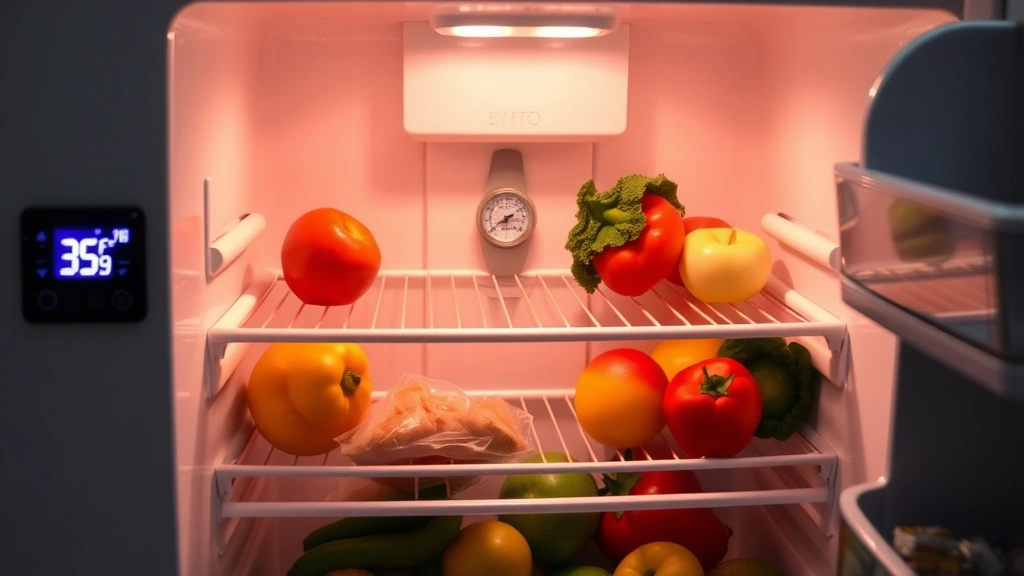
Use an independent thermometer to verify internal temperatures rather than relying solely on the refrigerator’s display. Place the thermometer in the center of the middle shelf and check readings after 2, 4, 6, and 8 hours. This monitoring ensures the unit is cooling properly and helps you determine when it’s safe to add food. Target temperatures should be 35-38°F for the refrigerator and 0°F or below for the freezer.
Electrical Safety During Installation
Ensure the outlet where you’ll plug in the refrigerator is properly grounded and can handle the unit’s electrical requirements. Most refrigerators require a dedicated 15-20 amp circuit. Avoid using extension cords or power strips—plug directly into the wall outlet. If the outlet appears damaged or the cord shows signs of wear, have a licensed electrician inspect it before connecting your appliance. Proper electrical installation is critical for both appliance longevity and household safety.
Handling Refrigerant Safely
Never attempt to service refrigerant systems yourself. Refrigerants require specialized handling and certification. If you suspect a refrigerant leak—indicated by inadequate cooling despite proper setup and an oily residue around connections—contact a certified HVAC technician or the refrigerator manufacturer’s service center. Refrigerant exposure can cause environmental and health hazards.
Proper Disposal of Packaging Materials
Remove all packaging materials, foam inserts, and plastic wrapping before operating your refrigerator. These materials can restrict air flow and create fire hazards if they contact heating elements or electrical components. Keep packaging for at least the warranty period in case you need to transport the unit for service.
FAQ
How long does it take for a new fridge to get cold?
Most new refrigerators reach adequate cooling temperatures between 2-4 hours, with optimal stabilization occurring after 24 hours. The timeline depends on room temperature, refrigerator size, and whether proper preparation steps were followed. Larger units in warm environments may require closer to 6-8 hours.
Can I put food in my fridge immediately after plugging it in?
You can place essential items after 2-4 hours once temperatures reach approximately 40°F, but avoid loading large quantities of room-temperature food during the initial cooling phase. Substantial food loads slow cooling and can compromise food safety. Wait 24 hours for optimal performance before fully stocking your refrigerator.
Why is my refrigerator still warm after 6 hours?
Check condenser coil cleanliness and ventilation clearance first—these are the most common issues. Verify door seals are intact and the ambient room temperature isn’t above 80°F. Ensure the thermostat is set to a cooling position rather than the warmest setting. If these checks don’t resolve the issue, contact the manufacturer’s service center.
Is it normal for the freezer to cool faster than the refrigerator?
Yes, this is completely normal. Freezer compartments have direct access to evaporator coils and typically reach target temperatures first. The refrigerator section cools slightly afterward as circulated air reaches all areas. Both sections should reach target temperatures within 24 hours.
What room temperature is best for refrigerator cooling?
Ambient temperatures between 65-75°F allow optimal refrigerator performance. Units can operate in temperatures as low as 50°F and as high as 110°F, but efficiency decreases significantly outside the ideal range. Avoid placing refrigerators in uninsulated spaces, direct sunlight, or near heat sources for best results.
Should I wait 24 hours before using my refrigerator?
While most refrigerators reach safe cooling temperatures within 4-8 hours, many manufacturers recommend waiting 24 hours before loading substantial quantities of food. This extended period allows the system to fully stabilize and ensures consistent performance. However, you can safely store essential items after 4 hours once temperatures reach 40°F.
How do I know if my refrigerator is cooling properly?
Use an independent thermometer to verify temperatures. Place it on the middle shelf and check readings after 4 and 8 hours. The refrigerator should read 35-38°F and the freezer 0°F or below. You should also feel cold air circulation and hear normal compressor cycling. If temperatures don’t reach these levels after 8 hours, investigate ventilation and seal conditions or contact service.


