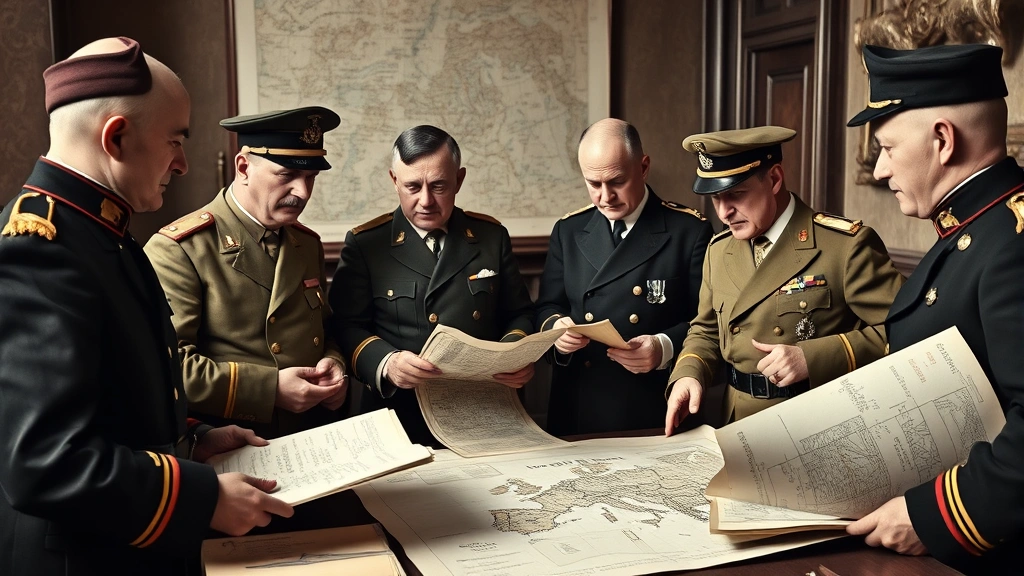
The question of whether imperialism sparked World War I remains one of history’s most debated topics among scholars and historians. While no single factor caused the catastrophic global conflict that erupted in 1914, the imperial ambitions of European powers created a powder keg of tensions, rivalries, and territorial disputes that ultimately made war nearly inevitable. Understanding this complex relationship requires examining how the scramble for colonies, resources, and global dominance fundamentally reshaped international relations in the decades preceding the war.
Imperial competition transformed the political landscape of Europe and beyond, creating alliances, enmities, and arms races that destabilized the continent. As nations competed for control over Africa, Asia, and other regions, they accumulated grievances and developed military capabilities specifically designed to challenge one another. The imperial system didn’t directly cause the assassination of Archduke Franz Ferdinand in Sarajevo, but it created the conditions—the militarism, the alliance system, and the nationalist fervor—that turned a regional crisis into a continental catastrophe.
The Imperial Competition and European Tensions
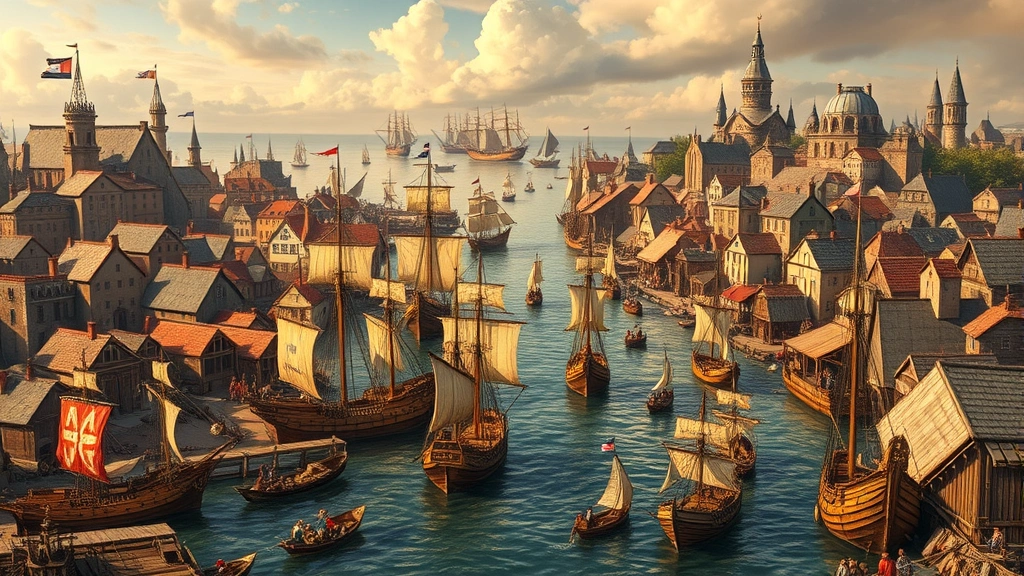
Between 1870 and 1914, European imperial powers engaged in what historians call the “Scramble for Africa” and the broader competition for global dominance. Britain, France, Germany, Belgium, and other nations raced to claim territories across continents, driven by desires for raw materials, markets, and prestige. This competition fundamentally altered European relationships and created deep suspicions among rival powers.
Germany’s late entry into imperialism proved particularly destabilizing. While Britain and France had already established vast empires, Germany under Kaiser Wilhelm II aggressively pursued its own colonial acquisitions. This created a sense of grievance in Berlin, where policymakers felt excluded from the spoils of global colonization. The phrase “a place in the sun” became Germany’s rallying cry for imperial expansion, reflecting the frustration of a rising power that believed itself entitled to greater global influence and resources.
The imperial system created what scholars call a “zero-sum” mentality among European powers. Territorial gains by one nation were perceived as losses by competitors. This competitive framework, when combined with nationalist ideologies emphasizing national greatness and superiority, made cooperation increasingly difficult and conflict increasingly likely. exploring different perspectives on historical structures helps us understand how societies organize around competition and conflict.
Colonial Rivalries and Military Buildups
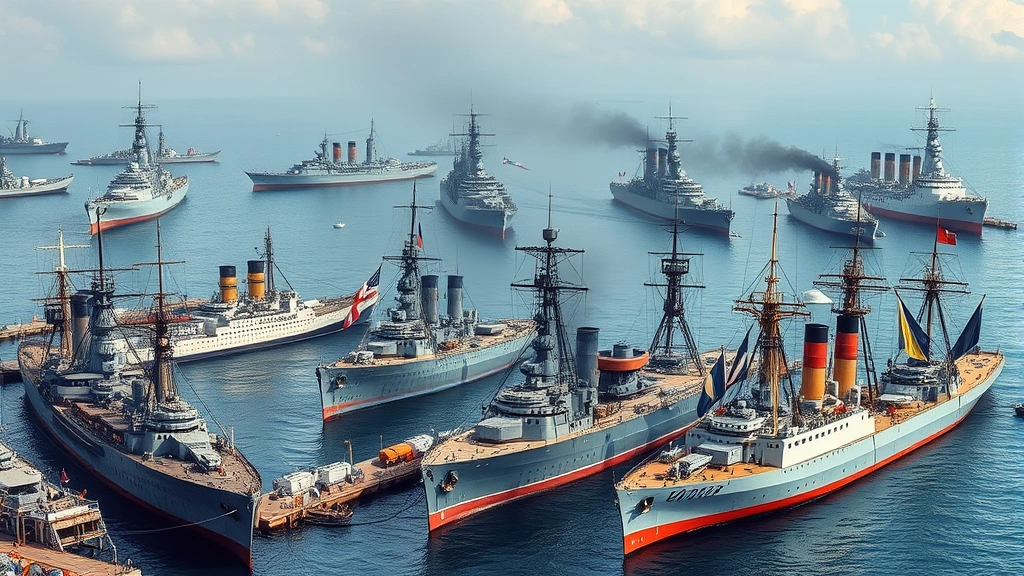
Imperial competition directly fueled military expansion across Europe. Nations invested heavily in naval and land forces to protect their colonial possessions and challenge rival powers. Britain’s naval supremacy, which had been largely unchallenged in the nineteenth century, faced serious challenges from Germany’s expanding fleet under Admiral Tirpitz’s naval program. This arms race, driven by imperial competition, created a military-industrial complex that made war seem inevitable to many strategists.
The race for naval dominance exemplified how imperialism translated into military tensions. The British History Society documents how Germany’s Dreadnought battleship program alarmed British policymakers and accelerated weapons development on both sides. This naval arms race consumed enormous resources and created military establishments with vested interests in maintaining tensions and preparing for conflict.
Colonial rivalries also created specific flashpoints that brought European powers to the brink of war multiple times before 1914. These crises, though resolved diplomatically, reinforced the perception that imperial competition was a zero-sum game where nations must be prepared to fight for their interests. Each crisis left residual resentments and hardened positions on both sides, making eventual conflict more likely.
Key military developments stemming from imperial competition included:
- Expansion of navy budgets and shipbuilding programs
- Development of new military technologies and strategies
- Creation of strategic military plans (like the Schlieffen Plan) designed for rapid mobilization
- Establishment of military attaché networks for intelligence gathering
- Formation of general staffs focused on imperial defense scenarios
The Alliance System Born from Imperial Ambitions
The complex system of alliances that characterized pre-war Europe emerged largely from imperial rivalries and the need to balance power among competing colonial powers. France and Russia, both threatened by German power and competing with Germany for colonial influence, formed an alliance in 1894. Britain, initially isolated by its imperial competitors, eventually joined this alliance system through the Entente Cordiale with France (1904) and the Anglo-Russian Entente (1907).
These alliances, ostensibly defensive in nature, were fundamentally shaped by imperial competition. Nations allied with others who shared their colonial interests or faced common rivals. Germany, seeking to break the encirclement it perceived, allied with Austria-Hungary and Italy in the Triple Alliance. This divided Europe into two armed camps, each viewing the other with suspicion and hostility rooted in imperial rivalries.
The alliance system transformed what might have remained a Balkan crisis into a continental war. When Austria-Hungary declared war on Serbia in July 1914, the imperial-based alliance structure automatically pulled the major powers into conflict. Russia mobilized to support Serbia, Germany mobilized against Russia and France, and Britain entered to defend Belgian neutrality. The imperial competition that had structured European diplomacy for decades suddenly became the mechanism that plunged the continent into total war.
Economic Imperialism and Trade Wars
Beyond territorial acquisition, economic imperialism created significant tensions among European powers. Nations competed fiercely for markets, investment opportunities, and access to raw materials in colonial territories. These economic rivalries sometimes proved as destabilizing as political or military competition, creating resentments that persisted for decades.
Germany particularly resented what it perceived as British economic dominance and the use of imperial preferences to exclude German goods from British colonial markets. German industrialists and politicians believed their nation’s economic dynamism was being artificially constrained by the existing imperial order. This economic frustration contributed to the aggressive foreign policy pursued by Kaiser Wilhelm II and his advisors, who sought to overturn the existing international system through military means if necessary.
Trade disputes and economic competition reinforced the broader imperial rivalries that characterized European international relations. When nations competed for the same colonial markets and resources, diplomatic disputes often followed. The economic dimension of imperialism meant that imperial conflicts threatened not just national prestige but also corporate profits and national prosperity, making them more intractable and emotionally charged.
Nationalism Fueled by Imperial Dreams
Imperial competition directly fueled the nationalist movements and ideologies that dominated European politics in the early twentieth century. Political leaders used imperial expansion and colonial success as evidence of national greatness and superiority. Public enthusiasm for empire became intertwined with nationalist pride, making imperial setbacks feel like national humiliations that demanded response.
The concept of “national destiny” became deeply connected to imperial ambitions. Nationalist politicians argued that their nations were destined to rule vast territories and control global resources. Failure to achieve imperial ambitions was portrayed as a betrayal of national destiny. This ideological framework made compromise and peaceful coexistence increasingly difficult, as political leaders faced public pressure to defend national honor and pursue national greatness through imperial expansion.
Nationalist movements in the Balkans, partially fueled by imperial rivalries between Austria-Hungary and Russia, created additional instability. These regional nationalisms, combined with European imperial competition, created overlapping conflicts that made the outbreak of war increasingly likely. understanding security frameworks helps illuminate how nations viewed their imperial interests as security imperatives.
The Moroccan Crises as Turning Points
The Moroccan crises of 1905 and 1911 exemplified how imperial competition directly threatened European peace and accelerated the path toward war. Morocco, nominally independent but increasingly dominated by European interests, became a flashpoint where imperial rivalries exploded into international confrontations.
The First Moroccan Crisis (1905) erupted when Germany challenged French imperial ambitions in Morocco. Germany’s aggressive stance, intended to demonstrate its great power status and drive a wedge between France and Britain, instead solidified the Anglo-French alliance. The crisis demonstrated that imperial competition could provoke military confrontations and that nations were willing to risk war over colonial disputes.
The Second Moroccan Crisis (1911) reinforced these lessons. When Germany sent a gunboat to Agadir to assert its interests, international tensions escalated dramatically. The crisis was resolved diplomatically, but it left all parties convinced that their rivals were willing to fight over imperial interests. These crises hardened positions, accelerated military preparations, and made policymakers increasingly believe that war was inevitable and possibly preferable to continued humiliation.
According to the American Historical Association, historians widely recognize the Moroccan crises as crucial turning points that made European conflict increasingly likely. These crises demonstrated that imperial competition could generate military confrontations and that the existing diplomatic system was inadequate to manage imperial rivalries peacefully.
Imperial Overreach and Strategic Miscalculation
The imperial system encouraged strategic miscalculation among European powers. Nations that had successfully conquered vast territories and defeated colonial opponents developed confidence in their military superiority. This overconfidence contributed to catastrophic miscalculations in 1914, as military leaders believed their nations could win a continental war quickly and decisively.
The Schlieffen Plan, Germany’s strategy for rapid victory over France and Russia, reflected the confidence bred by imperial military successes. German generals believed they could replicate colonial victories in Europe through rapid mobilization and overwhelming force. This confidence proved tragically misplaced when faced with the mobilized resources of multiple industrial powers, but it contributed significantly to Germany’s decision to risk war in 1914.
Imperial competition also created a culture of militarism that glorified warfare and military solutions to political problems. Military establishments across Europe, strengthened by imperial competition and armed with weapons developed for colonial conflicts, exercised increasing influence over political decision-making. When the July Crisis erupted in 1914, military leaders across Europe urged their civilian leaders toward mobilization and war, influenced by decades of imperial competition and military buildup.
Strategic miscalculations stemming from imperial confidence included:
- Belief in rapid victory through overwhelming force
- Underestimation of industrial capacity and resource mobilization
- Overestimation of military technology’s decisive impact
- Failure to anticipate the scale and duration of modern industrial warfare
- Confidence that imperial military traditions would ensure victory
The imperial system, while not directly causing World War I, created the conditions that made war likely and contributed to the strategic miscalculations that transformed a regional Balkan crisis into a continental catastrophe. Understanding imperialism’s role in causing the war requires recognizing how imperial competition reshaped European politics, created alliance systems, fueled militarism, and fostered nationalist ideologies that made peaceful coexistence increasingly difficult.
Historians increasingly recognize that imperialism and World War I are intimately connected. The competition for colonies and global dominance created tensions, rivalries, and military preparations that made conflict increasingly likely. When the Archduke was assassinated in Sarajevo, the imperial-based alliance system automatically transformed a regional crisis into a global war that would reshape the world for decades to come.
FAQ
Did imperialism directly cause World War I?
Imperialism did not directly cause World War I, but it created the conditions that made war likely. Imperial competition reshaped European politics, created alliance systems, fueled militarism, and fostered nationalist ideologies that made peaceful coexistence increasingly difficult. When the July Crisis erupted in 1914, these imperial-based tensions automatically pulled the major powers into conflict.
How did imperial competition create the alliance system?
Nations allied with others who shared their colonial interests or faced common rivals. France and Russia allied against German power, Britain eventually joined this system, and Germany allied with Austria-Hungary and Italy. These imperial-based alliances transformed what might have been a regional crisis into a continental war when they were activated in 1914.
What role did the Moroccan crises play in causing World War I?
The Moroccan crises (1905 and 1911) exemplified how imperial competition could provoke military confrontations and demonstrated that nations were willing to risk war over colonial disputes. These crises hardened positions, accelerated military preparations, and convinced policymakers that war was increasingly inevitable.
How did imperialism contribute to militarism in Europe?
Imperial competition directly fueled military expansion across Europe. Nations invested heavily in naval and land forces to protect colonial possessions and challenge rivals. This arms race, driven by imperial competition, created military establishments with vested interests in maintaining tensions and preparing for conflict.
Did imperial overconfidence contribute to World War I?
Yes, imperial military successes bred confidence that proved catastrophically misplaced in 1914. Military leaders believed they could replicate colonial victories in Europe through rapid mobilization and overwhelming force. This overconfidence contributed to strategic miscalculations that made war more likely and more devastating than anticipated.
How did economic imperialism create tensions before World War I?
Nations competed fiercely for markets, investment opportunities, and access to raw materials in colonial territories. Germany particularly resented what it perceived as British economic dominance and the exclusion of German goods from British colonial markets. These economic rivalries created resentments that contributed to aggressive foreign policy pursued by major powers.


