How Do You Shut Off the Water to Your House? Plumber’s Expert Guide
Knowing how to shut off the water to your house is one of the most critical skills every homeowner should master. Whether you’re facing a burst pipe, planning a plumbing repair, or experiencing a water emergency, quick access to your main water shutoff valve can prevent thousands of dollars in water damage and property destruction. This comprehensive guide walks you through every method, location strategy, and safety consideration you need to confidently handle this essential household task.
Water damage remains one of the most common and costly home insurance claims, with average damages exceeding $11,000 per incident. The difference between catastrophic damage and a contained problem often comes down to those critical first moments when you know exactly where your main shutoff is located and how to operate it. This guide provides the knowledge that could save your home and your finances.
Where Is Your Main Water Shutoff Valve Located?
The location of your main water shutoff valve depends on your home’s climate zone, age, and construction type. In colder climates, municipal codes require the shutoff valve to be installed inside your home to prevent freezing. In warmer regions, you may find it outside near the meter or property line.
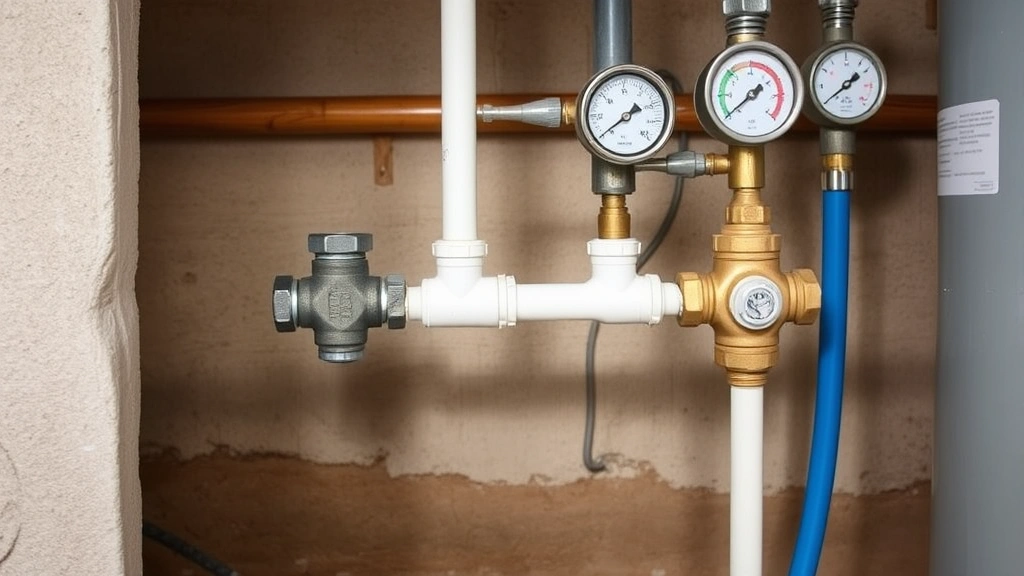
Interior Locations (Most Common): Check these areas first when searching for your main shutoff valve inside your home. The basement near the front wall where the water line enters is the most typical location. Look along the foundation wall closest to the street or where the main water line penetrates the foundation. In homes without basements, check crawl spaces, utility rooms, or near the water heater. Some homes have the shutoff in a garage, laundry room, or mechanical closet. Trace the main water line from where it enters your home—the valve should be installed within 3-5 feet of entry.
Exterior Locations: In mild climates, your main shutoff may be located outside in a meter box or valve pit. Look for a rectangular box or circular cover marked “water” or “meter” in your front yard, typically between your home and the street. You might also find it in a side yard or near your property line. Some homes have both an exterior municipal shutoff and an interior home shutoff valve.
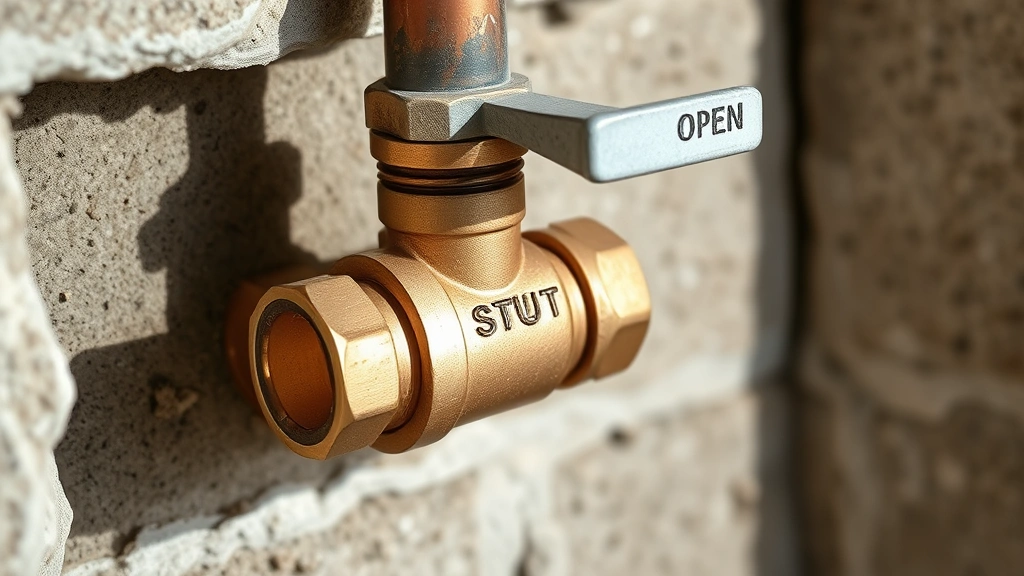
Identifying the Valve: The main shutoff valve is typically a ball valve (lever handle) or gate valve (round handle). Most modern installations use ball valves because they’re more reliable and easier to operate. The valve will have a clear handle that points in the direction of water flow when open. Look for brass or copper construction with your home’s water line running through it.
When you locate your main shutoff, mark it clearly with bright tape or a sign. Take a photo and share it with all household members and any regular service providers. Write down its location in your emergency preparedness documents.
Types of Main Water Shutoff Valves
Understanding the specific type of valve in your home is essential for proper operation. Different valve types require different techniques and have varying reliability characteristics.
Ball Valves (Preferred Modern Standard): Ball valves feature a lever handle that sits perpendicular to the water line when closed and parallel when open. This design provides quick, reliable shutoff with minimal effort. The lever makes it immediately obvious whether the valve is open or closed. Ball valves are less prone to corrosion and typically last 10-15 years or longer. When shutting off a ball valve, turn the lever 90 degrees—you’ll feel slight resistance. These valves work equally well in any orientation and don’t require regular maintenance to stay functional.
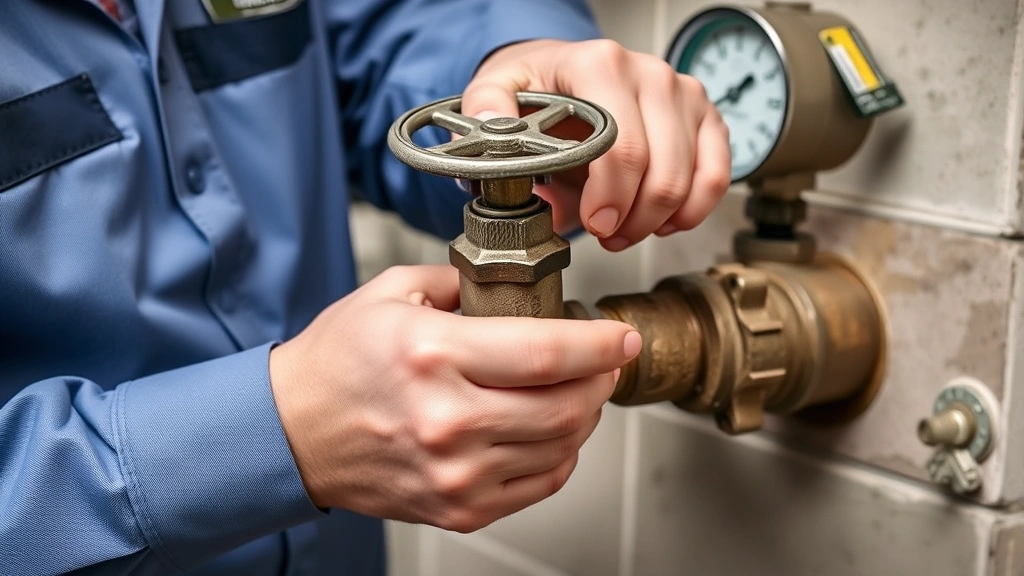
Gate Valves (Older Installations): Gate valves have a round handle that requires multiple full rotations (usually 4-8 turns) to close completely. The handle turns a screw mechanism that lowers a gate inside the valve to block water flow. These valves were standard in homes built before the 1990s. Gate valves are more prone to corrosion, mineral buildup, and jamming, especially if not used regularly. If you have a gate valve that hasn’t been operated in years, it may be stuck and require professional assistance to avoid damage. Many plumbers recommend replacing old gate valves with modern ball valves.
Angle Stops and Individual Fixture Shutoffs: Beyond the main shutoff, most fixtures have individual shutoff valves. Under sinks, you’ll find angle stop valves controlling that specific fixture. Toilet shutoffs are typically located on the wall behind or beside the toilet. Water heater shutoffs control that appliance specifically. These secondary shutoffs use the same ball or gate valve technology as main shutoffs but in smaller sizes.
The type of valve installed in your home affects your emergency response strategy. If you have an old gate valve that’s never been operated, consider having a plumber replace it with a modern ball valve before an emergency occurs.
Step-by-Step Instructions for Shutting Off Water
When you need to shut off water to your entire house, follow these precise steps to ensure complete water stoppage and prevent further damage.
Immediate Actions: First, identify the source of the water problem if possible—is it a burst pipe, overflowing toilet, or leaking appliance? If the water is actively flooding, address the immediate hazard first. Turn off electricity to affected areas if water is near electrical outlets or appliances. Alert all household members that you’re shutting off the main water.
Locating and Operating a Ball Valve: Navigate to your main shutoff location using the directions outlined above. Once you locate the ball valve with its lever handle, position yourself for comfortable operation. The lever should be perpendicular to the pipe when fully closed. Grasp the lever firmly and rotate it 90 degrees. You’ll encounter slight resistance—this is normal. Don’t force it excessively, as this can damage the valve mechanism. The valve is fully closed when the lever points perpendicular to the water line. Test by turning on a nearby faucet—water should stop flowing within seconds.
Operating a Gate Valve: For older gate valves with round handles, turn the handle clockwise (right) to close. Count the rotations as you turn—most gate valves require 4-8 complete rotations to close fully. Continue turning until you feel firm resistance; don’t force it past this point. Stop turning and test a nearby faucet to confirm water has stopped. If water continues flowing, you may need additional rotations. Gate valves are slower to operate than ball valves, but they’re equally effective when functioning properly.
After Shutting Off Water: Once the main valve is closed, open the lowest faucet in your home (typically a basement or ground-floor sink) to relieve pressure in the lines. If you have a finished basement, locate a utility sink or floor drain. This prevents pressure buildup and allows remaining water to drain from the pipes. Leave this faucet open until you’re ready to restore water service. Close all other faucets throughout the home to prevent air from entering the lines.
Document the time you shut off water and the reason. This information helps if you need to call a plumber and provides a reference point for how long water has been off.
Secondary Shutoff Points in Your Home
While the main shutoff controls all water entering your home, individual fixture shutoffs allow you to address specific problems without shutting off water to the entire house.
Toilet Shutoffs: The most common emergency requiring a partial shutoff is an overflowing or continuously running toilet. Behind or beside each toilet, you’ll find a small shutoff valve where the supply line connects. Turn this valve clockwise (right) until tight—don’t over-tighten. This stops water to that specific toilet while maintaining service elsewhere. Keep toilet shutoffs accessible and ensure all household members know their location.
Under-Sink Shutoffs: Kitchen and bathroom sinks have shutoff valves underneath, typically one for hot water and one for cold. These angle stop valves allow you to work on that sink’s plumbing without affecting other fixtures. If you’re planning home improvements that involve plumbing work, locating and testing these valves beforehand prevents emergency situations.
Water Heater Shutoff: Your water heater has its own shutoff valve on the cold water inlet line. Shutting off just the water heater is useful for maintenance or repairs. However, if you’re addressing a water heater leak, you may need to shut off the main valve as well to completely stop water flow.
Washing Machine and Dishwasher Shutoffs: These appliances have individual shutoff valves, typically located where supply lines connect. If your washing machine leaks during a cycle, quickly closing its shutoff valves prevents extensive water damage. Many water damage claims involve washing machine failures—knowing how to shut off these valves can save thousands in restoration costs.
Outdoor Hose Bibs: Hose bibs (outdoor faucets) may have individual shutoffs inside your home, typically in a basement, garage, or crawl space. In cold climates, you must shut off and drain outdoor hose bibs before winter to prevent frozen pipes. This requires both closing the interior shutoff valve and opening the exterior bibb to drain remaining water.
Common Mistakes to Avoid
Even straightforward tasks like shutting off water can go wrong if you’re not aware of common pitfalls. Understanding these mistakes helps you respond effectively during emergencies.
Forcing Stuck Valves: If your main shutoff valve won’t turn, resist the urge to force it. Excessive force can break the valve handle, damage the internal mechanism, or crack the valve body. A stuck valve indicates corrosion or mineral buildup, common with gate valves that haven’t been operated in years. Instead, call a professional plumber who has specialized tools to gently free the valve without damage. Before an emergency occurs, have an older gate valve replaced with a modern ball valve.
Forgetting to Relieve Pressure: After shutting off the main valve, many people forget to open a low faucet to relieve line pressure. This can cause problems when you reopen the valve—air in the lines creates sputtering faucets and incomplete water restoration. Always open the lowest faucet in your home and leave it open until you’re ready to restore service.
Mistaking the Water Meter Shutoff for Your Main Shutoff: Your water meter may have shutoff valves on both sides—one controlled by the municipality and one that’s your responsibility. Never shut off the municipal side (typically on the street side of the meter). Shut off only your home’s side of the meter. If you’re unsure which is which, ask your water company or have a plumber identify them.
Not Knowing Your Valve Type: Operating a gate valve like a ball valve (or vice versa) can cause damage or incomplete shutoff. Take time now to identify your valve type and understand its operation. Practice operating it during non-emergency conditions so you’re confident during an actual crisis.
Ignoring Valve Maintenance: Valves that are never operated can seize up when you need them most. Test your main shutoff annually by turning it partially closed and then back open. This keeps the mechanism free and ensures it will work when you need it. If it’s difficult to operate, have a plumber service or replace it.
Maintenance and Testing Your Shutoff Valve
Preventive maintenance on your main water shutoff valve ensures it functions reliably during emergencies. A valve that fails when you need it most compounds any water damage situation.
Annual Testing Protocol: Once yearly, preferably in spring, perform a shutoff valve test. Turn off the main valve completely, then turn it back on. This annual operation prevents corrosion and ensures the mechanism remains free. If you feel excessive resistance or the valve seems stuck, don’t force it—contact a professional plumber immediately. Document the test date and any issues you notice.
Recognizing Valve Deterioration: Signs that your main shutoff valve needs professional attention include: difficulty turning the handle, leaking from the valve body, water continuing to flow after the valve is closed, or corrosion visible on the valve exterior. Any of these issues warrant professional inspection and likely replacement. Modern ball valves are inexpensive compared to water damage costs.
Replacing an Old Gate Valve: If your home has an original gate valve from decades past, consider proactive replacement with a modern ball valve. This is one of the most cost-effective preventive measures you can take. A plumber can typically replace a main shutoff valve in under an hour. The investment is minimal compared to potential water damage.
Winterization Considerations: In cold climates, ensure your interior main shutoff is truly inside your home’s heated envelope. If it’s in an unheated area, insulate it or have a plumber relocate it to prevent freezing. Frozen shutoff valves are useless during emergencies, and the water line itself can burst if frozen.
Labeling and Documentation: Paint your shutoff valve bright blue or attach a permanent label. Create a simple diagram showing its location and share this with all household members, babysitters, and regular service providers. Include it in your emergency preparedness documents. In a crisis, family members should be able to quickly locate and operate the valve without searching or calling for instructions.
When to Call a Professional Plumber
While shutting off water is straightforward, certain situations require professional plumbing expertise. Knowing when to call a plumber prevents damage and ensures proper resolution.
Stuck or Non-Functional Valves: If your main shutoff won’t turn or doesn’t stop water flow, immediately contact a plumber. Attempting to force a stuck valve risks breaking it completely, leaving you without any shutoff capability. Professional plumbers have tools and experience to safely address stuck valves or replace them if necessary.
Persistent Water Flow After Shutoff: If you’ve correctly closed the main valve but water continues flowing, this indicates a serious problem—possibly a check valve failure or internal valve damage. This requires professional diagnosis and repair. Don’t assume the valve is working if water doesn’t stop; investigate the cause.
Valve Replacement: If your valve is old, corroded, or unreliable, have a professional plumber replace it. This is affordable insurance against water damage emergencies. A new ball valve installation typically costs $150-300, a small price for reliable water shutoff capability.
Complex Plumbing Emergencies: Once you’ve shut off the main water, if the problem persists (water still visible, damage still occurring), call a plumber immediately. You’ve done your part by stopping water entry; now professionals can diagnose the underlying issue and implement repairs.
According to the International Code Council, all residential properties must have accessible main water shutoff valves meeting specific standards. If your home doesn’t have a functional main shutoff meeting current codes, this is a serious deficiency worth addressing through professional installation.
FAQ
How quickly should water stop after I shut off the main valve?
With a properly functioning ball valve, water should stop flowing within 5-10 seconds. If water continues flowing after 30 seconds, the valve may not be fully closed or may have internal damage. Gate valves take slightly longer but should still stop flow within 15-20 seconds. Persistent flow indicates a problem requiring professional attention.
What if I can’t find my main water shutoff valve?
Contact your water company—they can tell you the location and may even mark it for you. Check your home’s inspection report or closing documents from purchase, as these often document utility locations. If your home is very old or you’ve recently moved, a professional plumber can locate and test the valve, then mark it clearly for future reference.
Can I shut off water at the water meter instead of at my main shutoff valve?
Your water meter typically has valves on both sides. The municipal side (toward the street) should never be touched—that’s the water company’s responsibility. Your home’s shutoff is typically on the house side of the meter. If there are two valves and you’re unsure which is yours, ask your water company or have a plumber identify them. Using the wrong valve can result in utility company issues.
Should I shut off water before leaving town for an extended period?
This depends on your home’s condition and your risk tolerance. If your home is well-maintained and you’re confident in your plumbing, leaving the valve open is fine. However, if you have older pipes, known leaks, or you’ll be gone for weeks, shutting off the main valve prevents potential damage from undetected leaks. Many homeowners shut off water when away for more than a week.
What’s the difference between the main shutoff valve and individual fixture shutoffs?
The main shutoff controls all water entering your home. Individual fixture shutoffs (under sinks, behind toilets, etc.) control water to specific fixtures. Use individual shutoffs for localized problems—like a leaking toilet—to maintain water service elsewhere. Use the main shutoff for major emergencies, burst pipes, or when doing extensive plumbing work. Understanding both systems gives you maximum control and flexibility.
How often should I test my main water shutoff valve?
Test your main shutoff valve at least once annually. Many plumbers recommend testing during spring as part of seasonal maintenance. This annual operation prevents the valve from seizing and ensures it functions when needed. If you haven’t operated your valve in years, have a professional plumber test and service it first to avoid damage from corrosion.
What should I do if my main shutoff valve is leaking?
A leaking shutoff valve indicates internal damage or seal failure. While the valve may still function, it’s deteriorating and could fail completely when you need it most. Contact a plumber to replace the valve. Don’t wait—this is one of those preventive measures that’s far cheaper than dealing with water damage from a failed valve.


