
To the Right Of in Spanish: Builder’s Guide for Construction Communication
When working on construction projects, especially in multilingual environments or with Spanish-speaking contractors, precision in spatial communication becomes critical for safety and accuracy. Understanding how to say “to the right of” in Spanish is fundamental for anyone involved in DIY building projects, home renovations, or professional construction work. This guide explores the essential Spanish phrases used on job sites, in blueprints, and during collaborative building efforts.
The phrase “to the right of” in Spanish translates primarily to “a la derecha de” or “al lado derecho de.” However, construction terminology extends beyond simple translations. Builders, architects, and construction teams use specific spatial language to ensure precise positioning of materials, measurements, and structural elements. Misunderstanding directional terms can lead to costly mistakes, safety hazards, and project delays.
This comprehensive guide covers Spanish directional terminology used in construction, practical applications for DIY projects, and how to communicate effectively with Spanish-speaking team members. Whether you’re managing a basement finishing project or coordinating with contractors, mastering these terms ensures smoother communication and better project outcomes.
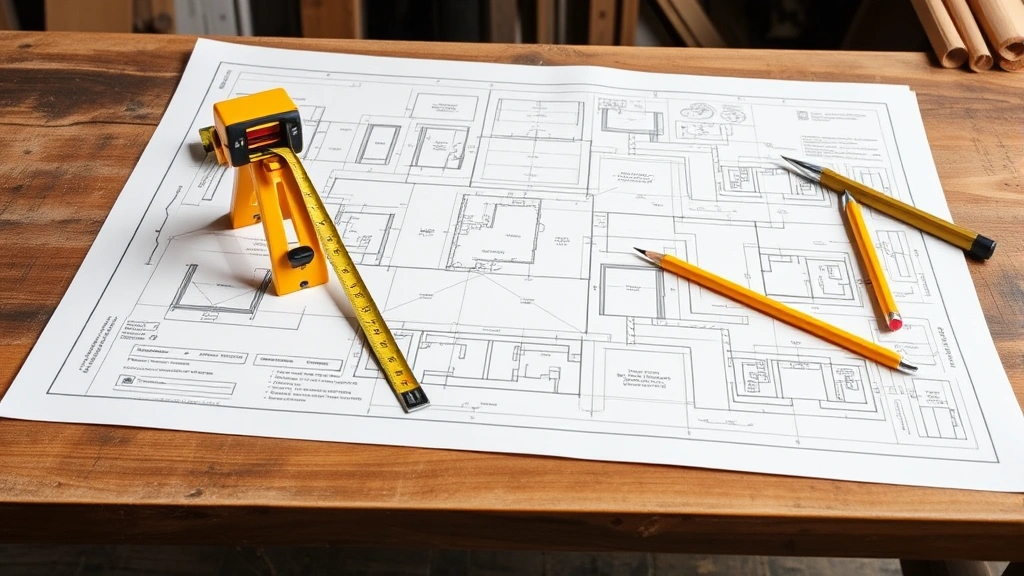
Spanish Directional Terms for Construction
Spanish directional terminology forms the foundation of construction communication. The primary phrase “a la derecha de” literally translates to “at the right of” and represents the most commonly used expression on Spanish-language construction sites. When you need to specify that something should be positioned to the right of a reference point, this phrase provides clarity and precision.
“Al lado derecho de” offers an alternative phrasing that emphasizes “at the right side of,” often used when describing larger spatial relationships or when additional clarity is needed. Both phrases are equally valid, though “a la derecha de” appears more frequently in formal construction documentation and blueprints.
Understanding the complete directional vocabulary ensures comprehensive communication:
- A la izquierda de – To the left of (opposite direction)
- Enfrente de – In front of (forward positioning)
- Detrás de – Behind (rear positioning)
- Encima de – Above or on top of (vertical positioning)
- Debajo de – Below or underneath (lower positioning)
- Al lado de – Beside or next to (adjacent positioning)
- En el medio de – In the middle of (central positioning)
- En la esquina – In the corner (angular positioning)
These directional terms work together to create a comprehensive spatial language system. When combined with specific measurements and reference points, they provide the precision necessary for accurate construction work. For instance, when positioning electrical outlets during home security system installation, specifying “a la derecha de la puerta” (to the right of the door) establishes a clear, unambiguous location.
Common Construction Phrases and Usage
Construction sites employ specific phrase structures that combine directional terms with measurements and reference points. Understanding these common phrases accelerates communication and reduces errors. Contractors use standardized expressions to convey complex spatial relationships quickly and accurately.
“Coloca esto a la derecha de la ventana” means “Place this to the right of the window” and represents a fundamental instruction structure used across construction teams. This phrase combines an imperative verb, an object, and a directional phrase with a reference point. Breaking down this structure helps builders understand the pattern used in most construction communication.
Another essential phrase, “Mide dos metros a la derecha de la esquina,” translates to “Measure two meters to the right of the corner.” This combines measurement specifications with directional language, creating precise positioning instructions. The word “mide” (measure) appears frequently in construction contexts, often paired with directional terms.
When discussing positioning relative to existing structures, builders use phrases like “a la derecha del muro” (to the right of the wall) or “a la derecha de la viga” (to the right of the beam). These references anchor spatial instructions to permanent or semi-permanent structural elements, ensuring consistency across the project.
Communication protocols on job sites often require confirmation of understanding. Phrases like “¿Está claro?” (Is that clear?) or “¿Entiendes?” (Do you understand?) help verify that directional instructions have been properly received and interpreted. Safety-conscious builders always confirm critical positioning before proceeding with work.
For DIY builders collaborating with Spanish-speaking contractors or following Spanish-language instructions, practicing these phrases improves project coordination. Recording common phrases and their usage patterns creates a personal reference guide for ongoing projects.
Spatial Positioning in Blueprint Reading
Blueprints and construction drawings utilize standardized directional conventions that transcend language barriers. However, understanding Spanish terminology for reading Spanish-language blueprints or communicating about blueprint specifications remains essential. Professional builders frequently encounter construction documents prepared by Spanish-speaking architects and engineers.
Blueprint annotations often include directional indicators alongside measurements. A note reading “Instalar a la derecha de la línea de centro” instructs installers to position elements to the right of a centerline. Centerlines serve as primary reference points in construction drawings, providing neutral starting positions from which measurements extend in both directions.
Understanding coordinate systems enhances blueprint reading proficiency. Many construction documents employ grid systems where directions reference both horizontal and vertical axes. The term “eje” (axis) appears frequently in technical Spanish construction documentation. References like “a la derecha del eje A” (to the right of axis A) establish positions within these systematic grids.
Elevation drawings, which show vertical positioning, use directional terms differently than plan views. In elevation drawings, “a la derecha” still indicates horizontal positioning to the right, while “arriba” (above) and “abajo” (below) describe vertical positioning. Combining these terms accurately interprets three-dimensional spatial relationships from two-dimensional drawings.
Professional construction documents prepared according to architectural standards and guidelines maintain consistent directional conventions. Learning these standardized approaches to spatial notation ensures that builders can navigate Spanish-language technical documents with confidence and accuracy.
When examining blueprints with Spanish annotations, identifying the reference points first simplifies interpretation. Whether the reference is a wall, a column, a centerline, or an existing structure, establishing this baseline allows subsequent directional terms to create clear mental images of required positioning.
Safety Communication on Job Sites
Safety in construction depends critically on clear communication. Misunderstandings about positioning, especially regarding load-bearing elements or hazardous areas, can result in serious injuries or project failures. Spanish-language safety communication requires precise directional terminology combined with appropriate safety vocabulary.
When directing team members away from hazards, clarity becomes paramount. Instructions like “Manténte a la izquierda, no a la derecha” (Stay to the left, not to the right) prevent workers from entering dangerous zones. Hazard areas, whether involving power tools, electrical work, or structural instability, demand unambiguous directional communication.
Scaffolding and elevated work require meticulous attention to positioning. Phrases such as “Coloca los soportes a la derecha de las vigas principales” (Place supports to the right of the main beams) ensure proper weight distribution and structural integrity. Improper positioning of support elements creates dangerous conditions and structural risks.
Emergency situations demand rapid, clear communication. Builders should practice phrases like “¡Aléjate a la derecha!” (Move to the right!) to ensure immediate response to dangerous situations. Emergency directional communication often uses shortened, emphatic forms to cut through noise and confusion on active job sites.
Personal protective equipment (PPE) zones often have designated positioning. Instructions establishing where workers should stand during specific operations combine directional terminology with safety protocols. “Todos a la derecha de la línea roja” (Everyone to the right of the red line) establishes safe zones during potentially hazardous operations.
Regular safety briefings should include directional terminology and situational applications. Workers who understand how directional terms apply to specific hazards respond more effectively to safety instructions. Training programs that incorporate Spanish-language directional communication improve overall site safety for multilingual teams.
Practical Examples for DIY Builders
DIY builders undertaking projects like woodworking projects or structural modifications often work with Spanish-language plans or collaborate with Spanish-speaking consultants. Practical applications of directional terminology help builders execute projects accurately.
Example 1: Door Installation – When installing a new interior door, positioning the door frame correctly determines functionality and aesthetics. Instructions might read: “Instala el marco de la puerta a la derecha de la pared, a 30 centímetros de la esquina.” This specifies both direction and exact measurement, ensuring precise placement. Understanding this instruction prevents costly repositioning.
Example 2: Electrical Outlet Placement – Building codes specify electrical outlet spacing and positioning. An instruction like “Coloca los tomacorrientes a la derecha de cada ventana, a 15 centímetros del marco” establishes both directional and dimensional requirements. Proper outlet positioning improves functionality and maintains code compliance.
Example 3: Shelving Installation – When mounting shelves or storage systems, directional accuracy affects both appearance and weight distribution. Instructions such as “Instala los soportes a la derecha de la marca central” ensure symmetrical, balanced installations. Proper support positioning prevents shelf failure and maintains safety.
Example 4: Staircase Construction – Stair construction involves complex spatial relationships. Instructions might specify: “Coloca los soportes a la derecha de cada escalón, paralelos al muro.” This directional guidance, combined with measurements, ensures proper stair structure and safety.
Example 5: Framing Work – When framing walls or partitions, directional references guide stud placement. Instructions like “Coloca los postes a la derecha de la línea de tiza” establish precise positioning for structural integrity. Accurate framing positioning ensures plumb walls and proper load distribution.
These practical examples demonstrate how directional terminology translates to actionable construction work. DIY builders who understand these applications can confidently execute projects using Spanish-language instructions or communicate effectively with Spanish-speaking consultants.
Advanced Positioning Terminology
Beyond basic directional phrases, construction professionals employ advanced spatial terminology for complex positioning scenarios. Mastering these terms elevates communication precision and enables discussion of sophisticated construction challenges.
“Perpendicular a” (perpendicular to) describes positioning at right angles to a reference element. This term appears frequently when positioning elements relative to walls or structural members. “Coloca las vigas perpendiculares a la viga maestra” (Place beams perpendicular to the master beam) establishes the angular relationship necessary for proper structural design.
“Paralelo a” (parallel to) specifies positioning alongside existing elements without angular deviation. Instructions like “Instala el cable paralelo a la pared” (Install the cable parallel to the wall) ensure proper alignment and appearance. Parallel positioning often provides aesthetic benefits alongside functional advantages.
“En ángulo de 45 grados” (at a 45-degree angle) describes diagonal positioning for specific applications. Bracing, trim work, and decorative elements sometimes require angular positioning. Understanding how to communicate these angular relationships prevents misinterpretation.
“A una distancia de” (at a distance of) combines directional language with specific measurements. “Coloca el poste a una distancia de dos metros a la derecha de la esquina” establishes both direction and precise measurement. This phrasing provides absolute clarity for critical positioning.
Advanced terminology also includes relative positioning terms. “Entre” (between) specifies positioning within defined boundaries. “Instala los soportes entre los dos muros, a la derecha del centro” establishes positioning within constraints while maintaining directional specificity.
Vertical positioning terminology complements horizontal directional terms. “A la altura de” (at the height of) combines vertical and horizontal positioning. “Coloca el interruptor a la derecha de la puerta, a la altura de 1.5 metros” establishes complete three-dimensional positioning using combined directional and dimensional language.
Professional builders understand how to layer these advanced terms to communicate complex spatial requirements. Training in advanced positioning terminology enables participation in sophisticated construction projects and collaboration with international building teams.
FAQ
What is the most common way to say “to the right of” in Spanish construction?
“A la derecha de” represents the most commonly used phrase in Spanish construction terminology. This expression appears consistently in construction documents, job site instructions, and professional communications. Alternative phrasing like “al lado derecho de” conveys the same meaning but with slightly different emphasis. Both phrases are universally understood by Spanish-speaking construction professionals.
How do I give positioning instructions to Spanish-speaking construction workers?
Effective positioning instructions combine directional terms with clear reference points and specific measurements. Start with the reference point, then add the directional term, followed by measurements when applicable. For example: “Coloca esto a la derecha de la ventana, a 30 centímetros del marco.” Always confirm understanding by asking “¿Está claro?” or requesting the worker repeat the instruction back to you.
What reference points work best for construction positioning?
The most reliable reference points are permanent or semi-permanent structural elements: walls, doors, windows, columns, beams, and centerlines. These fixed references ensure consistent positioning regardless of who interprets the instructions. Avoid using temporary elements or items that might be relocated during construction. Established reference points maintain accuracy throughout project phases.
How do directional terms differ between blueprint reading and verbal instructions?
The directional terminology remains consistent between blueprints and verbal communication. However, blueprints include additional context through visual representation, measurements, and standardized symbols. Verbal instructions require more explicit reference points and confirmation of understanding since workers cannot visualize the complete context. Both methods use identical directional language but different supporting information.
Are there regional variations in Spanish construction terminology?
While core directional terminology remains consistent across Spanish-speaking regions, some regional variations exist in colloquial expressions or specialized terminology. “A la derecha de” is universally understood, but workers from different regions might use slightly different phrasing for specific applications. When working with international teams, confirming terminology at project start prevents misunderstandings. Professional construction standards maintain consistency across regions.
How can DIY builders improve their Spanish construction vocabulary?
Consistent practice with construction-specific phrases builds proficiency rapidly. Create flashcards with common phrases and their English translations, review them regularly, and practice using phrases in context. Watch Spanish-language construction videos, read Spanish construction documentation, and practice communicating with Spanish-speaking consultants. Building vocabulary through repeated, contextual use ensures retention and practical application. Join the DIY building community to access additional resources and connect with bilingual builders.
What safety considerations apply to Spanish-language directional communication?
Safety communication requires absolute clarity and confirmation of understanding. Never assume workers have understood directional instructions, especially regarding hazardous areas or structural safety. Use simplified language for emergency situations, practice emergency phrases in advance, and establish clear communication protocols for your team. Always confirm critical safety instructions, and consider using visual markers alongside verbal directions for high-risk positioning scenarios.
How do coordinate systems work in Spanish construction blueprints?
Spanish construction blueprints typically use grid coordinate systems identical to those in English-language documents. References like “eje A” (axis A) or “línea 1” (line 1) establish grid positions. Directional terms like “a la derecha del eje B” (to the right of axis B) specify positions within these grids. Understanding how to read coordinates and combine them with directional terminology enables accurate blueprint interpretation regardless of the language used for annotations.


