
Sprained Wrist Recovery: Expert Timeline Guide
A wrist sprain is one of the most common injuries affecting DIY enthusiasts and homeowners during renovation projects. Whether you’ve twisted your wrist while installing drywall, working on basement finishing tasks, or handling power tools, understanding the healing timeline is crucial for proper recovery and preventing long-term complications. The duration of wrist sprain recovery varies significantly based on the severity of the injury, ranging from a few weeks for mild sprains to several months for severe cases.
Many people underestimate the importance of proper wrist care during the healing process, especially when they’re eager to return to their woodworking projects or home improvement work. However, rushing recovery can lead to chronic instability, recurring injuries, and long-term weakness. This comprehensive guide breaks down the wrist sprain healing timeline by grade, explains what happens during each recovery phase, and provides evidence-based recommendations for optimizing your return to normal activities.
Understanding Wrist Sprains and Grading
A wrist sprain occurs when the ligaments supporting your wrist joint are stretched or partially torn. The wrist contains numerous ligaments that provide stability and enable the complex range of motion required for daily activities and skilled work. When you experience a sudden twisting motion—common when using hand tools or losing balance on a ladder—these ligaments can be damaged.
Medical professionals classify wrist sprains into three grades based on severity:
- Grade 1 (Mild): Ligament fibers are stretched but not torn. Symptoms include mild pain, minimal swelling, and preserved range of motion. You typically retain most functional ability.
- Grade 2 (Moderate): Partial ligament tear with moderate pain, noticeable swelling, and reduced range of motion. Functional limitations are significant, and bruising often appears.
- Grade 3 (Severe): Complete ligament tear or multiple ligament injuries. Severe pain, substantial swelling, significant bruising, and marked functional loss characterize this grade. The wrist may feel unstable.
Accurate grading requires professional medical evaluation. An emergency room physician or orthopedic specialist can perform physical examination tests and may order imaging studies like X-rays or MRI scans to assess ligament damage and rule out fractures. This is particularly important because wrist fractures often accompany sprains and require different treatment approaches.
Healing Timeline by Severity Grade
The time required for a sprained wrist to heal depends primarily on the injury grade, though individual factors like age, overall health, and adherence to treatment protocols influence outcomes.
Grade 1 Sprain Timeline: Most mild sprains heal within 2 to 4 weeks. During the first week, you’ll experience the most significant pain and swelling. By week two, symptoms typically decrease substantially. Many people can return to modified activities by week three, though complete healing may take an additional week or two. However, residual weakness can persist for several weeks after symptom resolution.
Grade 2 Sprain Timeline: Moderate sprains generally require 4 to 8 weeks for complete healing. The first two weeks involve significant pain management and immobilization. Weeks three and four focus on gentle range-of-motion exercises. By week five or six, progressive strengthening begins. Full functional recovery often takes 8 weeks or longer, particularly for individuals who must use their wrists for demanding tasks.
Grade 3 Sprain Timeline: Severe sprains typically require 8 to 12 weeks minimum for adequate healing, with some cases requiring 4 to 6 months for complete recovery. The first 3 to 4 weeks involve strict immobilization, often with a cast or specialized brace. Subsequent weeks gradually introduce controlled movement and physical therapy. Many severe sprains benefit from professional rehabilitation to restore full strength and proprioception.
These timelines represent typical cases, but individual variation is substantial. Factors affecting healing speed include age (younger individuals generally heal faster), previous wrist injuries, occupation demands, adherence to treatment protocols, and overall health status.
Recovery Phases and What to Expect
Understanding the distinct phases of wrist sprain recovery helps you maintain realistic expectations and follow appropriate activity guidelines for each stage.
Phase 1: Acute Inflammation (Days 1-7)
The first week following injury is characterized by intense inflammatory response. Swelling peaks around 24 to 48 hours post-injury. Pain is typically most severe during this phase. Following the RICE protocol—Rest, Ice, Compression, and Elevation—is essential. Rest means avoiding movements that cause pain or increase swelling. Apply ice for 15 to 20 minutes every 2 to 3 hours for the first 48 to 72 hours. Compression with an elastic bandage reduces swelling. Elevation above heart level decreases fluid accumulation.
During this phase, immobilization with a brace or splint is standard. Over-the-counter pain relievers like ibuprofen can manage discomfort and reduce inflammation. Many people find that sleeping with the wrist elevated on pillows helps control overnight swelling. Avoid any gripping, twisting, or forceful movements. If you’re working on home security projects or other tasks, postpone them entirely during this phase.
Phase 2: Early Healing (Weeks 2-4)
By the second week, acute inflammation subsides, though swelling and pain persist. This phase focuses on gradual motion restoration while maintaining protection. Your healthcare provider may recommend specific range-of-motion exercises, typically gentle wrist flexion, extension, and rotation performed within pain-free ranges. These exercises prevent stiffness and maintain muscle activation.
Continue wearing your brace or splint, particularly during activities. Ice application may continue if swelling persists, though frequency typically decreases. Gradually reduce pain medication as symptoms improve. Begin using the wrist for light activities like eating or typing, but avoid forceful gripping or repetitive motions. Bruising typically appears or becomes more visible during this phase as the body reabsorbs blood from damaged tissues.
Phase 3: Progressive Strengthening (Weeks 4-8)
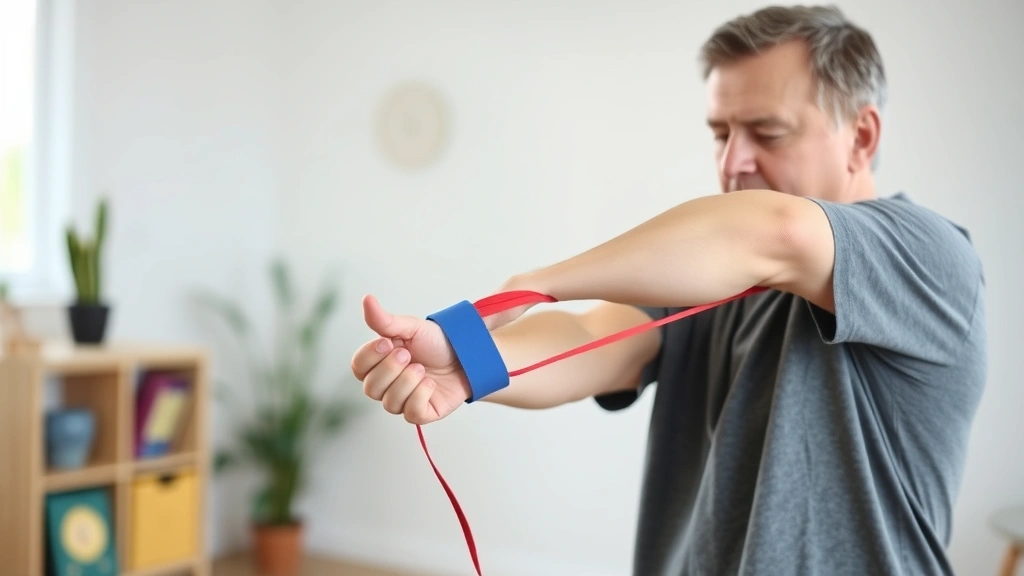
As pain and swelling significantly decrease, progressive strengthening exercises become the focus. This phase typically begins around week four for mild sprains and week six for moderate sprains. Exercises progress from passive range-of-motion (therapist-assisted) to active range-of-motion (self-performed) to active-resistive exercises using light resistance.
Common strengthening exercises include wrist flexion and extension against resistance, radial and ulnar deviation (side-to-side motion), and pronation and supination (rotating forearm). A physical therapist can design a progressive program tailored to your specific injury and functional goals. Proprioceptive training—exercises that improve balance and position sense—becomes increasingly important during this phase.
You may gradually increase activity levels, though returning to demanding tasks should progress slowly. If you’re eager to resume pallet projects or similar work, discuss specific activity modifications with your healthcare provider.
Phase 4: Return to Function (Weeks 8-12 and Beyond)
This phase emphasizes sport-specific or task-specific training to prepare for full activity resumption. For DIY enthusiasts, this means gradually reintroducing the specific motions and loads associated with your projects. If your injury occurred during carpentry work, progressive exposure to hammering, driving screws, and other carpentry motions occurs during this phase.
Continue strengthening and proprioceptive exercises, though intensity and complexity increase. Many people benefit from taping or bracing during early return-to-activity phases to provide additional support and confidence. Full clearance for unrestricted activities typically comes after successful completion of functional activities without pain or swelling increase.
Effective Management Strategies
Optimizing your recovery requires implementing evidence-based management strategies throughout the healing process.
Immobilization and Bracing
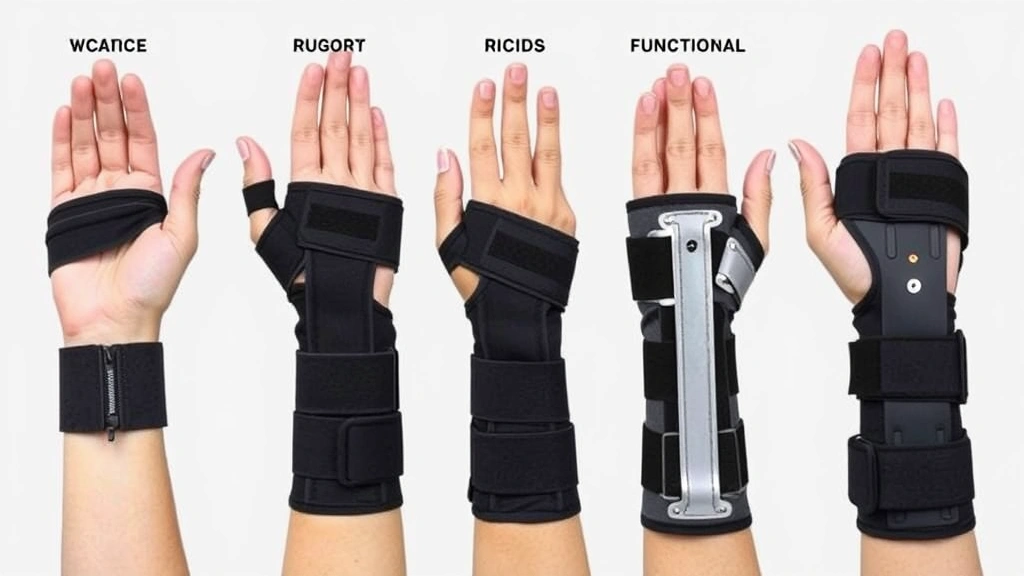
Appropriate immobilization is crucial during early healing. Options range from simple elastic bandages to rigid casts, depending on severity. Grade 1 sprains often respond well to soft bracing or strapping, while Grade 2 and 3 sprains typically require more rigid immobilization. Bracing provides pain relief, reduces swelling, and protects healing ligaments from re-injury. Modern braces offer varying levels of support and flexibility, allowing you to choose based on your functional needs.
Physical Therapy and Rehabilitation
Professional physical therapy significantly improves outcomes, particularly for moderate to severe sprains. A physical therapist can provide personalized exercise programs, manual therapy techniques, and functional training. They assess your specific limitations and design progressive programs that restore strength, flexibility, and proprioception. Research from the American Physical Therapy Association demonstrates that structured rehabilitation reduces recurrent injury rates and improves long-term outcomes.
Pain Management Approaches
While over-the-counter nonsteroidal anti-inflammatory drugs (NSAIDs) are commonly used, several complementary approaches provide pain relief. Ice application, compression, and elevation reduce pain through decreased swelling and inflammation. Some individuals benefit from heat therapy after the acute phase when swelling has resolved. Transcutaneous electrical nerve stimulation (TENS) units provide temporary pain relief for some people. Your healthcare provider can recommend appropriate pain management strategies for your specific situation.
Nutritional Support for Healing
Adequate nutrition supports tissue repair and inflammation management. Protein intake is particularly important for ligament healing, as ligaments are primarily composed of collagen protein. Omega-3 fatty acids from fish, flaxseeds, and walnuts have anti-inflammatory properties. Vitamin C supports collagen synthesis, while zinc is essential for tissue healing. Staying well-hydrated supports all physiological processes involved in recovery.
Returning to DIY and Work Activities
Returning to your projects and work activities requires a gradual, systematic approach to prevent re-injury and setbacks. Premature return to full activity is among the most common causes of prolonged recovery and chronic wrist problems.
Gradual Return Framework
Begin with light activities that require minimal wrist force or motion. Progress to moderate activities as tolerated, then to full-demand activities. Each progression should occur without pain increase or swelling return. If symptoms worsen, return to the previous activity level and progress more slowly.
For those working on DIY car repairs or similar tasks, break work into shorter sessions with frequent rest periods. A common recommendation is the 2-hour rule: avoid any single activity lasting longer than 2 hours during early return-to-work phases. Rest periods between sessions allow tissues to recover without excessive inflammatory response.
Activity Modification Techniques
Modify activities to reduce wrist stress during recovery. Use ergonomic tools designed to minimize wrist deviation. Maintain neutral wrist positioning during tasks—avoid excessive bending, twisting, or deviation. Consider using adaptive equipment or modifications to reduce demands on the healing wrist. For example, using power tools instead of hand tools reduces manual gripping force requirements.
Bracing During Activity Return
Continue wearing appropriate bracing during activities, even after pain resolves. A supportive brace provides proprioceptive feedback, prevents excessive motion, and offers psychological reassurance. Many athletes and active individuals continue using braces long-term for injury prevention. Several types of wrist braces serve different purposes: some restrict motion, others provide compression and support while allowing functional movement, and others offer minimal restriction while providing proprioceptive feedback.
Preventing Long-Term Complications
Proper management significantly reduces the risk of complications that can extend recovery or cause chronic problems.
Chronic Wrist Instability
Inadequately healed sprains can result in chronic instability, where the wrist feels weak or unstable during normal activities. This occurs when ligaments heal with excessive laxity or when rehabilitation is incomplete. Comprehensive rehabilitation emphasizing proprioceptive training and functional strengthening prevents this complication. The American Academy of Orthopaedic Surgeons emphasizes the importance of complete rehabilitation to prevent chronic instability.
Complex Regional Pain Syndrome
Though uncommon, complex regional pain syndrome (CRPS) can develop after wrist sprains. This condition involves disproportionate pain, swelling, and functional limitation. Early recognition and aggressive treatment improve outcomes. Warning signs include severe pain not proportionate to injury severity, significant swelling, skin color or temperature changes, and functional loss exceeding expected recovery timeline. Seek medical attention if these symptoms develop.
Recurrent Sprains
Previous sprains increase re-injury risk, with some studies suggesting 70% of people with previous ankle or wrist sprains experience recurrence. Comprehensive rehabilitation emphasizing proprioceptive training and progressive strengthening reduces recurrence risk. Continued use of preventive bracing during high-risk activities provides additional protection.
Post-Traumatic Arthritis
Significant wrist sprains, particularly those involving cartilage damage, can increase post-traumatic arthritis risk. While this typically develops years after injury, proper healing and rehabilitation may reduce risk. Maintaining wrist strength and flexibility throughout life supports long-term joint health.
FAQ
Can I work with a sprained wrist?
This depends on injury severity and job demands. Grade 1 sprains may allow modified work after 1 to 2 weeks, while Grade 2 and 3 sprains typically require several weeks of reduced activity. Desk work with minimal wrist demands may resume sooner than physically demanding tasks. Always follow your healthcare provider’s recommendations before returning to work.
How do I know if my sprain is healing properly?
Proper healing is indicated by progressive pain reduction, decreasing swelling, improving range of motion, and gradually increasing functional capacity. Symptoms should follow the expected timeline for your injury grade. If pain increases, swelling returns, or functional improvement plateaus, contact your healthcare provider to assess for complications.
Should I see a specialist for my wrist sprain?
Most Grade 1 sprains can be managed by primary care physicians. Grade 2 sprains often benefit from orthopedic evaluation. Grade 3 sprains should be evaluated by an orthopedic specialist to assess for surgical indications. Additionally, if symptoms aren’t improving as expected or complications develop, specialist evaluation is appropriate.
Can physical therapy speed up healing?
While physical therapy cannot fundamentally speed tissue healing, it optimizes healing conditions and accelerates functional recovery. A well-designed rehabilitation program reduces pain, restores motion and strength more quickly, and improves overall outcomes. Research supports the role of physical therapy in improving recovery trajectories.
What’s the difference between a sprain and a strain?
A sprain involves ligament injury, while a strain involves muscle or tendon injury. While similar in appearance and initial management, they involve different tissue types and may have different recovery timelines. Proper diagnosis is important for appropriate treatment planning.
Will my wrist ever be as strong as before?
With appropriate rehabilitation, most people achieve complete functional recovery and regain pre-injury strength. However, some individuals experience residual weakness or instability, particularly with severe sprains or incomplete rehabilitation. Long-term proprioceptive training and strength maintenance help prevent chronic problems.
How can I prevent wrist sprains during DIY projects?
Prevention strategies include using proper technique, maintaining appropriate grip strength and wrist conditioning, wearing protective gear when appropriate, using ergonomic tools, and maintaining awareness during potentially risky activities. Warm-up before activities and avoid fatigue-related loss of control. Those with previous wrist injuries should consider preventive bracing during high-risk activities.
For more information on preventing injuries during your projects, explore our DIY Nests Hub Blog for comprehensive safety guidance and project-specific recommendations.
Understanding your wrist sprain’s healing timeline empowers you to make informed decisions about activity progression and recovery expectations. While the timeline varies based on injury severity, consistent adherence to treatment protocols and gradual activity progression significantly optimize your recovery. Most importantly, resist the temptation to rush recovery—proper healing now prevents chronic problems and complications that could affect your ability to perform DIY projects and daily activities for years to come.


