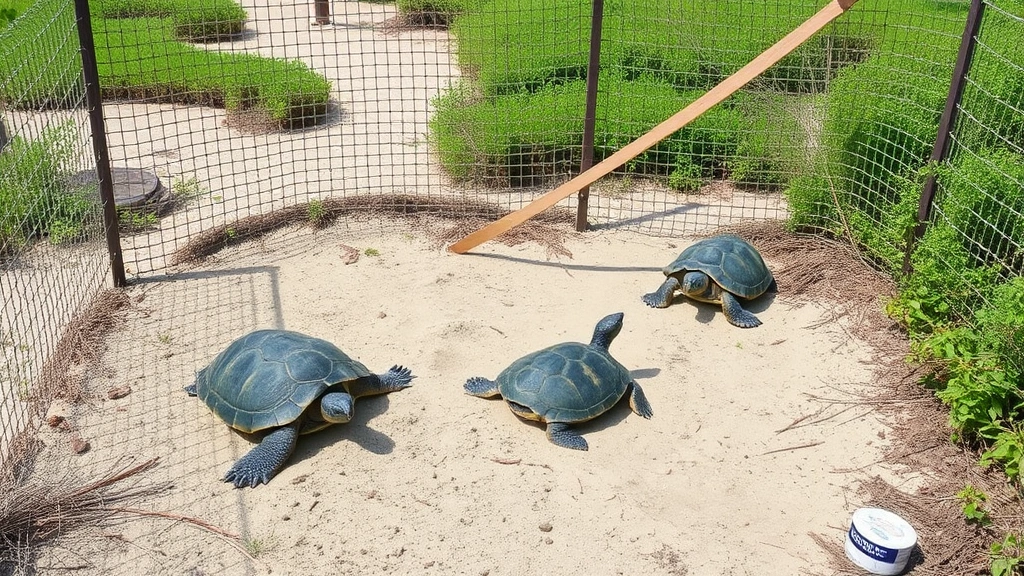
Build a Turtle Sanctuary: Expert Timing Tips for Egg Hatching
Creating a thriving turtle sanctuary requires understanding the complete lifecycle of these remarkable reptiles, particularly the critical incubation period. Whether you’re establishing a backyard habitat or a dedicated breeding facility, knowing how long turtle eggs take to hatch is essential for proper planning, construction, and environmental management. This comprehensive guide explores the timing, construction requirements, and best practices for building a sanctuary that supports healthy turtle reproduction and development.
The incubation period for turtle eggs varies significantly depending on species, temperature, and humidity conditions. Most freshwater turtle eggs require 60 to 120 days to hatch, while some species may take up to 18 months in cooler climates. Understanding these timelines helps you design appropriate infrastructure, including incubation chambers, temperature control systems, and nesting areas. This article provides expert insights into creating a functional turtle sanctuary from the ground up.
Turtle Egg Incubation Timeline: Species-Specific Duration
The incubation period for turtle eggs is not universal—it depends heavily on the specific species you’re working with. Red-eared slider turtles, one of the most commonly kept species, typically hatch within 60 to 90 days under optimal conditions. Box turtles, popular in terrestrial sanctuaries, require 70 to 120 days, while painted turtles may take 90 to 120 days. Snapping turtles present a unique challenge, often requiring 80 to 120 days or even overwintering periods lasting 150 to 180 days.
Temperature plays the most critical role in determining hatch time. Warmer temperatures (around 80-84°F) typically result in faster incubation and produce predominantly female hatchlings in many species. Cooler temperatures (75-78°F) slow development and tend to produce more males. Understanding the sex determination mechanism for your target species is crucial for sanctuary planning, as it affects population dynamics and long-term breeding success.
The geographic origin of your turtles also matters. Temperate zone species adapted to cooler climates may require longer incubation periods than tropical species. Some species exhibit temperature-dependent sex determination (TSD), making temperature control not just about speed but about maintaining genetic diversity in your sanctuary population. Consulting U.S. Fish and Wildlife Service guidelines ensures you’re following proper protocols for your specific species.
Temperature and Humidity: The Foundation of Successful Hatching
Creating the right microclimate inside your incubation chambers is absolutely fundamental to successful turtle egg hatching. Most turtle eggs require consistent temperatures between 75°F and 86°F, with 80°F being optimal for many species. Temperature fluctuations greater than 2-3 degrees can stress developing embryos and increase mortality rates. This precision requirement means your sanctuary needs reliable heating systems, ideally with redundancy to prevent catastrophic losses.
Humidity levels are equally important and often overlooked by novice sanctuary builders. Turtle eggs require humidity levels between 80% and 90% throughout the incubation period. Too-dry conditions cause the egg to lose moisture too quickly, while excessive moisture can promote fungal growth and bacterial infections. A well-designed incubation substrate—typically a mixture of peat moss, coconut husk, and sand—maintains proper moisture retention while allowing necessary gas exchange.
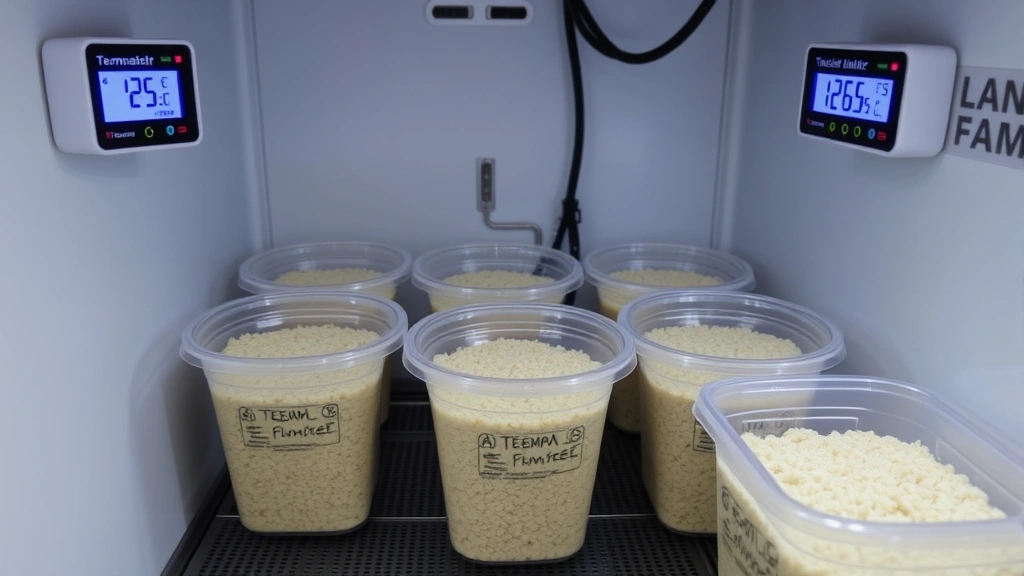
Installing quality thermostats and hygrometers is non-negotiable. Digital monitoring systems with alarm capabilities alert you to dangerous deviations before they threaten your clutches. Many modern setups include automated systems that trigger heating elements or humidifiers when parameters drift outside acceptable ranges. When planning your sanctuary, budget for professional-grade equipment rather than consumer-grade alternatives, as the stakes are too high for budget compromises.
Ventilation within incubation chambers must allow gas exchange without creating temperature or humidity fluctuations. Eggs require adequate oxygen, and carbon dioxide buildup can prove fatal to developing embryos. Proper airflow design prevents these issues while maintaining environmental stability. This balance between ventilation and climate control represents one of the primary engineering challenges in sanctuary construction.
Designing Your Sanctuary Infrastructure
Building a comprehensive turtle sanctuary requires thoughtful planning across multiple functional zones. Your facility should include separate areas for adult turtle housing, nesting grounds, incubation chambers, hatchling nurseries, and quarantine facilities for new arrivals. Each zone has specific environmental requirements and construction standards that must be carefully integrated.
The overall footprint of your sanctuary depends on your goals and available space. Small backyard operations might focus on a single species with modest breeding ambitions, requiring perhaps 100-200 square feet of dedicated space. Larger conservation-focused sanctuaries may need thousands of square feet to house diverse species and maintain proper genetic records. Before breaking ground, consult Association of Zoos and Aquariums standards for professional facility guidelines applicable to your operation scale.
Water quality management is critical for aquatic species sanctuaries. Filtration systems must maintain appropriate pH (typically 6.5-7.5 for most species), remove excess ammonia and nitrites, and keep water temperatures stable. Building robust filtration infrastructure during initial construction is far more cost-effective than retrofitting later. Redundant systems ensure that equipment failures don’t jeopardize your animal population.
Electrical infrastructure must support heating systems, lighting, filtration, monitoring equipment, and incubation chamber controls. Install dedicated circuits with proper grounding and backup power options. Many sanctuary operators invest in battery backup systems or generators to maintain critical functions during power outages. This infrastructure investment is essential insurance against preventable losses.
Building Proper Nesting and Incubation Areas
Nesting areas where female turtles deposit eggs require specific construction features to encourage natural behavior while protecting eggs from predators and environmental hazards. For terrestrial species, create nesting beaches or boxes with sand or soil substrates at least 12-18 inches deep, allowing females to dig proper burrows. The substrate must be kept moist but not waterlogged, requiring careful drainage design and moisture monitoring.
Incubation chambers can be constructed from various materials, but they must maintain precise environmental control. Many sanctuary builders use large plastic storage containers modified with ventilation holes, filled with incubation substrate, and placed inside climate-controlled rooms. Others construct dedicated wooden or insulated chambers with built-in heating and humidity systems. Whichever approach you choose, ensure complete accessibility for monitoring eggs without disturbing them excessively.
Egg placement within incubation media is critical. Eggs should be partially buried—about one-third to one-half submerged in the substrate—maintaining contact with moisture while avoiding waterlogging. Mark egg positions and dates clearly to track development progress. Many experienced sanctuary operators photograph eggs at regular intervals to document development without handling them unnecessarily.
Substrate selection deserves careful consideration. Peat moss, coconut husk fiber, and sand each offer different moisture retention and aeration characteristics. Some sanctuary builders create custom substrate blends optimized for their specific species and climate conditions. The substrate must be sterilized before use to prevent fungal and bacterial contamination that could devastate your clutches during the vulnerable incubation period.
Building your DIY sanctuary project requires treating egg storage with the same rigor as any professional operation. Maintain detailed records including clutch date, expected hatch date, temperature and humidity logs, and any observed anomalies. This documentation proves invaluable for troubleshooting problems and improving your protocols over time.
Environmental Controls and Monitoring Systems
Modern turtle sanctuaries rely on sophisticated environmental monitoring and control systems to maintain the precise conditions eggs require. Automated thermostats regulate heating elements, while humidifiers and dehumidifiers maintain moisture levels. These systems should include multiple sensors throughout incubation areas to detect localized temperature or humidity variations that might indicate equipment problems.
Data logging systems record environmental parameters continuously, creating records that help you understand patterns and optimize conditions. Many sanctuary operators review weekly data reports to identify subtle trends before they become problems. This proactive approach prevents crisis situations and demonstrates professional management to regulatory authorities if your sanctuary requires permits or inspections.
Backup systems are not luxuries—they’re essential. Power outages, equipment failures, and sensor malfunctions happen unexpectedly. Installing redundant heating systems, battery backup for monitoring equipment, and manual override capabilities ensures your operation survives common emergencies. Calculate the cost of losing an entire season’s clutches against the investment in redundancy, and the choice becomes obvious.
Regular maintenance schedules keep systems functioning reliably. Check heating elements, clean air filters, calibrate sensors, and test backup systems monthly. Document all maintenance activities to establish patterns that might indicate developing problems. A sensor that drifts slightly each month might fail completely next month if not recalibrated—catching these issues during routine maintenance prevents disaster.
Consider consulting with Society for the Study of Amphibians and Reptiles for technical guidance on system design and best practices. Their members include experienced herpetologists and sanctuary operators who can advise on equipment selection and installation specific to your species and climate.
Post-Hatch Care and Juvenile Housing
The period immediately after hatching is critical for survival and healthy development. Hatchlings require separate housing from adults, typically in smaller enclosures with shallow water, gentle filtration, and excellent water quality. Hatchling mortality rates can be high if conditions aren’t optimized, so don’t skimp on this phase of sanctuary construction and management.
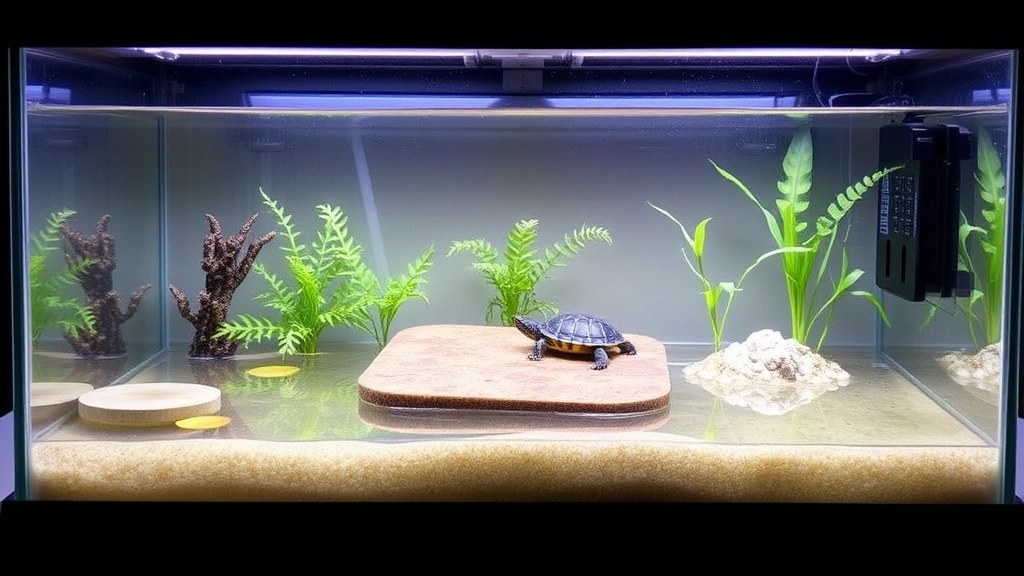
Hatchling enclosures must provide refuge areas where young turtles feel secure. Floating basking platforms, vegetation, and hiding spots reduce stress and encourage natural behavior. Water depth should be shallow initially—just enough for hatchlings to swim comfortably without exhausting themselves. As they grow, gradually increase water depth and enclosure size, eventually transitioning juveniles to larger community tanks or outdoor habitats.
Lighting is crucial for hatchling development. Full-spectrum UVB lighting supports shell and bone development, while appropriate photoperiods regulate circadian rhythms and feeding behavior. Install lighting on timers to maintain consistent 12-hour light/dark cycles unless your species requires different photoperiods. Poor lighting during the hatchling stage leads to skeletal deformities and weakened immune systems that cause problems throughout the turtle’s life.
Feeding protocols for hatchlings differ from adult regimens. Many hatchlings require more protein and smaller, more frequent meals. Research your specific species’ nutritional requirements and establish feeding schedules that match natural development patterns. Proper nutrition during the hatchling stage establishes the foundation for lifelong health, making this investment in knowledge and quality food essential.
Growth tracking helps you identify problems early. Measure and weigh hatchlings regularly, documenting growth rates against species standards. Hatchlings that grow slower than expected might have underlying health issues, improper nutrition, or environmental problems requiring investigation and correction. Regular monitoring catches these issues before they become serious.
Safety and Compliance Considerations
Building a turtle sanctuary involves more than just animal care—it requires understanding legal and safety obligations. Many jurisdictions regulate turtle breeding, sale, and transport, particularly for protected species. Before beginning construction, research your local wildlife regulations and permits to ensure compliance. Violations can result in fines, confiscation of animals, and legal consequences.
Some turtle species are protected under the Endangered Species Act or international CITES regulations. Breeding these species without proper permits is illegal. Even common species may have restrictions on collection, breeding, or sale depending on your location. Consulting with local wildlife authorities before establishing your sanctuary prevents legal problems and demonstrates responsible stewardship.
Facility safety extends to human occupants as well. Ensure your sanctuary has proper electrical grounding, fire suppression systems, and emergency protocols. Create staff training programs covering animal handling, disease prevention, and emergency procedures. If your sanctuary is open to the public, implement visitor safety protocols including hand-washing stations and clear boundaries around restricted areas.
Disease prevention is critical in sanctuary environments where multiple animals live in close quarters. Implement strict quarantine procedures for new arrivals, maintain separate equipment for different enclosures to prevent cross-contamination, and establish cleaning and disinfection protocols. Fungal and bacterial infections spread rapidly in sanctuary environments, potentially devastating your entire population if prevention measures aren’t rigorous.
Insurance coverage protects your investment and addresses liability concerns. Consult with insurance professionals about coverage for animal facilities, including liability for injury to staff or visitors and protection against catastrophic losses. Proper insurance demonstrates professionalism and protects your sanctuary’s long-term viability.
When planning your sanctuary project alongside other DIY building projects, prioritize the animal facility construction. Proper foundation, waterproofing, electrical systems, and climate control aren’t optional features—they’re requirements for successful operations. Cutting corners on sanctuary infrastructure leads to failure, so allocate your budget accordingly.
Frequently Asked Questions
How long do turtle eggs typically take to hatch?
Most turtle species require 60 to 120 days for eggs to hatch, though this varies by species and temperature. Red-eared sliders typically hatch in 60-90 days, while box turtles require 70-120 days. Some temperate species may require overwintering periods of 150-180 days. Warmer incubation temperatures generally accelerate hatching, while cooler temperatures slow development.
What temperature is best for turtle egg incubation?
Optimal incubation temperature for most turtle species ranges from 80-84°F, though acceptable ranges typically span 75-86°F depending on species. Temperature consistency is more important than achieving a specific degree—fluctuations greater than 2-3°F can stress developing embryos. Different temperatures also influence hatchling sex ratios in many species, making temperature control important for population management.
Can I incubate turtle eggs at room temperature?
Room temperature incubation is unreliable for most species unless your home naturally maintains 80-84°F year-round. Most homes experience temperature fluctuations that exceed acceptable ranges, particularly in basements or uninsulated rooms. Dedicated incubation chambers with thermostat-controlled heating systems provide the consistency required for high hatchling success rates.
How do I know if turtle eggs are developing properly?
Candling—shining light through eggs—reveals internal development without opening the egg. After 2-3 weeks of incubation, you should see blood vessels and dark areas indicating the developing embryo. Non-viable eggs appear uniform without visible development. Consult species-specific candling guides to understand what you’re looking for, and handle eggs minimally to avoid disrupting development.
What humidity level do turtle eggs need?
Turtle eggs require humidity levels between 80-90% throughout incubation. Humidity that’s too low causes excessive moisture loss and embryo death, while excessive humidity promotes fungal growth. Proper substrate selection and regular monitoring with calibrated hygrometers maintain appropriate humidity. Many sanctuary operators mist incubation media regularly to compensate for moisture loss.
How should I prepare for hatchlings after eggs hatch?
Prepare hatchling housing before eggs begin hatching. Set up separate enclosures with shallow water, gentle filtration, full-spectrum lighting, and hiding areas. Have appropriate food available—most hatchlings require high-protein diets and frequent small meals. Establish cleaning and water-change protocols to maintain excellent water quality, as hatchlings are particularly vulnerable to poor conditions.
Do all turtle eggs hatch at the same time?
Eggs within a clutch typically hatch over several days rather than simultaneously. Variations in egg position within the incubator and minor temperature differences cause slight variations in development speed. Hatchlings may emerge over a 3-7 day period. Avoid the temptation to help hatchlings emerge—allow natural hatching even if it takes longer, as premature emergence reduces hatchling survival rates.
What permits do I need to breed turtles?
Permit requirements vary dramatically by species and location. Some common species require no permits, while protected species may require federal and state permits. International species may require CITES documentation. Research your specific situation with local wildlife agencies before establishing your sanctuary. Many jurisdictions provide clear permit application processes for legitimate conservation or educational facilities.


