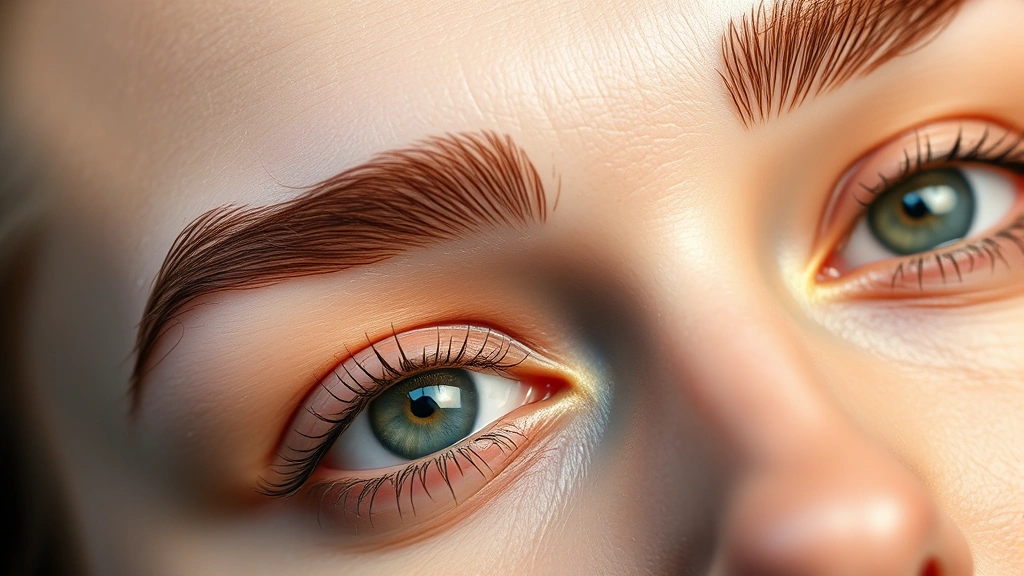
Eyebrow Growth Timeline: Expert Insights on How Long It Takes for Eyebrows to Grow
Eyebrows are a crucial facial feature that frames your face and contributes significantly to your overall appearance. Whether you’ve over-plucked your brows, experienced hair loss, or are simply curious about the natural growth cycle, understanding the eyebrow growth timeline is essential. The question “how long does it take for eyebrows to grow” doesn’t have a one-size-fits-all answer, but experts have established clear timelines and factors that influence growth rates.
The journey to fuller, healthier eyebrows requires patience and knowledge. Most people don’t realize that eyebrow hair follows a distinct biological cycle that’s different from scalp hair. By understanding this cycle and the factors that influence growth, you can set realistic expectations and take meaningful steps to promote healthy eyebrow development. This comprehensive guide breaks down everything you need to know about eyebrow growth, from the basic biology to practical strategies for encouraging faster, fuller brows.
Understanding the Eyebrow Growth Cycle
Like all hair on your body, eyebrow hair grows in cycles. Understanding these phases is fundamental to comprehending how long eyebrow regrowth takes. The hair growth cycle consists of three primary phases: the anagen phase (growth phase), the catagen phase (transition phase), and the telogen phase (resting phase).
During the anagen phase, your eyebrow hair actively grows from the follicle. This phase typically lasts between 30 to 45 days for eyebrow hair, which is significantly shorter than the 2-7 year growth cycle for scalp hair. This shorter growth period explains why eyebrows don’t grow as long as the hair on your head and why they have a natural endpoint.
The catagen phase is a brief transition period lasting about 2-3 weeks. During this time, the hair follicle shrinks and the hair detaches from the blood supply. This phase is relatively short but crucial for the transition between growth and rest.
Finally, the telogen phase is the resting period, which lasts approximately 9 months for eyebrow hair. During this extended resting phase, the hair remains in the follicle but doesn’t grow. Eventually, the hair sheds and the cycle begins anew. At any given time, different eyebrow hairs are in different phases of this cycle, which is why you don’t lose all your eyebrows at once.
Timeline: How Long Does It Take for Eyebrows to Grow
So, how long does it take for eyebrows to grow back completely? The answer depends on where you’re starting from. If you’ve plucked individual hairs, you might see regrowth within 3-4 weeks. However, achieving fully grown-in eyebrows after significant over-plucking or hair loss requires a longer commitment.
Short-term regrowth (3-8 weeks): Individual eyebrow hairs that have been plucked or naturally shed will begin to regrow within 3-4 weeks. You’ll notice small hairs emerging from the follicles, though they may appear thin or light. Within 6-8 weeks, these hairs will be more visible and approach their natural thickness.
Medium-term regrowth (2-3 months): After 2-3 months of consistent growth without plucking, your eyebrows will look noticeably fuller and more defined. The hairs will have reached a more substantial length and density. This timeframe is when most people begin to see the results of their eyebrow-growing efforts.
Long-term regrowth (3-6 months): For complete eyebrow restoration after significant plucking or damage, expect 3-6 months for full results. Some experts suggest that truly optimal eyebrow growth—where all follicles are in active growth phase simultaneously—can take up to 6 months. This extended timeline accounts for the fact that not all follicles are growing simultaneously due to the staggered nature of hair growth cycles.
It’s important to note that like planning a comprehensive home improvement project, eyebrow growth requires patience and a long-term perspective. Just as you wouldn’t expect a basement renovation to complete overnight, eyebrow restoration is a gradual process.

Factors That Influence Eyebrow Growth Rate
Several factors can accelerate or slow down your eyebrow growth timeline. Understanding these variables helps explain why some people experience faster regrowth than others.
Age: Younger individuals typically experience faster eyebrow growth than older adults. As we age, hair growth naturally slows down due to decreased cellular activity and hormonal changes. People in their 20s and 30s often see eyebrow regrowth within 3-4 months, while those over 50 might need 5-6 months for the same results.
Genetics: Your genetic makeup plays a significant role in eyebrow growth rate and density. Some people naturally have faster-growing, thicker eyebrows, while others have slower growth cycles. If your parents had thin eyebrows, you’re more likely to experience similar patterns. Genetics also determine your hair’s natural color, texture, and the length it will grow.
Nutritional status: Hair growth depends on adequate nutrition. Deficiencies in protein, iron, zinc, biotin, and vitamin D can slow eyebrow growth significantly. Conversely, maintaining a balanced diet rich in these nutrients supports optimal hair growth. This is similar to how proper materials and preparation are essential for achieving quality results in home painting projects.
Hormonal balance: Hormones significantly influence hair growth. Thyroid disorders, polycystic ovary syndrome (PCOS), and other hormonal imbalances can slow eyebrow growth or cause hair loss. Pregnancy and menopause can also temporarily affect growth rates. If you suspect hormonal issues, consulting a healthcare provider is advisable.
Skin health: The condition of the skin beneath your eyebrows affects hair growth. Dry, inflamed, or damaged skin creates a poor environment for hair growth. Maintaining healthy skin through proper cleansing, moisturizing, and sun protection supports faster eyebrow regrowth.
Medications: Certain medications can affect hair growth rates. Beta-blockers, anticoagulants, and some acne medications can slow down eyebrow growth or contribute to hair loss. If you’re taking medications and notice changes in eyebrow growth, discuss this with your healthcare provider.
Lifestyle factors: Stress, sleep quality, and exercise all impact hair growth. Chronic stress can push hair into the telogen phase prematurely, leading to shedding. Adequate sleep and regular exercise support healthy hair growth by promoting overall circulation and hormonal balance.
Promoting Healthy Eyebrow Growth
While you can’t dramatically accelerate eyebrow growth beyond your genetic potential, you can optimize the conditions for healthy growth. Here are evidence-based strategies to support faster eyebrow regrowth.
Stop plucking and waxing: The most important step is to let your eyebrows grow without interference. Avoid plucking, waxing, threading, or other hair removal methods during your growth phase. This allows all follicles to complete their growth cycle uninterrupted. Mark a calendar and commit to at least 3 months of hands-off growth.
Use eyebrow growth serums: Serums containing ingredients like peptides, biotin, and plant extracts can support eyebrow growth. Products with proven ingredients such as prostaglandin analogs (similar to prescription options) have shown effectiveness in clinical studies. Look for serums from reputable brands and apply consistently as directed.
Maintain proper nutrition: Consume adequate protein, iron-rich foods, and foods high in biotin and zinc. Consider these nutrients: eggs, salmon, spinach, nuts, seeds, legumes, and lean meats all support hair health. Some people benefit from biotin supplements (2.5 mg daily), though results take 3-6 months to become apparent.
Apply nourishing oils: Castor oil, coconut oil, and argan oil contain compounds that may support hair growth and skin health. Gently massage these oils into your eyebrows and the surrounding skin 2-3 times weekly. The massage itself improves circulation, which supports nutrient delivery to hair follicles.
Protect your eyebrows: Avoid excessive sun exposure, which can damage hair and slow growth. Wear sunscreen on your face, including your brow area. Also avoid harsh makeup removers and excessive rubbing or touching of your eyebrows.
Stay hydrated: Drinking adequate water supports overall health and hair growth. Aim for 8-10 glasses daily, and more if you exercise regularly. Proper hydration supports nutrient transport and skin health.
Manage stress: Practice stress-reduction techniques like meditation, yoga, or deep breathing. Chronic stress elevates cortisol levels, which can negatively impact hair growth cycles. Even 10-15 minutes of daily stress management can support healthier eyebrows.

Common Eyebrow Growth Challenges
Several conditions can interfere with normal eyebrow growth, extending your timeline significantly.
Over-plucking damage: Years of aggressive plucking can damage hair follicles permanently. If follicles have been severely compromised, they may not regenerate. However, many follicles remain viable even after years of plucking. Give them 6 months of growth without interference to determine if recovery is possible. If follicles are truly dead, professional treatments or microblading may be necessary.
Alopecia areata: This autoimmune condition causes patchy hair loss, including eyebrow loss. Growth timeline for recovery is unpredictable and varies by individual. Medical treatment may be necessary to support regrowth. Consult a dermatologist for diagnosis and treatment options.
Thyroid dysfunction: Both hyperthyroidism and hypothyroidism can cause eyebrow hair loss, particularly affecting the outer third of the brow. Once thyroid function is normalized through medication or treatment, eyebrow regrowth typically resumes within 3-6 months.
Nutritional deficiencies: Severe deficiencies in iron, zinc, protein, or B vitamins can halt eyebrow growth. A blood test can identify specific deficiencies. Once supplemented or corrected through diet, you should see regrowth within 2-3 months.
Skin conditions: Dermatitis, psoriasis, or other inflammatory skin conditions can impede eyebrow growth. Treating the underlying skin condition is essential for supporting hair regrowth. A dermatologist can recommend appropriate treatments.
Professional Treatments and Options
If natural regrowth isn’t meeting your timeline expectations, several professional options can help. These range from non-invasive treatments to more permanent solutions, similar to how you might choose between DIY flooring installation or professional installation based on your needs and timeline.
Minoxidil (Rogaine): This over-the-counter topical treatment was originally developed for scalp hair loss but has shown effectiveness for eyebrows. Applied twice daily, minoxidil can accelerate growth and improve density. Results typically appear after 3-4 months of consistent use. The FDA provides guidance on minoxidil use and effectiveness.
Bimatoprost (Latisse): This is the only FDA-approved prescription treatment specifically for eyebrow growth. Applied daily to the eyebrow line, bimatoprost can increase hair length, thickness, and darkness. Results appear after 4 weeks, with optimal results at 16 weeks. It’s more expensive than minoxidil but highly effective.
Microblading: This semi-permanent tattooing technique creates the appearance of fuller eyebrows while your natural hairs grow. Microblading lasts 12-18 months and requires touch-ups. It’s an excellent option if you need immediate aesthetic improvement while waiting for natural regrowth.
Eyebrow transplants: For severe or permanent eyebrow loss, hair transplantation is an option. Hair follicles from the scalp are transplanted to the eyebrow area. Results are permanent, but the procedure is expensive and requires a skilled surgeon. The American Academy of Facial Plastic Surgeons provides resources on hair restoration procedures.
Dermatologist consultation: If your eyebrow growth concerns persist despite home care efforts, a dermatologist can identify underlying medical causes and recommend targeted treatments. They can also prescribe stronger treatments if appropriate.
Professional treatments, while effective, work best when combined with the healthy growth practices mentioned earlier. Think of them as complementary to your natural growth efforts, much like how professional guidance complements DIY building projects.
FAQ
How long does it take for eyebrows to grow back after waxing?
After waxing, you can expect to see initial regrowth within 3-4 weeks. Full, thick regrowth typically takes 6-8 weeks. However, if you’ve been waxing regularly for years, it may take 3-6 months for all follicles to complete their growth cycle and for you to see your true natural eyebrow shape and density.
Can eyebrows grow back after being plucked for years?
In most cases, yes. Even after years of plucking, dormant follicles can often regenerate. However, extremely aggressive or prolonged plucking may permanently damage some follicles. Give your eyebrows 6 months of growth without interference to assess recovery potential. If some areas remain sparse after 6 months, those follicles may be permanently damaged, and professional treatments might be necessary.
Why do my eyebrows grow so slowly?
Slow eyebrow growth can result from age, genetics, nutritional deficiencies, hormonal imbalances, stress, poor skin health, or medications. If your eyebrows have always grown slowly, genetics is likely the primary factor. If you’ve noticed a recent slowdown, investigate nutritional status, stress levels, and any new medications or health conditions.
Does castor oil help eyebrows grow?
Castor oil contains compounds like ricinoleic acid and omega-3 fatty acids that may support hair health and growth. While scientific evidence is limited, many people report positive results from regular castor oil application. It’s inexpensive and safe, making it worth trying. Apply nightly for at least 2-3 months before assessing results.
How often should I brush my eyebrows while they’re growing?
Gently brush your eyebrows daily with a soft spoolie brush to keep them groomed and train them to grow in your desired direction. This light grooming doesn’t damage growing hairs and helps you monitor growth progress. Avoid harsh brushing or pulling.
Will my eyebrows return to their original shape after over-plucking?
Many people experience natural brow shape restoration after 3-6 months of growth without plucking. However, if you’ve been over-plucking for many years, some follicles may not regenerate, resulting in a slightly different shape than before. Your natural shape may also have changed due to aging. Professional treatments or microblading can help if complete restoration isn’t possible.
Is it normal to lose eyebrow hairs?
Yes, losing 1-3 eyebrow hairs daily is completely normal. This is part of the natural shedding cycle as hairs in the telogen phase release. However, losing multiple eyebrows in clumps or noticing significantly thinner eyebrows warrants medical evaluation, as this may indicate alopecia areata, hormonal imbalance, or nutritional deficiency.
Can vitamins help eyebrows grow faster?
Certain vitamins support hair growth. Biotin (B7), vitamin D, and B-complex vitamins are particularly important. If you have a deficiency, supplementation can support regrowth. However, taking excessive vitamins beyond recommended amounts won’t accelerate growth beyond your genetic potential. A balanced approach combining adequate nutrition with supplements if needed is most effective.


