
Walk 20 Miles: Expert Time Estimates and Training Guide
Walking 20 miles is a significant physical undertaking that requires proper planning, realistic time expectations, and adequate preparation. Whether you’re training for an ultramarathon, planning a long-distance hiking adventure, or simply challenging yourself with an ambitious walking goal, understanding how long it takes to walk 20 miles is essential for success. The answer isn’t straightforward—it depends on numerous factors including your fitness level, terrain, weather conditions, age, and walking pace.
This comprehensive guide breaks down everything you need to know about completing a 20-mile walk, from realistic time estimates for different walker types to training strategies that will prepare your body for this demanding distance. We’ll explore the physiological demands, practical pacing strategies, and recovery protocols that experienced walkers use to tackle this challenging milestone safely and effectively.
Average Walking Times for 20 Miles
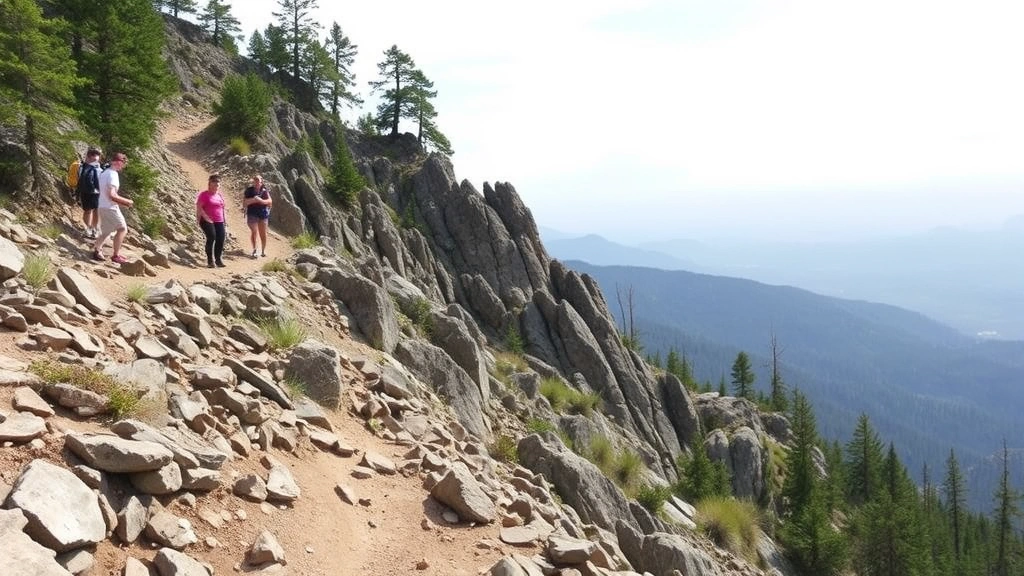
The average person walks at a pace of 3 to 4 miles per hour on flat terrain under normal conditions. Using this baseline, a 20-mile walk would take approximately 5 to 6.5 hours for someone with moderate fitness. However, this calculation represents continuous walking without breaks, which isn’t realistic for most people attempting this distance.
In practical terms, most recreational walkers complete 20 miles in 6 to 8 hours when accounting for short rest breaks, water stops, and natural pace variations. Competitive race walkers, trained specifically for speed and efficiency, can complete 20 miles in 3 to 4 hours. Conversely, casual walkers, older adults, or those carrying heavy loads might require 8 to 10 hours or more.
For context, consider these realistic scenarios: a 45-year-old with average fitness walking on a relatively flat, well-maintained path might complete 20 miles in 6.5 hours including two 15-minute breaks. An experienced hiker tackling varied terrain with elevation changes might need 7 to 9 hours. A person new to long-distance walking should plan for 8 to 10 hours and build in adequate rest periods.
Factors Affecting Your Walking Pace
Age and Fitness Level dramatically influence walking speed. Younger individuals typically walk faster than older adults, though fitness level often matters more than age alone. Someone in excellent cardiovascular condition, whether 30 or 60 years old, will outpace an unfit 25-year-old. Your baseline fitness foundation determines how efficiently your body processes oxygen and manages fatigue over extended periods.
Body Weight impacts walking efficiency significantly. Heavier individuals expend more energy per step, leading to slower speeds and earlier fatigue. A person carrying an extra 50 pounds of body weight or a 30-pound backpack will naturally move slower than someone without that burden. This isn’t about judgment—it’s physics. The increased work required means shorter strides, more frequent breaks, and longer overall completion times.
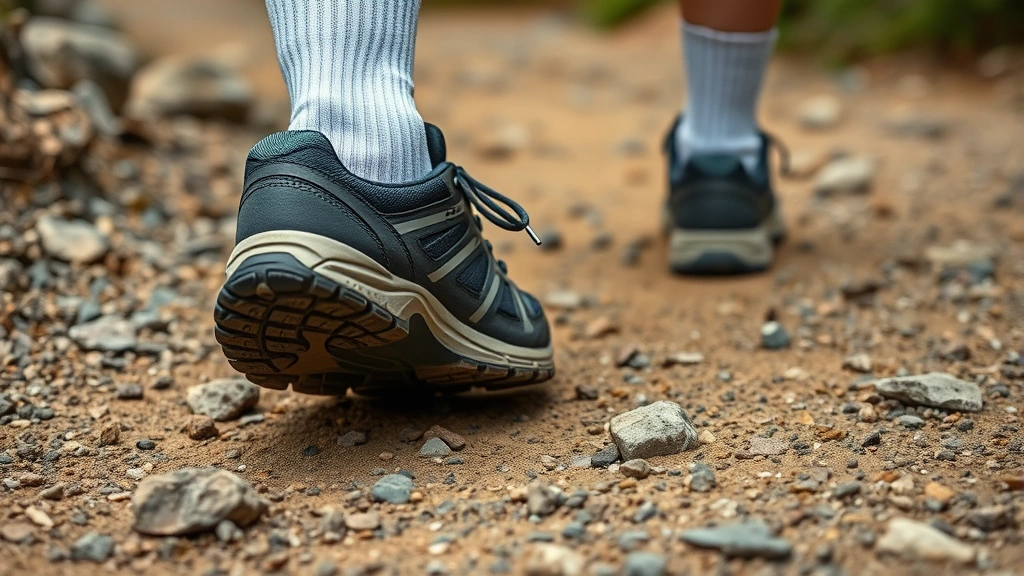
Terrain Type creates massive variations in walking speed. Flat, paved surfaces allow speeds of 4+ mph, while rocky trails might reduce speed to 2.5 mph. Elevation gain dramatically slows progress—hiking uphill at 2,000 feet per mile elevation gain might cut your speed in half. Sand, mud, and snow create similar challenges. A 20-mile route that’s flat and paved differs vastly from a 20-mile mountain trail in terms of time requirements.
Weather Conditions affect both pace and safety. Walking into a strong headwind increases effort and reduces speed. Extreme heat causes fatigue and requires more frequent breaks. Cold weather demands slower, more careful movement. Humidity affects cooling efficiency, making heat stress more likely. Rain and wet conditions reduce traction and slow movement, particularly on slopes or uneven ground.
Mental Factors shouldn’t be underestimated. Motivation, experience with long distances, mental resilience, and confidence all influence performance. Someone who’s never walked more than 5 miles will likely move cautiously, taking frequent breaks. An experienced ultramarathon walker approaches 20 miles with confidence and maintains better pacing discipline.
Hydration and Nutrition Status directly impact pace sustainability. Starting dehydrated or undernourished means earlier energy depletion and slower speeds. Proper fueling throughout the walk maintains steady performance, while poor nutrition leads to the “bonk”—a sudden energy crash that dramatically reduces speed.
Training and Preparation Strategies
Building toward a 20-mile walk requires systematic training over 8 to 12 weeks minimum, similar to how you’d approach learning any complex skill. Begin with your current comfortable walking distance and increase gradually, following the 10% rule: increase your long walk distance by no more than 10% weekly.
Build Your Base by establishing a foundation of regular walking. If you currently walk 2 miles comfortably, spend 2 to 3 weeks walking that distance 3 to 4 times weekly before increasing. This builds aerobic capacity and strengthens muscles and connective tissues. Consistency matters more than intensity at this stage.
Progressive Long Walks form the cornerstone of your training. Week 1-2: walk 5 miles. Week 3-4: walk 7 miles. Week 5-6: walk 10 miles. Week 7-8: walk 12-14 miles. Week 9-10: walk 16-18 miles. Week 11-12: walk 20 miles or attempt your goal distance. Space these long walks 7 to 10 days apart to allow recovery.
Include Varied Terrain in your training. Practice on hills, trails, and different surfaces—not just flat pavement. This builds strength in stabilizer muscles and prepares your mind for real-world conditions. If your actual walk will be hilly, your training must include hills.
Develop a Pacing Strategy before attempting 20 miles. Experiment during training walks to find a sustainable pace you can maintain for hours. Most people find walking slightly slower than their “natural” pace allows better sustainability. Plan to walk at 70-80% of your maximum sustainable pace.
Strength Training complements walking training. Include exercises targeting glutes, quadriceps, calves, and core—the muscles that stabilize during long walks. Two sessions weekly of 20-30 minutes prevents injury and improves endurance. Lunges, step-ups, squats, and planks are particularly valuable.
Nutrition and Hydration During Long Walks
Proper fueling is as important as training for successful 20-mile walks. Your body burns approximately 80-100 calories per mile for most people, meaning a 20-mile walk consumes 1,600-2,000 calories. You cannot store enough glycogen to fuel this distance without depleting reserves, making mid-walk nutrition essential.
Hydration Strategy should begin before you walk. Drink 16-20 ounces of water 2 to 3 hours before starting. During the walk, drink 4-8 ounces of water every 15-20 minutes, or about 1 liter per hour. This varies based on temperature, humidity, and individual sweat rate. In hot conditions, you may need 1.5 liters per hour. Plain water is fine for walks under 90 minutes, but for longer distances, include electrolytes (sodium and potassium) to maintain fluid balance.
Calorie Intake during the walk should provide 150-250 calories per hour after the first 90 minutes. Options include energy gels (100 calories each), sports drinks (100-200 calories per serving), granola bars, or real food like bananas or peanut butter sandwiches. Experiment during training walks to find what your stomach tolerates. Many people find sports drinks provide both calories and hydration efficiently.
Pre-Walk Meal consumed 2 to 3 hours before starting should be substantial but not heavy. Include carbohydrates for energy, moderate protein for satiety, and minimal fat and fiber to avoid digestive issues. A bagel with peanut butter, oatmeal with banana, or pasta with light sauce all work well. Avoid unfamiliar foods on walk day.
Post-Walk Recovery Nutrition is critical. Within 30 minutes of finishing, consume carbohydrates and protein in roughly a 3:1 ratio to replenish glycogen stores and begin muscle repair. A chocolate milk, turkey sandwich, or recovery drink all serve this purpose well. Rehydrate with electrolyte drinks rather than plain water to replace sodium lost through sweat.
Terrain and Environmental Considerations
Different terrain types present distinct challenges that significantly impact completion time. Understanding these variations helps you plan realistic schedules and prepare appropriately, much like how detailed planning transforms home projects.
Flat Paved Routes allow the fastest walking speeds, typically 3.5-4.5 mph for recreational walkers. Urban streets, rail trails, and flat park paths fall into this category. These routes are easiest on joints and allow consistent pacing. A 20-mile flat paved walk might take 5 to 6 hours for experienced walkers, 6 to 8 hours for recreational walkers.
Hilly Terrain significantly slows progress. Uphill sections reduce speed to 2-3 mph, while downhill allows faster movement—though excessive downhill stresses knees and quadriceps. A route with 1,000-2,000 feet of elevation gain typically adds 1 to 2 hours to your completion time compared to flat terrain. Steep terrain (over 2,000 feet elevation gain in 20 miles) might add 3 to 4 hours.
Trail Walking on dirt, gravel, or technical single-track requires careful footing and slower speeds. Uneven surfaces demand more attention and engage stabilizer muscles differently than paved walking. Expect speeds of 2.5-3.5 mph on well-maintained trails, slower on technical terrain. Trail walking is harder on the mind as well as the body.
Weather Adaptation requires flexibility in planning. Heat above 85°F demands slower pacing, more frequent breaks, and increased hydration. Cold below 40°F requires warmer clothing and careful footing. Wind impacts energy expenditure—walking into strong headwinds is considerably harder than walking with the wind. Always check forecasts and adjust plans accordingly.
Surface Impact on joints varies significantly. Soft surfaces like dirt trails or track surfaces reduce impact compared to concrete. Concrete is harder than asphalt. Uneven surfaces increase ankle and knee stress. If you have joint concerns, prioritize softer surfaces. Even without injuries, choosing softer surfaces reduces cumulative stress from 20 miles of impact.
Post-Walk Recovery Protocol
Recovery after a 20-mile walk is as important as the walk itself. Your body needs proper care to repair muscle damage, replenish energy stores, and prepare for future activities. Neglecting recovery increases injury risk and extends soreness.
Immediate Post-Walk (0-30 minutes): Continue light movement for 5-10 minutes to gradually lower heart rate rather than stopping abruptly. Consume recovery nutrition within 30 minutes. Rehydrate with electrolyte-containing beverages. Remove wet clothing and change into dry clothes to prevent chilling.
First 24 Hours: Continue hydrating throughout the day—your urine should be pale yellow, indicating proper hydration. Eat balanced meals with adequate protein and carbohydrates. Light stretching helps maintain flexibility without overdoing it. Ice baths, despite popularity, aren’t necessary for recreational walking—regular walking recovery suffices. Stay active with gentle movement like easy walking or swimming rather than complete rest.
Days 2-3: Soreness typically peaks 24-48 hours after the walk. Gentle activity like easy walking, yoga, or swimming reduces soreness better than rest. Foam rolling and massage can help, though they’re not essential. Continue eating well and hydrating. Avoid intense exercise—your body is still recovering.
Days 4-7: Most people can resume normal activities by day 4-5. Return to regular exercise gradually. If significant soreness or pain persists beyond 3-4 days, or if you develop sharp pain, consult a healthcare provider. Most recovery is complete within one week.
Long-Term Recovery Considerations: After completing a 20-mile walk, take one week of lighter activity before returning to intensive training. This active recovery period allows your body to fully repair and adapt. Pushing too hard too soon increases injury risk. Many walkers find they need 10-14 days before feeling completely recovered and ready for the next challenge.
Frequently Asked Questions
Can an average person walk 20 miles without training?
While physically possible, walking 20 miles without training is risky. Untrained walkers risk blisters, joint pain, muscle strain, and exhaustion. Proper training over 8-12 weeks builds the physical capacity and mental resilience needed. Even fit individuals from other sports benefit from walking-specific training. Start with a structured training plan rather than attempting 20 miles cold.
What’s the best time of day to walk 20 miles?
Early morning is often ideal—cooler temperatures, less crowded routes, and fresh energy. Avoid midday heat and the fatigue that comes from walking late into evening. For planning any ambitious goal, consider your personal energy patterns. Some people are evening people—if you’re naturally energetic then, evening walks might work. Just ensure adequate daylight or bring lights for safety.
How many calories does walking 20 miles burn?
Most people burn 1,600-2,400 calories walking 20 miles, depending on body weight, pace, and terrain. Heavier individuals burn more calories; faster paces burn calories over shorter timeframes; hilly terrain increases calorie expenditure. This is why fueling during the walk is essential—you cannot eat enough beforehand to cover this expenditure.
What shoes should I wear for a 20-mile walk?
Proper footwear is critical. Choose walking or trail shoes designed for your foot type (neutral, stability, or motion control) and the terrain (paved shoes for roads, trail shoes for off-road). Ensure adequate cushioning and support. Break in new shoes during training walks—never wear completely new shoes for your 20-mile attempt. Moisture-wicking socks designed for hiking or running prevent blisters better than cotton socks.
How do I prevent blisters during a 20-mile walk?
Blisters result from friction and moisture. Wear properly fitting shoes that are broken in, use moisture-wicking socks, and keep feet dry. Apply blister prevention products like Leukotape or Moleskin to hot spots before they blister. Maintain good hygiene and trim toenails before long walks. If a blister develops during the walk, stop and address it immediately—small blisters become massive problems if ignored.
Is it better to walk continuously or take breaks?
Strategic breaks improve overall performance and safety. Short 5-10 minute breaks every hour allow mental recovery and brief physical rest without losing momentum. Longer 15-20 minute breaks every 2-3 hours permit more substantial rest and fuel consumption. Most people complete 20 miles faster with strategic breaks than attempting continuous walking without breaks. Breaks also reduce injury risk and improve enjoyment.
Can I walk 20 miles on consecutive days?
While possible, walking 20 miles on back-to-back days is extremely demanding and increases injury risk. Most walkers need 7-10 days between 20-mile efforts for adequate recovery. If you want to walk long distances on consecutive days, reduce daily distances to 10-12 miles, allowing better recovery. For sustained performance over time, proper recovery is as important as the effort itself.


