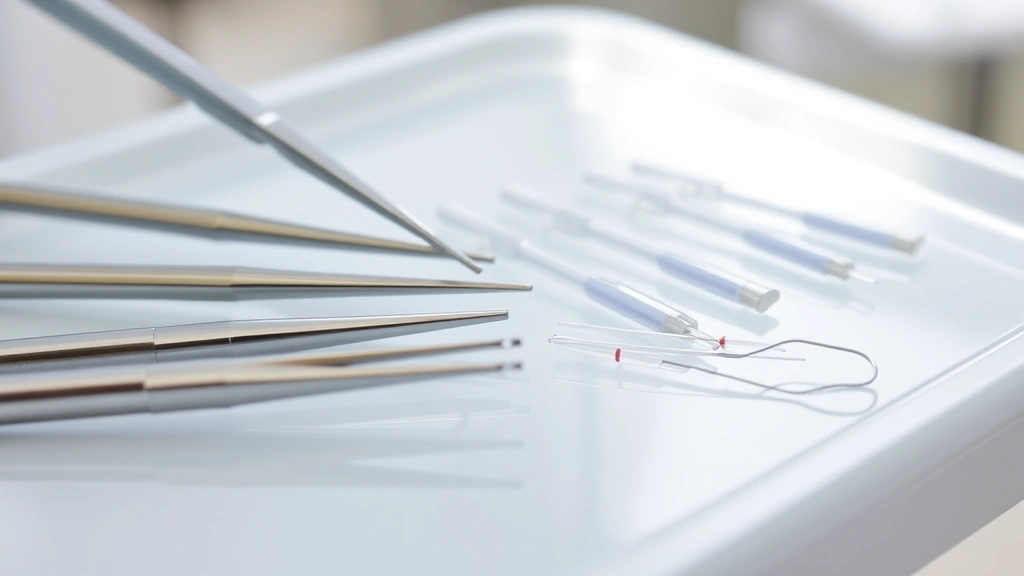
Mouth Stitches: How Long Until They Dissolve? Dentist Tips
Dental procedures often require stitches to promote proper healing and prevent infection. Whether you’ve undergone tooth extraction, gum surgery, or oral implant placement, understanding the dissolution timeline of mouth stitches is essential for post-operative care. Many patients wonder exactly how long their stitches will remain in place and what to expect during the healing process. This comprehensive guide covers everything you need to know about dissolvable stitches in your mouth, including timeline expectations, care instructions, and when to contact your dentist.
The duration of mouth stitches varies based on the type of material used, the location of the procedure, and your individual healing rate. Most dissolvable stitches in the oral cavity dissolve between 7 to 14 days after placement, though some may take up to three weeks. Understanding the factors that influence dissolution time helps you manage expectations and recognize potential complications early. Proper post-operative care significantly impacts healing speed and stitch integrity.

Types of Dissolvable Stitches Used in Dental Surgery
Dental professionals use several types of dissolvable suture materials, each with distinct dissolution timelines and properties. The most common materials include chromic catgut, polyglactin 910 (Vicryl), and polydioxanone (PDS). Chromic catgut is derived from animal intestines and typically dissolves within 10 to 14 days. This material has been used in oral surgery for decades and remains popular due to its biocompatibility and predictable absorption rates.
Polyglactin 910, marketed as Vicryl, is a synthetic braided suture that dissolves between 14 to 21 days. This material maintains strength throughout the critical healing phase and gradually breaks down as tissue strength increases. Polydioxanone is a monofilament synthetic suture that provides extended strength retention, often lasting 25 to 30 days before complete dissolution. Your dentist selects the appropriate material based on the complexity of your procedure and expected healing timeline.
Some dental surgeons prefer silk or nylon stitches, which are non-absorbable and require manual removal. These materials remain indefinitely unless removed by your dental professional. Your dentist will inform you during your pre-operative consultation which type of stitches they plan to use and what timeline to expect. If you’re uncertain about your stitch type, contact your dental office for clarification.
Timeline: How Long Mouth Stitches Take to Dissolve
The dissolution timeline for mouth stitches typically follows a predictable pattern, though individual variation exists. Days 1-3 represent the initial inflammatory phase where stitches remain fully intact and strong. You’ll notice the stitches clearly in the surgical area, and they may feel slightly uncomfortable or tender. Avoid touching or pulling at the stitches during this critical period, as premature disruption can compromise healing.
Days 4-7 mark the early dissolution phase for faster-absorbing materials like chromic catgut. You may notice slight color changes in the stitches as they begin breaking down at the molecular level. The suture material gradually loses strength as your body’s immune system begins enzymatic breakdown. During this period, your gum tissue develops sufficient strength to maintain the wound closure even as suture integrity decreases.
Days 8-14 typically see complete or near-complete dissolution of chromic catgut stitches. The stitches may appear frayed or fragmented as they continue breaking down. You might notice small pieces of suture material becoming loose or washing away. This is a normal part of the dissolution process. Synthetic materials like Vicryl dissolve more slowly during this window, remaining largely intact but beginning visible breakdown.
Days 15-21 complete the dissolution timeline for most synthetic sutures. By three weeks post-procedure, nearly all dissolvable stitches should be completely absorbed. Your gum tissue has typically developed sufficient strength to maintain closure without suture support. If you still see visible stitch material after three weeks, contact your dental office for evaluation.
Factors Affecting Stitch Dissolution Speed
Several biological and environmental factors influence how quickly your mouth stitches dissolve. Saliva composition and flow rate significantly impact dissolution speed. The enzymes in your saliva naturally break down suture materials, accelerating the process compared to stitches in other body areas. Patients with higher saliva production may experience faster dissolution, while those with dry mouth conditions may see delayed breakdown.
Oral hygiene practices directly affect healing and stitch integrity. Maintaining excellent oral hygiene through gentle brushing and rinsing promotes healing without disrupting stitches. Conversely, poor oral hygiene increases infection risk, which can slow dissolution and complicate healing. Your dentist will provide specific guidance on post-operative care timing to balance cleanliness with stitch protection.
Location of stitches within your mouth influences dissolution rate. Stitches in highly mobile areas like the soft palate or floor of mouth dissolve faster due to constant movement and saliva exposure. Stitches in less mobile areas like attached gingiva may dissolve more slowly. Posterior stitches in the back of the mouth may experience different dissolution rates compared to anterior locations.
Your overall health and healing capacity play crucial roles in stitch dissolution. Patients with diabetes, compromised immune systems, or taking certain medications may experience slower dissolution. Smoking and tobacco use impair healing and can delay stitch breakdown. Adequate nutrition, particularly protein and vitamin C intake, supports optimal healing and normal stitch dissolution timelines.
Inflammation levels at the surgical site affect dissolution speed. Excessive inflammation can delay both healing and stitch breakdown, while controlled inflammation supports appropriate tissue repair. Your dentist may recommend anti-inflammatory measures if healing appears compromised. Avoiding strenuous exercise and hot foods during the initial healing phase helps minimize inflammation.
Post-Operative Care Instructions
Proper post-operative care is essential for promoting normal stitch dissolution and preventing complications. During the first 24 hours, avoid rinsing, spitting, or touching the surgical area. This critical period allows blood clot formation and initial healing. Sleep with your head elevated on extra pillows to reduce swelling and promote proper blood flow. Apply ice packs to the outside of your face for 15 minutes on and 15 minutes off during the first day.
From day 2 onward, begin gentle warm salt water rinses after meals and before bed. Mix one-half teaspoon of salt in eight ounces of warm water and rinse gently without vigorous swishing. This practice promotes cleanliness and healing without disrupting stitches. Continue salt water rinses until stitches dissolve completely. Your dentist may recommend specific rinse frequencies based on your procedure type.
Maintain a soft food diet during the stitch dissolution period. Avoid hard, crunchy, sticky, or hot foods that could irritate the surgical area or pull on stitches. Good options include yogurt, applesauce, mashed potatoes, smoothies, and soup (cooled to lukewarm). Stay well-hydrated by drinking plenty of water, but avoid using straws, as the suction can disturb healing tissue. Gradually return to your normal diet as healing progresses and discomfort decreases.
Medication management supports optimal healing and comfort. Take prescribed antibiotics exactly as directed, even if you feel better before finishing the course. This prevents infection that could complicate healing and delay stitch dissolution. Use over-the-counter pain relievers as recommended by your dentist to manage discomfort. Avoid aspirin if your dentist hasn’t specifically approved it, as it can increase bleeding.
Oral hygiene modifications protect stitches while maintaining cleanliness. Use a soft-bristled toothbrush and avoid brushing directly over the surgical site for the first week. Gentle brushing of other teeth is acceptable and encouraged. Don’t use commercial mouthwash containing alcohol during the healing phase, as it can irritate tissue. After the first 24 hours, gentle salt water rinses are preferable to brushing near stitches.
Avoid smoking and tobacco products during the entire healing period. Tobacco use impairs healing, increases infection risk, and can delay stitch dissolution. Secondhand smoke exposure should also be minimized. If you’re a regular smoker, discuss smoking cessation strategies with your dentist before scheduling elective dental surgery.
Signs of Complications
While dissolvable stitches typically dissolve without problems, certain signs warrant immediate dental attention. Excessive bleeding that doesn’t decrease after applying gentle pressure for 10 minutes may indicate a complication. Some oozing is normal during the first few days, but bright red bleeding after the initial period suggests a problem. Contact your dentist if you experience persistent bleeding.
Signs of infection include increasing pain after day 3 or 4, fever, swelling that worsens rather than improves, or pus discharge. The surgical area should show gradual improvement in pain and swelling. If symptoms worsen, your body may be fighting infection. Infection can interfere with normal stitch dissolution and compromise healing. Seek immediate care if you suspect infection.
Stitches that don’t dissolve after three weeks may need professional removal. While rare, some stitch material can persist if your body doesn’t absorb it normally. Hard or inflamed areas around stitches could indicate a foreign body reaction. Your dentist can remove persistent stitches in a quick office visit if necessary.
Stitch slippage or premature dissolution can occur if you disturb stitches or if they dissolve too quickly. Signs include gaping wounds, increased bleeding, or visible separation of tissue edges. If you notice wound separation, contact your dentist immediately. Premature stitch failure may require replacement stitches or alternative closure methods.
Allergic reactions to suture material are uncommon but possible. Symptoms include severe itching, hives, or localized swelling beyond normal post-operative inflammation. Notify your dentist immediately if you suspect an allergic reaction. Your dentist can remove stitches and apply alternative closure methods if needed.
Dry socket can develop after tooth extraction, though it’s unrelated to stitch dissolution. This painful condition occurs when the blood clot is dislodged or fails to form. Symptoms include severe pain starting 3-5 days after extraction and visible bone at the extraction site. Contact your dentist immediately if you suspect dry socket, as it requires professional treatment.
When Non-Dissolvable Stitches Require Removal
Some dental procedures use non-dissolvable stitches that require professional removal. Your dentist will schedule a follow-up appointment for stitch removal, typically 7 to 14 days after surgery. Mark your calendar and attend this appointment as scheduled, as leaving non-absorbable stitches in place too long can cause complications including tissue irritation and infection.
Stitch removal procedures are quick and generally painless. Your dentist uses sterile instruments to gently lift each stitch and cut the suture material, then pulls it free. The entire process usually takes just a few minutes. You’ll feel slight tugging sensations but shouldn’t experience pain. If removal is uncomfortable, notify your dentist immediately.
Before your removal appointment, maintain excellent oral hygiene around the stitches. Gently rinse with salt water several times daily to keep the area clean. Avoid disturbing stitches with your tongue or fingers. If a stitch becomes loose before your removal appointment, contact your dental office. Don’t attempt to remove stitches yourself, as improper removal can damage healing tissue.
After stitch removal, continue post-operative care for several more days. Your dentist will advise you on when to resume normal oral hygiene and diet. Some mild discomfort or slight bleeding may occur immediately after removal, but this resolves quickly. Follow any additional aftercare instructions provided by your dental team.
FAQ
Can I eat normally while I have stitches in my mouth?
No, you should stick to soft foods during the stitch dissolution period. Avoid hard, crunchy, or sticky foods that could irritate the surgical area or pull on stitches. Soft foods like yogurt, mashed potatoes, and soup are excellent choices. Gradually return to normal foods as healing progresses and your dentist approves.
Is it normal for stitches to feel uncomfortable or itchy?
Some mild discomfort is normal, especially as stitches begin dissolving. However, severe pain, increasing swelling, or signs of infection warrant immediate dental attention. Mild itching during the healing phase is common, but avoid scratching or pulling at stitches. Contact your dentist if discomfort is severe or worsening.
What should I do if a stitch comes loose before it dissolves?
If a stitch becomes loose or partially dislodged, contact your dental office. Don’t attempt to remove it yourself or pull it out completely. Your dentist will determine whether replacement is necessary. If the wound appears to be separating, seek prompt attention to prevent complications.
Can I brush my teeth normally with stitches in my mouth?
Avoid brushing directly over the surgical site for the first week. Use a soft-bristled toothbrush and gentle brushing motions on other teeth. After the first week, carefully brush near stitches if they’re still present. Gentle salt water rinses are preferable to brushing near fresh stitches. Your dentist will advise when normal brushing around the surgical area is safe.
How can I tell if my stitches are dissolving properly?
As stitches dissolve, you may notice color changes, fraying, or fragmentation of the suture material. The stitches may appear loose or pieces may wash away during rinsing. This is normal dissolution. If you see no changes after two weeks, contact your dentist for evaluation. Some stitch material may persist slightly longer than expected depending on your healing rate.
Do dissolvable stitches hurt when they dissolve?
Dissolvable stitches typically don’t hurt as they dissolve. You may feel slight tugging or notice loose material, but significant pain during dissolution is unusual. If you experience increasing pain as stitches dissolve, contact your dentist to rule out infection or other complications.
What’s the difference between chromic catgut and synthetic stitches?
Chromic catgut dissolves faster (7-14 days) but may trigger more inflammatory response. Synthetic stitches like Vicryl dissolve more slowly (14-21 days) and generally cause less inflammation. Your dentist selects the appropriate material based on your procedure and healing needs. Both types are biocompatible and effective for oral surgery.
Can I use mouthwash while I have stitches?
Avoid commercial mouthwash containing alcohol during the healing phase, as it can irritate tissue and interfere with healing. Gentle warm salt water rinses are preferable and more beneficial. After healing is well-established, you can resume regular mouthwash use. Ask your dentist when it’s safe to return to commercial mouthwash products.
Is it normal for my mouth to feel strange with stitches?
Yes, it’s common to feel aware of stitches in your mouth, especially when moving your tongue. You may notice a slight texture change or feel the suture material. This sensation typically decreases as you adjust and as stitches dissolve. Avoid playing with stitches with your tongue, as this can interfere with healing.
What should I do if I swallow a piece of dissolving stitch?
Swallowing small pieces of dissolving stitch material is generally harmless and quite common. The suture material is biocompatible and will be safely processed by your digestive system. No special action is needed. However, if you swallow a large piece of stitch material, contact your dentist for reassurance.


