How Long for Novocaine to Wear Off: A Dentist’s Complete Guide
Novocaine, the common name for procaine hydrochloride, has been a cornerstone of dental anesthesia for over a century. When you settle into the dentist’s chair for a filling, extraction, or root canal, the numbing sensation from this local anesthetic allows your dentist to work comfortably without causing you pain. However, one of the most common questions patients ask is: how long will my mouth stay numb? Understanding the timeline of novocaine’s effects is essential for planning your day and knowing what to expect after your dental procedure.
The duration of novocaine’s numbing effects varies significantly based on several factors, including the type of injection, the dosage administered, your individual metabolism, and whether a vasoconstrictor was included in the anesthetic solution. Most patients experience numbness lasting between 30 minutes to 2 hours after injection, though this timeframe can extend depending on specific circumstances. This comprehensive guide will walk you through everything you need to know about novocaine’s duration, its effects on your body, and practical tips for managing the post-procedure period.
Understanding Novocaine and How It Works
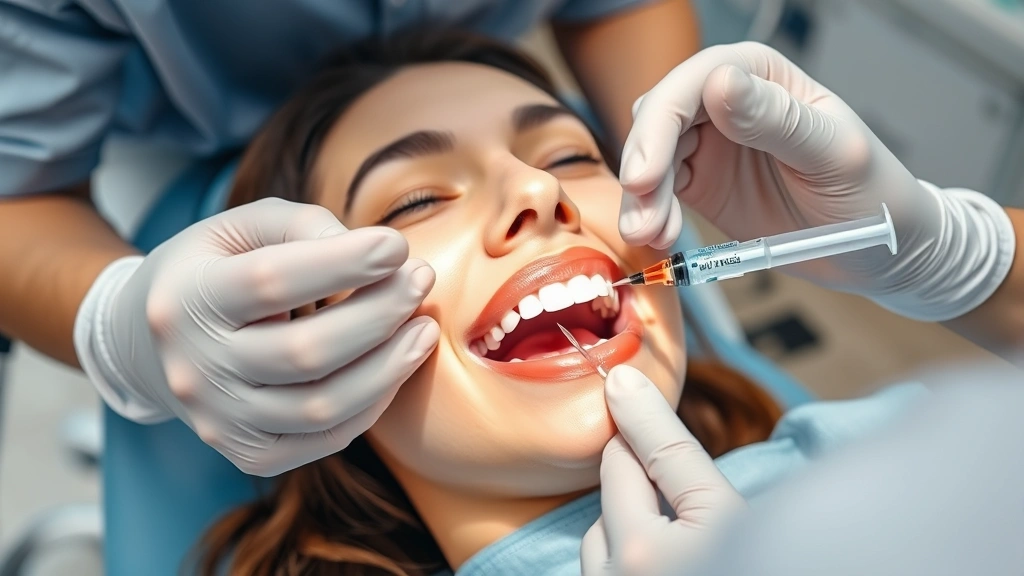
Novocaine functions as a local anesthetic by blocking nerve signals in the area where it’s injected. When your dentist administers the injection, the medication penetrates nerve fibers and prevents them from transmitting pain signals to your brain. This localized numbing effect allows your dentist to perform necessary dental work without causing discomfort. Unlike general anesthesia, which puts you to sleep, local anesthetics like novocaine keep you conscious and aware while eliminating pain in a specific region.
The mechanism of action involves the anesthetic molecules interfering with sodium channels in nerve cell membranes. By blocking these channels, novocaine prevents the electrical impulses that carry pain signals from traveling along the nerve pathway. This is why you might feel pressure or vibration during your procedure but not sharp pain. The effect is temporary because your body’s natural processes gradually metabolize and eliminate the drug from your system.
Modern dentistry has evolved significantly since novocaine’s introduction in 1905. While novocaine remains effective and affordable, many dental practices now prefer lidocaine and articaine, which offer longer-lasting effects and faster onset times. However, understanding novocaine’s properties remains valuable since many dentists still use it, particularly for shorter procedures or patients with sensitivities to newer formulations.
Typical Duration of Novocaine Effects
The standard duration of novocaine’s numbing effect typically ranges from 30 minutes to 1 hour for most patients. However, this timeline can extend to 2 hours or longer depending on various individual factors. When your dentist injects novocaine alone without additives, the anesthetic effect usually wears off more quickly—often within 30 to 45 minutes. This relatively short duration is one reason why many modern dental practices have transitioned to longer-acting alternatives for extended procedures.
If your dentist adds a vasoconstrictor (usually epinephrine) to the novocaine solution, you can expect the numbing effect to last considerably longer. The vasoconstrictor narrows blood vessels in the injection area, which slows the rate at which your body absorbs and metabolizes the anesthetic. With a vasoconstrictor, novocaine’s effects can persist for 1 to 2 hours or even slightly longer. This extended duration makes the combination ideal for procedures requiring more time, such as complex fillings or tooth extractions.
It’s important to note that the complete wearing off of novocaine is a gradual process rather than an abrupt change. You might notice the numbness decreasing in stages—first your lips and cheeks regaining sensation, followed by your gums and the treated tooth area. Some patients report a tingling or “pins and needles” sensation as the anesthetic wears off, which is completely normal and indicates that nerve function is returning to baseline.
Factors That Influence How Long Novocaine Lasts
Individual Metabolism and Body Chemistry
Your body’s metabolic rate significantly impacts how quickly you process novocaine. People with faster metabolisms typically experience shorter anesthetic effects, while those with slower metabolic rates may remain numb longer. Age plays a role in this equation—younger patients often have more efficient metabolic processes and may experience shorter numbness duration compared to older adults. Additionally, liver function directly affects how your body metabolizes local anesthetics, so individuals with liver conditions may experience extended numbing periods.
Dosage and Concentration
The amount of novocaine your dentist administers directly correlates with how long the anesthetic remains effective. A standard dental dose is typically 1-2 percent novocaine solution, with the exact volume depending on the procedure’s extent and your body weight. Larger doses naturally persist longer in your system than minimal amounts needed for simple procedures. Your dentist carefully calculates the appropriate dosage to balance effectiveness with safety, always using the minimum required to accomplish the procedure.
Presence of Vasoconstrictors
As mentioned earlier, the addition of epinephrine (adrenaline) significantly extends novocaine’s duration. Vasoconstrictors reduce blood flow to the injection site, which slows the absorption and elimination of the anesthetic. This is why your dentist might ask about your heart health or current medications before adding a vasoconstrictor—some patients should avoid this combination due to cardiovascular concerns. The typical concentration is 1:100,000 or 1:200,000 epinephrine mixed with the novocaine solution.
Location of the Injection
Where on your mouth the injection is administered affects how long numbness persists. Injections in areas with rich blood supplies, such as the palate or gingival tissues, may be absorbed more quickly than injections in less vascularized regions. Upper jaw injections typically numb faster but also wear off sooner compared to lower jaw injections, which often take longer to fully take effect but may last slightly longer.
Health Conditions and Medications
Certain medical conditions and medications influence novocaine’s duration. Patients taking medications that affect blood circulation or liver function may experience altered anesthetic timelines. Conditions like diabetes, hypertension, or thyroid disorders can impact how your body processes local anesthetics. Always inform your dentist about your complete medical history and current medications to ensure safe and predictable anesthetic effects.
Anxiety and Stress Levels
Interestingly, your emotional state can influence how you perceive and experience novocaine’s effects. High anxiety and stress trigger the release of adrenaline in your body, which can paradoxically enhance the vasoconstrictor effect if epinephrine is present in your anesthetic solution. Conversely, stress may increase your pain sensitivity, making you feel discomfort more acutely once the anesthetic begins wearing off. Relaxation techniques before and during your procedure can help optimize the anesthetic experience.

Managing Numbness and Post-Procedure Care
Once your dental procedure concludes, understanding how to manage the numbness period is crucial for your safety and comfort. The most important precaution during the numbness phase is avoiding accidental injury to your lips, cheeks, or tongue. Many patients, especially children, have bitten their lips or cheeks without realizing it because they couldn’t feel pain in the numb area. This can result in painful sores that take several days to heal, so be mindful of your mouth’s position and avoid chewing until full sensation returns.
Eating during the numbness period requires extra caution. Soft foods are preferable since you may accidentally bite yourself or damage dental work with hard or crunchy items. Wait until sensation returns before consuming hot foods or beverages—you won’t feel if something is too hot and could burn your mouth tissue. Similarly, avoid drinking very cold liquids immediately after your procedure, as the combination of numbness and temperature extremes can be uncomfortable once sensation returns.
If you experience prolonged numbness extending beyond 3-4 hours, contact your dental office. While rare, extended numbness can occasionally indicate an issue requiring professional attention. Most dentists recommend calling if numbness persists longer than expected, as this could suggest nerve involvement that needs evaluation. This is especially important if you also experience other symptoms like swelling, difficulty swallowing, or facial drooping, which warrant immediate medical attention.
Many patients find it helpful to plan their schedule around their dental appointment, avoiding activities requiring precision or full oral function during the numbness period. If you have an important meeting or presentation, schedule your dental work for a time when you can rest afterward. Some people experience slight speech difficulties or drooling during the numb period, so it’s best to avoid situations where this might be problematic.
When to Contact Your Dentist
While novocaine’s effects wearing off is a normal process, certain situations warrant contacting your dental professional. If numbness persists for more than 4 hours after your procedure, reach out to your dentist’s office immediately. Prolonged numbness could indicate nerve irritation or other complications requiring professional evaluation and treatment.
Contact your dentist if you experience:
- Numbness that extends to areas beyond where the injection was administered
- Difficulty swallowing or speaking that persists as numbness wears off
- Swelling, bruising, or discoloration in the injection area
- Pain that doesn’t improve as the anesthetic wears off
- Allergic reactions such as rash, itching, or difficulty breathing
- Numbness accompanied by facial drooping or weakness
Most of these situations are extremely rare, but your dentist needs to know about them promptly. Emergency dental services are available if you experience severe symptoms outside regular office hours. Don’t hesitate to seek care if you’re concerned about anything unusual following your procedure.
Comparing Novocaine to Modern Alternatives
While exploring various health and wellness topics, it’s worth understanding how novocaine compares to contemporary anesthetic options. Lidocaine, introduced in the 1940s, has become the most commonly used local anesthetic in dental practice today. Lidocaine typically lasts 60-90 minutes without a vasoconstrictor and up to 2-3 hours with epinephrine. It has a faster onset time than novocaine, usually taking effect within 5-10 minutes compared to novocaine’s 10-15 minute onset.
Articaine represents the newest generation of dental local anesthetics. It provides faster onset (3-5 minutes), longer duration (up to 4-5 hours with vasoconstrictor), and penetrates tissue more effectively than older anesthetics. Articaine is particularly useful for complex procedures and patients who metabolize other anesthetics quickly. However, it’s more expensive than novocaine or lidocaine, which influences its use in various practice settings.
Prilocaine is another alternative offering intermediate duration and characteristics between novocaine and lidocaine. Each anesthetic has specific advantages and disadvantages, and your dentist selects the most appropriate option based on your procedure’s requirements, your medical history, and your individual needs. If you have concerns about which anesthetic your dentist plans to use, discuss this during your pre-procedure consultation.
Understanding the differences between anesthetics helps you appreciate why your dentist makes specific choices for your care. Modern alternatives to novocaine generally offer superior safety profiles, faster onset, and longer duration, which is why many practices have transitioned away from novocaine. However, novocaine remains a viable and cost-effective option for appropriate situations.
FAQ
How long does novocaine typically last?
Novocaine generally lasts between 30 minutes to 1 hour without additives, extending to 1-2 hours when a vasoconstrictor like epinephrine is added. Individual factors significantly influence this timeline, with some patients experiencing shorter or longer durations.
Why does novocaine wear off faster than newer anesthetics?
Novocaine has a shorter duration because it’s metabolized relatively quickly by your body, particularly in areas with good blood circulation. Newer anesthetics like lidocaine and articaine are formulated to resist metabolism longer, providing extended numbness for more complex procedures.
Is it normal to feel tingling as novocaine wears off?
Yes, tingling and “pins and needles” sensations are completely normal as the anesthetic wears off and nerve function returns. This sensation typically lasts only a few minutes and indicates normal nerve recovery. If tingling persists beyond a few hours, contact your dentist.
Can I eat while my mouth is still numb from novocaine?
It’s best to avoid eating until sensation returns to prevent accidentally biting your lips, cheeks, or tongue. If you must eat, stick to soft foods and be extremely careful. Avoid hot beverages until numbness completely wears off.
What should I do if novocaine numbness lasts longer than expected?
Contact your dentist if numbness persists beyond 3-4 hours. While prolonged numbness is rare, it can occasionally indicate nerve irritation or other issues requiring professional evaluation. Your dentist can assess the situation and recommend appropriate treatment.
Does age affect how long novocaine lasts?
Yes, age influences anesthetic duration. Younger patients with faster metabolisms often experience shorter numbness periods, while older adults may remain numb longer due to slower metabolic processes. Individual variation is significant regardless of age.
Are there people who shouldn’t receive novocaine?
Patients with allergies to para-aminobenzoic acid (PABA), a novocaine metabolite, should avoid it. Additionally, those with certain cardiac conditions may need to avoid vasoconstrictors mixed with novocaine. Always discuss your medical history with your dentist before anesthesia administration.
How does weight affect novocaine duration?
Your body weight influences the appropriate anesthetic dosage. Heavier individuals typically require larger doses for effective numbness, while lighter individuals need less. Your dentist calculates appropriate dosing based on your weight and the procedure’s requirements.
Additional Resources:
- American Dental Association – Local Anesthesia Information
- American Academy of Periodontology – Dental Anesthesia Guidelines
- FDA – Local Anesthetics Approval Information
- National Center for Biotechnology Information – Local Anesthetic Pharmacology
For more information about healing timelines for body modifications or ear piercing recovery, explore our comprehensive guides. If you’re planning home improvement projects, check out our basement finishing guide or home security solutions.