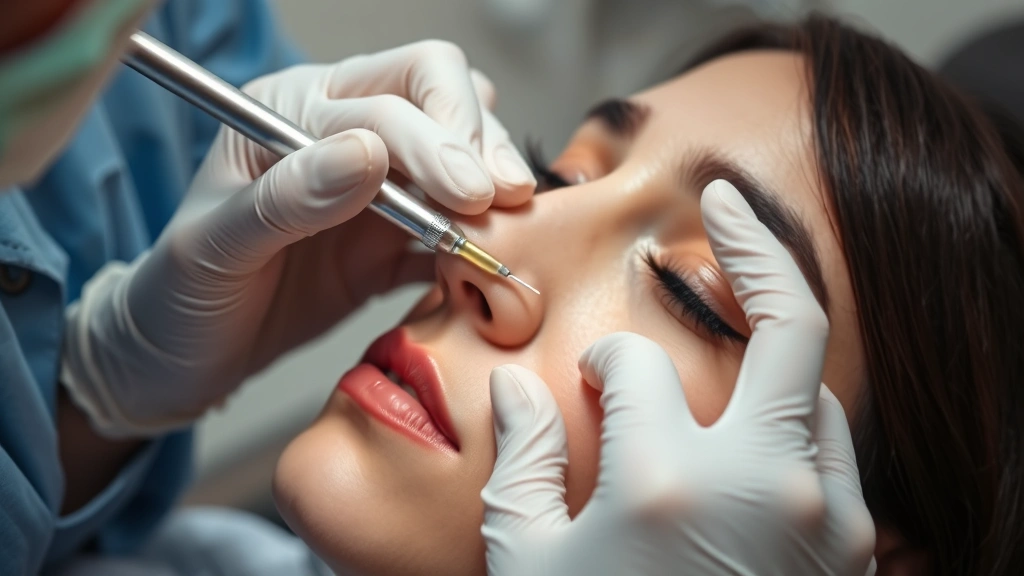
Nose Piercing Healing: Expert Timeline Guide
Nose piercings have become one of the most popular facial modifications, but understanding the healing process is critical for successful outcomes. Whether you’re planning your first piercing or adding to an existing collection, knowing exactly how long for nose piercing to heal helps you maintain proper care and avoid complications. The healing timeline varies significantly based on piercing location, jewelry type, and individual factors, making it essential to understand what to expect during each phase.
The journey from fresh piercing to fully healed involves multiple stages, each with distinct characteristics and care requirements. This comprehensive guide walks you through the complete healing process, timeline expectations, and professional care recommendations to ensure your nose piercing heals properly and remains healthy for years to come.
Understanding Nose Piercing Healing Phases
Piercing healing occurs in three distinct biological phases: the inflammatory phase, the proliferative phase, and the remodeling phase. During the inflammatory phase, which begins immediately after piercing, your body treats the fresh wound by increasing blood flow and immune response. This natural reaction causes redness, swelling, and mild discomfort as your body mobilizes white blood cells and healing factors to the piercing site. This phase typically lasts 2-5 days and is completely normal.
The proliferative phase follows, lasting from approximately day 3 to week 3, during which your body actively builds new tissue to close and strengthen the piercing channel. Collagen production accelerates, new blood vessels form, and epithelial cells multiply to create the fistula—the permanent tunnel that becomes your piercing. During this critical phase, the piercing appears to be healing on the surface while significant internal development occurs. Your body continues producing lymph fluid, which may appear as crusty buildup around the jewelry.
The final remodeling phase extends from week 3 onward, sometimes lasting 6-12 months or longer. During this phase, your body refines the tissue, strengthens the fistula walls, and adjusts to the permanent modification. The piercing may appear completely healed externally long before internal strengthening is complete, which is why patience remains crucial throughout the entire timeline.
Nostril Piercing Healing Timeline
Nostril piercings are the most common nose piercing type, and they follow a relatively predictable healing pattern. The initial healing phase lasts 4-6 weeks for most people, during which you should expect noticeable swelling, redness, and mild pain. The first few days present the most pronounced symptoms, with swelling typically peaking around day 2-3. You may experience tenderness when touching the area or wearing glasses, and sleeping on the pierced side can increase discomfort.
By week 2-3, external symptoms usually subside significantly, and the piercing may appear mostly healed to casual observation. However, this is misleading—the internal fistula is still developing and remains fragile. Many people make the mistake of assuming their piercing is completely healed at this point and switch to inappropriate jewelry or neglect cleaning routines, which can trigger complications.
Full nostril piercing maturation typically requires 3-6 months, with many professionals recommending waiting a full 6 months before changing jewelry for the first time. During months 2-6, the fistula continues strengthening, and the tissue becomes more stable. The piercing gradually becomes less sensitive, and you’ll notice reduced lymph production and crusty buildup. By month 6, most nostril piercings are sufficiently mature to tolerate jewelry changes without significant risk.
It’s important to recognize that “healed enough to change jewelry” differs from “fully matured.” While a nostril piercing may feel stable at 8-12 weeks, waiting until 6 months provides much greater assurance that the fistula won’t collapse or develop complications during jewelry transitions.
Septum Piercing Healing Timeline
Septum piercings, which go through the cartilage dividing your nostrils, follow a different healing timeline than nostril piercings. Initial healing typically takes 6-8 weeks, significantly longer than nostril piercings due to the thicker cartilage tissue involved. The first week brings pronounced swelling, as cartilage responds more dramatically to trauma than soft tissue. You may experience difficulty breathing through your nose, increased sensitivity to temperature, and noticeable discomfort when talking or eating.
Septum piercings present unique challenges because the piercing location makes cleaning more difficult and increases exposure to bacteria from nasal passages. Additionally, the constant movement of the septum during breathing, talking, and eating creates ongoing micro-trauma to the healing tissue, extending the overall healing timeline compared to other piercing types.
Full septum piercing maturation typically requires 3-6 months, with many professionals recommending 4-6 months before attempting jewelry changes. The cartilage continues strengthening throughout this period, and premature jewelry changes risk causing serious complications including infection, scarring, or fistula collapse. During the healing period, avoid playing wind instruments, engaging in contact sports, or participating in activities that might result in accidental trauma to the piercing area.
Pain levels with septum piercings tend to persist longer than with nostril piercings, sometimes remaining mildly uncomfortable through week 6-8. This extended discomfort is normal and typically indicates proper healing rather than complications.
Bridge and Other Nose Piercing Types
Bridge piercings, which pass through the skin on the bridge of your nose between your eyes, have the shortest healing timeline among nose piercings. These surface piercings typically heal in 8-12 weeks because they only involve shallow skin tissue without cartilage. However, bridge piercings carry unique risks related to their surface placement, including higher rejection rates and potential scarring if complications occur.
High nostril piercings, also called high nostrils or “ala” piercings, heal similarly to standard nostril piercings but may take slightly longer—typically 4-8 weeks for initial healing and 3-6 months for full maturation. These piercings penetrate thicker cartilage than traditional nostril piercings, which accounts for the extended timeline.
Nasallang piercings, which pass through both nostrils and the septum in a single piercing, represent one of the most complex nose piercing options. These require 4-6 months for initial healing and up to 12 months for complete maturation due to the multiple tissue types involved. The healing process is significantly more challenging, and infection risk is elevated, making meticulous aftercare absolutely essential.
Vertical tip piercings penetrate the bottom tip of the nose and typically heal in 6-9 months. These piercings involve cartilage and soft tissue, and their location makes them vulnerable to accidental trauma during daily activities.
Factors Affecting Healing Speed
Individual healing speed varies dramatically based on numerous factors beyond just piercing type. Age significantly influences healing—younger individuals typically heal faster than older adults, with teenagers and people in their 20s generally experiencing the shortest healing timelines. Your immune system’s strength directly impacts healing speed, meaning people with compromised immune systems, chronic illnesses, or autoimmune conditions may experience extended healing periods.
Genetics play a substantial role in piercing healing, just as they influence wound healing elsewhere on your body. Some people naturally heal faster, while others require extended timelines regardless of aftercare quality. If you have a family history of slow wound healing or keloid formation, expect your nose piercing to potentially require longer healing than average.
Nutritional status directly correlates with healing speed. Adequate protein, vitamin C, zinc, and iron intake support collagen production and immune function, accelerating healing. Conversely, poor nutrition, restrictive diets, or malnutrition can significantly extend healing timelines. If you’re considering a nose piercing, optimizing your nutrition several weeks before the appointment supports faster, complications-free healing.
Smoking dramatically slows healing by reducing oxygen delivery to tissues and impairing immune function. Smokers typically experience healing timelines 50-100% longer than non-smokers, meaning a standard 6-month healing period might extend to 9-12 months. Quitting or significantly reducing smoking before piercing accelerates healing substantially.
Alcohol consumption, especially in the first few weeks post-piercing, impairs immune function and increases inflammation. Limiting alcohol intake during initial healing supports faster recovery and reduces complication risk. Stress levels also matter—chronic stress suppresses immune function and prolongs healing, while adequate sleep and stress management support optimal healing responses.
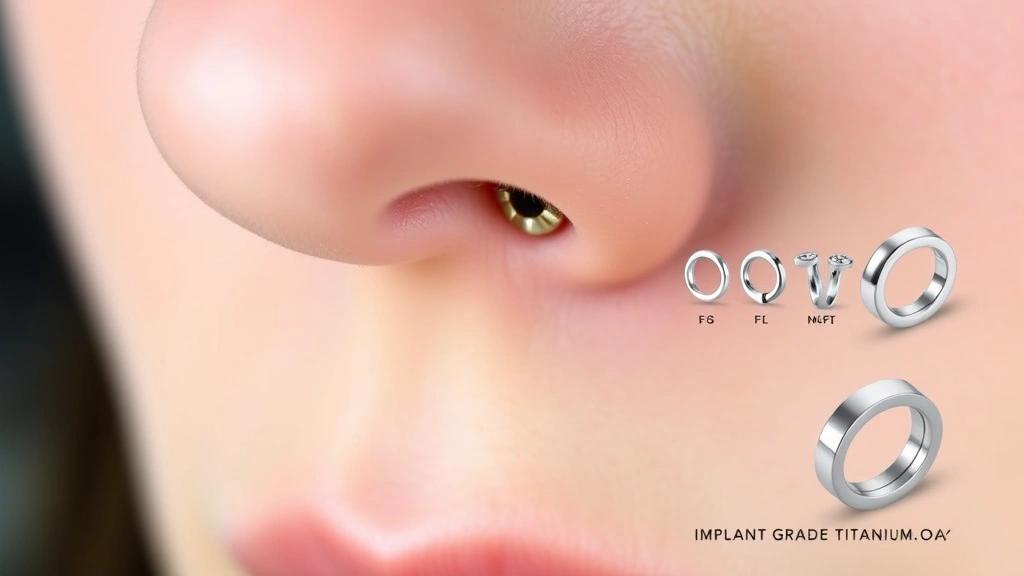
Jewelry material significantly influences healing speed. Implant-grade titanium and solid gold promote faster, complications-free healing, while lower-quality metals trigger allergic reactions and inflammation that extend healing timelines. Jewelry gauge also matters—larger gauge piercings typically heal faster than smaller gauges because they create larger fistulas with better drainage capabilities.
Proper Aftercare During Healing
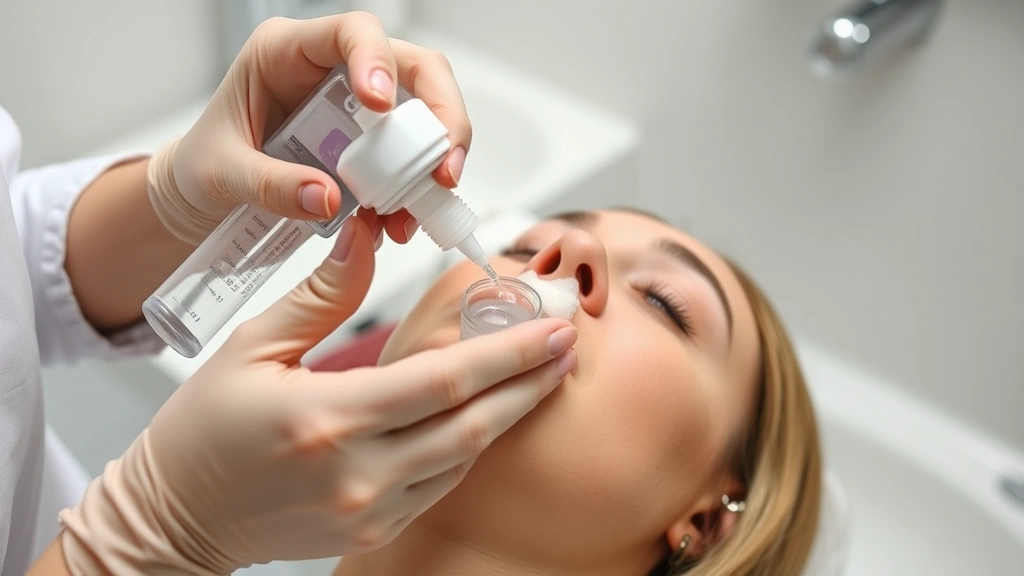
Meticulous aftercare directly determines healing speed and complication risk, making it arguably the most important factor within your control. The gold standard for nose piercing aftercare involves saline solution rinses 2-3 times daily using a sterile saline solution. This removes lymph buildup, prevents crusty accumulation, and maintains a clean healing environment without introducing harsh chemicals. You can purchase pre-made sterile saline solutions or create your own by dissolving 1/4 teaspoon non-iodized salt in 8 ounces of warm distilled water.
Apply saline solution using a clean cotton pad or gauze, gently soaking the piercing for 2-3 minutes to soften crusty buildup before gentle removal. Never forcefully remove crusties, as this damages delicate healing tissue and restarts the inflammatory process. After saline soaks, gently pat the area dry with a clean, disposable tissue—reusable cloth towels harbor bacteria that can trigger infection.
Avoid touching the piercing except during cleaning, as your hands constantly contact bacteria and pathogens. Even well-intentioned cleaning can introduce contamination and cause micro-trauma. If you must touch the piercing, wash your hands thoroughly with antibacterial soap first. Sleep on the opposite side to minimize pressure and accidental trauma during the critical early healing weeks.
Avoid swimming, hot tubs, and bodies of water during the first 2-4 weeks, as these environments expose the fresh piercing to numerous bacteria. If you must swim, cover the piercing with a waterproof bandage and rinse thoroughly with clean water immediately afterward. Avoid saunas, steam rooms, and excessive heat exposure, which increase swelling and create moist environments where bacteria thrive.
Don’t use alcohol, hydrogen peroxide, or antibiotic ointments on nose piercings. These products kill beneficial bacteria, disrupt natural healing processes, and can trigger irritation. Stick exclusively to saline solution for cleaning, and avoid all other topical products unless your piercer or healthcare provider specifically recommends them.
Keep your piercing dry between cleaning sessions, as moisture promotes bacterial growth. If your nose gets wet from daily activities, gently pat it dry with a clean tissue. Avoid getting cosmetics, sunscreen, or other products on the piercing, as these can irritate healing tissue or introduce contaminants.
Signs of Infection and Complications
Distinguishing normal healing symptoms from signs of infection is crucial for protecting your piercing. Normal healing involves mild redness, slight swelling, and clear or slightly yellow lymph discharge, especially during the first 2-3 weeks. This is your body’s natural inflammatory response and doesn’t indicate infection.
Signs of infection requiring immediate professional attention include: yellow or green pus (distinct from clear lymph), excessive swelling that worsens after day 3, warmth radiating from the piercing site, red streaking extending from the piercing toward your face, fever or systemic illness, severe pain disproportionate to healing timeline, or foul odor emanating from the piercing. If you experience any of these symptoms, contact your piercer immediately or seek medical attention from a healthcare provider familiar with piercing complications.
Keloid formation represents another complication risk, particularly for individuals with darker skin tones or genetic predisposition. Keloids are excessive scar tissue growths that extend beyond the original piercing wound. They appear as raised, firm bumps around the piercing and typically develop weeks or months after piercing. While not dangerous, keloids are permanent without professional treatment and can be aesthetically concerning. If you have a family history of keloids, discuss this with your piercer before getting pierced.
Rejection occurs when your body treats the piercing as a foreign object and attempts to expel it. Signs include the jewelry moving closer to the surface, skin becoming thin or translucent around the piercing, or the piercing gradually working its way outward. Rejection typically occurs weeks to months after piercing and is more common with surface piercings like bridge piercings. If rejection begins, remove the jewelry and allow the piercing to close rather than fighting the rejection process.
Allergic reactions to jewelry manifest as persistent redness, itching, swelling, or discharge despite proper aftercare. These reactions typically indicate a metal allergy and require jewelry replacement with hypoallergenic materials like implant-grade titanium. Consult your piercer about jewelry alternatives before assuming your piercing is infected.
When to Change Jewelry
Timing jewelry changes is critical for preventing complications and ensuring successful healing. The general rule is to wait until the piercing is fully mature before changing jewelry, which means waiting the full recommended healing timeline for your specific piercing type. For nostril piercings, this means waiting 6 months minimum before attempting your first jewelry change. For septum piercings, wait 4-6 months. For bridge piercings, wait 8-12 weeks.
If you absolutely must change jewelry before full maturation, visit your professional piercer rather than attempting self-change. Professional piercers have sterile equipment, proper technique, and experience handling delicate healing piercings. DIY jewelry changes during healing risk introducing bacteria, damaging the fistula, or causing the piercing to close partially or completely.
When you’re ready to change jewelry after the healing period, have your piercer perform the change if possible. If you’re changing jewelry yourself, wash your hands thoroughly, use only sterile jewelry, and work quickly to minimize air exposure to the fistula. Keep backup jewelry readily available in case the original piece doesn’t re-insert easily—forcing jewelry can damage healing tissue.
Temporary jewelry removal during healing is inadvisable, as even brief removal can cause the fistula to begin closing. If you must remove jewelry for medical procedures or imaging, ask your piercer about retainers—special jewelry designed to keep the piercing open while being less visible or disruptive. Reinsert jewelry as soon as possible, ideally within hours of removal.
Some people experience extended healing periods where the piercing remains sensitive or produces discharge beyond typical timelines. These piercings may never reach full maturity and can benefit from extended jewelry retention and careful handling even after 6+ months. Listen to your body and your piercer’s guidance—if your piercing seems to need more time, give it that time rather than forcing premature changes.
FAQ
How long does a nose piercing take to heal completely?
Nostril piercings typically heal in 4-6 weeks initially but require 3-6 months for complete maturation. Septum piercings need 6-8 weeks initial healing and 3-6 months maturation. Bridge piercings heal fastest at 8-12 weeks. Full tissue strengthening can take up to 12 months for complex piercings.
Can I change my nose piercing jewelry after 4 weeks?
While external healing may appear complete at 4 weeks, the internal fistula is still fragile. Changing jewelry at 4 weeks risks complications. Most professionals recommend waiting at least 6 months for nostril piercings before attempting jewelry changes to ensure complete maturation.
Why is my nose piercing still swollen after 3 weeks?
Some swelling at 3 weeks is normal, especially if you’ve been touching the piercing, sleeping on it, or exposing it to irritants. However, excessive swelling despite proper aftercare might indicate infection or allergic reaction. Ensure you’re using sterile saline solution, avoiding touching the piercing, and sleeping on the opposite side. If swelling worsens or you develop other symptoms, consult your piercer.
What’s the difference between lymph and infection discharge?
Lymph is clear to slightly yellow, odorless, and normal during healing. Infection discharge is yellow or green, thick, foul-smelling, and accompanied by warmth, excessive swelling, or fever. Normal lymph doesn’t indicate infection; infection discharge requires immediate professional attention.
Is it normal for my nose piercing to hurt after 2 weeks?
Mild discomfort at 2 weeks is normal, especially with septum or cartilage piercings. However, severe pain, sharp shooting sensations, or increasing pain suggests complications. Ensure your jewelry isn’t too tight, you’re not sleeping on the piercing, and you’re following proper aftercare. If pain doesn’t improve with these adjustments, consult your piercer.
How can I speed up nose piercing healing?
Optimize nutrition with adequate protein, vitamin C, and zinc. Quit smoking or significantly reduce consumption. Manage stress through sleep and relaxation. Use high-quality jewelry made from implant-grade titanium. Follow meticulous saline solution aftercare. Avoid touching, playing with, or sleeping on the piercing. Stay hydrated and avoid alcohol during early healing.
Why does my nose piercing keep getting crusty?
Crusty buildup is normal lymph production, especially during weeks 1-4. Clean with saline solution 2-3 times daily, soaking gently for 2-3 minutes before removing softened crusties. Crusties indicate your body is healing, not infection. However, if crusties persist beyond 8 weeks despite proper care, discuss this with your piercer.
Can I sleep on my pierced nose after 2 weeks?
Avoid sleeping on your piercing for at least 4-6 weeks, as pressure and friction increase swelling, pain, and complication risk. Even after initial healing, sleep on the opposite side to minimize pressure during the maturation phase. Use a travel pillow or special piercing pillow if needed to prevent accidental pressure.
What jewelry should I use during healing?
Implant-grade titanium (ASTM F136), solid gold (14k or higher), or surgical steel (with low nickel content) are ideal for healing piercings. Avoid cheap metals, plated jewelry, and acrylic, as these trigger allergic reactions and inflammation. Use appropriate gauge jewelry recommended by your piercer—typically 18g or 20g for nostril piercings.
When should I see a doctor about my nose piercing?
Seek medical attention if you experience fever, excessive swelling, yellow or green discharge, red streaking, severe pain, difficulty breathing, or signs of systemic infection. Also consult a doctor if you suspect allergic reaction to jewelry or if the piercing shows no improvement after 8 weeks of proper care. Your piercer can often address most complications, but some situations require medical expertise.
Understanding the complete nose piercing healing timeline empowers you to make informed decisions and maintain proper care throughout the process. While the wait for full maturation can feel lengthy, patience during healing prevents complications that could affect your piercing for years. Whether you’re considering your first nose piercing or expanding an existing collection, respecting the healing timeline and following professional aftercare recommendations ensures the best possible outcomes.
For additional DIY care guidance, explore our comprehensive resources on maintaining various home projects. If you’re also interested in understanding other drying and setting timelines for home projects, check out our guides on how long for caulk to dry and how long for grout to dry. For those planning home modifications, our DIY house painting guide provides comprehensive information on preparation and execution timelines.


