Waxing Tips: Ideal Hair Length? Expert Advice
Hair waxing is a popular DIY beauty treatment that removes hair from the root, providing smooth skin for weeks. However, achieving professional results at home requires understanding the critical factor of hair length. Whether you’re waxing your legs, underarms, or facial hair, getting the right length before waxing determines success or failure. This guide explores expert recommendations on optimal hair length for waxing and provides practical tips for preparation and aftercare.
Many people attempt waxing without realizing that hair length significantly impacts the procedure’s effectiveness and comfort level. Too short, and the wax won’t grip the hair properly. Too long, and you risk painful pulling and skin irritation. Understanding these nuances transforms your at-home waxing experience from frustrating to successful.
Ideal Hair Length for Waxing
The optimal hair length for waxing is one-quarter inch to three-quarter inch (6mm to 19mm), according to professional estheticians and beauty industry standards. This range—roughly the length of a grain of rice to a small pea—allows wax to grip each hair firmly without causing excessive discomfort or breakage.
Hair shorter than one-quarter inch presents a significant problem. The wax cannot establish adequate contact with the hair shaft, resulting in failed removal and wasted product. You’ll experience frustration as hairs slip through the wax without being extracted. Additionally, very short hair may require multiple applications over the same area, increasing skin irritation and redness.
Conversely, hair longer than three-quarter inch causes painful tugging and potential breakage. Long hairs resist extraction more forcefully, and the wax may only remove the surface portion rather than the entire hair from the follicle. This leads to ingrown hairs, stubble within days, and unnecessary discomfort during the process.
If your hair exceeds the ideal range, trim it down using electric clippers or scissors before waxing. Set clippers to a quarter-inch setting for precision. This preparation step is non-negotiable for successful results. Consider that DIY projects require proper preparation, and waxing is no exception.
Hair Length by Body Area
Different body areas have varying hair characteristics and ideal waxing lengths. Understanding these distinctions helps you achieve optimal results across multiple treatment zones.
Legs and Arms: Leg and arm hair typically grows thicker and coarser than facial hair. Maintain the standard one-quarter to three-quarter inch length. Since leg hair is often longer naturally, you’ll frequently need to trim before waxing. Use body clippers or a razor set to the appropriate length for safety and precision.
Underarms: Underarm hair grows in various directions and densities. Target one-quarter inch length specifically for this delicate area. The skin here is sensitive, so precision matters greatly. If hair exceeds this length, trim carefully with small scissors or clippers, being cautious around the sensitive skin.
Facial Hair (Upper Lip, Chin, Eyebrows): Facial hair requires the shortest end of the spectrum—approximately one-quarter inch. Facial skin is thinner and more sensitive than body skin, and longer hair causes more discomfort. Use small scissors to trim facial hair carefully, as clippers may be too aggressive for this delicate area.
Bikini and Brazilian Areas: These sensitive zones demand one-quarter inch length maximum. Hair in these regions is often coarser and curlier, making precise trimming essential. Curl patterns can trap wax, so shorter lengths prevent complications. Many professionals recommend starting with the shortest acceptable length in these areas.
Understanding how to properly prepare spaces for DIY projects applies equally to body preparation for waxing. Both require meticulous planning and attention to detail.

Preparing Hair Before Waxing
Proper preparation extends beyond achieving the correct hair length. Several steps ensure your skin and hair are ready for waxing.
Exfoliate Two Days Before: Gently exfoliate the area two days before waxing using a soft washcloth or exfoliating mitt. This removes dead skin cells and helps prevent ingrown hairs. Avoid aggressive scrubbing, which irritates skin and makes waxing more uncomfortable. The goal is gentle surface preparation, not aggressive removal.
Cleanse Thoroughly: Wash the area with mild soap and warm water the morning of your waxing session. Pat skin completely dry—moisture reduces wax adhesion to hair. Any oils, lotions, or sweat interfere with the waxing process, so thorough cleansing is essential.
Avoid Irritants: Do not apply deodorant, perfume, or body lotion to areas you’ll wax. These products create a barrier between skin and wax. Similarly, avoid sun exposure, tanning beds, and self-tanning products for 24 hours before waxing, as these can increase skin sensitivity.
Consider Pain Management: If you’re anxious about discomfort, take an over-the-counter pain reliever 30 minutes before waxing. Ibuprofen works well for this purpose. Some people apply a numbing cream, but ensure it’s appropriate for use with waxing products.
Trim Hair Precisely: Trim hair to the target length using appropriate tools. For body areas, electric clippers with a guard work well. For facial areas, use small, sharp scissors. Make multiple light passes rather than attempting to cut all hair in one pass. This approach prevents accidental cuts and ensures consistent length.
Just as building a PC requires careful preparation and component selection, waxing success depends on thorough preparatory steps.
Common Waxing Mistakes
Understanding common mistakes helps you avoid them and achieve better results on your first attempt.
Waxing Over Hair That’s Too Long: This is the most frequent mistake. People assume longer hair is easier to remove, when the opposite is true. Longer hair causes pain, breakage, and incomplete removal. Always trim to the recommended length beforehand.
Waxing Over Hair That’s Too Short: Newly shaved areas shouldn’t be waxed immediately. Hair needs to grow to at least one-quarter inch. If you recently shaved, wait 3-5 days before waxing. This is why scheduling matters—plan your waxing around your shaving routine.
Skipping the Patch Test: Always test the wax temperature and your skin’s reaction on a small, inconspicuous area first. This prevents burns and identifies allergic reactions before treating larger areas. Wait 10 minutes after applying test wax to ensure no adverse reaction occurs.
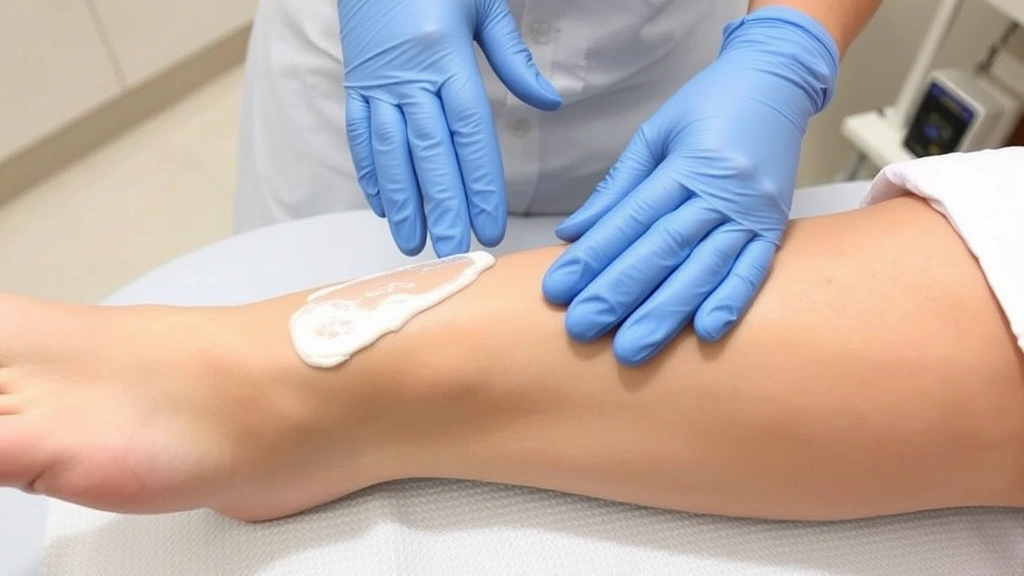
Applying Wax Too Thickly: More wax doesn’t equal better results. Apply a thin, even layer in the direction of hair growth. Thick applications are harder to remove cleanly and cause more irritation. Aim for consistency similar to a thick layer of paint.
Pulling in the Wrong Direction: Always pull wax off quickly and firmly in the opposite direction of hair growth. Slow, hesitant pulling increases pain and reduces effectiveness. Confidence and speed matter significantly in the removal phase.
Ignoring Skin Type Sensitivity: Some skin types react poorly to certain wax types. Sensitive skin benefits from hard wax rather than soft wax. Those with reactive skin should choose hypoallergenic products. Understanding your skin type prevents unnecessary irritation.
Avoiding mistakes is similar to following proper woodworking techniques—precision and preparation prevent costly errors.
Post-Wax Care and Maintenance
What you do after waxing determines how long results last and whether you experience complications.
Immediate Aftercare (0-24 Hours): Keep the waxed area clean and dry for at least 24 hours. Avoid hot baths, showers, saunas, and swimming, as heat opens pores and increases infection risk. Wear loose, breathable clothing to prevent friction and irritation. Apply a soothing lotion or aloe vera gel to calm the skin.
Avoid Irritants: Don’t apply deodorant, perfume, or scented products to waxed areas for at least 24 hours. Avoid touching the area unnecessarily, as this introduces bacteria. Don’t engage in activities causing heavy sweating or friction for 48 hours.
Manage Ingrown Hairs: Ingrown hairs are common after waxing, particularly in areas with curly hair. Gently exfoliate with a soft brush or cloth starting three days after waxing. This helps hair grow out properly rather than curling back into skin. If ingrown hairs develop, resist the urge to pick at them; instead, apply a gentle exfoliating product.
Extend Results: Waxing results typically last 3-6 weeks depending on your hair growth rate and body area. To maximize duration, exfoliate regularly between appointments and avoid shaving. Shaving resets the hair growth cycle, while waxing removes hair from the root, extending smoothness significantly longer.
Monitor Your Skin: Watch for signs of infection, excessive irritation, or allergic reactions. Minor redness and bumps are normal and typically subside within 24 hours. However, if irritation persists beyond 48 hours or signs of infection appear, consult a dermatologist.
Choosing the Right Wax Product
The type of wax you select impacts results, comfort, and skin reaction. Understanding your options helps you make the best choice for your situation.
Soft Wax: Soft wax comes in a pot and requires heating. It’s applied thinly with a spatula, and removal uses cloth strips. Soft wax works well for larger body areas like legs and backs. However, it’s less precise for smaller areas and can cause more irritation on sensitive skin. Soft wax is typically less expensive than alternatives.
Hard Wax: Hard wax comes in beads or sticks and hardens as it cools. It’s applied thickly, and removal requires no strips—you simply pull the hardened wax off. Hard wax is gentler on sensitive skin, more precise for small areas, and ideal for facial hair and bikini waxing. The tradeoff is higher cost and a longer learning curve for application.
Sugar Wax (Sugaring): Sugar wax is a natural alternative made from sugar, water, and lemon juice. It’s gentler than traditional wax, hypoallergenic, and easier to clean up. However, it requires specific technique and temperature management. Sugar wax works best for those with very sensitive skin or allergies to conventional wax ingredients.
According to FDA guidelines on cosmetic safety, all wax products should meet safety standards. When selecting products, check ingredient lists for potential allergens. Natural ingredients don’t automatically mean safer—individual reactions vary.
Consider that DIY beauty projects require research and proper product selection, just like any home improvement undertaking. Investing in quality wax products yields better results and safer experiences.
Temperature Control: Proper wax temperature is critical. Too hot causes burns; too cool won’t adhere properly. Follow manufacturer instructions precisely. Most wax heaters include temperature settings designed specifically for different wax types. Never guess at temperature—use the equipment as directed.
Hypoallergenic Options: Those with sensitive skin should seek wax products labeled hypoallergenic. These formulations exclude common irritants and allergens. Testing on a small area remains important even with hypoallergenic products, as individual reactions vary.
FAQ
Can I wax hair that’s just been shaved?
No. Hair needs to grow to at least one-quarter inch (6mm) before waxing. If you’ve recently shaved, wait 3-5 days. Waxing over freshly shaved skin won’t effectively remove hair and may cause unnecessary irritation.
What if my hair is longer than three-quarter inch?
Trim it down using electric clippers set to one-quarter inch or small scissors for facial hair. Make multiple light passes to achieve even length. Never attempt waxing over hair longer than three-quarter inch, as this causes pain, breakage, and incomplete removal.
Does hair length affect how long waxing results last?
No. Results depend on your individual hair growth cycle, typically lasting 3-6 weeks regardless of the initial hair length you waxed. However, proper preparation and technique affect how smoothly the results appear and whether you experience complications like ingrown hairs.
Is it normal to have red bumps after waxing?
Minor redness and small bumps are normal and typically subside within 24 hours. However, persistent irritation beyond 48 hours, signs of infection, or severe reactions warrant dermatologist consultation. Most reactions are temporary and resolve with proper aftercare.
Can I wax if I’m taking certain medications?
Some medications increase skin sensitivity or interfere with healing. Retinoids, antibiotics, and certain acne medications can cause complications. Consult your dermatologist before waxing if you’re on prescription medications, particularly those affecting skin.
How often should I wax the same area?
Most people wax every 3-6 weeks as hair grows back. Waxing more frequently than every 3 weeks provides no benefit and increases skin irritation. Waiting longer than 6 weeks means hair may exceed the ideal length, requiring trimming before your next session.