Grill Filet Mignon: Chef-Recommended Time Guide
Grilling a perfect filet mignon requires precision, technique, and understanding how heat transforms this premium cut of beef. At two inches thick, filet mignon sits in an ideal zone where you can achieve a beautiful seared crust while maintaining a tender, juicy interior. This guide walks you through everything you need to know about grilling filet mignon to perfection, from preparation through plating.
Whether you’re hosting a backyard dinner party or preparing a special meal for two, mastering the timing and temperature control for grilling filet mignon elevates your outdoor cooking skills. The difference between a mediocre steak and a restaurant-quality filet comes down to understanding heat management, meat selection, and proper seasoning. We’ll cover all these elements so you can confidently cook filet mignon that rivals any steakhouse.
Preparing Your Filet Mignon
Preparation begins long before your filet touches the grill grates. The quality of your starting ingredient determines your final result. Select filet mignon steaks that are uniformly two inches thick, as this thickness ensures even cooking throughout. Look for steaks with good marbling—those fine white lines of intramuscular fat that add flavor and juiciness. Prime grade beef offers superior marbling compared to Choice grade, though both can produce excellent results when handled properly.
Remove your filet mignon from the refrigerator 30 to 40 minutes before grilling. This resting period allows the meat to reach closer to room temperature, ensuring more even cooking from edge to center. Cold meat placed directly on a hot grill will develop an outer crust before the interior reaches the desired temperature. Pat the steaks completely dry with paper towels—moisture on the surface prevents proper browning and creates steam rather than a seared crust.
Season your filet mignon generously with kosher salt and freshly ground black pepper just before placing it on the grill. Salt draws moisture to the surface initially, but if applied 40 minutes before cooking, it allows the meat to reabsorb the moisture and season throughout. If you season right before grilling, you avoid surface moisture issues. Some chefs prefer simple salt and pepper to let the beef’s natural flavor shine, while others add garlic powder, smoked paprika, or Italian seasoning. The choice depends on your flavor preferences and any complementary sides you’re serving.
Setting Up Your Grill
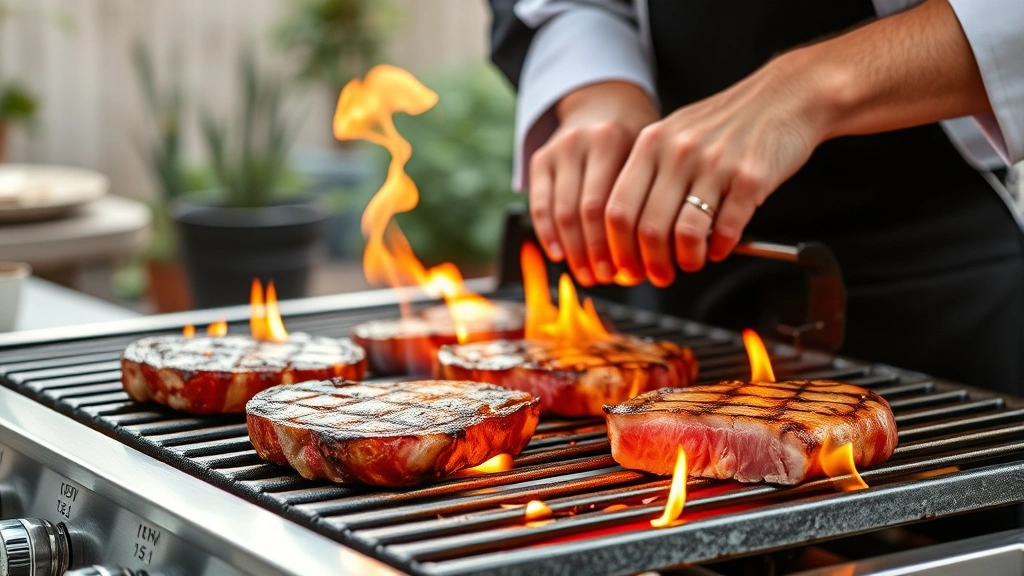
Your grill setup directly impacts cooking success. For a two-inch filet mignon, you’ll want to use a two-zone grilling method. Create one zone with high direct heat and another with medium or indirect heat. If using a gas grill, light one side to high heat (around 450-500°F) and leave the other burner off or on low. For charcoal grilling, pile coals on one side of the grill and leave the other side empty, allowing you to move steaks as needed.
Clean your grill grates thoroughly with a grill brush before cooking. Clean grates prevent sticking and allow better heat contact with the meat. Oil your grates lightly—either by rubbing them with an oil-soaked cloth or spraying them with high-heat cooking oil. This creates a non-stick surface and helps develop those desirable grill marks.
Preheat your grill for at least 15 minutes to ensure consistent heat. Use a meat thermometer to verify your grill temperature. Many backyard cooks rely on the hand test—holding your hand six inches above the grates and counting how long you can hold it there—but a thermometer provides accuracy. High heat should allow you to hold your hand there for only 2-3 seconds.
Cooking Times and Temperatures
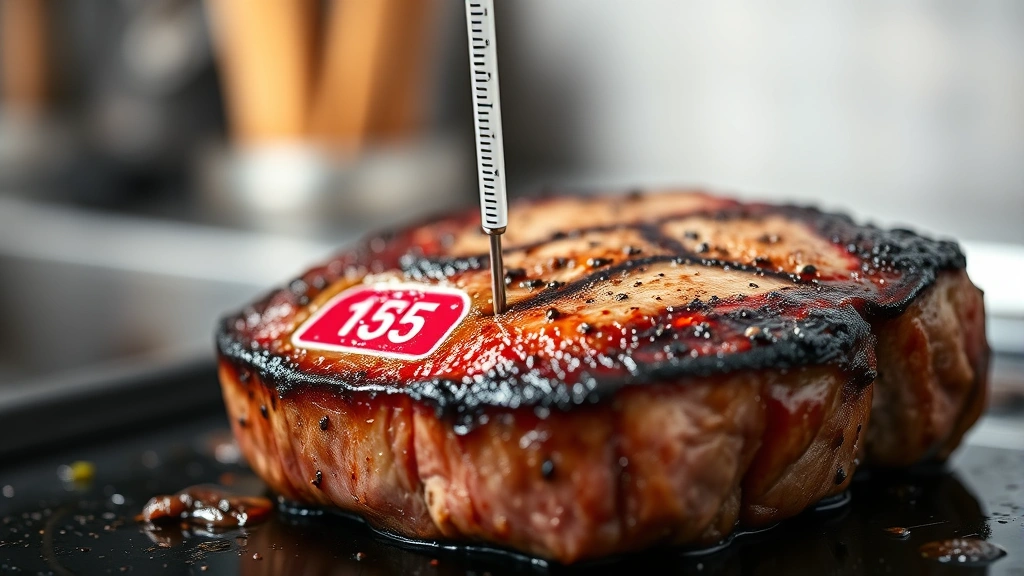
For a two-inch thick filet mignon, expect total cooking time of 12 to 16 minutes, depending on your desired doneness and grill temperature. Here’s the breakdown for different doneness levels using internal temperature as your guide:
- Rare: 125°F internal temperature, approximately 10-12 minutes total time
- Medium-Rare: 135°F internal temperature, approximately 12-14 minutes total time
- Medium: 145°F internal temperature, approximately 14-16 minutes total time
- Medium-Well: 150°F internal temperature, approximately 16-18 minutes total time
Most steak enthusiasts and professional chefs recommend medium-rare for filet mignon, as this doneness preserves the meat’s tenderness while allowing some juice retention. The meat will continue cooking slightly after removal from heat, a process called carryover cooking, so remove your filet about 5°F before reaching your target temperature.
Start your filet on the high-heat zone for searing. Place steaks directly over the hottest part of your grill and resist the urge to move them immediately. Allow 3-4 minutes of undisturbed cooking to develop a crust. Flip once and cook another 3-4 minutes on the second side. This initial searing develops the flavorful crust through the Maillard reaction, the chemical process that creates complex, savory flavors.
After searing both sides, move your filet to the medium or indirect heat zone if your steak hasn’t reached your target internal temperature. This gentler heat finishes cooking the interior without charring the exterior. Continue cooking, checking temperature every 2-3 minutes with an instant-read thermometer inserted into the thickest part of the meat.
Grilling Technique Breakdown
Successful filet mignon grilling relies on proper technique throughout the cooking process. The sear-and-finish method works best for thick cuts like two-inch filets. Begin by placing your prepared steaks directly over high heat. Don’t flip constantly—this interrupts crust development. The common misconception that frequent flipping helps even cooking is actually false. Flip only once during the searing phase.
Use tongs, not a fork, to flip your steaks. A fork pierces the meat and allows precious juices to escape. Tongs grip the meat securely without puncturing it. When you flip, do so with confidence—one smooth motion rather than several tentative adjustments.
If you notice flare-ups—flames caused by dripping fat—move your steaks to the cooler zone temporarily. Excessive charring creates bitter flavors. A few charred spots add character, but blackened sections indicate excessive heat exposure. Some grill masters place a drip pan under the indirect heat zone to catch drippings and prevent flare-ups altogether.
Watch for the appearance of juices on the steak’s surface. When clear juices appear on top (usually after 6-8 minutes of total cooking), your filet is approaching medium-rare. This visual cue helps experienced grillers gauge doneness without constant thermometer checking, though beginners should rely on temperature readings for accuracy.
Checking for Doneness
An instant-read meat thermometer is your most reliable tool for checking doneness. Insert the thermometer into the thickest part of the steak, away from any bone or fat. The reading should stabilize within a few seconds. Remember that carryover cooking will raise the temperature 3-5°F after removal from heat, so pull your filet off the grill slightly before reaching your target temperature.
The touch method provides another way to gauge doneness. Gently press the steak with your finger—rare feels soft like the fleshy area below your thumb when your hand is relaxed, medium-rare feels slightly firmer, and medium feels quite firm. This method requires practice but becomes intuitive with experience.
Avoid cutting into your steak to check doneness, as this releases juices and creates an unattractive presentation. Thermometer readings and the touch method preserve the steak’s appearance and moisture.
Resting Your Steak
Resting is perhaps the most overlooked yet crucial step in cooking premium steaks. After removing your filet from the grill, place it on a warm plate and cover loosely with foil. Allow it to rest for 5-10 minutes. During this time, the muscle fibers relax and reabsorb the juices that rose to the surface during cooking. Cutting into a steak immediately after cooking causes these juices to run onto the plate, resulting in a dry, less flavorful bite.
The resting period also allows carryover cooking to finish. Your filet’s temperature will rise from the residual heat, typically reaching your target doneness by the end of the rest. This is why you remove the steak 5°F before your desired temperature—the rest brings it to perfection.
Resting also allows the surface to set slightly, making the steak easier to plate and less likely to leave marks on the serving dish. For a two-inch filet mignon, five minutes minimum is acceptable, though ten minutes provides optimal results.
Seasoning and Finishing
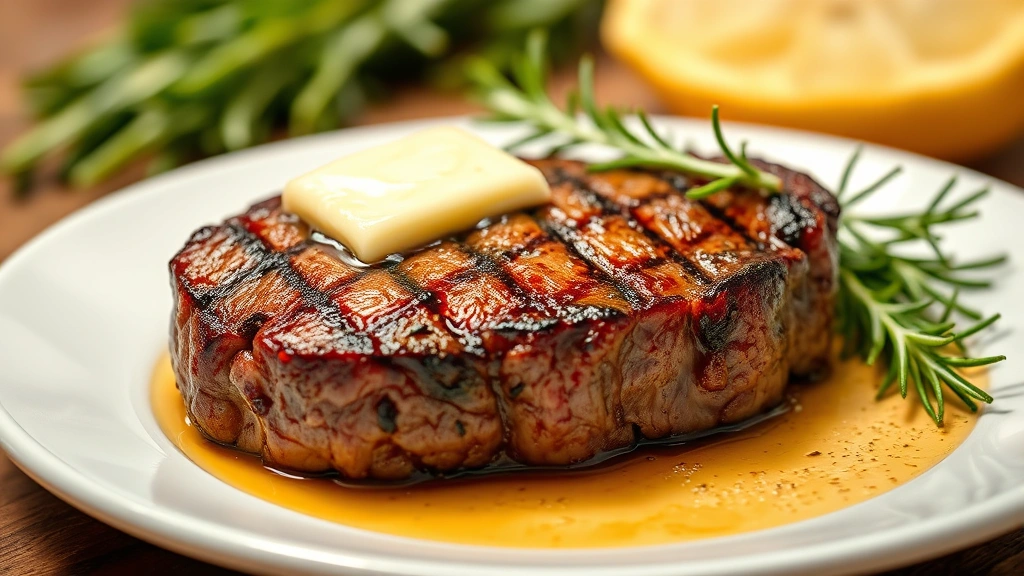
After resting, your filet is ready for finishing touches. A simple application of fleur de sel (finishing salt) and cracked black pepper enhances the crust without overpowering the beef’s natural flavor. A pat of compound butter—softened butter mixed with herbs like rosemary, thyme, or garlic—melts over the warm steak, adding richness and flavor.
Some chefs finish filet mignon with a light brush of high-quality extra virgin olive oil or a sprinkle of fresh herbs like chives or parsley. These additions should complement rather than mask the beef’s flavor. Premium beef needs minimal enhancement—the meat itself is the star.
If you’re looking to expand your grilling repertoire beyond filet mignon, explore our guide on how long to grill chicken tenders for poultry options, or check out our DIY Nests Hub Blog for more cooking techniques. You might also enjoy learning about how long to boil sweet potato for complementary side dishes that pair beautifully with grilled steaks.
FAQ
How long to grill filet mignon 2 inches thick?
For a two-inch thick filet mignon, expect 12-16 minutes total cooking time. Sear for 3-4 minutes per side over high heat, then move to medium heat and finish until your filet reaches the desired internal temperature (135°F for medium-rare is ideal).
Should I oil the steak before grilling?
You should oil your grill grates, not the steak itself. Oil the grates lightly before preheating to prevent sticking. Oiling the raw steak can cause flare-ups and uneven browning. Brush any oil or butter onto the finished steak after it rests.
Can I grill filet mignon without a meat thermometer?
While the touch method and visual cues work for experienced grillers, a meat thermometer ensures accuracy, especially when learning. Thermometers eliminate guesswork and prevent overcooking expensive cuts like filet mignon. An instant-read thermometer is inexpensive and invaluable for consistent results.
What’s the best seasoning for filet mignon?
Simple kosher salt and freshly ground black pepper allow the beef’s natural flavor to shine. Filet mignon’s delicate taste doesn’t require heavy seasoning. If you prefer additional flavors, add garlic powder, smoked paprika, or fresh herbs, but use restraint—the beef should remain the focus.
How do I prevent flare-ups when grilling filet mignon?
Flare-ups occur when fat drips onto hot coals or burners. Trim excess external fat from your steaks before grilling, use a drip pan under the indirect heat zone, and move steaks to cooler areas if flames appear. A grill with good airflow also helps manage flare-ups.
Can I grill frozen filet mignon?
Frozen steaks can be grilled, but thawing first produces superior results. Frozen meat takes significantly longer to cook and is difficult to sear properly. If you must grill frozen steaks, allow extra time and use lower initial heat to thaw the interior before searing.
What internal temperature should filet mignon reach?
Medium-rare (135°F) is recommended for filet mignon, as it preserves tenderness while retaining juices. Rare (125°F) showcases the meat’s natural texture but may feel too cool for some diners. Avoid cooking beyond medium-well, as this toughens the meat and diminishes its premium quality.
How thick should my filet mignon be for grilling?
Two inches is ideal for grilling filet mignon. This thickness allows you to develop a crust while maintaining a tender interior. Thinner cuts cook too quickly and risk drying out, while thicker cuts require extended cooking that may char the exterior excessively.


