How Long to Preheat Air Fryer: Chef’s Quick Guide
Air fryers have revolutionized home cooking, delivering crispy, delicious meals in a fraction of the time traditional ovens require. However, one critical step many home cooks overlook is proper preheating. Understanding how long to preheat your air fryer can mean the difference between perfectly cooked food and disappointing results. Whether you’re preparing chicken tenders or experimenting with new recipes, preheating ensures even heat distribution and optimal cooking performance.
Preheating an air fryer typically takes between 3 to 5 minutes at your desired cooking temperature. This brief warm-up period allows the heating element to reach full capacity and stabilize the internal air circulation system. Different air fryer models, sizes, and cooking temperatures may require slight variations in preheating time, making it essential to understand your specific appliance’s requirements and capabilities.
Standard Preheating Times
Most air fryer manufacturers recommend a standard preheating time of 3 to 5 minutes for optimal results. This timeframe applies to the majority of compact and medium-sized air fryer models available on the market today. The preheating process begins the moment you set your desired temperature and activate the preheat function, which most modern air fryers include as a dedicated button or setting.
For smaller air fryer models, such as personal or compact units with capacities under 4 quarts, preheating typically requires only 2 to 3 minutes5 to 8 minutes to reach optimal cooking temperature, especially when preheating to higher temperatures above 350°F.
The DIY Nests Hub Blog community has conducted numerous tests showing that following manufacturer guidelines for preheating consistently produces superior results compared to skipping this step. Your air fryer’s instruction manual will specify the exact recommended preheating duration for your model, which serves as the most reliable reference point.

Factors Affecting Preheat Duration
Several variables influence how long your specific air fryer requires to preheat properly. Understanding these factors helps you develop a more accurate mental timeline for your cooking sessions and prevents undercooked or unevenly prepared foods.
- Air Fryer Size: Larger capacity units require more time to heat all interior surfaces evenly. A 6-quart air fryer will need longer preheating than a 2-quart model.
- Heating Element Power: Air fryers with higher wattage heating elements reach target temperatures faster. Premium models typically feature more powerful heating systems than budget alternatives.
- Ambient Room Temperature: Cold kitchens may add 1-2 minutes to preheating time, while warm environments reduce it slightly.
- Target Cooking Temperature: Lower temperatures (300°F or below) preheat faster than higher temperatures (400°F and above).
- Basket Design: Air fryers with perforated baskets and optimized air circulation patterns preheat more efficiently than older designs.
- Age of the Appliance: Older air fryers may require additional preheating time as heating elements gradually lose efficiency.
Temperature Guidelines by Cooking Type
Different recipes and food types benefit from specific preheating temperatures. Knowing which temperature to select helps ensure your air fryer reaches the ideal state before you introduce food to the cooking chamber.
Low Temperature Cooking (250°F-300°F): Gentle preheating for delicate items like fish, eggs, or reheating leftovers requires approximately 2-3 minutes. These lower temperatures are ideal when you’re preparing items from our guide on cooking techniques for various foods.
Medium Temperature Cooking (300°F-375°F): Most everyday recipes, including vegetables, poultry, and prepared frozen foods, require this range. Plan for 3-4 minutes of preheating time to reach these moderate temperatures reliably.
High Temperature Cooking (375°F-400°F+): Achieving crispy exteriors on items like french fries, chicken wings, or breaded cutlets demands higher heat. Allocate 4-5 minutes for preheating to temperatures in this range, ensuring the heating element reaches full capacity.
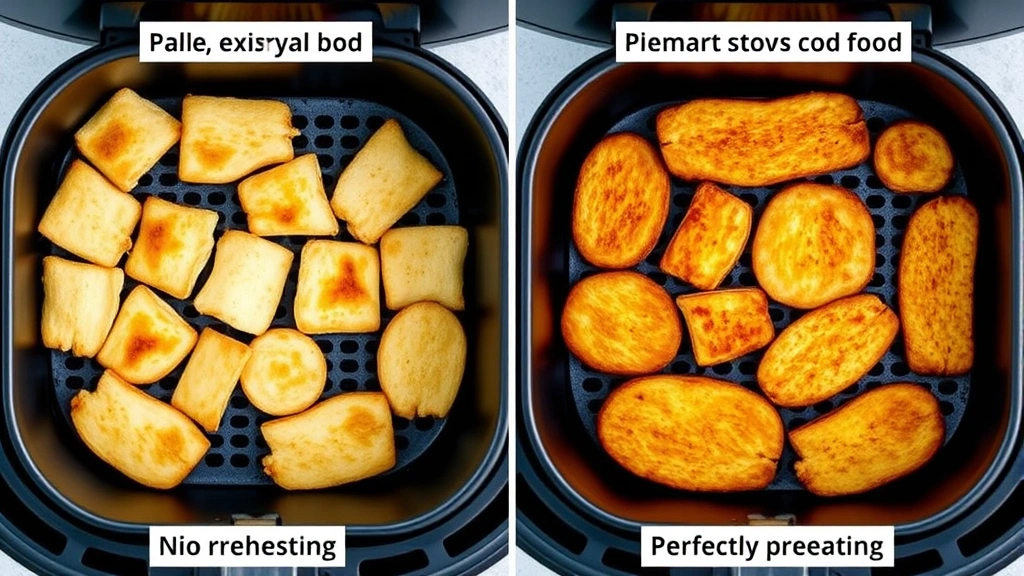
According to the National Food Service Technology Center, proper temperature stabilization before cooking ensures food safety and optimal texture development. Skipping or shortening preheating can result in uneven cooking, potentially leaving cold spots where harmful bacteria might survive.
Signs Your Air Fryer Is Ready
Beyond simply watching the clock, several indicators confirm your air fryer has completed preheating and is ready for food introduction:
- Audible Alert: Most modern air fryers emit a beep or sound when preheating is complete. This is the most reliable indicator and requires no guesswork.
- Visual Display Confirmation: Digital displays typically show a “Preheat Complete” message or switch from a preheat mode indicator to a cooking mode display.
- Consistent Temperature Reading: If your model displays internal temperature, watch for it to stabilize at your set temperature for at least 10-15 seconds.
- Steady Air Circulation: You’ll notice consistent hot air flowing from the heating element without fluctuation.
- No Temperature Fluctuation: The temperature display stops climbing and remains constant at your target setting.
Common Preheating Mistakes
Many home cooks inadvertently compromise their cooking results by making preventable preheating errors. Recognizing and avoiding these mistakes improves your air frying success rate significantly.
Skipping Preheating Entirely: Some cooks believe air fryers heat so quickly that preheating is unnecessary. This misconception leads to inconsistent cooking, with outer surfaces cooking faster than interiors. The heating element and air circulation system both require stabilization time.
Preheating Too Long: Conversely, preheating beyond 5-7 minutes wastes energy without improving results. The heating element reaches maximum temperature relatively quickly, and extended preheating provides no additional benefit.
Opening the Basket During Preheat: Lifting the basket to check progress releases hot air and resets the preheating cycle. Resist the temptation to peek until the appliance signals completion.
Ignoring Manufacturer Instructions: Your specific air fryer model may have unique preheating requirements. Relying on general guidelines instead of your manual can lead to suboptimal results.
Failing to Adjust for Recipe Requirements: Some recipes explicitly state “do not preheat” or require specific preheat temperatures. Always read recipes thoroughly before starting your air fryer.
Energy Efficiency and Preheating
While preheating uses electricity, the practice is far more energy-efficient than skipping it and cooking longer to compensate for uneven heat distribution. Understanding the energy implications helps justify the brief warm-up period.
Preheating for 3-5 minutes uses minimal electricity compared to the entire cooking cycle. For example, preheating a typical 1500-watt air fryer for 5 minutes consumes roughly 125 watt-hours of electricity. This small energy investment prevents the need for extended cooking times that would consume significantly more power and produce inferior results.
When you skip preheating, food requires 15-25% longer cooking time to achieve the same results, wasting considerably more energy and often producing inconsistent textures. The ENERGY STAR program recognizes that proper appliance use, including preheating when manufacturer-recommended, contributes to overall home energy efficiency.
Consider preheating as an investment in both food quality and energy conservation. The brief time commitment returns dividends through better cooking outcomes and lower overall energy consumption.
For broader home energy efficiency insights, explore our comprehensive guide on optimizing your home systems, which includes kitchen appliance efficiency considerations.
FAQ
Do all air fryers need preheating?
Most air fryers benefit significantly from preheating, though some newer models with advanced heating technology claim minimal preheating requirements. Always consult your specific model’s manual. Even models claiming “quick preheat” typically recommend at least 2-3 minutes of warm-up time.
Can I preheat my air fryer while preparing ingredients?
Absolutely. Starting the preheat cycle while you’re chopping vegetables, seasoning proteins, or assembling your meal is excellent time management. By the time you’re ready to cook, your air fryer will be at optimal temperature.
What happens if I don’t preheat my air fryer?
Skipping preheating results in uneven cooking with cold spots and overcooked edges. Food may require 15-25% longer cooking time, and you risk inconsistent textures. For food safety, particularly with poultry and ground meats, proper preheating ensures the entire dish reaches safe internal temperatures uniformly.
Is preheating necessary for frozen foods?
Yes, preheating is equally important for frozen foods. The stabilized heat environment helps thaw and cook frozen items evenly. Some recipes specifically designed for frozen foods may have different preheating instructions, so check packaging guidelines.
How do I know if my air fryer’s preheating function works properly?
If your air fryer fails to beep after the standard preheating time or the temperature display doesn’t stabilize, consult your manual’s troubleshooting section. Malfunctioning preheating functions may indicate heating element problems requiring professional service.
Should I preheat when reheating leftovers?
For reheating, preheating is less critical but still recommended. A 2-3 minute preheat ensures even warmth distribution throughout your leftovers, preventing cold centers and overheated edges.
Can I adjust preheat time based on recipe requirements?
While you can’t reduce manufacturer-recommended preheating, some recipes may suggest slightly extended preheat times for specific results. Always follow recipe instructions when they specify preheating durations different from standard recommendations.


