
How Long to Smoke a 20lb Turkey: Complete BBQ Expert’s Guide
Smoking a 20-pound turkey is one of the most rewarding outdoor cooking projects you can tackle, delivering juicy, flavorful results that will impress your family and friends at any gathering. Unlike traditional roasting, smoking infuses your turkey with a complex smoky flavor that simply cannot be replicated indoors. The process requires patience, proper planning, and an understanding of temperature control, but the end result is absolutely worth the effort.
A 20-pound turkey typically requires 10 to 12 hours of smoking time at a consistent temperature of 225 to 250 degrees Fahrenheit. However, this timeline depends on several critical factors including your smoker type, outdoor temperature, wood selection, and whether you’re using any special preparation techniques. This comprehensive guide will walk you through everything you need to know to achieve a perfectly smoked turkey that rivals any restaurant preparation.
Turkey Preparation and Brining
The foundation of a perfectly smoked turkey begins long before you place it on the smoker grates. Proper preparation ensures that your 20-pound bird cooks evenly and remains moist throughout the smoking process. Start by selecting a fresh, high-quality turkey from a reputable source. Frozen turkeys work perfectly fine, but you’ll need to allow 24 to 48 hours for thawing in your refrigerator at 40 degrees Fahrenheit or lower.
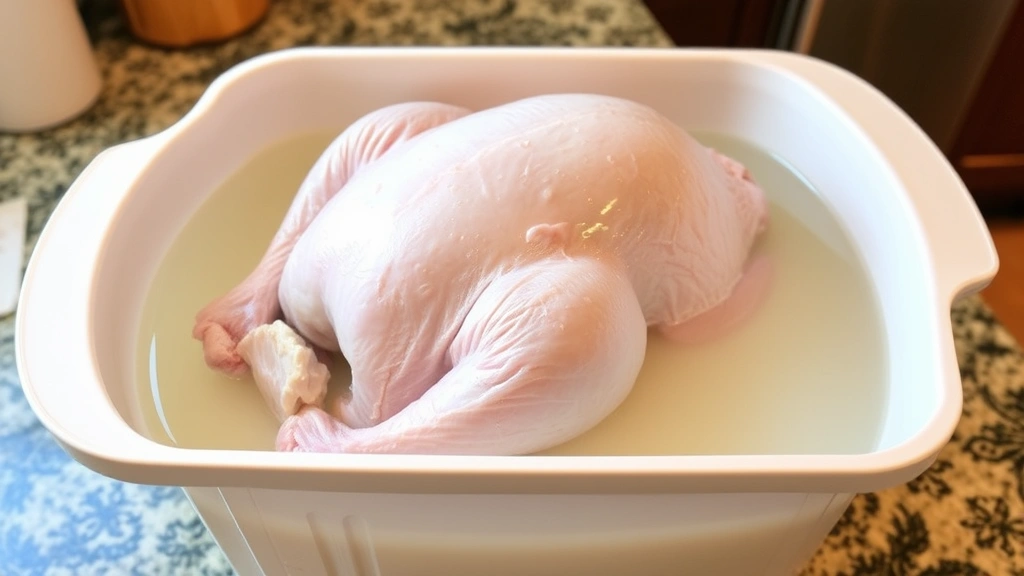
Brining is one of the most critical steps that separates amateur results from professional-quality smoked turkey. A basic brine solution consists of salt, sugar, and water, with optional additions like herbs, spices, and citrus. Mix one cup of salt and one cup of brown sugar into one gallon of water, stirring until completely dissolved. Submerge your entire 20-pound turkey in this brine solution and refrigerate for 12 to 24 hours. The salt penetrates the meat fibers, allowing them to retain more moisture during the long smoking process. This brining technique is why DIY projects like smoking turkey often yield superior results compared to conventional cooking methods.
After brining, remove your turkey and pat it completely dry with paper towels. Moisture on the skin will prevent proper browning and smoke penetration. Let the turkey sit uncovered in your refrigerator for 4 to 8 hours to allow the skin to dry further. This step is essential for achieving that beautiful, mahogany-colored exterior that makes smoked turkey so visually appealing.
While your turkey is drying, prepare your seasoning rub. A classic combination includes paprika, garlic powder, onion powder, black pepper, and brown sugar. You can also add cayenne pepper for heat or fresh herbs like thyme and sage for earthiness. Apply this rub generously all over the turkey, including under the skin if possible. Don’t forget to season the cavity as well. Some pitmasters also inject butter and seasonings directly into the meat using a meat injector, which adds extra flavor and moisture to the interior.
Setting Up Your Smoker
Your choice of smoker significantly impacts both cooking time and flavor profile. Offset barrel smokers, vertical water smokers, and pellet smokers all produce excellent results but may require slightly different timing adjustments. Regardless of your smoker type, the fundamental principle remains the same: maintain a consistent temperature between 225 and 250 degrees Fahrenheit throughout the cooking process.
Start by cleaning your smoker thoroughly, removing any ash or debris from previous cooking sessions. This prevents unwanted flavors from transferring to your turkey. Fill your water pan with hot water, apple juice, or a combination of both. The liquid in this pan serves multiple purposes: it stabilizes temperature fluctuations, creates humidity that keeps the meat moist, and adds subtle flavor to your turkey. Replace this liquid halfway through cooking to maintain consistent moisture levels.
Wood selection is crucial for achieving the desired smoke flavor. For turkey, mild to medium smoke woods work best. Hickory provides a strong, assertive smoke flavor that pairs beautifully with poultry. Apple and cherry woods offer milder, slightly sweet profiles that complement turkey without overpowering it. Oak delivers a balanced, classic BBQ smoke flavor. Avoid heavy woods like mesquite, which can produce acrid smoke that overwhelms delicate poultry meat. Use a combination of wood chunks and pieces, soaking the chunks in water for 30 minutes before adding them to your firebox. This creates steady smoke production rather than intense heat spikes.
Get your smoker to the target temperature of 225 to 250 degrees Fahrenheit before placing your turkey inside. Use an accurate thermometer to monitor the smoker’s internal temperature continuously. Many pitmasters recommend placing your smoker thermometer at the level where your turkey will sit, as temperature can vary significantly at different heights within your smoker.
Smoking Time and Temperature Guide
The most commonly cited guideline for smoking a 20-pound turkey is 12 to 15 minutes per pound at 225 degrees Fahrenheit, or 8 to 10 minutes per pound at 250 degrees Fahrenheit. For your 20-pound bird, this translates to approximately 10 to 12 hours at 225 degrees or 8 to 10 hours at 250 degrees. However, these are estimates, and your actual cooking time may vary based on several factors including smoker efficiency, weather conditions, and how often you open the smoker door.
Place your prepared turkey on the smoker grates with the breast side up. Position it away from direct heat sources if your smoker design allows. Many pitmasters place the turkey on a disposable aluminum pan to catch drippings, which can be saved for gravy. Add your soaked wood chunks to the firebox and establish steady smoke production. You want to see thin, blue smoke, not thick white smoke, which indicates incomplete combustion and can impart bitter flavors.
For the first two hours, maintain a temperature of 225 to 250 degrees Fahrenheit without disturbing your turkey. The initial smoking phase is critical for bark development and smoke ring formation. After two hours, check your water pan and add more liquid if needed. Continue smoking without opening the door unnecessarily for the next four to six hours.
At the halfway point (around 5 to 6 hours for a 20-pound turkey), you can rotate the turkey 180 degrees if you notice uneven cooking. Some pitmasters also tent the breast with aluminum foil at this point to prevent overcooking the white meat while waiting for dark meat to finish. The turkey breast typically reaches doneness before the thighs and legs, so protecting it from excess heat becomes important as cooking progresses.
Continue smoking and maintaining your target temperature for the remaining cooking time. Add more wood chunks every two to three hours to maintain consistent smoke production. Remember that proper planning and monitoring are essential for any long-duration cooking project, whether you’re smoking turkey or tackling other outdoor projects.

Monitoring and Temperature Checks
Never rely solely on cooking time estimates. The only accurate way to determine doneness is by checking the internal temperature of your turkey using a reliable meat thermometer. According to USDA food safety guidelines, turkey must reach a minimum internal temperature of 165 degrees Fahrenheit in three specific locations: the thickest part of the thigh (not touching bone), the innermost part of the wing, and the thickest part of the breast.
Begin checking temperatures after approximately 8 hours of smoking for a 20-pound turkey. Insert your thermometer probe into the thickest part of the thigh first, as dark meat takes longer to cook than white meat. If the thigh hasn’t reached 165 degrees, continue smoking and check again in 30-minute intervals. Once the thigh reaches temperature, check the breast and wing. The breast typically finishes first, followed by the wing, with the thigh finishing last.
Invest in a quality instant-read thermometer or a wireless probe thermometer that allows you to monitor temperatures without opening your smoker door. Every time you open the smoker, you release heat and smoke, extending your cooking time and potentially creating temperature fluctuations that affect final results. Digital probe thermometers with external displays let you check temperatures while maintaining your smoker’s internal environment.
Watch for the stall, a phenomenon where the turkey’s internal temperature plateaus for an extended period, typically between 150 and 165 degrees Fahrenheit. This occurs as evaporative cooling slows temperature rise. Patience is essential during the stall. Some pitmasters increase smoker temperature by 10 to 15 degrees to push through the stall more quickly, but this risks drying out your turkey. Maintaining consistent temperature and allowing the stall to run its course naturally typically produces the best results.
Common Problems and Solutions
Uneven cooking is one of the most common issues when smoking a 20-pound turkey. The breast cooks faster than the thighs and legs due to differences in muscle composition and fat content. Combat this by positioning your turkey so the thighs face the heat source, or tent the breast with foil once it reaches 160 degrees Fahrenheit. This directs remaining heat toward the slower-cooking dark meat.
Dry turkey results from overcooking, particularly in the breast meat. Prevent this by using a meat injector to add butter and broth directly into the breast meat before smoking. Additionally, wrapping the breast in foil once it reaches 160 degrees protects it from excess heat. Some pitmasters also spritze their turkey with apple juice every 45 minutes after the first two hours of smoking, which adds moisture and helps develop bark.
Rubbery skin indicates that your smoker temperature was too low or that your turkey was overcooked. Skin requires higher temperatures to render properly. If your skin isn’t crispy after smoking, finish your turkey in a 425-degree oven for 10 to 15 minutes before resting. This quick blast of high heat crisps the skin without drying the meat.
Bitter or acrid flavors suggest improper wood selection or excessive smoke production. Ensure you’re using mild smoking woods appropriate for poultry and generating thin blue smoke rather than thick white smoke. If your smoker is producing excessive white smoke, reduce the amount of wood or allow your fire to burn hotter before adding wood chunks.
Resting and Carving Your Turkey
Once your turkey reaches the proper internal temperature in all three locations, remove it from the smoker and place it on a clean cutting board. This is where patience becomes crucial once again. Allow your turkey to rest for 20 to 30 minutes before carving. During this resting period, residual heat continues cooking the interior slightly while muscle fibers relax and reabsorb juices. Skipping this rest period results in meat that sheds its juices during carving, leaving you with dry turkey despite perfectly executed smoking.
While your turkey rests, transfer the drippings from your aluminum pan into a saucepan. Add chicken or turkey broth, flour or cornstarch for thickening, and seasonings to create a rich, smoky gravy that complements your smoked turkey perfectly. The drippings are liquid gold for gravy, containing concentrated turkey flavor and smokiness.
After resting, carving is straightforward. Remove the legs and thighs first by pulling them away from the body and cutting through the joint. Separate thighs from drumsticks. Carve the breast meat by cutting parallel to the breastbone, working from the outside toward the center. Remove the wings last. Transfer all meat to a serving platter and pour your prepared gravy over the top.
FAQ
What’s the exact time to smoke a 20-pound turkey?
A 20-pound turkey typically requires 10 to 12 hours at 225 degrees Fahrenheit or 8 to 10 hours at 250 degrees Fahrenheit. Always use an internal meat thermometer to confirm doneness rather than relying solely on time estimates, as many variables affect cooking duration.
Can I smoke a turkey overnight?
Yes, many pitmasters smoke turkey overnight by starting in the evening and finishing in the morning. Begin with a full fuel load and maintain your target temperature throughout the night. Use a reliable thermometer with an alarm function to alert you if temperature drops below your target range.
Should I brine my turkey before smoking?
Brining is highly recommended for smoked turkey. The salt in brine helps meat retain moisture during the long smoking process, resulting in significantly juicier turkey. Brine for 12 to 24 hours before smoking for best results.
What wood is best for smoking turkey?
Apple, cherry, and hickory woods are ideal for smoking turkey. These mild to medium woods complement poultry without overpowering it. Avoid heavy woods like mesquite, which can produce acrid flavors unsuitable for delicate poultry.
How do I keep smoked turkey from drying out?
Use a meat injector to add butter and broth to the breast meat before smoking. Maintain consistent smoker temperature, tent the breast with foil once it reaches 160 degrees, and allow the turkey to rest for 20 to 30 minutes after smoking before carving.
Can I smoke a frozen turkey?
You must thaw a frozen turkey completely before smoking. Thaw in your refrigerator at 40 degrees Fahrenheit or lower, allowing 24 to 48 hours for a 20-pound bird. Never smoke a partially frozen turkey, as it may not reach safe internal temperatures in all areas.
What temperature should smoked turkey reach?
According to CDC food safety guidelines, turkey must reach 165 degrees Fahrenheit in the thickest part of the thigh, innermost wing, and thickest part of the breast. Use a meat thermometer to verify temperature in all three locations before serving.
How do I get crispy skin on smoked turkey?
Smoking naturally produces softer skin due to the moist environment. If you prefer crispy skin, finish your turkey in a 425-degree oven for 10 to 15 minutes after smoking to render the fat and crisp the exterior without drying the meat.
Can I prep my turkey the day before smoking?
Yes, brining should happen 12 to 24 hours before smoking. After brining, pat your turkey dry and apply your seasoning rub. Refrigerate uncovered for 4 to 8 hours to allow the skin to dry further, which improves browning and bark development.
What if my turkey isn’t done after 12 hours?
Check the internal temperature in all three locations. If dark meat hasn’t reached 165 degrees Fahrenheit, continue smoking. Increase your smoker temperature by 10 to 15 degrees if you’re significantly behind schedule. Some turkeys naturally take longer depending on smoker efficiency and environmental factors.
For additional expert guidance on outdoor cooking techniques, check out comprehensive BBQ smoking resources and consult smoking meat forums where experienced pitmasters share real-world techniques. You can also explore other time-based DIY projects if you enjoy extended cooking processes that require patience and precision.
Smoking a 20-pound turkey transforms a traditional holiday centerpiece into an unforgettable culinary experience. The combination of proper preparation, consistent temperature management, and patience yields turkey that’s impossible to replicate through conventional cooking methods. Whether you’re a seasoned pitmaster or attempting your first smoked turkey, following these guidelines ensures restaurant-quality results that will become your family’s new holiday tradition.


