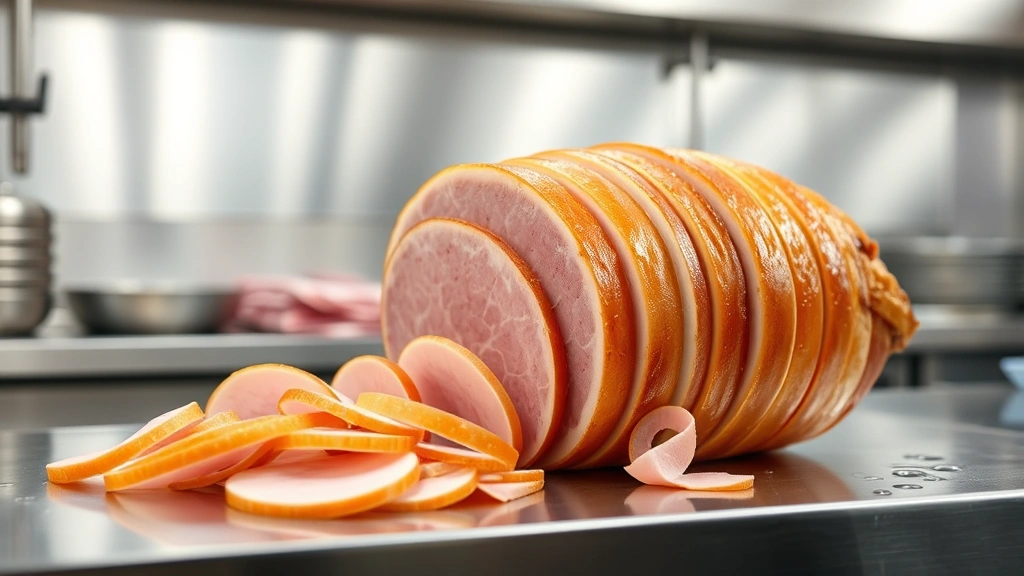
Thawing a Ham: Expert Tips for Perfect Timing
Thawing a ham properly is essential for food safety and ensuring even cooking throughout the meat. Whether you’re preparing a holiday feast or a special Sunday dinner, understanding the correct thawing methods and timeframes can mean the difference between a perfectly tender ham and one that’s undercooked in the center or dried out on the edges. Most home cooks underestimate how long this process actually takes, which can lead to rushed decisions and compromised results.
The challenge with thawing ham lies in its size and density. Unlike smaller cuts of meat, a whole or half ham can weigh anywhere from 8 to 20 pounds or more, requiring careful planning and the right approach. The USDA Food Safety and Inspection Service provides clear guidelines on safe thawing practices that every home cook should follow. In this comprehensive guide, we’ll walk you through every method of thawing ham, help you calculate exact timing for your specific cut, and answer common questions that arise during preparation.
Understanding Ham Types and Sizes
Before you can accurately determine thawing time, you need to understand what type of ham you’re working with. Hams come in several varieties, each with different characteristics that affect thawing duration. A whole ham includes both the shank and butt portions, typically weighing 12-16 pounds. A half ham is either the shank half or butt half, usually weighing 5-8 pounds. Bone-in hams thaw more slowly than boneless varieties because bone conducts heat differently than meat tissue.
The distinction between cured hams and fresh hams is critical for food safety. Cured hams, which have been treated with salt and nitrates, are shelf-stable for longer periods and can sometimes be thawed at room temperature for limited periods. Fresh hams, which have not undergone curing, require more careful handling and should never be left at room temperature for extended periods. Additionally, some hams come pre-cooked, which affects both thawing time and cooking requirements.
Your ham’s packaging also matters significantly. Hams in vacuum-sealed packaging thaw more evenly than those wrapped loosely. The thickness and density of the meat layer, combined with the bone structure, determines how long it takes for cold to penetrate to the center. When you’re exploring our DIY Nests Hub Blog, you’ll find that proper preparation applies to all types of cooking projects, including meat preparation.
Refrigerator Thawing Method
The refrigerator method is the safest and most recommended approach for thawing ham, as outlined by CDC Food Safety guidelines. This method maintains a consistent temperature of 40°F or below, preventing bacterial growth while allowing gradual thawing. Plan for approximately 24 hours of thawing time for every 4-5 pounds of ham. A 10-pound ham requires roughly 2-3 days, while a 15-pound ham needs 3-4 days.
To thaw your ham in the refrigerator, first remove it from the freezer and place it on a tray or plate to catch any drips. Position the ham on a lower shelf to prevent any liquid from dripping onto other foods. Leave the ham in its original packaging if it’s vacuum-sealed, as this protects it from contamination. If your ham came in paper wrapping, you can leave it wrapped or transfer it to a sealed container. The key is maintaining consistent refrigerator temperature—ensure your refrigerator is set to 40°F or colder.
One advantage of refrigerator thawing is that once the ham is completely thawed, it can remain safely in the refrigerator for 3-5 additional days before cooking. This flexibility allows you to plan your meal preparation timeline more easily. If you’re preparing a smoked whole chicken alongside your ham, you’ll appreciate having both proteins thawed and ready several days in advance.
Monitor the thawing progress by checking if the meat feels soft when gently pressed. The thickest part of the ham, usually near the bone, will thaw last. You’ll know thawing is complete when the entire ham yields slightly to pressure and no ice crystals remain visible on the surface or in any crevices.
Cold Water Thawing Method
When time is limited, the cold water method can thaw a ham in approximately 8-12 hours, depending on size. This faster approach requires more active management but remains food-safe when done correctly. Allow approximately 30 minutes of thawing time per pound using the cold water method. A 10-pound ham requires about 5 hours, while a 16-pound ham needs 8 hours.
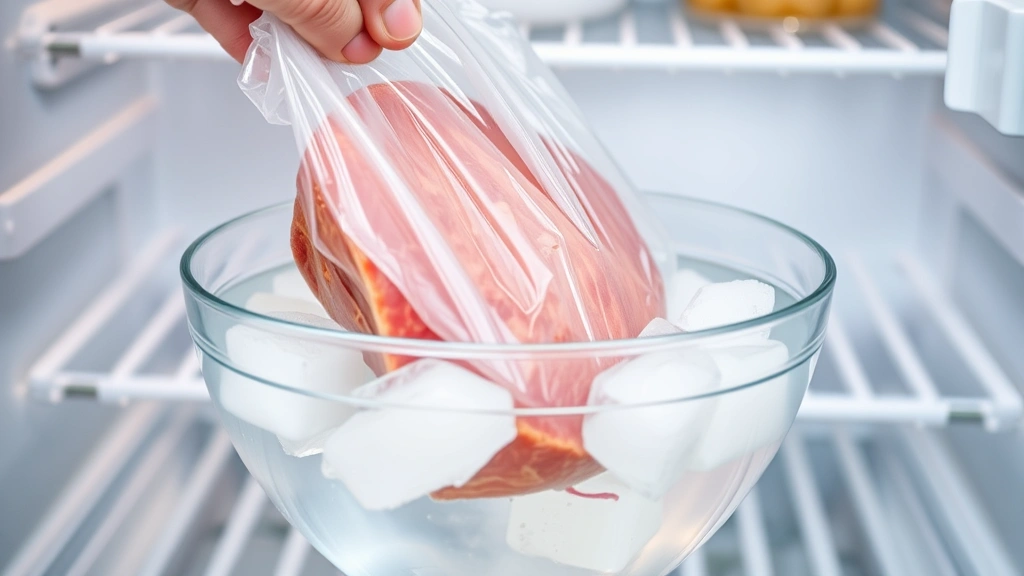
To use this method, keep the ham in its original packaging or place it in a leak-proof plastic bag. Submerge the ham completely in cold tap water. The water should be changed every 30 minutes to maintain a temperature below 40°F and to accelerate the thawing process. Each water change removes warmer water surrounding the ham and replaces it with fresh, cold water that continues the thawing process more efficiently.
Position the ham so that water can circulate around it freely. A large bowl, clean sink, or cooler works well for this purpose. Avoid using warm or hot water, as this creates an unsafe temperature zone where bacteria can multiply rapidly. Some people add ice to the water to maintain optimal cold temperatures, which is an excellent practice, especially if your kitchen is warm or if you’re thawing multiple items simultaneously.
The cold water method works well when you’re preparing a complete meal and need coordinated timing for side dishes like boiled sweet potatoes. Once the ham is thawed using this method, cook it immediately or refrigerate it until you’re ready to cook. Do not refreeze a ham that has been thawed using the cold water method without cooking it first.
Emergency Thawing Techniques
If you’ve forgotten to thaw your ham and dinner is just hours away, you still have options, though they’re less ideal than planning ahead. The microwave thawing method is fastest but requires careful attention. Place the ham on a microwave-safe plate and use the defrost setting, typically 30% power. Thaw for approximately 2-3 minutes per pound, checking progress every few minutes.
The critical issue with microwave thawing is uneven thawing—outer edges may begin cooking while the center remains frozen. Rotate and flip the ham every few minutes to promote even thawing. This method works best for smaller ham portions rather than whole hams. Once thawed via microwave, cook the ham immediately; do not refrigerate or refreeze it.
Another emergency option involves cooking the ham from a partially frozen state, though this extends cooking time significantly and may result in less even cooking. If you choose this route, add 50% extra cooking time to your recipe. A partially frozen 10-pound ham might require 3-4 hours to cook properly, compared to 2-3 hours for a fully thawed ham.
For future reference, when planning major meals, consider using our comprehensive planning guides to organize your kitchen space and meal prep workflow more efficiently. Proper organization prevents last-minute thawing emergencies.
Safety Considerations and Food Handling
Never thaw ham at room temperature. This is the most critical food safety rule. Room temperature creates a danger zone between 40°F and 140°F where harmful bacteria multiply rapidly. Even if thawing seems faster at room temperature, the risk of foodborne illness far outweighs the time savings. According to FoodSafety.gov, bacteria can double in number every 20 minutes in the danger zone.
Cross-contamination is another serious concern. When thawing ham, ensure that any drips don’t contact other foods, especially ready-to-eat items. Use dedicated trays or plates for raw ham, and wash your hands thoroughly after handling. Clean any surfaces that contacted raw ham with hot soapy water before preparing other foods.
If you’re thawing multiple proteins for a large gathering, organize your refrigerator strategically. Place heavier items like ham on lower shelves so drips can’t contaminate items below. Keep raw ham separate from cooked foods throughout the thawing and cooking process. This organization principle applies to all your home preparation projects—proper organization prevents problems.
Once thawed, ham can be stored in the refrigerator for 3-5 days. If you’ve thawed more ham than you need, you can refreeze the uncooked portion if it was thawed in the refrigerator. However, if thawed using the cold water method or microwave, cook the ham before refreezing. Cooked ham freezes well for up to 2 months.
Pay attention to your ham’s appearance and smell throughout the thawing process. Any off-odors, unusual discoloration, or slimy texture indicates spoilage. When in doubt, discard the ham rather than risk foodborne illness. Trust your senses—if something seems wrong, it probably is.
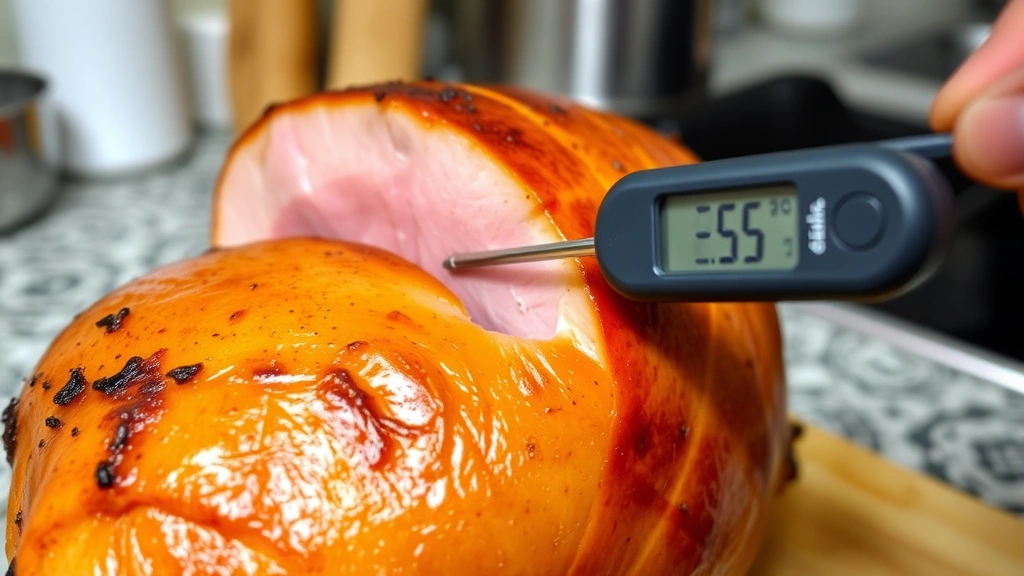
Temperature verification is crucial when cooking. Use a meat thermometer to ensure the ham reaches a safe internal temperature. For pre-cooked ham, heat to 140°F. For fresh ham, heat to 160°F. This USDA guidance ensures that any harmful pathogens are eliminated during cooking.
FAQ
How long does it take to thaw a 10-pound ham?
Using the refrigerator method, a 10-pound ham requires approximately 2-3 days (48-72 hours). With the cold water method, expect 5-8 hours with water changes every 30 minutes. Microwave thawing takes 20-30 minutes but requires constant attention to prevent uneven thawing.
Can I thaw ham at room temperature?
No, thawing ham at room temperature is unsafe. Room temperature falls within the bacterial growth danger zone (40°F-140°F). Always use refrigerator, cold water, or microwave methods to maintain safe temperatures throughout the thawing process.
How long can a thawed ham stay in the refrigerator?
A thawed ham can safely remain in the refrigerator for 3-5 days before cooking. If you’ve thawed more than you need, you can refreeze the uncooked portion if it was thawed in the refrigerator, though quality may be slightly compromised.
What’s the difference between thawing a bone-in and boneless ham?
Bone-in hams thaw more slowly than boneless varieties because bone conducts temperature differently than meat. Add approximately 25% extra time when thawing bone-in hams. A 10-pound bone-in ham might require 3-4 days using the refrigerator method, compared to 2-3 days for a boneless ham of the same weight.
Can I cook a partially frozen ham?
Yes, but it requires significantly longer cooking time—approximately 50% more than a fully thawed ham. This method is less ideal because cooking is less even, potentially resulting in overcooked edges and undercooked centers. Plan ahead to thaw completely whenever possible.
Should I keep the ham in its original packaging while thawing?
Yes, vacuum-sealed packaging protects the ham during thawing and should be left intact. If your ham came in paper wrapping, you can leave it wrapped or transfer it to a sealed container. The key is protecting the ham from contamination and preventing drips from contacting other foods.
How do I know when my ham is completely thawed?
A fully thawed ham feels soft throughout when gently pressed, with no hard spots or ice crystals. The thickest part near the bone thaws last, so check this area carefully. The ham should be uniformly pliable from surface to center.
Is it safe to refreeze a thawed ham?
If the ham was thawed in the refrigerator, it’s safe to refreeze the uncooked portion. However, if thawed using the cold water or microwave method, you must cook the ham before refreezing. Once cooked, ham can be frozen for up to 2 months.


